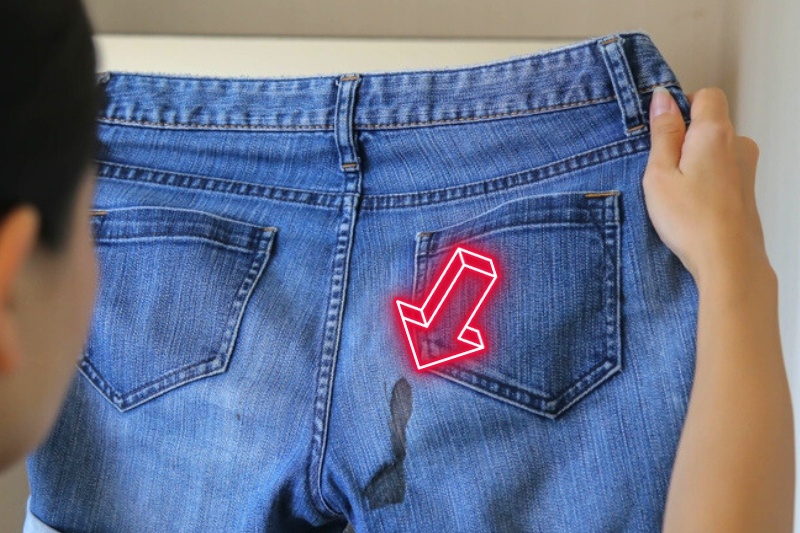
How To Get Blood Out Of Jeans
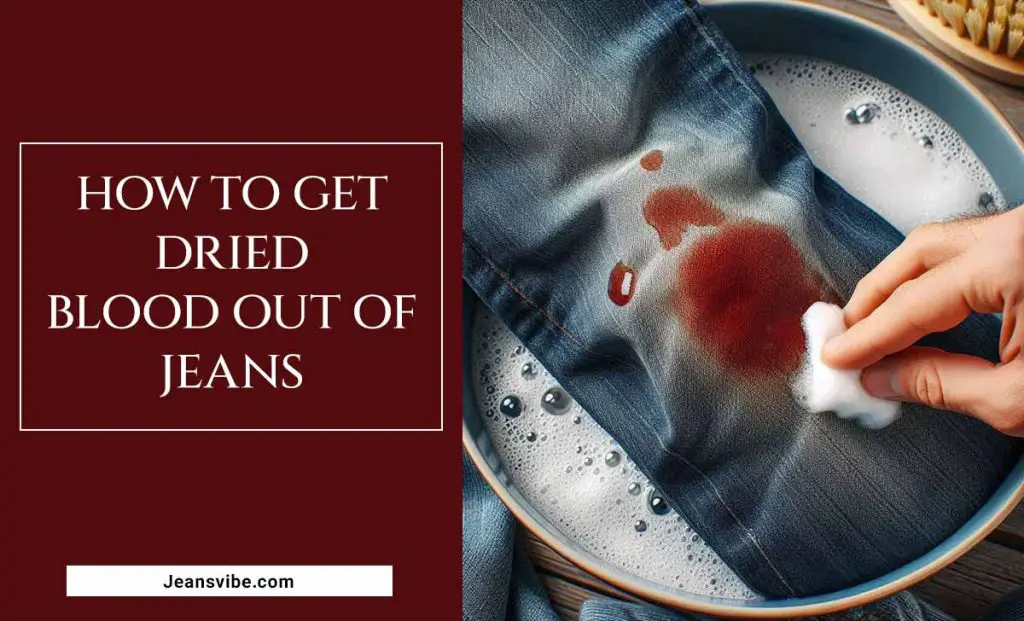
Oh, the sheer terror. You’re at a barbecue, maybe helping out with a particularly enthusiastic steak flip (we’ve all been there, right?), and suddenly, disaster strikes. A rogue splatter, a little too ambitious, lands squarely on your favorite pair of jeans. Or perhaps it was a clumsy encounter with a papercut while you were trying to open that stubbornly sealed package. Whatever the cause, that tell-tale reddish-brown stain is staring you down, and your heart sinks. You immediately think, "My jeans! My beautiful, perfectly broken-in jeans!"
I remember one particularly memorable incident involving a very excited dog, a sudden enthusiastic greeting, and a nosebleed that was… let's just say, unforgettable. My pristine white couch almost met its match, but I’d also just changed into my comfiest denim. The panic was real, people. Real.
So, what do you do when life decides to leave its mark on your denim in the most inconvenient way possible? Don't despair! Getting blood out of jeans is totally doable. In fact, it’s often easier than you might think, especially if you act fast. Think of me as your trusty stain-fighting sidekick. We're going to tackle this, one drip at a time.
Must Read
The Golden Rule: Act Fast, My Friend!
Seriously, this is the most important thing. The longer blood sits on fabric, the deeper it penetrates and the harder it becomes to remove. It's like a stubborn ex; the longer you leave it, the more it solidifies its place. So, if you notice a bloodstain, even a tiny one, don't procrastinate. Address it immediately.
Imagine you’re a superhero, and that bloodstain is your arch-nemesis. You wouldn't let your arch-nemesis set up a permanent residence, would you? Of course not! You'd spring into action, cape fluttering (or, you know, just rushing to the nearest sink).
The Cold Water Cure: Your First Line of Defense
This is where the magic begins, and it’s surprisingly simple: cold water. Why cold, you ask? Because hot water can actually cook the blood proteins into the fabric, making the stain permanent. Yikes. Nobody wants that.
So, as soon as possible, grab your bloodied jeans and head for the sink. Run them under cold, running water. You want to flush out as much of the stain as you can from the back of the fabric. This helps push the blood out rather than further in. It might seem a little gross, but trust me, it’s effective. Just keep rinsing until the water runs clear or the stain significantly fades. This step alone can save your jeans!
Think of it like trying to get glitter off your hands after a craft project. The more you rub, the more it spreads. But if you can get a good initial rinse, you're already winning. This is that initial rinse for blood.
When Water Isn't Enough: Enter the Stain Fighters
Okay, so you've done the cold water rinse, and while it helped, there's still a ghost of a stain lingering. Don't fret. We have a whole arsenal of stain-fighting heroes waiting in the wings.

Option 1: The Humble Dish Soap
Yep, that stuff you use to wash your dishes can be a surprisingly effective blood stain remover. It's designed to break down grease and grime, and it's gentle enough for most fabrics.
Here’s how you do it: Apply a small amount of mild dish soap directly to the stained area. Gently rub it into the fabric with your fingers or a soft brush (an old toothbrush works wonders here!). Let it sit for about 5-10 minutes. Then, rinse thoroughly with cold water. You might need to repeat this a couple of times, depending on the severity of the stain. It’s like giving your jeans a little spa treatment, but for dirt and… well, blood.
I’ve used this trick on so many things, from accidental spaghetti sauce explosions to mysterious smudges on my kids' clothes. It’s a reliable go-to. Just make sure it’s a mild dish soap – we don't want anything too harsh that could damage the denim.
Option 2: The Mighty Hydrogen Peroxide
This is where things get a little more… scientific, but still totally DIY-friendly. Hydrogen peroxide is a bleaching agent, so it’s fantastic at breaking down stains. However, you need to be a little careful with it, especially on darker or colored denim, as it can potentially lighten the fabric.
Always do a patch test first! Find an inconspicuous spot on your jeans (like the inside of a hem) and apply a tiny bit of hydrogen peroxide. Wait a few minutes and check for any color change. If all looks good, you can proceed.
Apply 3% hydrogen peroxide directly to the stain. You’ll likely see it start to bubble up – that’s the peroxide working its magic! Let it sit for a few minutes, then gently blot the area with a clean cloth. Rinse thoroughly with cold water. You can repeat this process, but again, keep an eye on the fabric color. This is your heavy artillery, so use it wisely.
I’ve found that hydrogen peroxide is particularly good for older, dried-in stains. It’s like it has a little bit of extra oomph. Just remember that patch test! We don’t want to trade one problem for another, do we?

Option 3: The Salt-and-Cold-Water Paste (An Oldie but a Goodie)
Sometimes, the simplest solutions are the best. A paste made from salt and cold water can work wonders on fresh blood stains.
Mix a generous amount of salt with just enough cold water to form a thick paste. Apply this paste directly to the stain, covering it completely. Let it sit for at least 30 minutes, or even longer if you can. The salt will help draw the blood out of the fabric. Once it’s had a good soak, gently scrape off the paste and rinse the area thoroughly with cold water. You can then proceed with washing your jeans as usual.
This method is great because it uses common household ingredients and is generally very safe for most fabrics. It’s like giving your jeans a little exfoliating treatment, but the ‘exfoliant’ is actively absorbing the stain.
Option 4: The Ammonia Alternative (Use with Caution!)
Ammonia is another powerful stain remover, but it’s also quite strong and has a potent smell. Never mix ammonia with bleach, as this creates toxic fumes. Again, always do a patch test on a hidden area first!
Dilute household ammonia with an equal amount of cold water. Apply the diluted solution to the stain with a clean cloth or sponge. Let it sit for a few minutes, then blot and rinse thoroughly with cold water. Make sure the area is well-ventilated when using ammonia.
This is for those really stubborn stains that seem to be laughing at your efforts. It’s definitely a more advanced technique, so proceed with caution and good ventilation. You don’t want your jeans to smell like a swimming pool.
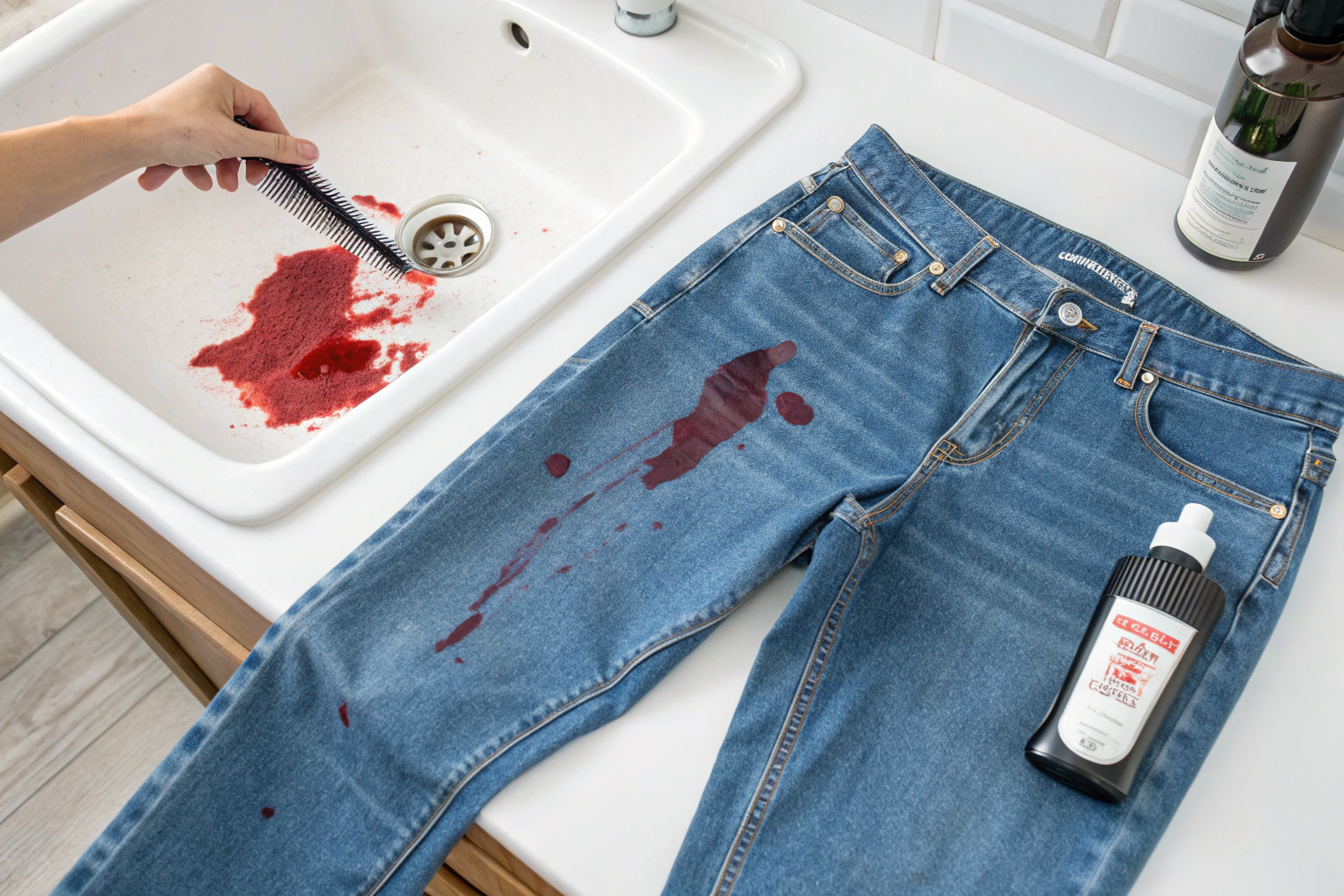
The Washing Machine Stage: The Grand Finale (Almost!)
Once you've pre-treated the stain and are satisfied with the results (or have done as much as you can), it's time to throw your jeans in the washing machine.
Wash them on a cold water cycle with your regular detergent. Avoid using hot water, as we’ve discussed. If you're feeling particularly brave or the stain was significant, you could add a stain remover booster to the wash. Just make sure it's safe for your denim color.
Crucially, do not put your jeans in the dryer until you are absolutely sure the stain is gone. Heat from the dryer will set any remaining stain, making it much, much harder (or impossible) to remove later. It's like a final seal of doom for that pesky stain.
If you’ve washed them and the stain is still there, don’t panic. Just take them out of the dryer (or better yet, don’t put them in the dryer at all!) and repeat the pre-treatment and washing steps. Patience is a virtue, especially when it comes to stubborn stains.
What About Dried Blood Stains?
Ah, the dreaded dried bloodstain. These are tougher, but not insurmountable. The key here is rehydration and patience.
First, try soaking the stained area in cold water for an extended period. You might even want to soak the entire pair of jeans overnight. After soaking, proceed with the pre-treatment methods mentioned above (dish soap, hydrogen peroxide, or the salt paste are good starting points). You might need to repeat the pre-treatment and soaking process a few times for older, dried-in stains.
For really old, set-in stains, you might consider a dedicated enzyme-based stain remover. These are designed to break down organic matter like blood. Follow the product instructions carefully. Always remember that patch test!

A Note on Different Denim Colors
Most of these methods are generally safe for various denim colors, but it’s always wise to be extra cautious with darker or more vibrant shades. As mentioned, hydrogen peroxide and ammonia can potentially cause fading. If you're concerned, stick to the milder methods like dish soap and salt paste, or always perform that crucial patch test.
White denim is a different beast altogether. You have a bit more freedom to use bleaching agents, but even then, moderation is key. For white jeans, a diluted bleach solution (used very carefully and with proper ventilation) can be a last resort, but try the other methods first. We don’t want to turn your white jeans into a tie-dye project gone wrong!
Preventative Measures (Because Who Needs More Stains?)
While this article is all about removing blood stains, a little preventative magic never hurt anyone.
If you know you’re going to be in a situation where blood might make an appearance (think DIY projects with sharp objects, or just generally clumsy living), consider wearing older jeans or jeans you don’t mind getting a little… character. Or, you know, invest in a really good apron.
And for those of us who are accident-prone (hand raised!), keeping a small bottle of hydrogen peroxide or a stain-stick in your bag or car can be a lifesaver for on-the-go emergencies. You never know when a rogue nosebleed or a papercut will strike!
The Final Verdict: You've Got This!
So there you have it. Getting blood out of your beloved jeans is not a mission impossible. It requires a bit of speed, a dash of patience, and the right approach. Remember the cardinal rule: cold water is your best friend, and acting fast is your superpower.
Don't let a little (or a lot of) blood send you into a denim-mourning frenzy. With these tips and tricks, you can rescue your favorite jeans and have them looking (almost) as good as new. Now go forth, and conquer those stains!