How To Find A Tracker In A Car

Let's be honest, the idea of a hidden tracker lurking in your car is enough to send a shiver down your spine. In our hyper-connected world, privacy feels like a rare commodity, and the thought of someone secretly monitoring your every move is straight out of a spy flick. But before you start picturing clandestine operatives and shadowy figures, let's take a deep breath. Finding a car tracker is usually a lot less dramatic, and with a few pointers, you can arm yourself with the knowledge to regain that peace of mind.
Think of it like a treasure hunt, but instead of gold doubloons, you're hunting for a tiny piece of technology designed to be, well, hidden. It’s not something you’d typically stumble upon while looking for that missing spare change or your favorite lip balm. These devices are built to blend in, to be discreet, and to go unnoticed. So, while the initial thought might be unnerving, approaching it with a calm and systematic mindset is key.
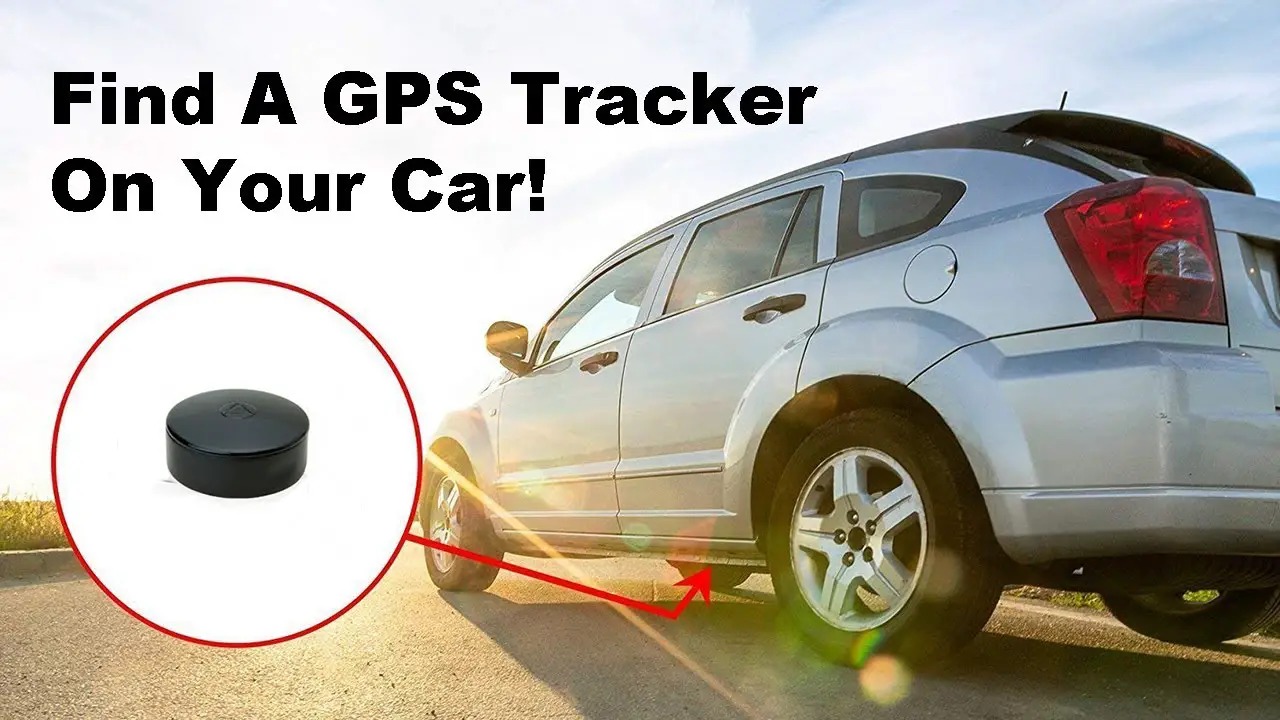
First off, it’s important to understand what you’re looking for. Most common car trackers are small, battery-powered devices. They often come in black or dark colors to further camouflage themselves. Some are magnetic, making them easy to attach to metal surfaces. Others might be designed to look like innocuous car parts or accessories. It’s the technological equivalent of a chameleon, but with a purpose.
Must Read
Where do these little buggers tend to hide? Manufacturers and installers know that the most effective places are out of sight and out of mind. Think about the nooks and crannies, the dark corners, the places you rarely, if ever, have a reason to inspect. This is where your detective work begins.
The Exterior Expedition
Let's start with the outside of your car. This is often the easiest place to begin your search, as it requires less contortion. Grab a flashlight – a bright, powerful one is your best friend here. You’re not looking for a subtle glow; you're looking for something that shouldn't be there.
Begin by meticulously examining the underside of your vehicle. This is prime real estate for trackers, especially the magnetic kind. Get down on your hands and knees (or use a car ramp if you have one – safety first, always!). Shine your light along the frame, the wheel wells, and any exposed metal panels. Pay attention to anything that looks like an attached box or a small, oddly placed object. Sometimes, they’re tucked away near the gas tank or behind the bumper.
Don't forget the bumpers themselves. They often have hollow cavities or hidden compartments that are perfect for concealment. Gently tap around the bumper to listen for any unusual sounds – a hollow rattle might indicate something is loose or attached inside. You can also try to peek into any gaps or openings in the bumper.
Look at the wheel wells. These are exposed to the elements, so a tracker here might be a bit more weather-resistant. Check for anything stuck to the inner lining of the wheel arch. It’s a less common spot, but worth a thorough check.
Consider the exterior trim and moldings. Sometimes, a small tracker can be discreetly placed behind or within these decorative elements. Run your fingers along them, feeling for any bumps or irregularities that don't feel like part of the original design.

Pro Tip for Exterior Hunts:
If you have a modern car with sensors or cameras integrated into the exterior, take a closer look at those areas. Sometimes, devices can be camouflaged to look like part of these existing components, though this is less common for easily discoverable trackers.
The Interior Investigation
Now, let's move inside. This is where things can get a little more intimate, and where you might need to get a bit more hands-on. Think about the places you least frequently interact with, or the hidden compartments that are often overlooked.
Start with the dashboard and center console. These are vast territories for hidden items. Open all the glove compartments, the center armrest storage, and any other little cubbies. Shine your flashlight into every recess. Look behind panels that might be removable. Sometimes, trackers are attached with Velcro or adhesive, so they might not be perfectly flush.
Check under the seats. This is a classic hiding spot for anything you want to keep out of sight. Get down low and use your flashlight to sweep the entire area beneath both the driver's and passenger's seats. Look for anything attached to the seat frame or the floor carpeting.
The trunk and cargo area are also prime suspects. Lift up the floor mat. Are there any hidden compartments under there? Most cars have them for spare tires or tools. Shine your light into every corner. Check behind the lining of the trunk walls. Sometimes, you might even find a small tracker tucked away near the taillights inside the trunk.
Consider the door panels and interior trim. While less common for basic trackers, it's possible. Gently press along the edges of door panels, looking for any signs of tampering or loose parts. Sometimes, a tracker might be placed inside the door pocket.

Fun Fact Alert:
Did you know that some older car models had surprisingly spacious hidden compartments designed for things like illegal alcohol during Prohibition? While not for trackers, it highlights how cars have always been a canvas for secret stashes!
Techy Tactics and What to Look For
Beyond just visual inspection, there are a few other things to keep in mind, especially if you're dealing with more sophisticated tracking technology.
Listen for electronic hums or beeps. While most trackers are silent, some might emit a very faint electronic hum when they're active or transmitting. Try this in a quiet environment, perhaps in your garage with the engine off. It's a long shot, but worth a try.
Look for LED lights. Some trackers have small indicator lights that flash or glow. These are often designed to be discreet, so you might need your flashlight to spot them, especially in dark conditions. They might be green, red, or blue.
Consider the OBD-II port. This is the diagnostic port usually found under the dashboard, typically near the steering column. Some trackers plug directly into this port for power and data. If you see anything plugged into your OBD-II port that you don't recognize, it's definitely worth investigating.
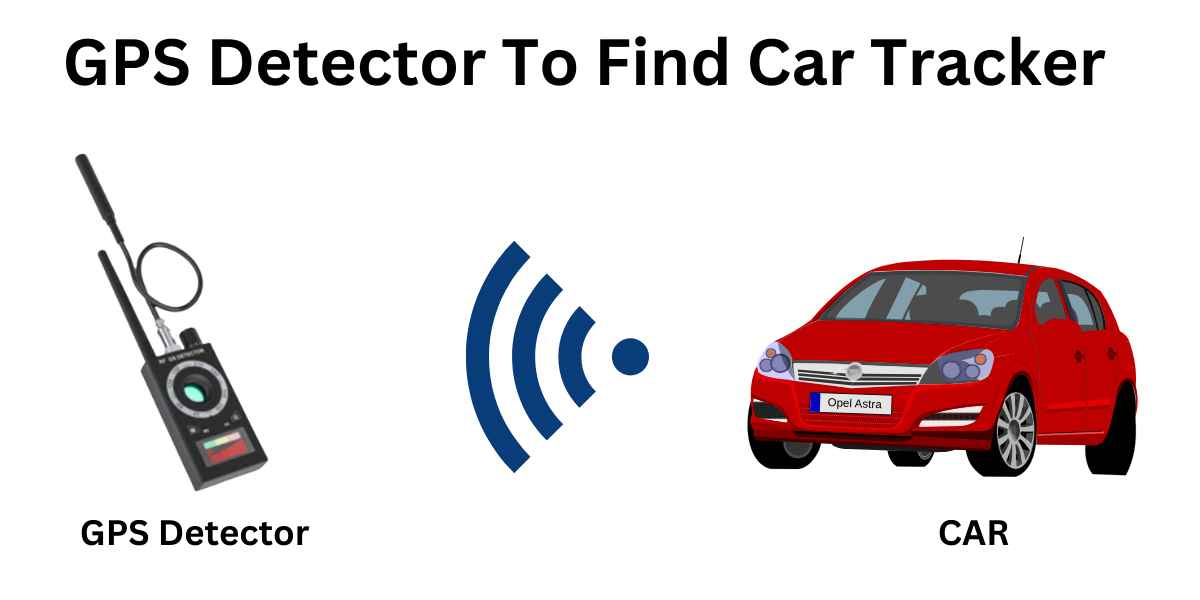
What about RF detectors? These devices can scan for radio frequencies emitted by active trackers. They range from simple, affordable gadgets to more complex professional equipment. If you're particularly concerned, or if your visual search yields nothing, an RF detector might be your next step. Think of it like a metal detector for invisible signals.

Cultural Connection:
The concept of being "tracked" has been a recurring theme in popular culture, from paranoid thrillers like "The Conversation" to modern-day cyber-espionage dramas. While our everyday reality is usually less dramatic, the underlying concern for privacy is very real.
When to Seek Professional Help
If you've gone through all these steps and are still feeling uneasy, or if you suspect a highly sophisticated tracking device, don't hesitate to contact a professional. Private investigators or specialized security firms have the tools and expertise to conduct a thorough sweep of your vehicle. They can often detect even the most cleverly concealed devices.
This isn't admitting defeat; it's about ensuring complete peace of mind. Think of it like getting a second opinion from a doctor – it's a responsible step when you're dealing with something important.
A Little Bit About Why They're There
It's also helpful to consider why someone might be tracking your car. This can sometimes offer clues as to where a tracker might be placed. Common reasons include:
- Asset tracking: If the car is leased or financed, the lender might place a tracker to monitor payments or recover the vehicle if it's stolen.
- Fleet management: Businesses often use trackers to monitor their company vehicles for efficiency and safety.
- Personal reasons: In some unfortunate situations, trackers can be used for surveillance by an estranged partner or for other intrusive purposes.
Knowing the potential context can sometimes guide your search. For example, if it’s a company car, the tracker might be more professionally installed and less obvious than a hastily placed device.
A Note on Legality:
It's important to remember that placing a tracker on someone's private vehicle without their consent is illegal in most jurisdictions. If you find a tracker and suspect it's been placed illegally, you should consider contacting law enforcement.
Putting it All Together: Your Calm, Collected Approach
Finding a tracker in your car doesn't have to be a stressful ordeal. Approach it with a sense of methodical curiosity, much like you'd approach assembling flat-pack furniture or deciphering a complex recipe. Start with the obvious, then move to the less obvious. Use your senses – sight, touch, and even hearing.
Remember, most trackers are designed to be found by their owners if they're looking. They aren't usually hidden with the sophistication of a spy thriller. A good flashlight, a bit of patience, and a willingness to get your hands a little dirty are your best tools.
And if, after all your efforts, you still feel that nagging doubt, remember that there are professionals who can help. Your peace of mind is worth it.
Daily Reflections: The Unseen Layers of Our Lives
It’s funny, isn't it? We spend so much time navigating the visible aspects of our lives – the traffic on our commute, the errands we run, the places we go. We rarely stop to consider the unseen layers, the potential for hidden elements, whether it's a physical tracker or something more abstract.
This car-tracking exercise, while specific, is a gentle reminder that being aware of our surroundings, and occasionally taking a moment for a deliberate inspection, can bring a sense of control and reassurance. It’s like tidying up your digital life by clearing out old files or checking your privacy settings – small acts that contribute to a larger sense of well-being.
In a world that often feels overwhelming with information and constant connectivity, the simple act of looking under your car seat or behind a panel can feel like a small but significant act of reclaiming your personal space. It’s a quiet assertion that while the world might be full of unseen forces, you have the power to shine a light on what matters most to you.