How To Do One Arm Push Ups
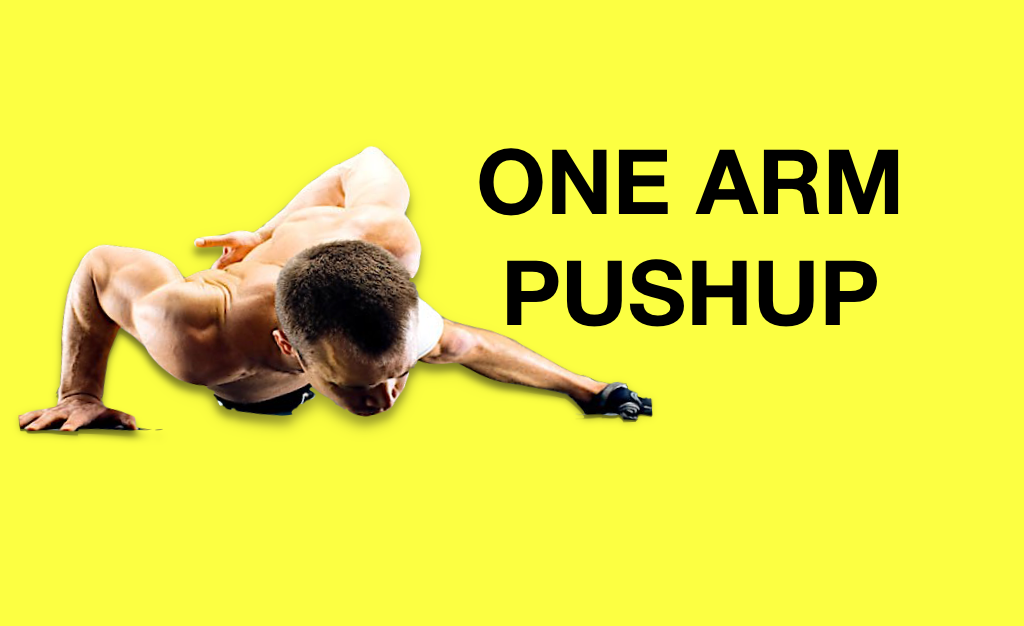
Ever seen those impossibly cool athletes doing a single-handed push-up, looking like they’re defying gravity? It’s the kind of move that makes you stop scrolling, pause that movie, and think, “Whoa, I wanna do THAT!” The one-arm push-up isn’t just a party trick; it’s a testament to incredible strength, balance, and dedication. And guess what? While it looks super advanced, it’s a totally achievable goal for anyone willing to put in the work. Think of it as unlocking a secret level of upper body power, a badge of honor for your fitness journey.
Why Conquer the One-Arm Push-Up?
Beyond the sheer awesomeness factor, mastering the one-arm push-up offers a treasure trove of benefits. Firstly, it's a phenomenal way to build serious unilateral strength. This means you're strengthening one side of your body at a time, which is crucial for correcting muscle imbalances and improving overall functional movement. Ever notice one shoulder feeling tighter or weaker than the other? The one-arm push-up directly tackles that!
It also skyrockets your core stability. To even get close to lifting your body with one arm, your core muscles – your abs, obliques, and lower back – have to work overtime to keep you from tilting and falling. This translates to better posture, reduced risk of back pain, and a more powerful foundation for all your other physical activities, from lifting groceries to swinging a tennis racket.
Must Read
Then there's the shoulder and arm strength explosion. We’re talking about targeting your pectorals (chest muscles), deltoids (shoulders), and triceps (back of the arms) in a way that standard push-ups just can't replicate. It's a more intense engagement, forcing those muscles to adapt and grow stronger. Plus, it’s a fantastic way to improve your proprioception – your body’s awareness of its position in space. Holding that precarious one-arm position hones your balance and control.
Finally, let’s not underestimate the mental toughness it builds. Progressing towards a one-arm push-up isn’t linear. There will be plateaus, frustrating moments, and days where you feel like you’re going backward. But pushing through those challenges, celebrating small victories, and staying consistent builds a resilience that spills over into other areas of your life. It’s a journey of proving to yourself what you’re capable of.
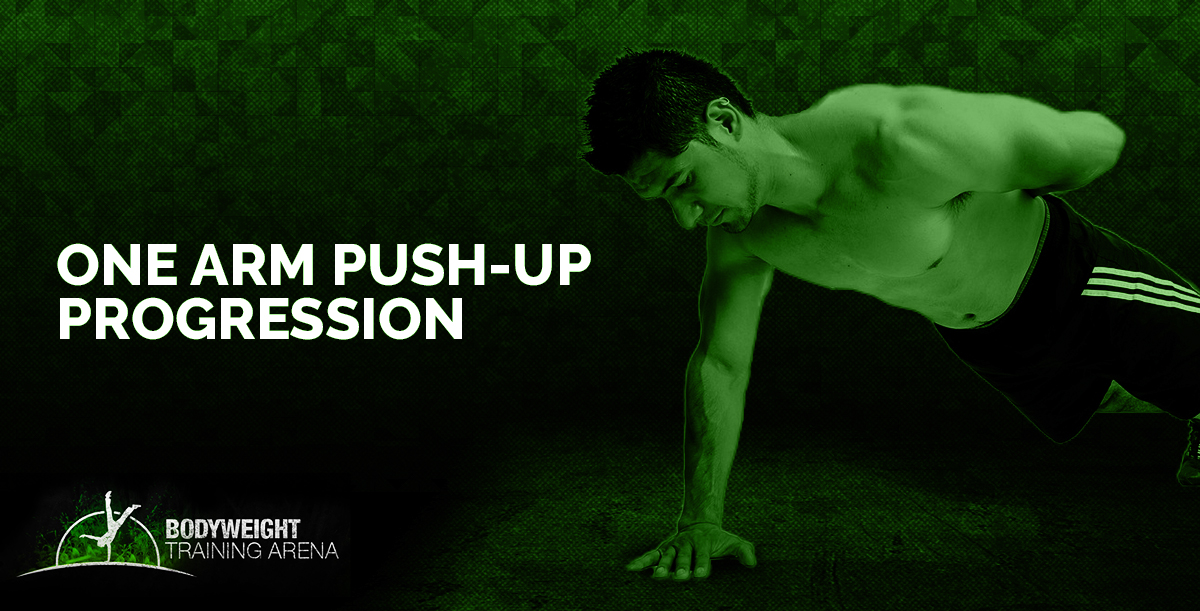
The Gradual Ascent: Building Towards the One-Arm Push-Up
So, how do you actually get there? The key is progressive overload, meaning you gradually increase the difficulty as you get stronger. Don't even think about jumping straight into a full one-arm push-up. That's a recipe for injury and disappointment. Instead, we build a solid foundation with preparatory exercises.
Start with your standard two-arm push-ups. Focus on perfect form: hands shoulder-width apart, body in a straight line from head to heels, lowering your chest towards the floor. Once you can do a good number of these with ease, it’s time to introduce the concept of shifting weight.
Next up are incline push-ups. Prop your hands on a stable elevated surface like a sturdy table, counter, or bench. The higher the surface, the easier it is. As you get stronger, gradually lower the incline. This helps you get used to supporting more of your body weight with your hands.

Now, let’s talk about the magic of assisted one-arm push-ups. There are a few ways to do this. One popular method is the archer push-up. Place your hands wider than usual, and as you lower down, shift your weight to one side, letting the opposite arm bend while the other arm extends out to the side. Think of it like you're drawing a bow.
Another fantastic assistant is using a resistance band. Loop a strong resistance band around your lower back and hold the ends with the arm you’ll be pushing up with. This band provides counter-resistance, making the movement easier initially and allowing you to focus on the motion. As you get stronger, switch to a lighter band or fewer repetitions with the current band.

You can also use a wall for support. Stand facing a wall, place one hand on it at shoulder height, and lean in, bending the elbow of that arm. Keep your body straight. This is a great way to isolate the pressing motion with one arm without the full bodyweight challenge.
As you become comfortable with these variations, start reducing the assistance. For example, with the archer push-up, try to bring your chest closer to your hand. With the resistance band, try to do more reps or use a less supportive band. The goal is to gradually decrease the external help and increase your own body's contribution.
The Final Frontier: Approaching the Full One-Arm Push-Up
When you feel your strength significantly increasing in your assisted variations, you might be ready to try the real deal. Start by practicing in a slightly elevated position, maybe with your feet on a small step or book. This reduces the range of motion slightly, making it less daunting. Focus on a controlled descent, feeling every muscle engage.
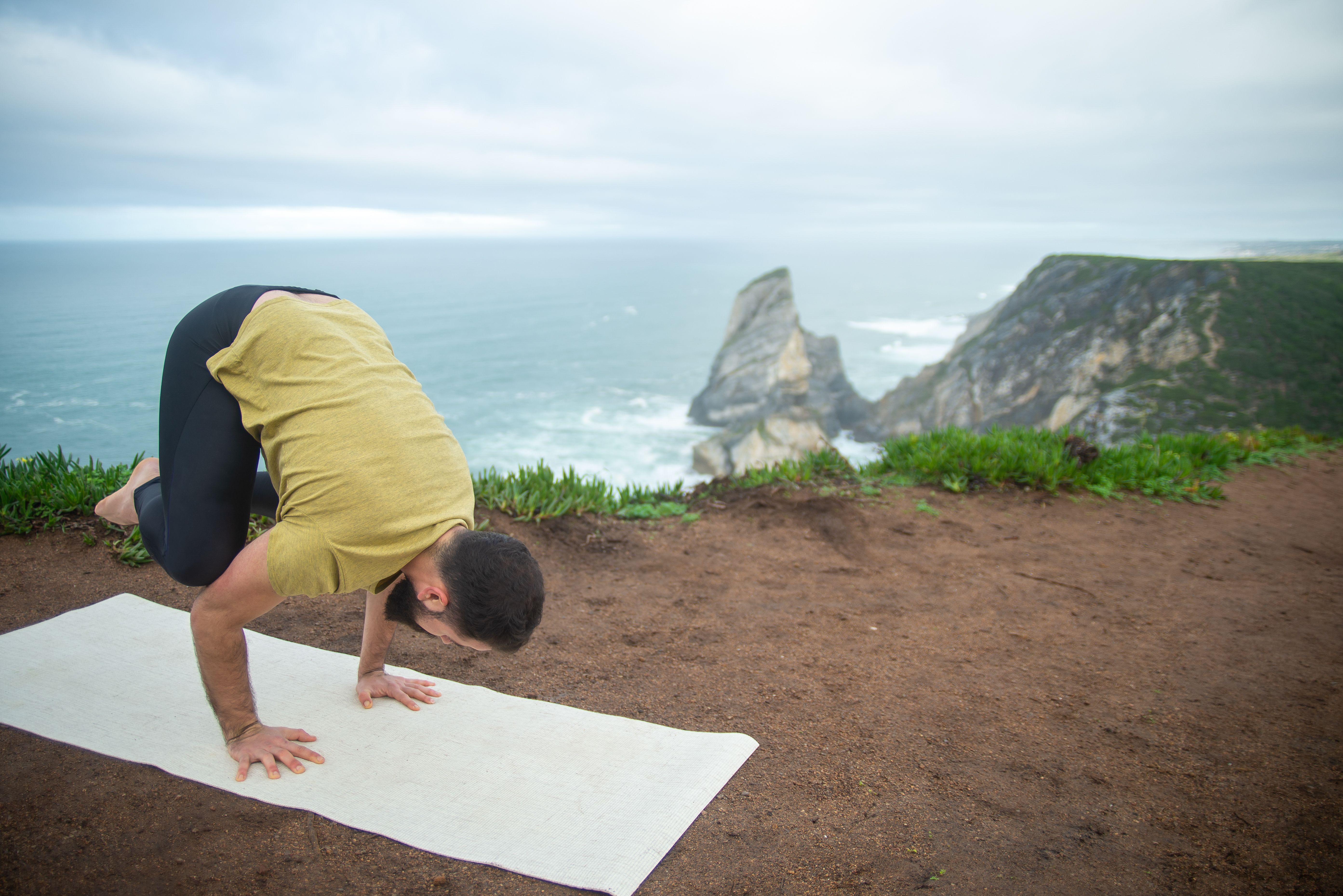
Negatives are your friend here. This means focusing on the lowering (eccentric) phase of the movement. Get into the one-arm push-up position, and then very slowly and controlled, lower yourself down as far as you can, even if it's just a few inches. Then, drop to your knees or use your other hand to assist you back up. Repeat this, focusing on the descent.
Consistency is paramount. Aim to practice these preparatory exercises several times a week, allowing for rest days in between. Listen to your body – pushing too hard, too soon can lead to injury. Celebrate every small improvement, like going a little lower in your archer push-up or holding the top position for an extra second.
The one-arm push-up is a journey, not a destination. Enjoy the process, embrace the challenge, and marvel at the incredible strength you're building along the way. You’ve got this!