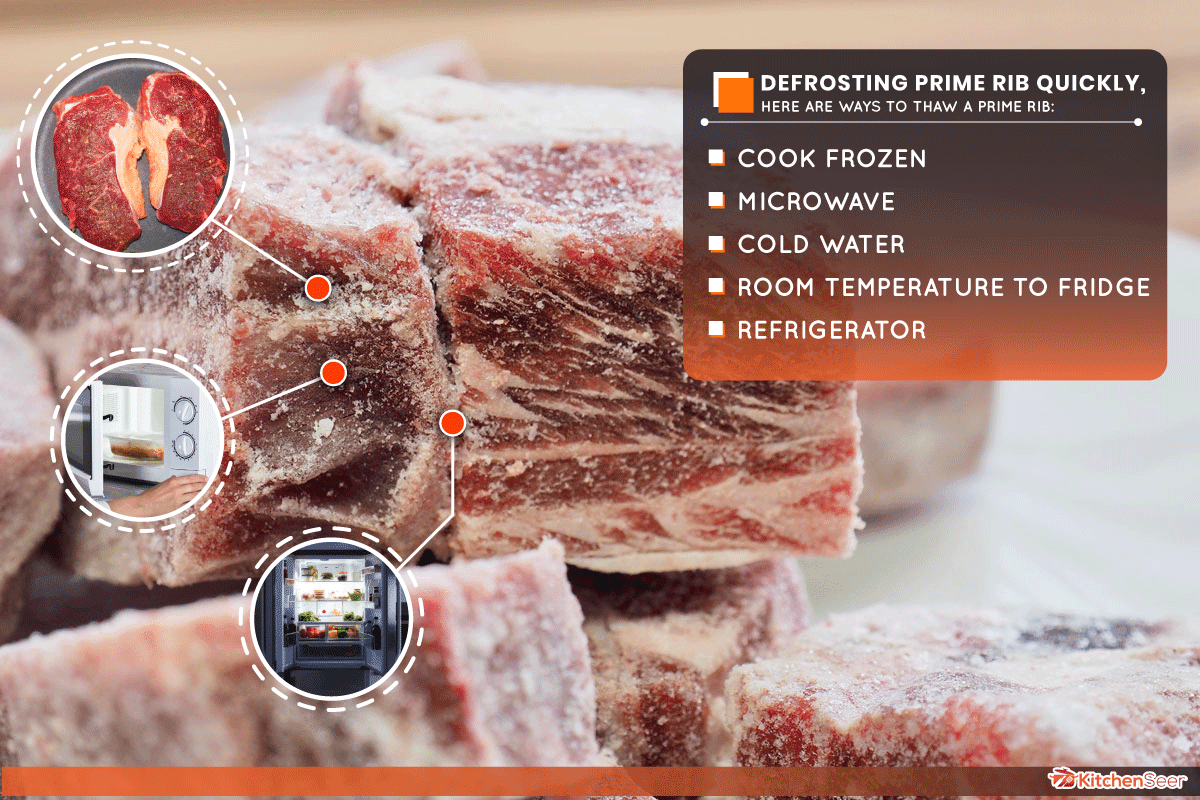
How To Defrost A Joint Of Beef

Alright, let's talk about something that might sound a bit… unglamorous, but trust me, it's a super handy skill to have in your kitchen arsenal: defrosting a joint of beef. Now, I know what you're thinking. "Defrosting? Isn't that just, like, leaving it on the counter?" Well, not quite! And if you've ever been halfway through your Sunday roast prep and realized that beautiful hunk of beef is still a solid block of ice, you know the panic I'm talking about.
Think of it like this: you're planning a cozy movie night. You've got the popcorn ready, the blankets are fluffed, and then you remember the main event – that delicious pizza you ordered – is still frozen solid on the doorstep. Suddenly, the cozy night feels a bit… chilly, right? Defrosting your beef is kind of the same, but instead of a sad pizza, it's a potentially tough and unevenly cooked roast. And nobody wants that!
Why Bother With Proper Defrosting?
So, why should you even care about the finer points of defrosting? Well, it all boils down to two main things: safety and quality. Let's break it down, no fancy culinary jargon here, promise.
Must Read
First up, safety. When meat sits at room temperature for too long, those little (and not-so-little) bacteria that are always hanging out in our environment start to have a party. And by "party," I mean they multiply like crazy. This can lead to food poisoning, and nobody, nobody, wants a Thanksgiving dinner ruined by a rogue E. coli. Keeping your beef cold while it thaws is like keeping those party-loving bacteria locked out of the VIP section.
Secondly, quality. Ever cooked a roast that was perfectly done on the outside but still icy in the middle? Or worse, dry and overcooked on the edges because you cranked up the heat to compensate? That's often a sign of improper thawing. When beef thaws evenly and safely, it cooks more predictably. This means you're much more likely to achieve that dreamy tender, juicy roast that makes everyone in the family oooh and aaah.
The Golden Rules of Beef Defrosting
Now that we're all on board with why this is important, let's get to the nitty-gritty. Forget leaving it on the counter like a forgotten houseplant. We're going for the safe and sensible methods. There are a few tried-and-true ways to do this, and they're all surprisingly easy.
Method 1: The Refrigerator – Your Beef's Best Friend
This is hands-down the safest and most recommended method. It's also the most hands-off. Imagine this: you're going about your day, running errands, binge-watching that new show, and your beef is just chilling (literally) in the fridge, patiently thawing. It’s the ultimate set-it-and-forget-it approach.
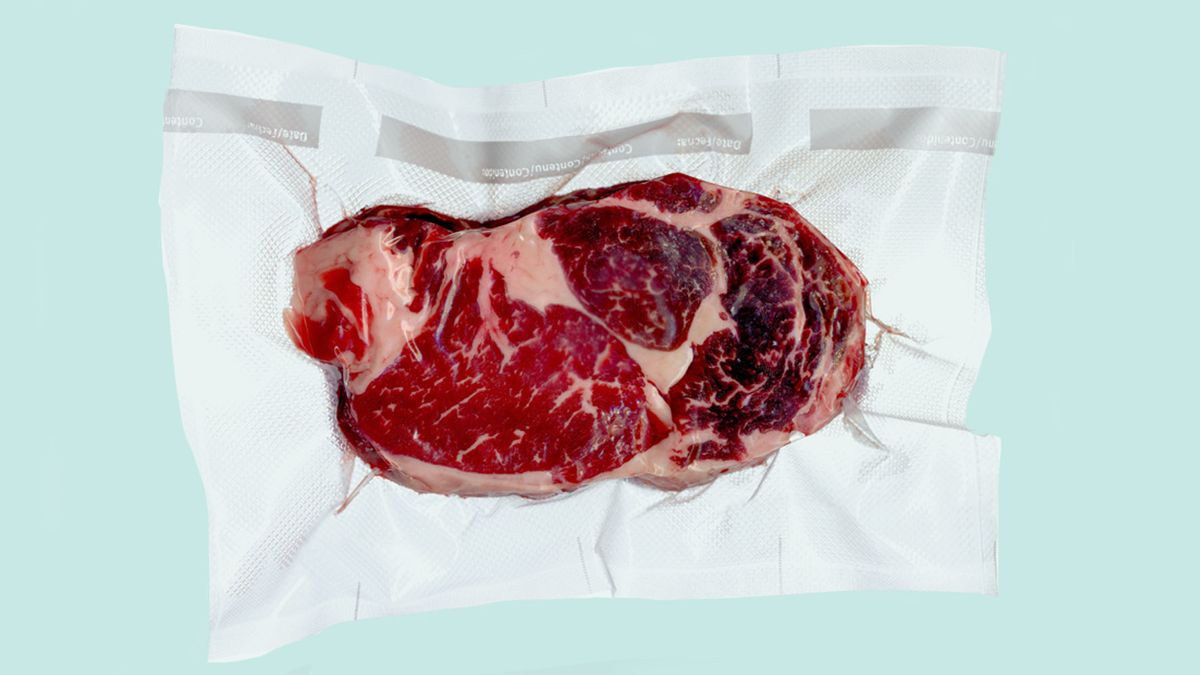
How it works: You simply take your frozen joint of beef, keep it in its packaging (or pop it in a leak-proof bag or container if the original packaging isn't secure), and place it on the bottom shelf of your refrigerator. Why the bottom shelf? Because if by some miracle any juices leak out, you don't want them dripping onto your cheese or, heaven forbid, your leftover birthday cake. Think of it as a protective barrier for your other delicious groceries.
The timeline: This method takes the longest, but good things come to those who wait, right? As a general rule of thumb, you'll want to allow about 24 hours for every 5 pounds (approximately 2.2 kg) of beef. So, if you have a 3-pound roast, you'll likely need at least a full day. A 5-pounder? You're looking at a good 24-36 hours. It’s like planning for a long-haul flight – better to give yourself plenty of time.
The upside: It's incredibly safe, requires zero effort once it's in the fridge, and the beef will be perfectly thawed and ready to go when you need it. It also doesn't drastically change the texture of the meat.
The downside: You need to be a bit of a planner. This isn't a last-minute solution. If you forget to take the beef out the day before, well, you might be ordering pizza after all!

Method 2: The Cold Water Bath – For When You're In a Pinch
Okay, so you’re a bit of a culinary whirlwind, and the fridge method feels like a marathon you haven't trained for. No worries! The cold water bath is your speedy hero. This is perfect for when you need that roast a little sooner, but still want to keep things safe and sound.
How it works: You’ll need a large, leak-proof plastic bag. Make sure there are no holes! If your beef is already in a good quality, sealed packaging, you can often use that, but doubling up is always a good idea for peace of mind. Once your beef is securely bagged, submerge it completely in a large bowl or sink filled with cold tap water. Crucially, the water must be cold. Think refrigerator cold, not chilly room temperature.
The timeline: This method is significantly faster. You can expect about 1 hour per pound (approximately 0.45 kg). So, a 3-pound joint might be thawed in about 3 hours. The key here is to change the water every 30 minutes. This ensures the water stays cold and continues to effectively draw the heat out of the beef, preventing bacteria from having a field day.
The upside: It's much quicker than the fridge method, making it a great option for a slightly more spontaneous roast. It’s still quite safe if done correctly.
The downside: It requires a bit more attention. You have to remember to change the water, and it’s not as entirely hands-off as the fridge. Also, once thawed this way, it’s generally recommended to cook the beef immediately.
Method 3: The Microwave – The "Oh Crap, I Forgot!" Option
Look, we’ve all been there. You’re staring at a frozen beef joint with a rapidly approaching dinner time, and the fridge method is out, the cold water bath is a distant dream. The microwave is your last resort. It’s like that emergency parachute you hope you never have to use, but it’s there if you need it.
How it works: This is a job for your microwave's defrost setting. Remove the beef from any packaging that isn't microwave-safe. Place it on a microwave-safe plate or dish. You'll typically enter the weight of the meat and let the microwave work its magic. You might need to turn the beef over a few times during the process to ensure even thawing. Follow your microwave’s instructions carefully.
The timeline: This is the fastest method, often taking only minutes per pound. However, it’s also the one that can be the trickiest to get right.

The upside: It's incredibly fast. Perfect for those desperate situations.
The downside: This method can sometimes start to cook the edges of the beef, making it unevenly textured. It’s also crucial that you cook the beef immediately after microwaving. This method is the least ideal for quality, so use it only when absolutely necessary.
A Little Extra Love for Your Thawed Beef
Once your beef is nicely thawed, regardless of the method, give it a quick pat dry with some paper towels. This helps to get a better sear when you’re cooking it, which means a more flavorful crust. Think of it as giving your beef a little spa treatment before its final transformation!
So there you have it! Defrosting a joint of beef doesn't have to be a mystery. With a little planning (or a little quick thinking), you can ensure your roast is not only safe but also tender, juicy, and downright delicious. Happy cooking!