
How To Cook A Thick Rump Steak

Alright, so you’ve got yourself a chunky, beautiful rump steak. Nice choice, my friend! Rump’s got this awesome beefy flavor, and when you get a thick one, it’s like a little culinary adventure waiting to happen. Forget those sad, thin excuses for steak that cook in two seconds. We’re talking about something you can really sink your teeth into, you know?
And hey, don’t sweat it if you’re not a seasoned pro. Cooking a thick rump steak is totally doable. It’s more about a little patience and knowing a few key things. Think of me as your steak whisperer, guiding you through this delicious journey. Grab a cuppa, get comfy, and let’s dive in. We’re gonna make that rump steak sing!
Prep Like a Pro (It’s Easier Than You Think!)
First things first, let’s talk prep. This is where the magic really begins, believe it or not. You wouldn’t just shove a raw potato in the oven, would you? Same goes for your magnificent rump steak. We gotta treat it with a little respect.
Must Read
So, the steak. Is it straight outta the fridge? If so, we need to let it chill out for a bit. Let it come to room temperature. Honestly, this is a biggie. If you cook a cold steak, the outside will be all done and dry while the inside is still, like, icy. Not the vibe we’re going for. Aim for at least 30 minutes, maybe even an hour if it’s a really thick beast. You’ll thank me later, I promise.
Now, what about seasoning? This is your chance to personalize your steak. Are you a salt-and-pepper purist? Or do you like to get a little fancy? For a good rump, generous amounts of salt and freshly cracked black pepper are your best friends. Don’t be shy! Seriously, get in there and season it all over. Think about all those nooks and crannies. We want flavor everywhere, not just on the surface.
What if you’re feeling a bit more adventurous? Garlic powder, onion powder, a pinch of paprika, maybe even some dried herbs like rosemary or thyme. Just go easy. You don’t want to overpower that beautiful beefy taste. A little goes a long way, especially with a good quality steak.
And that little bit of fat on the edge? Don’t trim it all off! That fat is pure flavor. It renders down as it cooks, basting the steak and keeping it moist. Just a quick trim to get rid of any really tough, silvery bits is all you need. Leave the good stuff!

The Pan is Your Playground
Okay, prep done. Steak is looking and smelling amazing. Now, the cooking. For a thick rump steak, a good old-fashioned cast-iron skillet is your absolute best friend. Why cast iron, you ask? Because it gets seriously hot and holds that heat like a champ. That’s what we need for a good sear. If you don’t have one, a heavy-bottomed stainless steel pan will do the trick, but cast iron is king here.
Get that pan on the stove over medium-high to high heat. We’re not messing around here. We want that pan screaming hot. And what are we cooking it in? Oil, of course. But not just any oil. You need an oil with a high smoke point. Think canola, grapeseed, or even a good quality vegetable oil. Olive oil? Nah, too low a smoke point, it’ll just burn and make your kitchen smell like a bonfire. We want a sizzle, not a smoke alarm symphony.
How much oil? Just enough to coat the bottom of the pan. You don’t want it swimming, but you need a good layer for that sear. Let that oil heat up until it’s shimmering. You might even see a little wisp of smoke. That’s your cue. Carefully place your seasoned steak into the hot pan.
And then… you wait. Resist the urge to move it. I know, it’s tempting. You want to see if it’s searing. But trust the process! Let it sear undisturbed for a good few minutes. This is where you get that gorgeous, crispy, brown crust. That crust? That’s flavor, my friend. That’s the Maillard reaction doing its delicious thing.
Searing and Flipping: The Dance of Deliciousness
So, how long do you leave it? For a thick rump steak, aiming for a medium-rare to medium finish, you’re probably looking at 3-5 minutes per side for the initial sear. This will vary depending on the thickness of your steak and how hot your pan is. You’ll know it’s time to flip when you can see that beautiful crust forming and the steak is releasing easily from the pan. If it’s sticking, give it another minute. Patience, grasshopper!

When you flip it, you’ll see that gorgeous brown color. Marvel at your handiwork. Now, sear the other side for the same amount of time. Again, don’t mess with it. Let it do its thing.
But wait, there’s more! Thick steaks aren’t just about searing the flat sides. We want to cook those edges too! This is where you can get a little creative with your pan. Use tongs to hold the steak on its sides, searing each edge for about 30 seconds to a minute. This ensures even cooking and a beautiful overall finish. Think of it as giving your steak a little tan all over.
Now, for the really important part: basting. This is optional, but highly recommended for extra flavor and moisture. Once you’ve seared both sides and the edges, you can add a knob of butter to the pan, along with some aromatics like crushed garlic cloves or a sprig of rosemary or thyme. Tilt the pan slightly and, using a spoon, continuously spoon that melted, herby butter over the steak. This is pure alchemy. It adds incredible flavor and helps cook the steak gently.
Mastering the Internal Temperature: The Secret to Perfection
This is where things get serious. If you want to nail your desired doneness, you need a meat thermometer. Don't guess. Don’t poke it repeatedly like it owes you money. Get yourself a good instant-read thermometer. It’s the best investment you’ll make for your steak-cooking journey. Trust me on this one.

For a thick rump steak, here’s a little cheat sheet for internal temperatures. Remember, the temperature will rise a few degrees as it rests (this is called carryover cooking, fancy, right?). So, pull the steak from the pan a few degrees *before it hits your target.
Target Temperatures (Pull Temperature):
- Rare: 120-125°F (49-52°C) - Super red, practically still mooing. For the brave!
- Medium-Rare: 130-135°F (54-57°C) - This is where I live. Pink center, juicy and tender. Perfection!
- Medium: 135-140°F (57-60°C) - A nice rosy pink. Still moist and flavorful.
- Medium-Well: 145-150°F (63-66°C) - Getting less pink, more brown. Still okay, but we’re venturing into drier territory.
- Well-Done: 155°F+ (68°C+) - Oh, bless your heart. This is where it gets tough. We don’t talk about this steak.
So, you’ll be checking that temperature by inserting the thermometer into the thickest part of the steak, avoiding any bones or fat pockets. When it hits your desired pull temperature, it’s time to get it out of the pan.
The Crucial Rest: Don’t Skip This Step!
This is arguably the most important step, and yet, so many people skip it. Why? Because they’re eager to eat, I get it. But listen to your old pal here. Let your steak rest. Seriously. It’s non-negotiable.
When you take the steak out of the pan, place it on a clean cutting board or a plate. You can loosely tent it with foil if you like, but don't wrap it tightly, or it’ll steam. Now, let it sit there. How long? For a thick steak, you’re looking at a minimum of 5-10 minutes. Longer is even better if you can manage the anticipation.
What’s happening during this rest? All those juices that have been pushed to the center during cooking are now redistributing themselves throughout the steak. If you cut into it too soon, all those delicious juices will just run out onto your plate, leaving you with a dry steak. Sad trombone. But if you let it rest, those juices will reabsorb, making your steak incredibly tender and moist. It’s like a little spa day for your steak.
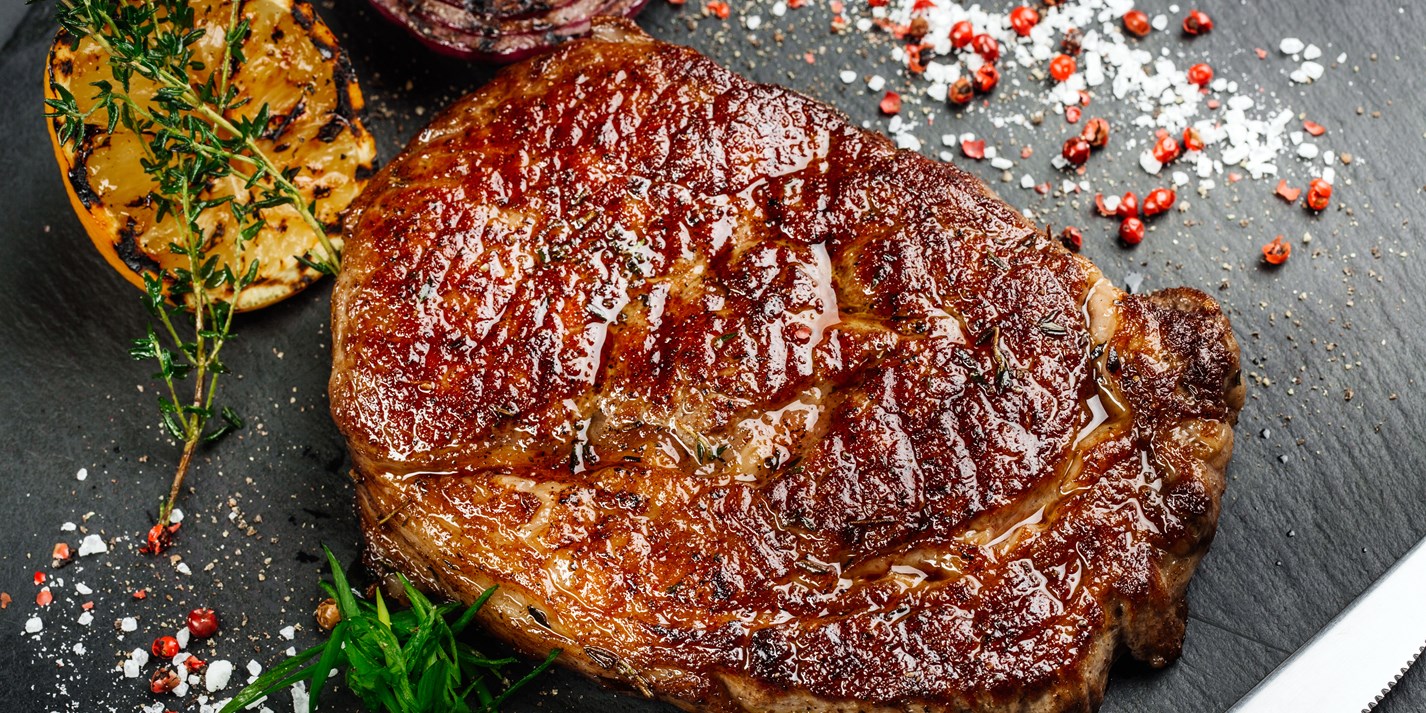
While it’s resting, you can make a quick pan sauce if you’re feeling fancy, or just admire your handiwork. It’s a moment of quiet contemplation before the glorious feast.
Slicing and Serving: The Grand Finale
After its well-deserved rest, it’s time to slice. And here’s another little trick: slice against the grain. Look at your steak. You’ll see lines running through it. That’s the muscle fibers, the grain. If you slice with the grain, you’re basically creating long, tough strands. If you slice against it, you’re cutting those fibers short, making the steak much more tender and easier to chew. It’s a game-changer!
Use a sharp knife. A dull knife will mangle your beautiful steak. We want clean slices. You can slice it to your desired thickness, whether that’s thick, satisfying wedges or thinner strips for sharing. And there you have it!
Serve it up with your favorite sides. Roasted veggies? A big ol’ salad? Some crispy fries? Whatever floats your boat. That perfectly cooked, juicy, flavorful rump steak is ready to be devoured. You did it! You absolute legend.
So next time you see a thick rump steak at the butcher, don’t hesitate. Grab it, follow these simple steps, and prepare to be amazed. It’s not about fancy techniques; it’s about respecting the ingredients and giving them the attention they deserve. Happy cooking, my friend!

