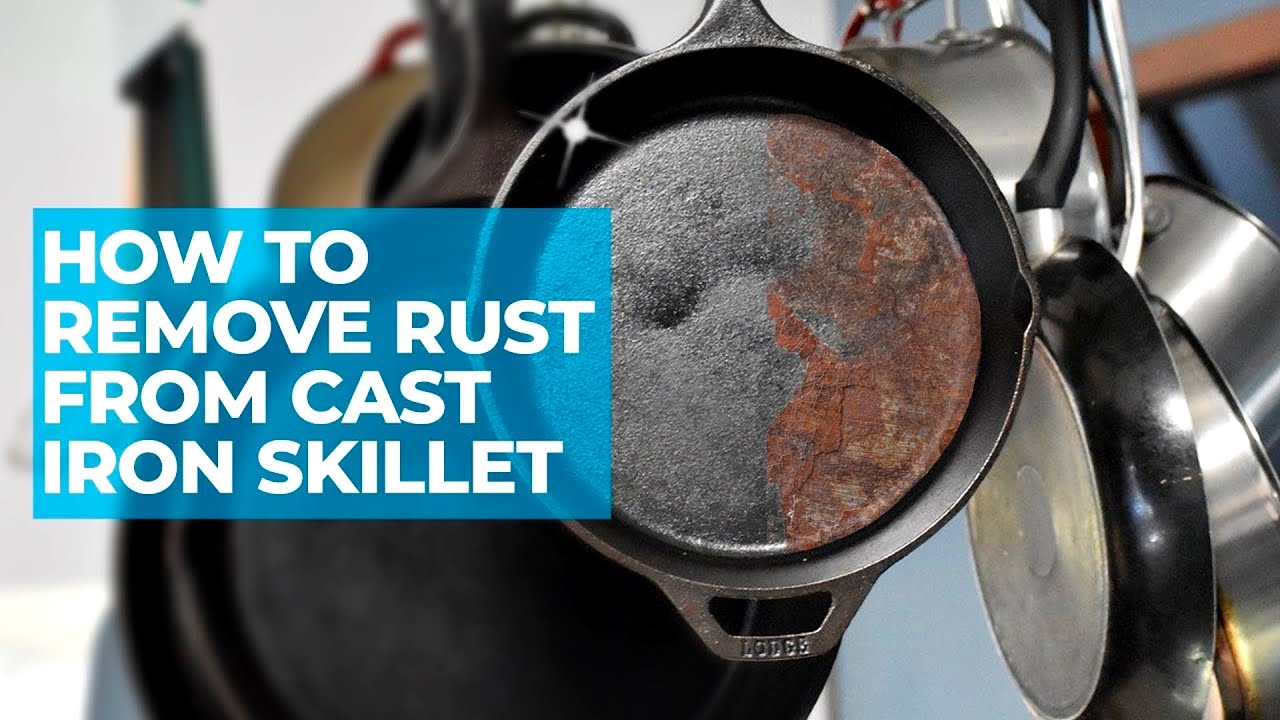
How To Clean Rust Off Cast Iron
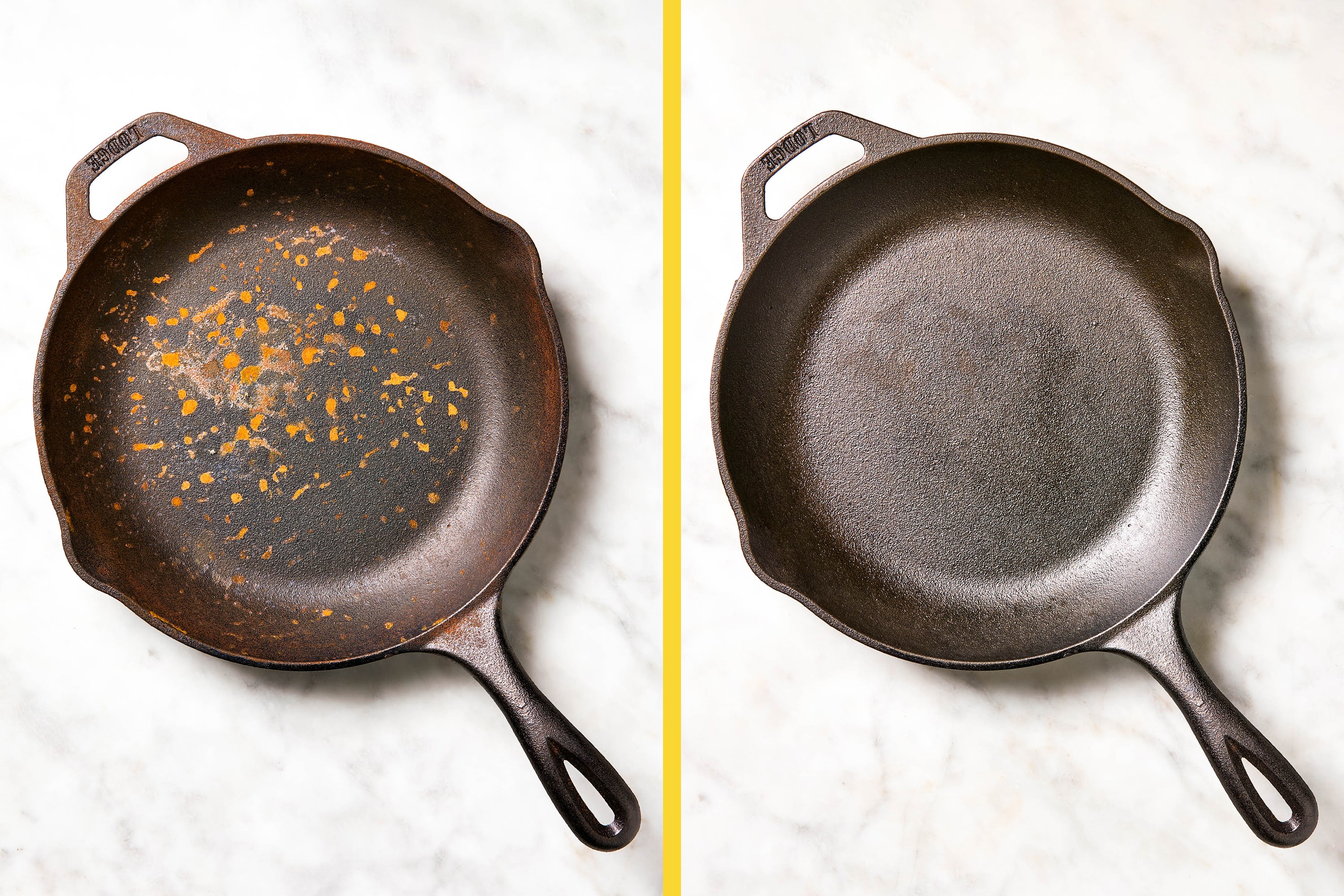
Oh, cast iron! It’s the stuff of kitchen legends, isn’t it? You know, those heavy, dark pans that seem to have a story to tell with every scorch mark and seasoned inch. They’re not just cookware; they’re heirlooms. And sometimes, like any good old friend, they get a little… rough around the edges. We’re talking about rust, that unwelcome visitor that can creep onto your beloved skillet. But fear not, fellow food lovers, because tackling rust on cast iron is actually way more satisfying and even a little bit fun!
Think of it like giving your favorite old bike a much-needed makeover. It’s a bit of a project, sure, but the end result is so rewarding. You bring something back to life, ready to create more delicious memories. And that’s the magic of cast iron – it’s so forgiving, so resilient. A little bit of effort, and you’ve got your star player back in action.
So, you’ve spotted that orangey-brown unwelcome guest on your skillet. Don’t panic! This isn’t a sign that your cast iron is destined for the scrap heap. Not at all! In fact, it’s an opportunity to connect with your pan on a deeper level, to understand its needs and respond with some good old-fashioned TLC.
Must Read
The process itself is surprisingly simple, and that’s part of its charm. There’s no need for fancy gadgets or complicated chemicals. We’re talking about everyday items you probably already have lurking in your pantry or under your sink. It’s like a culinary scavenger hunt, but the prize is a perfectly restored pan.
Let’s get down to it, shall we? The most common hero in the fight against rust is none other than good old vinegar. Yes, that tangy stuff you might use for salad dressing! It’s a surprisingly potent rust-buster. Imagine it: your trusty pan soaking in a mild bath, and the rust just… giving up. It’s like magic happening right before your eyes.
You’ll want to grab a bit of white vinegar. The key here is to mix it with water. Think of it as a gentle, yet effective, cleaning solution. A 50/50 ratio is usually a good starting point. You don’t want to drown your pan in pure vinegar, as that might be a bit too harsh. We’re aiming for a friendly soak, not a vinegar spa.

Now, find a container big enough to hold your cast iron pan and the vinegar-water solution. An old plastic tub or even your sink can work wonders. Submerge your rusty pan completely. Make sure every inch of that stubborn rust is covered. This is where the patient waiting game begins.
This soaking period is crucial. You can’t rush greatness, right? Let it sit for about 30 minutes to an hour. During this time, the acid in the vinegar gets to work, loosening the rust's grip. You might even see some of the rust start to dissolve on its own. How cool is that? It’s like your pan is shedding its old skin to reveal its shiny, healthy self underneath.
Once the soaking time is up, it’s time for some elbow grease! Grab a stiff brush. A nylon brush is ideal, but even a well-worn toothbrush can be surprisingly effective for those nooks and crannies. You could also use a piece of steel wool, but be a little gentler with that. We’re scrubbing away the rust, not trying to polish a diamond with sandpaper.
Scrub all the rusty areas with enthusiasm. You’ll start to see the rust disappear, revealing the dark, smooth cast iron beneath. It’s a truly satisfying transformation. Each scrub brings you closer to that perfectly seasoned state. Imagine the satisfaction of seeing that dull, rusty surface become clean and ready for its next culinary adventure.

After you’ve scrubbed away all the visible rust, rinse your pan thoroughly with warm water. Make sure all the vinegar solution and rust particles are gone. You don’t want any lingering vinegar taste in your next delicious meal! Give it a good swish and swirl.
Now comes a super important step: drying. Cast iron and water are not long-term best friends after a cleaning. You need to dry it immediately and completely. Don’t just let it air dry. Grab a clean towel and give it a good buff until it's bone dry. Seriously, no water droplets should be visible.
For extra insurance against any sneaky moisture, you can even pop your dry pan on a low heat on the stovetop for a few minutes. This ensures any lingering dampness evaporates. It’s like giving it a quick warm hug to make sure it’s perfectly ready for its next phase. This step is often overlooked, but it's a game-changer.
Once your pan is completely dry, it’s time for the most enjoyable part: re-seasoning! This is what gives your cast iron its non-stick superpowers and its beautiful dark color. It’s the crowning glory of rust removal. This is where the magic truly happens.

You’ll need some cooking oil for this. A neutral oil like vegetable oil, canola oil, or even flaxseed oil works beautifully. Flaxseed oil is often considered the gold standard for seasoning, but any of these will do the job splendidly. It’s all about creating that protective layer.
Apply a very thin layer of oil all over the pan, inside and out. Wipe off any excess oil with a clean cloth. You want a barely-there sheen, not a greasy mess. Too much oil can lead to a sticky, uneven seasoning. It’s all about the delicate balance.
Now, head to your oven. Preheat it to a high temperature, usually around 400-450°F (200-230°C). Place your oiled pan upside down on the top rack. This prevents any excess oil from pooling. Put a baking sheet on the rack below to catch any drips, though if you’ve applied the oil thinly, there shouldn’t be many.
Let the pan bake for about an hour. This high heat polymerizes the oil, creating that hard, protective, non-stick layer. It’s a beautiful transformation happening inside your oven. You’re essentially baking on a new, improved surface! The smell might be a little… oily, but it’s the smell of progress.

After an hour, turn off the oven and let the pan cool down completely inside the oven. This slow cooling process is important for the seasoning to set properly. Resist the urge to peek! Patience is a virtue, especially when it comes to cast iron.
You might need to repeat the seasoning process a few times to build up a really robust, non-stick surface. The more you use and season your cast iron, the better it gets. It’s a journey, not a destination! Each round of seasoning makes it even more formidable and lovable.
And there you have it! Your cast iron pan, free from rust and ready for action. It’s a testament to your care and a promise of countless delicious meals to come. It’s like a phoenix rising from the ashes, or rather, a skillet rising from the rust.
Cleaning rust off cast iron is more than just a chore; it's a bonding experience. It's about understanding the history and the potential of your cookware. It’s about bringing something old and cherished back to its full glory. So, next time you see a hint of rust, don’t despair. Embrace it as an opportunity to connect with your cast iron, to restore its shine, and to ensure it continues to be a star in your kitchen for generations to come. Happy cooking!