
How To Check If Rolex Is Real

So, you’re eyeing a shiny Rolex. Or maybe someone’s trying to pawn off a "bargain" on you. Let’s talk about the elephant in the room: fakes. It's a whole world out there, a little bit like a treasure hunt, but with more… ticking. And honestly, it’s kind of fun to know the secrets, even if you’re just chilling with your own genuine piece.
Why is this even a thing? Because Rolex is, well, Rolex. They’re the kings of luxury watches. The ultimate status symbol. And where there’s high demand, there’s always someone trying to sneak in the back door with a cheap imitation. It’s like the fashion industry, but with tiny gears and way more pressure. So, let's dive into the wonderful, wacky world of Rolex authenticity. Think of this as your casual guide to spotting a poser.
The Obvious Stuff (Sometimes!)
First things first, let's start with the super simple stuff. The things a scammer might overlook. Or, you know, the things that scream "I'm a fake!" louder than a toddler at a library.
Must Read
Price Tag Panic
This is the big one. If a deal seems too good to be true, it almost certainly is. A brand new Rolex can set you back thousands, tens of thousands, sometimes even hundreds of thousands. If someone’s offering you a Submariner for $500? Run. Just… run away. Unless it's made of chocolate, then maybe you should eat it quickly.
Think about it. These are meticulously crafted machines. They use precious metals, insane levels of engineering, and the name has been built for decades. That doesn't come cheap. So, if the price is ridiculous, the watch is ridiculous (in a bad way).
The Feel Factor
Real Rolexes have a certain… heft. They feel substantial. Solid. Not like a cheap tin toy. Pick one up. Feel the weight. A fake might feel lighter, or unbalanced. It’s like comparing a brick to a balloon. Sure, they're both objects, but you know which one is going to last.
And the materials? Real Rolexes use high-grade stainless steel, gold, platinum. They’re smooth, polished, and perfectly finished. A fake might have rough edges, uneven polishing, or feel like it was made in a bathtub. Don't be afraid to touch it (if it's yours, or you have permission, obviously!).
Getting Down to the Nitty-Gritty (The Fun Bits!)
Okay, so you've got the watch in your hand. Now, let's get a little more forensic. These are the details that separate the real deal from the dodgy. And trust me, Rolex designers are perfectionists. They obsess over the tiny things.
The Cyclops Lens: A Magnifying Glass of Truth
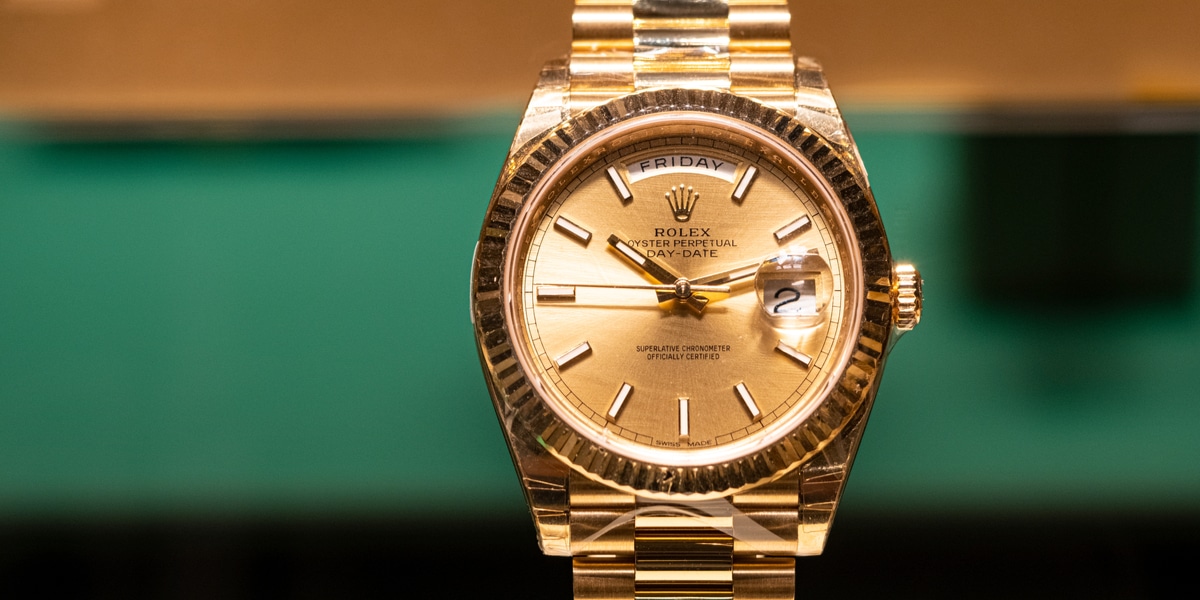
This is the iconic cyclops lens over the date window on many Rolex models. It's supposed to magnify the date by 2.5 times. Real ones are crystal clear and perfectly centered. Fakes? They might be blurry, off-kilter, or not magnify the date enough (or too much!). Sometimes they're even the wrong color!
Imagine trying to read a tiny, blurry newspaper through a dirty window. That’s what a bad cyclops feels like. A genuine Rolex cyclops is like looking through a pristine, super-powered magnifying glass. You can practically count the individual pixels on the date.
The Smooth Sweep: A Silent Symphony
This is one of my favorite quirks. Most genuine Rolex watches have a second hand that sweeps smoothly around the dial. No jumping, no stuttering. It’s like a liquid movement. It’s powered by that insane mechanical movement inside, a little masterpiece of tiny springs and gears.

Fakes? Often, they have a second hand that ticks once per second. Like a cheap quartz watch. It’s a dead giveaway. Listen closely. Can you hear a subtle hum? That’s the sound of pure horological genius. Can you hear a distinct "tick-tock-tick-tock"? You might be holding a pretender.
The Engravings: Tiny Works of Art
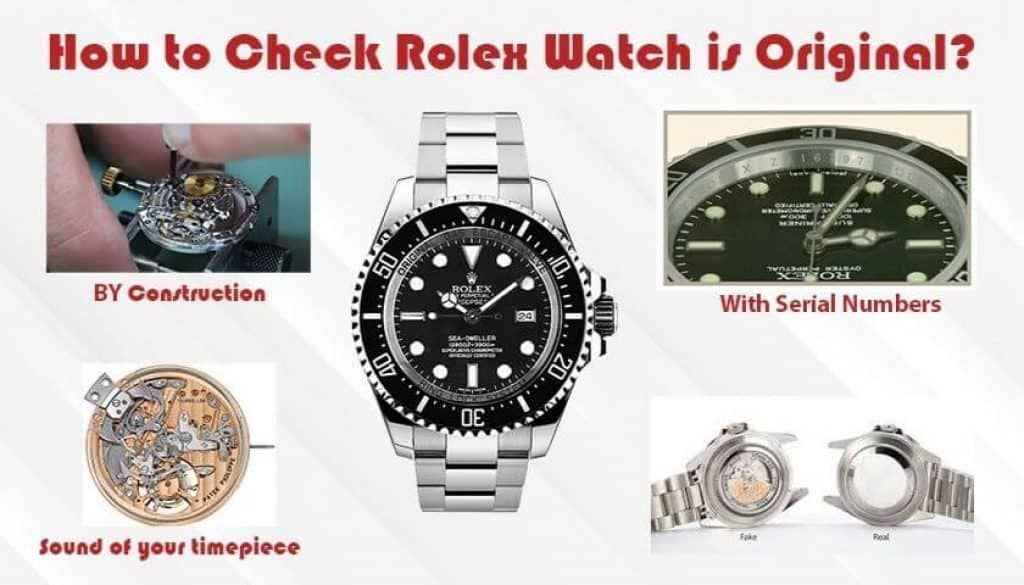
Rolex engravings are sharp. They’re precise. Whether it’s on the case back, the rehaut (the inner bezel ring), or the clasp, the lettering should be crisp and deep. Look for consistency and clarity.
A fake might have shallow, uneven, or even blurry engravings. Sometimes they’re just… off. Like someone tried to copy it by hand with a blunt crayon. You should be able to read them easily, and they should feel etched, not just printed on.
The Little Quirks That Matter
We're getting into the nitty-gritty now. These are the details that even some high-quality fakes struggle to replicate perfectly. They're the little "Easter eggs" of Rolex authenticity.
The Crown Emblem: A Tiny Icon
The Rolex crown logo is iconic. On a real Rolex, the crown on the dial, the winding crown, and any engravings of the crown should be perfectly formed, symmetrical, and have defined points. It’s a miniature sculpture.
Fakes often get the crown wrong. It might be a bit lopsided, blobby, or have poorly defined edges. It’s like comparing a perfectly sculpted bust of Caesar to a potato with some googly eyes stuck on it. You know which one is the real deal.
The Rehaut Engraving: The Inner Circle of Trust
Many modern Rolexes have an engraving on the rehaut, usually the Rolex name. This is a very precise laser engraving. It should be perfectly aligned with the minute markers. It's a subtle detail, but important.
On a fake, this engraving might be misaligned, uneven, or even just a printed-on effect. It’s a detail that requires a lot of precision to get right, and that’s where fakers often slip up.
The Lume: Glowing in the Dark (Responsibly!)
Rolex uses high-quality luminous material (like Chromalight) on its hands and markers. It should glow brightly and evenly in the dark. The glow should be consistent and last for a decent amount of time.
Cheap fakes might have weak, patchy lume, or it might fade very quickly. Sometimes the color of the lume is wrong too. A real Rolex’s lume is like a dependable flashlight in the dark. A fake’s lume is like a dying glow stick that's been left in the sun.
When in Doubt, Ask the Experts!
Let's be honest. We're not all Rolex watchmakers. If you're unsure, the best thing you can do is take it to a reputable watch dealer or a certified Rolex service center. They have the tools and the knowledge to tell you definitively if it's real.
Think of it like going to a doctor if you're not feeling well. They have the expertise to diagnose the problem. They can open it up, examine the movement, and give you the final verdict. It’s the safest bet, especially if you’re dropping a serious amount of cash.
So, there you have it. A little peek into the fascinating (and sometimes slightly terrifying) world of spotting a fake Rolex. It's all about attention to detail. And hey, even if you never own one, it's kind of fun to be able to spot the difference, right? It’s like being a secret agent, but with more wrist bling. Now go forth and be an informed watch enthusiast!

