How To Care For An Olive Tree

Ever dreamt of bringing a little slice of the Mediterranean to your backyard? Or maybe you’ve just seen those gorgeous, gnarled olive trees and thought, "Wow, I want one of those!" Well, guess what? Caring for an olive tree is totally doable and, dare I say, incredibly rewarding. It’s like adopting a tiny, ancient philosopher who just happens to produce delicious snacks. How cool is that?
Think of it: a living connection to centuries of history, sun-drenched landscapes, and the promise of your very own olives. Plus, they’re surprisingly resilient. They’ve been around forever for a reason, right? So, let’s ditch the intimidation factor and dive into the wonderfully simple (and let's be honest, pretty fun) world of olive tree care. You might just find yourself utterly charmed.
Sunshine is Their Love Language
First things first: sunshine. Olive trees are basically sun-worshippers. They crave it. If you have a spot in your garden or on your patio that gets at least six to eight hours of direct sunlight a day, that’s your prime real estate. Think south-facing walls, open lawns, or even a sunny balcony. If your tree is stuck in a shady corner, it’ll be a bit like us trying to thrive on a diet of only crackers – not ideal!
Must Read
For those of you in cooler climates, don't despair! You can absolutely grow olive trees in pots. This means you can chase the sun with them, moving them to the sunniest spots as the seasons change. Imagine being able to provide your little olive buddy with the perfect sunbath – it’s a level of pampering we could all aspire to, right?
The Right Soil: Not Too Fancy, Just Right
Olive trees aren't fussy eaters when it comes to soil, but they do have a preference. They like it to be well-draining. This is super important! They hate sitting in soggy feet. If water can’t escape, the roots can rot, and that’s a fast track to unhappiness for your tree. So, if you have heavy clay soil, consider amending it with some sand or grit, or opt for a raised bed. For potted trees, a good quality potting mix that drains well is your best bet.
You don't need to go overboard with expensive, specialized soils. Just think of it as providing a comfy, airy bed for those roots to stretch out in. Easy peasy!

Watering: The Art of Not Drowning (or Drying Out!)
Now, let's talk water. This is where many people get a little nervous, but it's simpler than you think. Olive trees are drought-tolerant once established. This means they've learned to cope with dry spells. The key is to find a balance.
When your tree is young, or newly planted, it will need more regular watering to help it establish its root system. Check the soil moisture by sticking your finger about two inches down. If it feels dry, it’s time to water. Water deeply, so the water penetrates all the way to the roots. Then, let the soil dry out a bit before watering again.
As your tree matures, you can water it less frequently. Overwatering is a much bigger sin than underwatering for olive trees. So, err on the side of caution. It’s like training a puppy – a little patience and understanding goes a long way. You’ll get a feel for it, I promise!

Feeding Your Greener Friend: Less is More
Olive trees are not high-maintenance when it comes to food. In fact, they tend to do better with a bit of neglect! Over-fertilizing can actually be detrimental, leading to excessive leafy growth at the expense of fruit production. So, resist the urge to shower it with goodies.
A light feeding in the spring with a balanced, slow-release fertilizer is usually more than enough. You can also top-dress with some compost. Think of it as a gentle nudge, not a full-blown banquet. They are masters of self-sufficiency, after all!
Pruning: Shaping Up for Success (and Style!)
Pruning is where you can really get creative and also help your tree thrive. The best time to prune is generally in late winter or early spring, before the new growth starts. The main goals of pruning are:
- Shaping: You can train your tree to grow in a specific shape, whether it’s a classic tree form, a more spreading bush, or even a standard for a patio.
- Air Circulation: Pruning out crossing branches or dense growth helps improve airflow within the canopy, which reduces the risk of fungal diseases.
- Removing Dead or Damaged Wood: This is just good practice for any plant.
- Encouraging Fruiting: Sometimes, pruning can encourage the tree to produce more fruit-bearing branches.
Don't be afraid to get in there with your secateurs! Start with removing any branches that are growing inwards, crossing others, or look weak. You can also thin out the canopy to let in more light and air. It’s like giving your tree a stylish haircut – a little trim can make all the difference!
Pest Patrol: Mostly Natural Solutions
Olive trees are generally quite hardy and not prone to many serious pests or diseases, especially if they are healthy and grown in the right conditions. The most common issues you might encounter are:
- Scale insects: These look like little bumps on the stems and leaves. Often, a strong jet of water can dislodge them, or you can use horticultural oil.
- Olive fly: This is more of a concern in warmer climates where olives are grown for fruit production. There are traps and natural predators that can help manage this.
The best defense is a good offense: keep your tree healthy and happy with proper care, and it will be much more resistant to any unwelcome visitors. Nature often provides its own solutions, and your olive tree is a testament to that resilience.
The Joy of Ownership
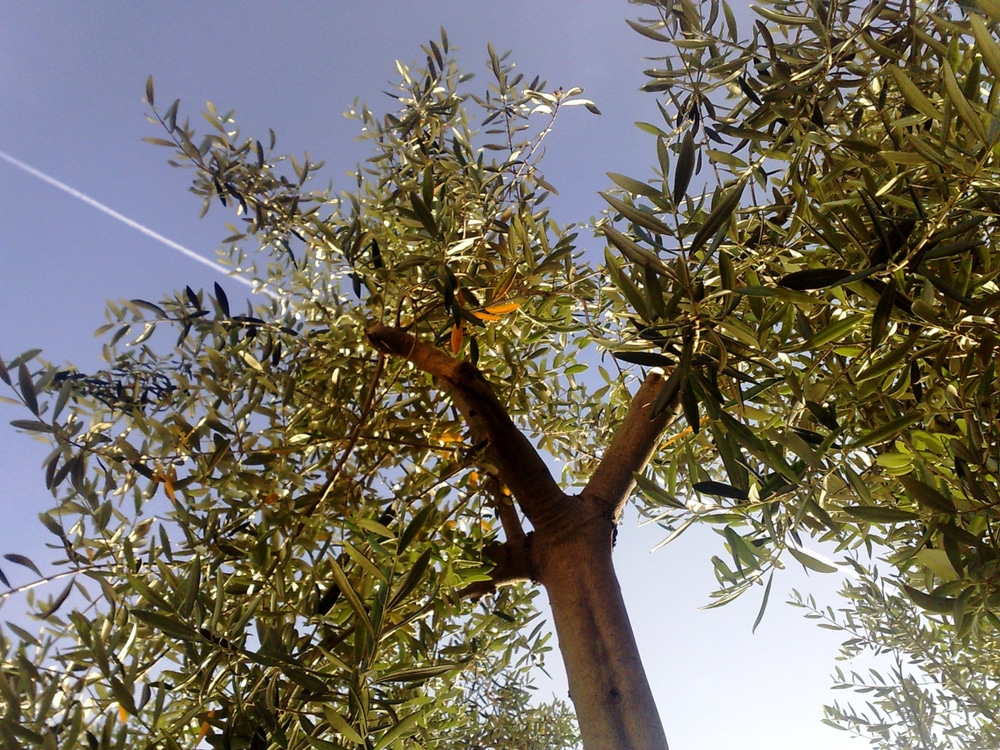
Caring for an olive tree is more than just a gardening task; it's an experience. It’s about connecting with nature, learning patience, and enjoying the slow, steady progress of a living thing. Imagine the satisfaction of seeing your tree flourish, its silvery leaves shimmering in the sun, and one day, perhaps, harvesting your very own olives. That’s not just a plant; that’s a lifestyle!
It’s a conversation starter, a source of calm, and a beautiful reminder of the natural world’s enduring strength and beauty. You don't need a degree in botany to give an olive tree a good home. You just need a little bit of sun, the right soil, and a willingness to learn and appreciate.
So, are you ready to embark on this delightful journey? Taking on an olive tree is like inviting a piece of living history and timeless beauty into your life. It’s a rewarding adventure that will bring you joy for years to come. Go on, explore, and let the magic of the olive tree enchant you!