How To Care For A Fig Tree
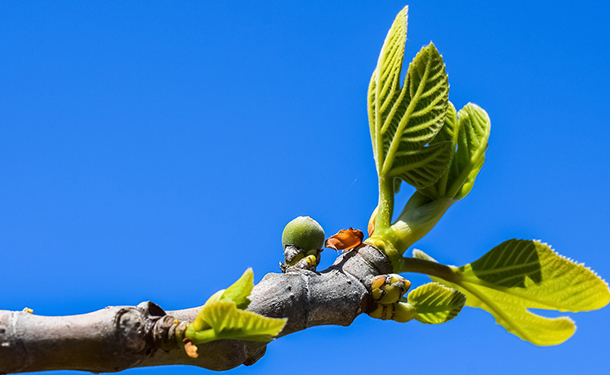
Hey there, fellow plant enthusiasts and aspiring green thumbs! Have you ever strolled past a fig tree, perhaps laden with those delicious, sweet fruits, and thought, "Wow, that looks fancy!"? Well, guess what? Caring for a fig tree is way less intimidating than you might think. In fact, it’s a bit like adopting a slightly pampered but ultimately very rewarding pet. You give it a little love, the right environment, and in return, it showers you with sweet, juicy goodness. Plus, who doesn’t want a little bit of Mediterranean sunshine right in their backyard (or on their balcony)? Let’s dive into how you can bring this delightful tree into your life and keep it happy and fruitful.
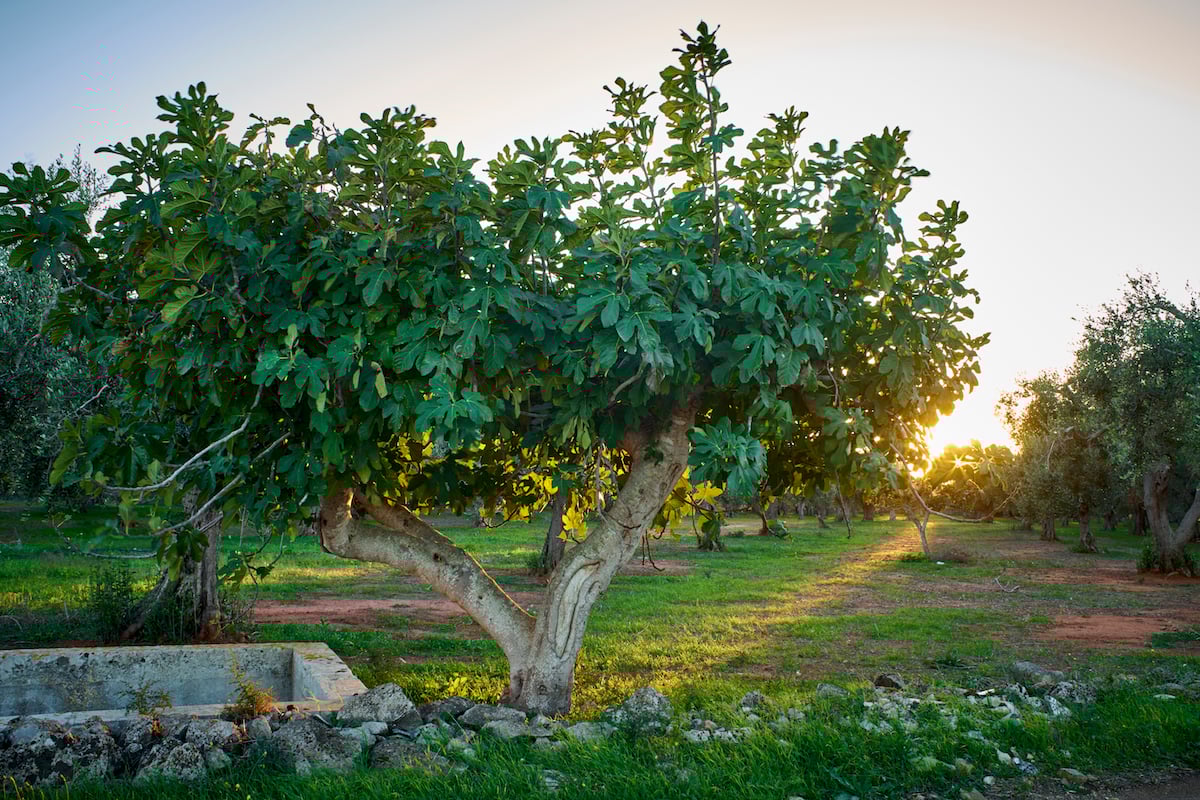
First things first, let's talk about sunshine. Figs are sun worshippers, plain and simple. Think of them like us on a perfect summer day – they want to soak up as much of that golden goodness as possible. Ideally, you'll want to plant your fig tree in a spot that gets at least 6 to 8 hours of direct sunlight every day. If you live somewhere with scorching hot summers, a little afternoon shade can be a lifesaver, like giving your favorite sweater a break on a sweltering afternoon. For container-grown figs, this is your chance to become a bit of a sun-chaser, moving the pot around your patio or deck to follow the sun’s journey across the sky.
Now, about the soil. Figs aren’t particularly fussy, but they do appreciate a bit of well-draining soil. Imagine trying to grow a plant in a soggy sponge – not ideal, right? They like their roots to breathe. If you’re planting in the ground, amending your soil with some compost is always a good idea. It’s like giving your soil a nice, nutritious meal. For those of you with container figs, a good quality potting mix is your best friend. Just make sure the pot has drainage holes – that’s non-negotiable!
Must Read
Watering Wisdom
Watering is another area where figs are quite sensible. They like to be consistently moist, but not waterlogged. This means checking the soil regularly. Stick your finger about an inch or two into the soil. If it feels dry, it’s time for a drink. If it still feels moist, hold off. It’s a bit like knowing when your child has had enough juice – you don’t want them to get a tummy ache from too much! Overwatering is probably the most common mistake, leading to root rot, which is the fig tree equivalent of a bad cold that just won’t go away.
When you do water, give it a good, deep soak. This encourages the roots to grow deeper, making the tree more resilient. Think of it as building a strong foundation for your little figgie friend. In hot, dry weather, you might find yourself watering more frequently, especially for container plants that dry out faster. Conversely, during cooler, rainy periods, you’ll need to water less.
Feeding Your Figgy Friend
Figs are not the hungriest plants, but a little nourishment goes a long way. A good rule of thumb is to feed them in the spring when they start waking up and putting out new growth. A balanced, slow-release fertilizer is usually perfect. You can also use a compost top-dressing. It’s like giving them their breakfast and lunch for the season. Avoid over-fertilizing, though. Too much of a good thing can lead to lush leafy growth but fewer fruits, which is the opposite of what we’re aiming for, right?
If your fig tree is in a pot, it might appreciate a little boost more often, perhaps every month or two during the growing season, using a diluted liquid fertilizer. Again, follow the instructions on the fertilizer package – you wouldn’t give a toddler a whole pizza, would you? A little bit of good stuff is best.
Pruning: Giving Your Fig a Haircut
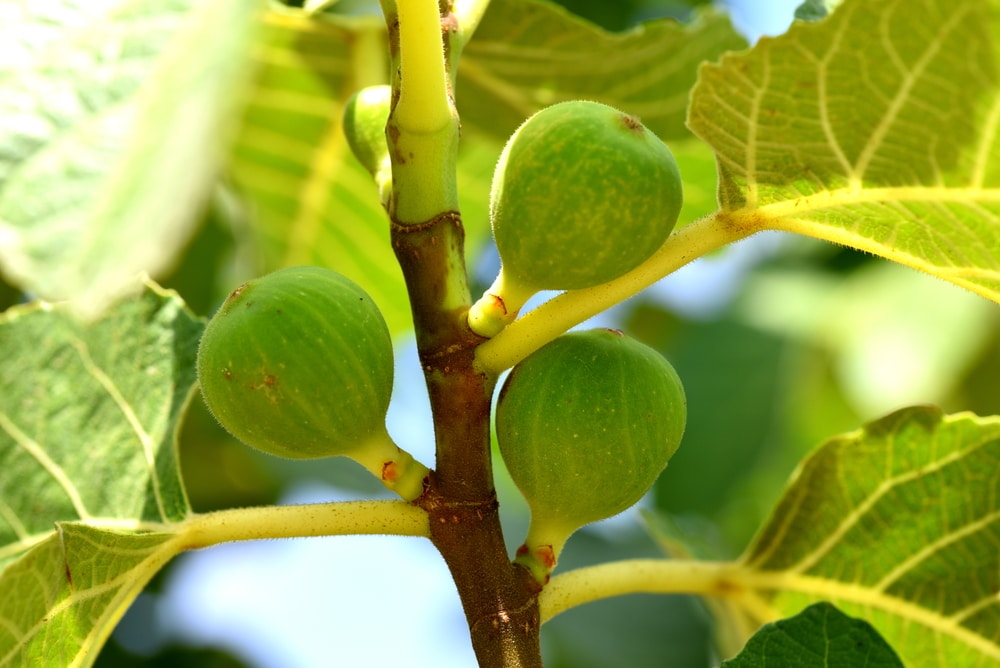
Pruning might sound a bit daunting, like giving your teenager a haircut that they’ll definitely have an opinion about. But for figs, it's essential for shape, fruit production, and overall health. The best time to prune is usually in the late winter or early spring, before the new growth really kicks off. This is when the tree is dormant and less likely to be stressed.
You’ll want to remove any dead, damaged, or crossing branches. Think of it as tidying up – getting rid of any messy bits. Pruning also helps to open up the canopy, allowing sunlight and air to penetrate, which is crucial for fruit development. You can also prune to control the size of your tree, especially if you have a smaller space or a container fig. And here’s a fun fact: figs often produce fruit on new wood, so strategic pruning can actually encourage more fruiting!
Winter Woes (and How to Avoid Them)
This is where fig care can differ depending on where you live. If you're in a warmer climate, your fig tree might be perfectly happy outdoors all year round. Easy peasy! But if you experience freezing temperatures, you’ll need to provide some protection.
For potted fig trees, the easiest solution is to bring them indoors before the first hard frost. Find a bright, cool spot, like a garage or a well-lit sunroom. They'll go into a sort of sleepy state, which is totally normal. For in-ground trees in colder climates, you might need to wrap the trunk with burlap or mulch heavily around the base. It’s like tucking your tree into a warm, cozy blanket for the winter. Some varieties are also more cold-hardy than others, so if you’re in a chilly zone, doing a bit of research on the best fig varieties for your area is a smart move.
Pest Patrol (Don’t Panic!)
Figs are generally pretty hardy, but like all plants, they can occasionally attract pests. Aphids, spider mites, and scale are the usual suspects. The good news is that they’re usually manageable. A strong blast of water from the hose can often dislodge aphids. For more persistent problems, insecticidal soap or neem oil are your go-to, eco-friendly solutions. Think of them as gentle bug sprays that won't harm your plant.
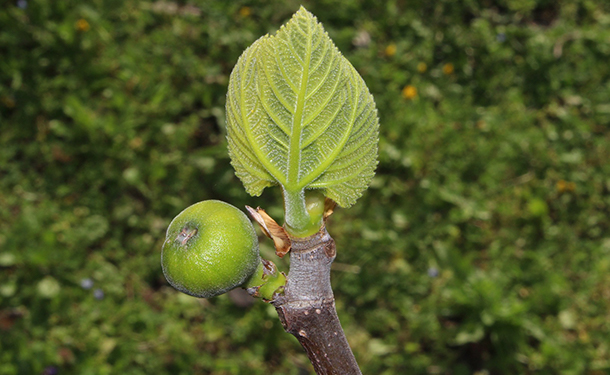
Regularly inspecting your tree’s leaves and branches will help you catch any issues early. It’s like doing a quick check-up on your pet – you’ll notice if something’s a bit off. A healthy, well-cared-for fig tree is also less susceptible to pests, so keep up with watering, feeding, and proper sunlight.
The Sweet Reward
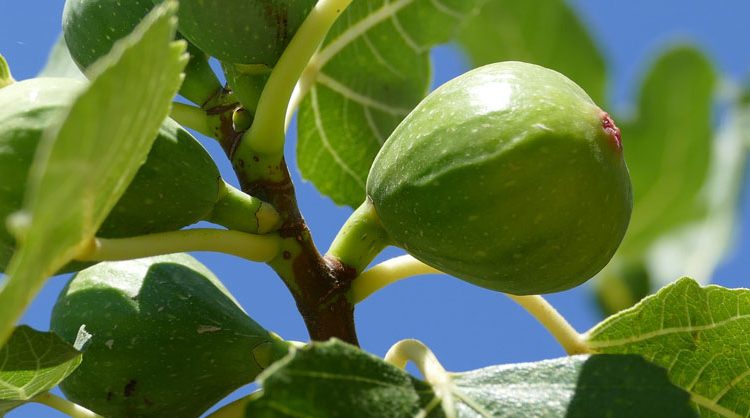
So, why go through all this fuss? Because the reward is absolutely delicious! Imagine plucking a perfectly ripe fig, still warm from the sun, and popping it into your mouth. It’s a taste of pure, unadulterated sweetness that store-bought figs can rarely replicate. Fresh figs are amazing on their own, but they’re also incredible in salads, with cheese, baked into desserts, or simply drizzled with a bit of honey.
Caring for a fig tree isn’t just about growing fruit; it’s about connecting with nature, bringing a bit of beauty and bounty into your life, and experiencing the immense satisfaction of nurturing something from a tiny sapling into a productive, majestic tree. It’s a journey, and a tasty one at that. So, go ahead, get yourself a fig tree. You won’t regret it!