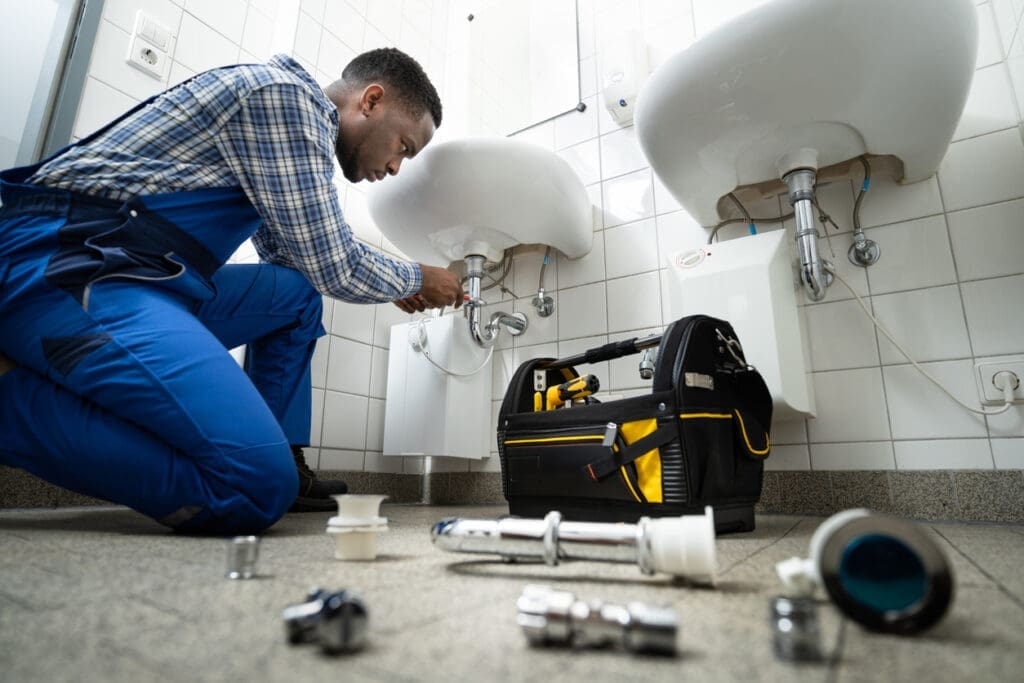
How To Become A Plumber At 40

So, you're hitting a milestone age, maybe 40 is just around the corner, or perhaps you're already there, and you're thinking, "What's next for me?" The thought of a career change might be swirling in your mind, and suddenly, the humble profession of plumbing has popped into your head. Weird, right? Or is it?
Let's be honest, most of us probably haven't spent a lot of time pondering the intricacies of pipes and drains. It's a job that's essential, sure, but maybe not the first thing that springs to mind when you think about exciting new paths. But what if I told you that becoming a plumber at 40 isn't just possible, it could be one of the smartest and most rewarding moves you ever make? Stick with me, and let's explore why this might be your next big adventure.
Why Plumbing? At Forty? Seriously?
Yeah, seriously! Think about it. Life at 40 is different. You've probably got a bit more life experience under your belt, you understand the value of a dollar, and maybe you're a little less interested in the fleeting trends of the office world and more interested in tangible skills and real-world problem-solving. Plumbing is exactly that.
Must Read
You’re not just fiddling with wires or staring at a screen all day. You're a modern-day alchemist, turning water from a potential disaster into a smoothly flowing amenity. You're the unsung hero who prevents that dreaded basement flood or ensures your morning shower is actually hot.
And let's talk about the demand. Is it going anywhere? Nope! People will always need clean water and a way to get rid of waste. This isn't a job that's going to be outsourced to a far-off land. You’re building a career in something that’s fundamentally human and essential. That’s some serious job security, folks.
The "Been There, Done That" Advantage
One of the biggest benefits of starting a new career at 40 is the wealth of life experience you bring with you. You’ve likely navigated tricky situations, dealt with difficult people (maybe even some demanding clients!), and learned how to manage your time effectively. These are invaluable skills in any profession, and plumbing is no exception.
Think of it this way: a 20-year-old just out of school might know the theory, but you? You probably have a better sense of how to read a situation, how to communicate clearly with a homeowner who’s freaking out about a leaky faucet, and how to stay calm under pressure when the water's really going to town.
You're also likely to have a stronger work ethic and a more focused approach. You’re not just trying to earn a paycheck; you’re investing in a future, building something solid for yourself and your family. That kind of determination is a superpower!
The Journey: It's Not Exactly Rocket Science, But It's Still Learning
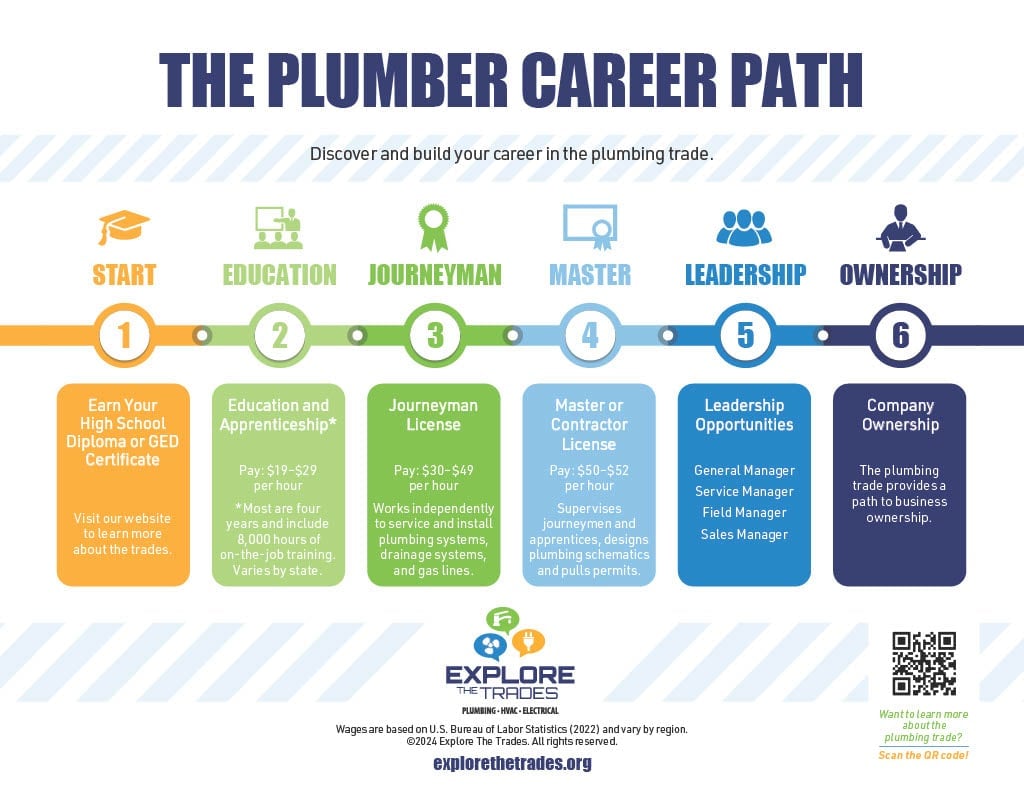
Okay, so how do you actually do this plumbing thing at 40? The good news is, it’s not an impossible mountain to climb. There are several paths you can take, and most of them are pretty accessible.
Apprenticeships: The Tried-and-True Method
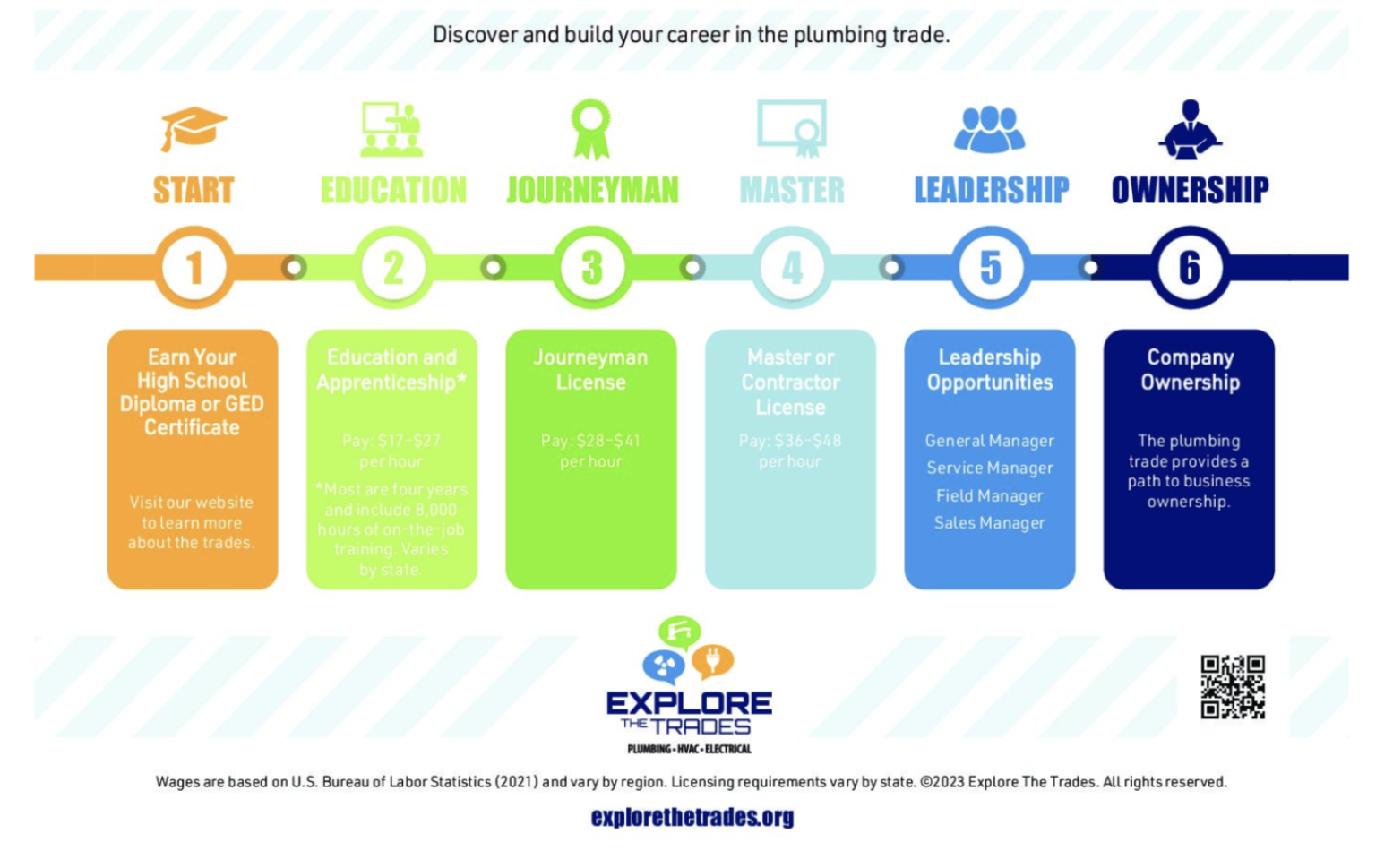
This is often the most common route. You’ll find yourself working alongside experienced plumbers, learning on the job. It’s like being a sous-chef in a Michelin-star restaurant, but instead of fancy sauces, you’re mastering the art of soldering pipes and fixing stubborn toilets. You’ll get paid while you learn, which is a huge win, especially when you’ve got responsibilities.
The apprenticeship typically lasts a few years, and during that time, you’ll absorb knowledge like a sponge. You’ll see all sorts of problems, from the mundane to the utterly bizarre (trust me, plumbing can get weird). You’ll learn the tools of the trade, the codes, the best practices, and, most importantly, how to diagnose and fix things effectively.
Trade Schools and Vocational Programs
If you prefer a more structured learning environment before hitting the field, trade schools are a fantastic option. These programs offer intensive training in plumbing theory and practice. You’ll get a solid foundation in everything from pipe fitting to water heater installation, and often, these programs have connections with local businesses looking for apprentices.
Think of it as getting your PhD in “Making Things Flow.” You’ll spend less time shadowing and more time hands-on in a controlled environment. It’s a great way to build your confidence and knowledge base before you’re out there facing real-world emergencies.
Licensing and Certifications
Depending on where you live, you'll likely need to get licensed or certified to work as a plumber. This usually involves passing an exam that tests your knowledge of plumbing codes and practices. Your apprenticeship or trade school program will prepare you for this, and once you’ve got that license, you’re officially a qualified professional.
It might sound like a hurdle, but it’s really just a way to ensure that you're providing safe and reliable services. Plus, having that certification is like wearing a superhero cape – it signifies your expertise and builds trust with clients.
The Perks of Being a Forty-Something Plumber
So, beyond the job security and the satisfaction of solving problems, what else is in it for you?

The Financial Picture
Let's not beat around the bush: plumbers make good money. Especially as you gain experience and build a reputation. You're not just earning a decent wage; you have the potential to earn a very comfortable living. And if you decide to go into business for yourself down the line? The sky’s the limit!
You're trading in the uncertainty of some corporate ladders for the concrete reality of a skilled trade that’s always in demand. That can be incredibly liberating and provide a real sense of financial stability.
Flexibility and Autonomy
As you progress, you can gain a lot of flexibility. You might start with a company, but eventually, you could have the option to set your own hours, choose your own projects, or even start your own business. Imagine being your own boss, setting your own schedule, and being in control of your work.
This is a big one for many people at 40. You might be looking to escape the rigid 9-to-5, have more time for family, or simply want more control over your professional life. Plumbing can offer that path.

The "Ah-Ha!" Moments
There's a deep satisfaction in fixing something that's broken, especially when it's causing stress for someone. That moment when the water starts flowing, or the leak stops, is incredibly rewarding. You’re not just doing a job; you’re making lives easier.
It's like being a detective, but instead of solving crimes, you're solving leaks and clogs. You get to use your brain, your hands, and your problem-solving skills to make a tangible difference. That’s a pretty cool way to spend your days.
Is It For You? A Little Self-Reflection
So, now you're probably thinking, "Okay, this sounds interesting, but is it really for me?" Here are a few things to consider:
- Do you enjoy working with your hands? If you get a kick out of building, fixing, or tinkering, plumbing could be a great fit.
- Are you a problem-solver? Do you like puzzles and figuring out how things work (and how to make them work better)?
- Can you handle the physical demands? While it's not all heavy lifting, plumbing can involve bending, crawling, and working in various conditions.
- Are you comfortable with a bit of mess? Let’s face it, sometimes plumbing involves getting a little dirty. It’s part of the territory!
- Do you want a career with a clear path to growth and good income? Plumbing offers exactly that.
If you're nodding along to most of those, then congratulations, you might just be a natural-born plumber! Don't let the age on your driver's license fool you. At 40, you've got the maturity, the drive, and the experience to excel in a trade that's not just essential but also incredibly fulfilling.
So, ditch the doubt and start exploring. You might be surprised at how much you enjoy the journey of becoming a plumbing pro. Who knows, you might just find your calling, flowing smoothly, just like the water you’ll be managing. Go for it!