
How Old Can A Dog Be To Breed

Alright, settle in folks, grab your lattes, maybe a biscuit for your furry (or soon-to-be furry) friend if they’re perched on a nearby stool. We’re about to dive into a topic that’s as old as time itself, or at least as old as that squirrel your dog can't stop chasing: how old is too old for a dog to become a proud parent?
Now, I’m not talking about the philosophical question of "Can my poodle really be considering the deeper meaning of life right now?" No, no. We’re talking about the nitty-gritty biological clock, the canine equivalent of a “last call” for the puppy-making business. Because, let’s be honest, we’ve all seen those movies where a dog is suddenly a grandparent, and you're left wondering, "Wait, was he even alive for the first litter?"
The Puppy-Making Prime Time: When Do Dogs Hit Their Stride?
Think of a dog’s breeding life as a marathon, not a sprint. They’ve got their starting blocks, their peak performance zone, and then, well, the recovery phase where they’re more interested in naps than anything else. For the ladies, the girls, the females (fancy, I know!), their journey usually kicks off around their first heat cycle. This can happen anywhere from six months to two years old, depending on the breed. Little Chihuahuas might be ready to rock and roll sooner than your Great Dane, who’s still figuring out how to navigate those giant paws.
Must Read
And for the guys, the fellas, the males (holding back a chuckle here), it's a similar timeline. They become fertile once they hit sexual maturity, which, again, varies. So, your little terrier mix might be ready to woo the neighborhood poodle at 7 months, while a lumbering Newfoundland might take a year or more to feel like a distinguished gentleman ready to… you know… get things done.
This is their prime time, folks. This is when they’re bursting with youthful energy, their bodies are in top condition, and they’re just generally feeling themselves. It’s like the canine equivalent of your 20s – full of potential, a little bit wild, and ready to take on the world (or at least a good game of fetch and maybe a few puppies).

The Golden Years: When Does “Too Old” Start Looking Like a Cozy Blanket?
Now, let’s talk about the other end of the spectrum. When does a dog start getting a bit… long in the tooth for breeding? For females, it’s generally considered that once they reach about 7 to 8 years old, it starts getting riskier. Think of it this way: by this age, they’ve probably earned a few gray hairs around their muzzle and have a PhD in napping. Their bodies might not bounce back as easily from the rigors of pregnancy and birth. It's not that they can't, it's just that it's a lot to ask of a seasoned dog.
For the male dogs, the older fellas, it’s a bit more fluid. Some studs can remain fertile well into their double digits. I’ve heard tales of 12-year-old dogs still strutting their stuff, though their sperm count and quality might not be what it was in their younger days. It’s like a vintage wine – still good, but perhaps not the most robust vintage. They might be more interested in reminiscing about the good old days of chasing squirrels and less about chasing… well, you get the picture.
.PNG)
Why the Age Limit? It’s Not Just About “Grandpa’s Best Years”
So, why do we have these general age guidelines? It’s not just about preventing your dog from becoming a biological superhero. It’s about responsible breeding. We want healthy puppies, and that starts with healthy parents. Older dogs, especially females, are at a higher risk of complications during pregnancy and delivery. Think about it: it's a monumental effort to grow and birth a litter of puppies. Doing that when your body is starting to wind down can be seriously taxing.
There are increased risks of things like stillbirths, birth defects, and even issues for the mother dog herself. It’s the same reason why human doctors advise against… well, you know. It’s about prioritizing the well-being of both the parent and the potential offspring. We want those little bundles of joy to have the best possible start, and that means having parents who are in their physical prime.
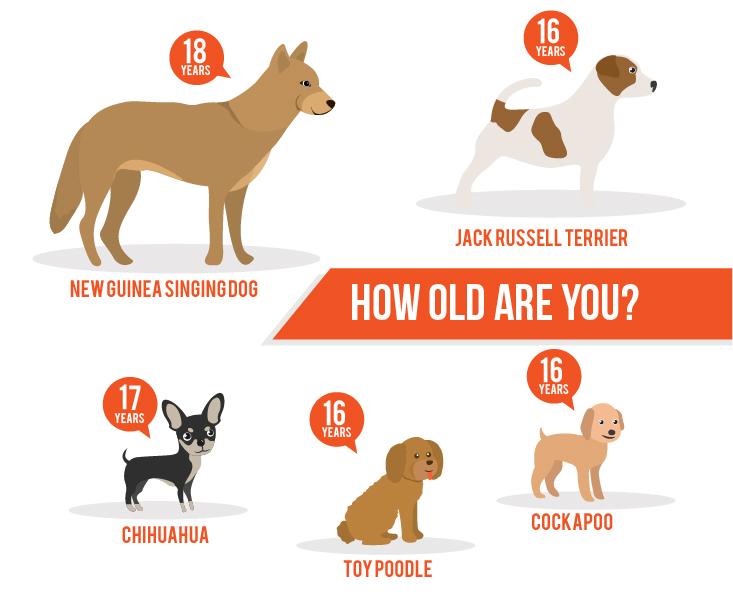
Plus, let’s not forget about the sheer energy required. Raising puppies is like running a tiny, furry boot camp. Older dogs might not have the stamina to keep up with a boisterous litter. They might be more inclined to delegate napping duties and leave the heavy lifting (literally, the picking up and dropping off) to the younger, more energetic members of the pack… or, you know, the humans.
Breed Differences: The Chihuahua vs. The Saint Bernard
Now, here’s where things get interesting. Just like how a sports car has different maintenance needs than a reliable minivan, different dog breeds have different timelines. Smaller breeds often mature earlier and can have a slightly longer reproductive lifespan. Think of them as the sprinters of the dog world – quick to mature, quick to… well, everything.
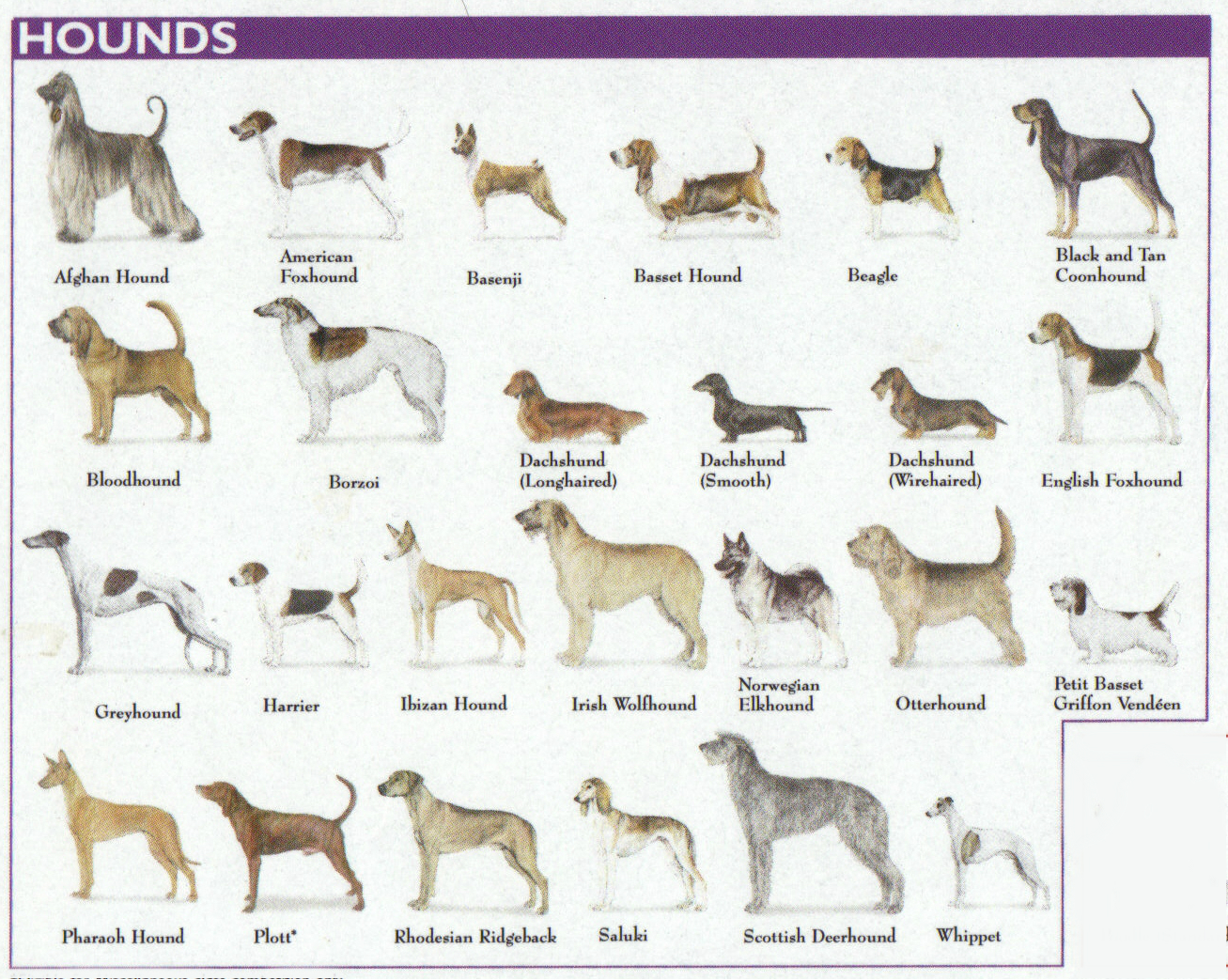
On the flip side, larger breeds tend to mature more slowly. Their joints might start creaking a little earlier, and their bodies might not be built for the same frequency of… procreation. So, a 5-year-old German Shepherd might be considered a seasoned veteran for breeding, while a 5-year-old Dachshund might still be in their prime, ready for their third go-around. It’s all about understanding your specific breed’s unique biological blueprint. Your vet is your best friend here, a veritable canine oracle who can tell you all about your dog's specific age-related breeding potential.
Beyond the Numbers: Health is the Real Key
Ultimately, while age is a factor, it's not the only factor. A healthy 8-year-old dog might be a better candidate for breeding than a sprightly 4-year-old who’s riddled with health issues. Good health, good temperament, and a thorough understanding of genetics are paramount. No matter the age, if a dog isn't in excellent physical condition, breeding them is a recipe for potential heartache. We’re aiming for happy, healthy litters, not a litter of… well, let’s just say less-than-ideal situations.
So, next time you’re contemplating the stork visiting your canine companion, remember to consider more than just their wagging tail. Think about their years, their health, and whether they’re truly ready for the whirlwind of puppy parenthood. And if you’re unsure, a quick chat with your veterinarian is always the wisest move. They’ve seen it all, from puppy mills to prize-winning pedigrees, and they can guide you to make the most responsible decision for your furry family members. Now, if you’ll excuse me, I think my own dog is giving me a look that says, "Is this lecture over? My nap schedule is being severely impacted."

