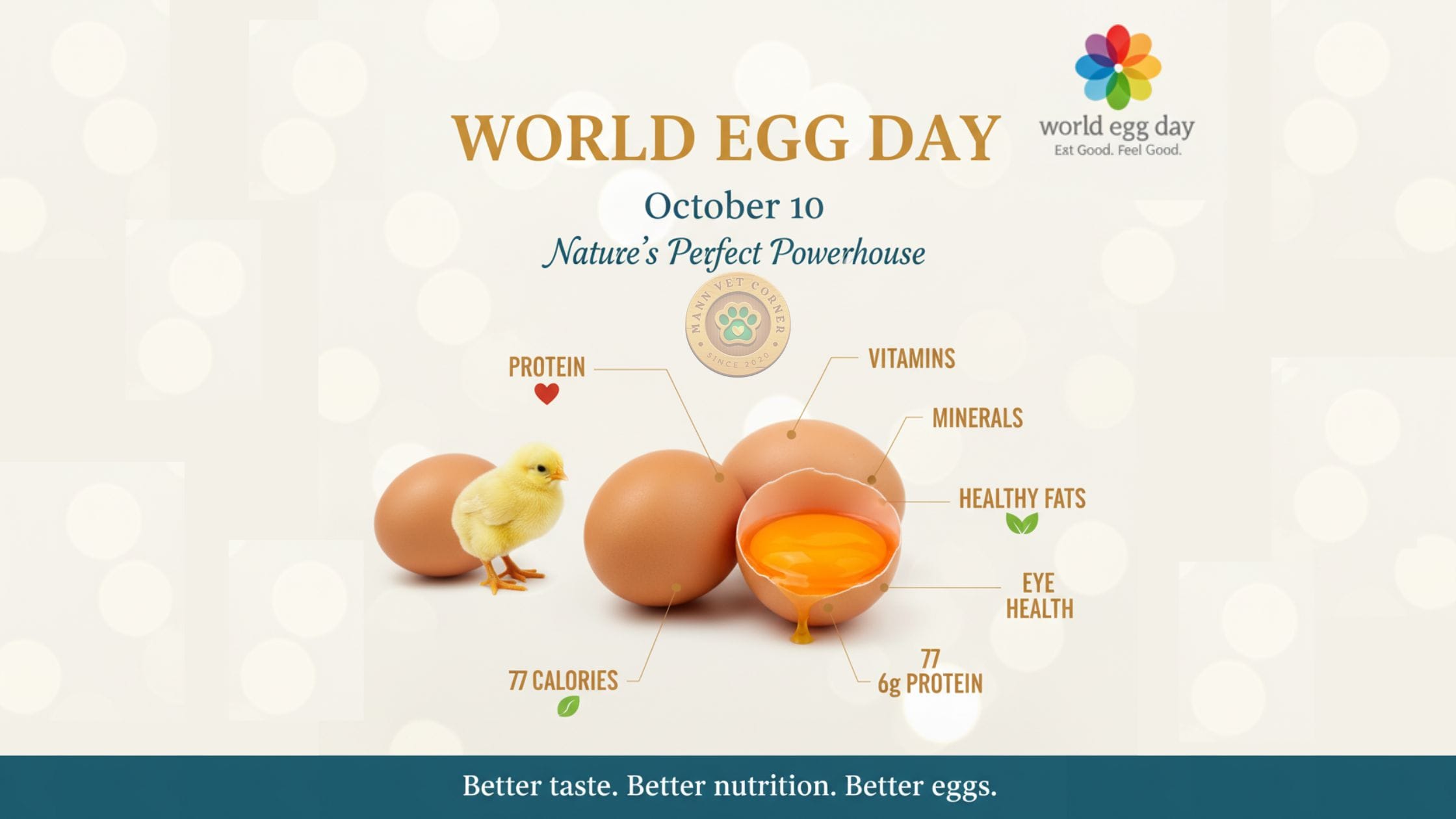
How Often Does A Hen Lay Eggs
Ever looked at a carton of eggs at the grocery store and wondered, "Where do these all come from?" It's a fascinating thought, really! Imagine a whole flock of feathery friends, working their tiny hen-butts off to bring you breakfast. So, the burning question on everyone's mind is: How often does a hen lay eggs? Let's dive into the wonderfully egg-citing world of hen-havior!
Generally speaking, your average, everyday backyard hen is a pretty dedicated egg-laying machine. If she's happy, healthy, and getting all the good stuff she needs, you can expect her to grace you with an egg almost every single day! That’s right, we’re talking about a potential daily delivery of deliciousness from your own little feathered farmhands.
Think of her like a tiny, clucking factory. She's got her internal processes humming along, and when all the stars align (and the calcium is plentiful!), out pops an egg. It’s a truly marvelous feat of nature, and one that’s been happening for millennia, fueling breakfast tables and baking adventures everywhere.
Must Read
But hold your horses (or should I say, hold your chickens?), it's not always a perfect every-single-day affair. There are a few things that can put a temporary pause on our ladies' egg production. It’s not like they’re striking for better worm rations, but more like natural life events.
One of the biggest players in the egg-laying game is the age of the hen. Like us, young hens, or pullets as they're called, need a little time to get their egg-laying groove on. They usually start laying around 5 to 6 months old. Before that, it’s all about growing up and getting ready for their big debut!
Older hens, on the other hand, might slow down a bit. Think of it like an experienced marathon runner – they might not be setting new personal bests every single race, but they’re still incredibly consistent. Their egg production might become a little less frequent as they enter their golden years of hen-dom.
Another HUGE factor is light. Hens are incredibly sensitive to daylight. They need about 14 to 16 hours of light per day to trigger their egg-laying hormones. This is why you’ll often see a dip in egg production during the shorter days of fall and winter. It’s like their internal clock is saying, "Hey, it's time to chill out, less laying, more napping by the heater!"

This is why many backyard chicken keepers use supplemental lighting in their coops during the winter months. It’s like giving them a little extra sunshine boost, helping them maintain their egg-laying schedule even when the sun is playing hide-and-seek. It’s a clever trick to keep those breakfast eggs coming!
Then there's the wonderfully messy, yet utterly natural, phenomenon known as molting. Once a year, usually in the fall, hens will shed their old feathers and grow in new, shiny ones. This is a big undertaking for their bodies, and while they're busy with their feathered makeover, egg production often comes to a screeching halt.
Imagine you're going through a major glow-up; your focus is on looking fabulous, not necessarily on churning out deliverables. That's kind of what's happening with a molting hen. She’s investing all her energy into looking her best for the coming year, and egg-laying takes a backseat.
This molting period can last anywhere from a few weeks to a couple of months, depending on the hen and her breed. Once her new feathers are in and she's feeling refreshed, she'll usually get back to her regular egg-laying routine. It’s a natural cycle, and a necessary one for her health and well-being.
Let's talk about stress. Chickens, believe it or not, can get stressed! Loud noises, sudden changes in their environment, a predator lurking nearby (eek!), or even a new flock member can throw them off their game. When a hen is stressed, her body prioritizes survival over egg production. It’s her way of saying, "Whoa there, Nelly, let's deal with this scary thing first!"
A happy hen is a productive hen, and that means providing her with a safe, comfortable, and predictable environment. Think of a serene spa retreat for your chickens – that’s the kind of vibe that encourages consistent egg-laying. No drama, just peace, quiet, and good quality feed.
And what about the food? A hen needs a balanced diet to keep her egg-laying engine running smoothly. This means a good quality layer feed that’s rich in protein and, crucially, calcium. Calcium is like the building blocks of an eggshell. Without enough of it, she simply can't produce those sturdy, beautiful shells.
If a hen is deficient in calcium, you might see her laying soft-shelled or shell-less eggs. This is a clear signal that her diet needs a boost. Offering oyster shell free-choice is a common and effective way to ensure your hens have all the calcium they need to lay perfect eggs.
Breed also plays a role. Some breeds are known as excellent layers, bred specifically for their prolific egg-laying abilities. Think of breeds like the Leghorn or the Rhode Island Red. These ladies are practically born with a permanent egg-laying button pressed!

Other breeds might be more focused on meat production or ornamental qualities. While they will still lay eggs, their frequency might not be as high as the dedicated egg-layers. It’s like comparing a sprinter to a long-distance runner; both are athletes, but their specialties differ!
So, to recap, a healthy hen, in her prime, with plenty of light, good food, and a stress-free life, will likely lay an egg about five to six times a week. That’s a really impressive output for our feathered friends!
Sometimes, you might get an egg seven days in a row, and other times there might be a day or two break. Don't panic if you miss a day! It's usually just a minor blip on the radar and not a sign of doom and gloom for your egg supply.
Think of it this way: if you were tasked with producing a perfectly formed, delicious egg every single day, you'd probably need a day off now and then too! These hens are performing a marvel of biology with every egg they lay, and we should be grateful for their consistent efforts.

The most common misconception is that they lay an egg every single day, without fail, like a vending machine. While some can come pretty darn close, nature has its own rhythm. Factors like seasonal changes, their internal cycles, and their overall well-being all contribute to the ebb and flow of egg production.
So, the next time you enjoy a scrambled egg or bake a batch of cookies, take a moment to appreciate the incredible hen who made it all possible. She’s a champion of consistent effort, a marvel of natural engineering, and a truly wonderful addition to any home. Keep them happy, keep them healthy, and they'll keep those delicious eggs coming!
It's a beautiful cycle, isn't it? From the humble hen to your breakfast plate, it’s a journey worth celebrating. So go forth, appreciate your feathered friends, and enjoy the bounty they provide. They’re the unsung heroes of the breakfast world!
The magic of a hen is truly remarkable!
She works tirelessly, fueled by good food and sunshine, to bring us these little miracles of nutrition and deliciousness. Don't forget to thank your hens!
And remember, if your hen isn't laying as much as you expect, take a look at her environment, her diet, and her overall health. A little bit of care and attention can go a long way in keeping her productive and happy. Happy hens mean happy eggs, after all!