
How Much Is It For A Gold Tooth

Ever found yourself scrolling through your feed, a little bored, and stumbled upon an image that just… sparkles? Maybe it's a rapper with a glint of gold catching the light, or a vintage Hollywood starlet flashing a subtle, knowing smile. And then, the thought pops into your head, as it often does for us curious minds: How much does a gold tooth actually cost? It’s a question that’s both a little whimsical and surprisingly practical, isn’t it? Like wondering how much a really good cup of coffee costs or what’s the secret to perfectly frothed milk.
Let’s dive into the world of dental bling, shall we? It’s not just about showing off; for some, it’s a nod to history, a statement of personal style, or even a practical solution. And believe it or not, it’s more accessible than you might think, depending on what you're looking for. Forget those cartoonish, oversized grills you might see in music videos (though we'll touch on those too!). We’re talking about something a little more refined, a touch more… you.
The idea of adorning your teeth isn't exactly new. Think way, way back. Ancient civilizations were literally drilling into their teeth and inserting precious gems or metals. We’re talking Mayan rulers and Roman aristocrats. So, while it might seem like a modern trend, it's got roots deeper than your favorite vintage denim. It’s a form of self-expression that has transcended centuries. Pretty cool, right?
Must Read
The Building Blocks: What Goes Into the Price?
So, what exactly dictates the price tag of a single, gleaming gold tooth? It’s a bit like building a bespoke suit – there are several factors that come into play. The main players are:
The Gold Itself
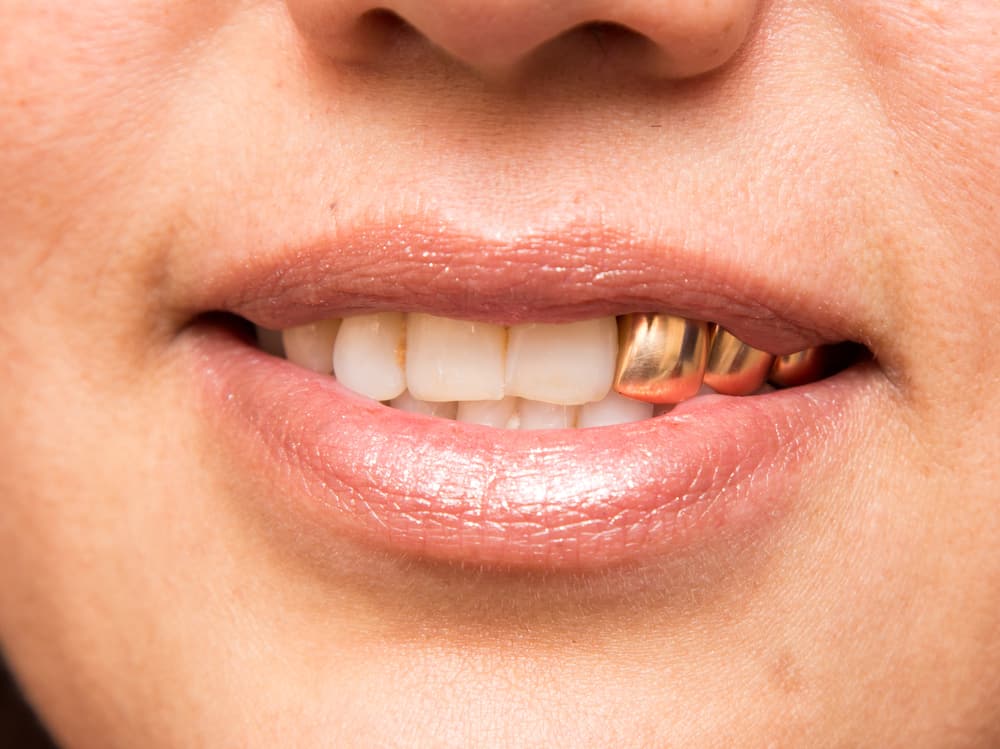
This is the big one, naturally. The purity of the gold is paramount. You'll typically see gold tooth “enhancements” (that’s a fancy way of saying a cap or a veneer) made from 10-karat, 14-karat, 18-karat, or even 24-karat gold.
- 24-Karat: This is pure gold, 99.9% pure. It’s beautiful, but it’s also quite soft. This means it’s more prone to scratches and damage, so it's less common for teeth unless it's for a very specific aesthetic or a short-term piece. It's also the most expensive, obviously.
- 18-Karat: This is 75% pure gold, mixed with other metals for durability. It has a rich, warm yellow color and is a popular choice for its balance of beauty and resilience.
- 14-Karat: This is 58.3% pure gold. It's even more durable than 18-karat, making it a practical option for daily wear. The color might be slightly less intense than 18-karat, but it’s still undeniably gold.
- 10-Karat: This is 41.7% pure gold. It's the most durable and the most affordable option. The color will be lighter, and it's often chosen for its practicality and lower cost.
The higher the karat, the more gold you’re getting, and therefore, the higher the price. Simple economics, really.
The Type of Dental Work
This is where things get a little more technical. Are we talking about a full crown, a veneer, or just a small accent piece?
- Full Gold Crown: This is the most comprehensive option. It completely encases a damaged or weakened tooth, providing strength and protection. This involves significant dental work, including preparation of the tooth, impressions, and the fabrication of the crown. This will be the priciest option.
- Gold Veneer/Cap: A thinner piece of gold that covers the front or a portion of the tooth. It’s more about aesthetics than structural repair, though it can offer some protection.
- Tooth Gem/Accent: These are tiny pieces of gold (or other materials) that are bonded to the surface of the tooth, often just a small dot or a delicate design. This is the most affordable and least invasive option.
The complexity of the dental procedure and the amount of gold needed will naturally impact the final cost.
The Dentist and Location
Just like with any medical or cosmetic procedure, the expertise of the dentist and the cost of living in their area play a role. A highly skilled cosmetic dentist in a major metropolitan area will likely charge more than a general dentist in a smaller town. It’s about paying for their experience, the quality of their materials, and the overall service.
Design and Customization
Are you going for a classic, smooth finish? Or do you want something a little more intricate, perhaps with a subtle engraved pattern or a unique shape? Custom designs, intricate details, or the inclusion of tiny gemstones within the gold will add to the labor and therefore the cost.

So, What’s the Damage? A Price Range
Alright, let’s get down to brass tacks. Giving a single, definitive number is impossible because of all those variables we just discussed. However, we can give you a pretty good ballpark figure.
For a simple gold tooth gem or accent (think a tiny speck of gold bonded to the surface), you might be looking at anywhere from $50 to $200 per tooth. This is the most budget-friendly entry point into the world of dental adornment. It’s subtle, it’s chic, and it’s easily reversible.
If you’re considering a gold veneer or a small, custom-designed gold cap that covers a portion of the tooth, the price can range from $200 to $800 per tooth. This is for something more substantial than a gem, but not a full tooth replacement. The price will depend on the size, thickness, and any intricate detailing.
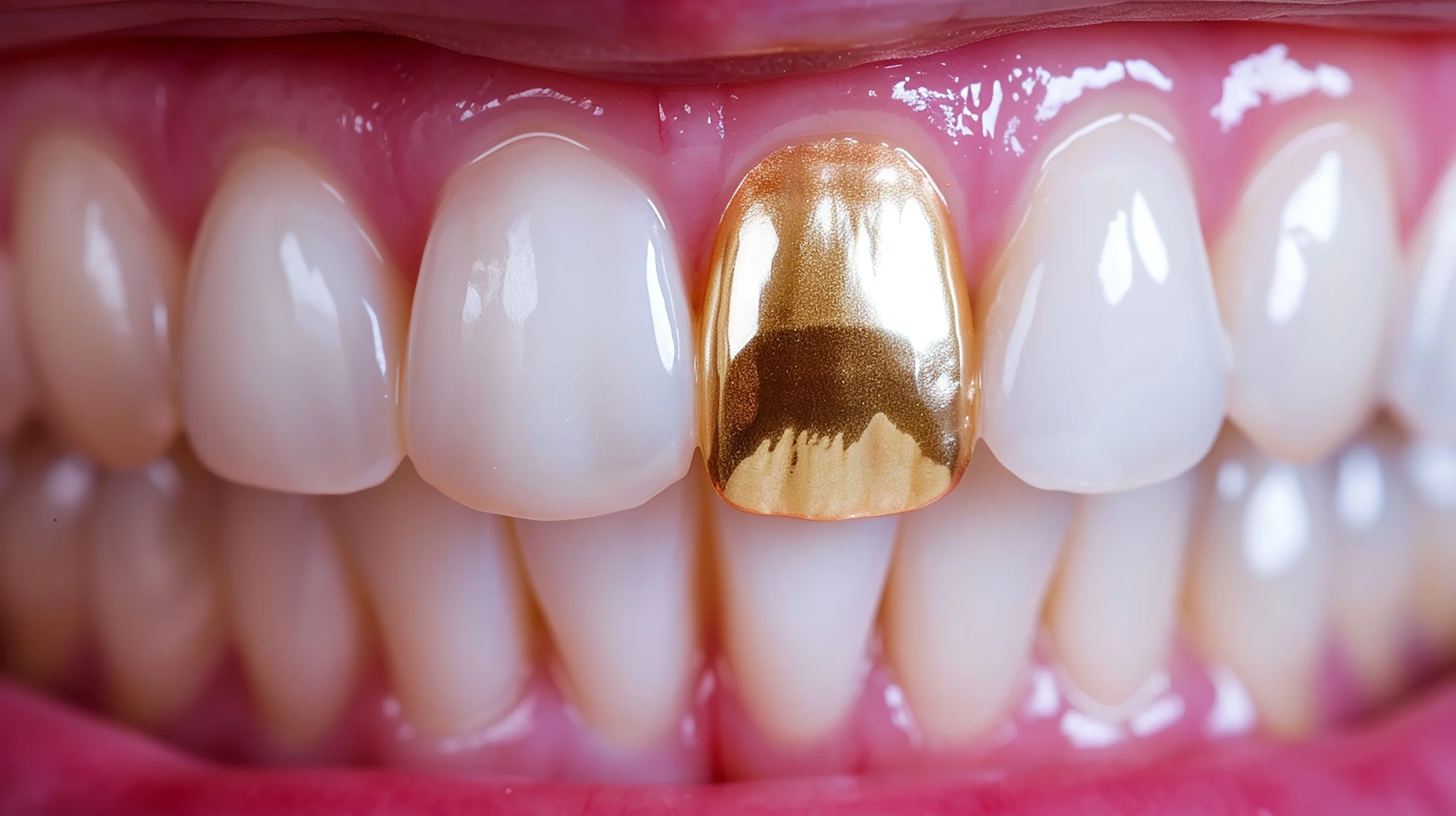
Now, for the full gold crown. This is where the costs really start to climb, as it involves significant dental work. Expect to pay anywhere from $800 to $2,500 or even more per tooth. This price includes the gold material, the laboratory fees for creating the crown, and the dentist’s professional fees for the preparation and placement.
Important Note: These are estimates. It’s always best to get a consultation and a personalized quote from a qualified dental professional. And remember, we're talking about a single tooth here. If you're eyeing a full set of diamond-encrusted, platinum-infused, solid-gold grills like some celebrities rock, well, that’s a whole other financial universe – think tens of thousands, easily!
Beyond the Price Tag: The “Why” and the “How”
Why do people opt for gold teeth? It's a fascinating mix of reasons:
A Nod to Heritage and Culture
In certain cultures, gold teeth have a long history. They can be a symbol of wealth, status, or even rites of passage. For some, it's a way to connect with their heritage and express pride in their identity. Think of the influence of hip-hop culture, which often embraced gold teeth as a symbol of success and defiance. It’s a powerful statement.
A Fashion Statement
For many, it's simply a bold and unique fashion accessory. It’s a way to stand out from the crowd and express individuality. It’s like choosing a killer pair of statement earrings or a distinctive tattoo – it’s about personal expression.
A Practical Solution (Sometimes!)
In some cases, a gold crown might be chosen for its biocompatibility and durability. Gold is a strong material that can withstand the forces of chewing, and it's well-tolerated by the body. Dentists have been using gold for fillings and crowns for decades for these very reasons. It’s not just about bling; it’s about function too.
The Process of Getting One
So, if you're thinking of joining the ranks of the subtly gilded, how does it happen? It typically involves a few steps:
- Consultation: You'll visit a dentist, ideally one with experience in cosmetic or restorative dentistry. You’ll discuss what you want, the options available, and get a quote.
- Preparation: If it’s a crown or a substantial cap, the tooth will need to be prepared. This usually involves shaping the tooth to accommodate the gold. For a simple gem, it’s just about cleaning the tooth.
- Impressions: The dentist will take an impression (a mold) of your tooth or teeth. This is sent to a dental lab.
- Fabrication: The dental lab will use your impression and the specified gold purity to create your custom piece.
- Placement: Once the gold piece is ready, you'll return to the dentist for the final fitting and placement. For crowns, it’s cemented in place. For gems, it’s bonded.
The whole process for a crown can take a couple of weeks, as it involves lab work.
Fun Little Facts and Considerations
- Maintenance: Gold teeth, especially crowns, are generally durable and easy to care for. Just brush and floss them like your natural teeth! However, for delicate gems or intricate designs, you might need to be a bit more careful.
- Longevity: A well-made gold crown can last for 10-15 years, or even longer, with proper care. Tooth gems are generally more temporary, depending on the bonding agent used.
- Allergies: Gold allergies are rare, but they can happen. If you have concerns, discuss them with your dentist.
- Reversibility: Simple gold tooth gems are usually reversible. For crowns and caps, the original tooth is altered, so while the gold can be removed, the tooth will likely need a filling or a different type of restoration.
- The “Grill” Phenomenon: Those elaborate, multi-toothed covers? They’re a separate category. While some are made of gold, they are often custom-fitted and can cost anywhere from a few hundred dollars for basic ones to many thousands for elaborate, jewel-encrusted creations. They are purely aesthetic and typically removed for eating.
A Little Reflection
Thinking about a gold tooth, whether it's a tiny sparkle or a full, gleaming smile, is really about more than just the metal. It’s about making a choice that feels right for you. It’s about adornment, about legacy, about expressing something on the outside that resonates on the inside. It’s the same impulse that leads us to choose a unique piece of jewelry, a bold haircut, or a comforting scent. In our daily lives, we’re constantly making these small, conscious decisions about how we present ourselves to the world. And sometimes, a little bit of gold, shining from within, can be a really wonderful way to do just that. It’s a small luxury, a personal statement, a reminder that even in the everyday, we have the power to add a touch of something special.

