
How Much Gluten Is In A Beer
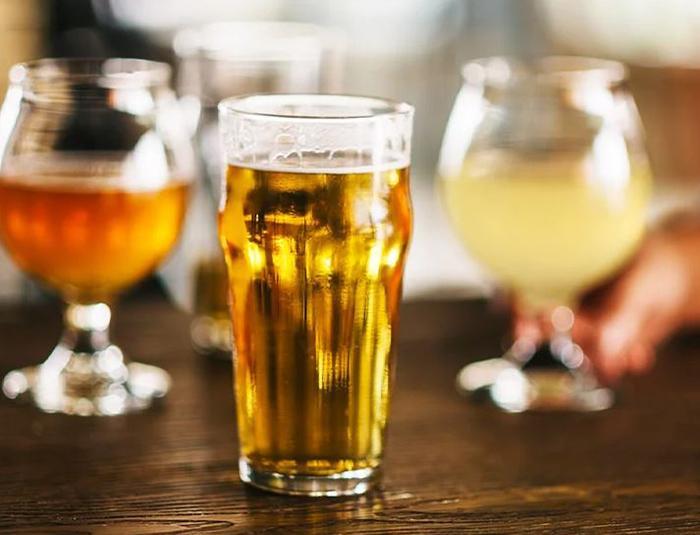
Ah, beer. That golden elixir, the bubbly best friend to a Friday night, the comforting companion to a Sunday roast. For many of us, it’s practically a staple of a good time. But then, the whispers start. The gluten-free revolution. The rising awareness about what we’re actually putting into our bodies. And for those navigating the world of celiac disease or gluten sensitivity, a simple question can turn into a mini research project: how much gluten is actually in a beer?
Let's take a deep breath, grab a virtual pint, and dive into this topic with a relaxed, easy-going vibe. Because understanding your drink shouldn't feel like a pop quiz, right?
The Grainy Truth: Where Gluten Hides in Your Beer
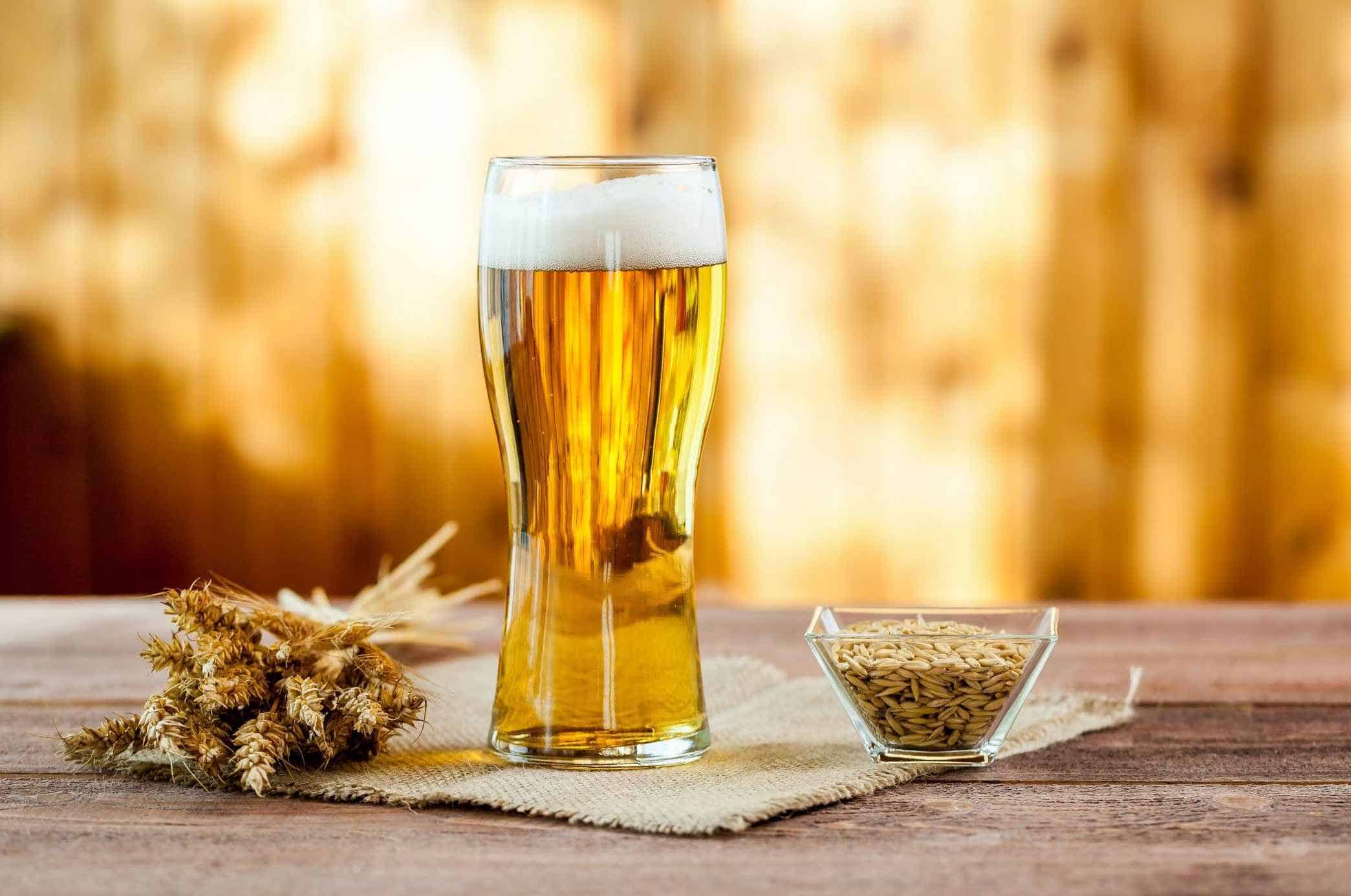
At its core, beer is made from four basic ingredients: water, hops, yeast, and grains. And it's in those grains that our gluten story begins. The most common grains used for brewing are barley and wheat. And guess what? Both of these are major gluten-containing grains. So, inherently, traditional beer is brewed with gluten.
Must Read
Think of it like this: those grains are the foundation of your beer's flavor, body, and even its color. The starches in the grains are converted into sugars during the brewing process, which the yeast then happily munches on to produce alcohol and carbonation. It’s a beautiful, albeit gluten-filled, symbiotic relationship.
So, if you’re sensitive to gluten, that’s where the potential for trouble lies. The proteins from the barley and wheat, specifically gliadin and glutenin, are what cause issues for sensitive individuals. These proteins, in their intact form, are the culprits.
So, Is All Beer Off-Limits? Not So Fast!
Hold your horses, or should I say, hold your frothy mugs! Just because traditional beer is made with gluten doesn't mean your beer journey has to end. The world of brewing is constantly innovating, and thankfully, there are now options for almost everyone.
The key question isn't necessarily "is there gluten in beer?" but rather, "how much gluten is in this specific beer?" Because, believe it or not, the amount can vary significantly. It’s not a black and white, yes-or-no situation for everyone.
The Science of Gluten Reduction (Without Sacrificing Flavor!)
Brewers are a clever bunch. They’ve figured out ways to make beer that’s both delicious and more accessible. One of the main techniques involves a bit of wizardry called enzymatic treatment. Sounds super technical, right? But in simple terms, it means adding special enzymes during the brewing process that essentially break down the gluten proteins.
These enzymes do the heavy lifting, snipping those gluten proteins into smaller, more manageable pieces. These smaller pieces are often no longer recognized as harmful by the body’s immune system in the same way intact gluten is. The result? A beer that’s often referred to as "gluten-reduced" rather than strictly "gluten-free."
This is a crucial distinction. Gluten-reduced beers are generally safe for most people with gluten sensitivities or even celiac disease, but there can be trace amounts of gluten remaining. If you have a severe intolerance or celiac disease, it’s always wise to proceed with caution and consult with your doctor or a registered dietitian.
What About Truly Gluten-Free Beers?
For those who need to avoid gluten entirely, there's a whole other category of beers made from naturally gluten-free grains. Think of grains like:
- Sorghum: A hearty grain that’s a staple in many parts of the world.
- Buckwheat: Despite its name, it’s not related to wheat and is naturally gluten-free.
- Millet: A small, nutritious grain.
- Rice: Yes, the same rice you love with your stir-fry!
- Corn: Another common grain that’s gluten-free.
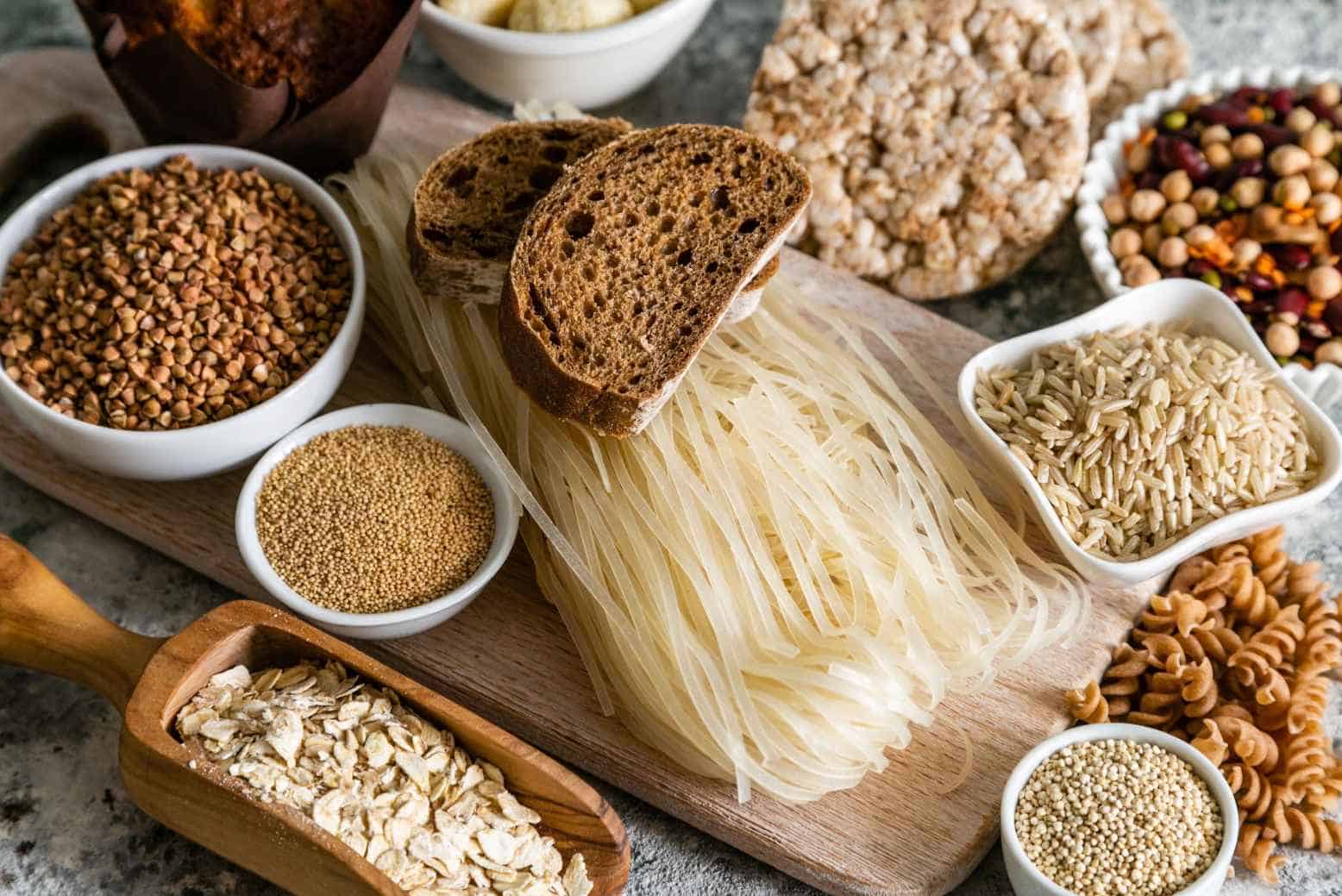
Brewers using these grains create beers that are genuinely "gluten-free". These beers can be fantastic, offering unique flavor profiles that are definitely worth exploring. You might be surprised by the variety and deliciousness you can find!
Reading Between the Lines: Label Smarts
Navigating the beer aisle can feel like deciphering an ancient scroll sometimes. But once you know what to look for, it becomes much easier. Here’s your quick guide:
The "Gluten-Reduced" Clue
If a beer is made using the enzymatic treatment, it will often be labeled as "gluten-reduced". Sometimes you’ll see a specific ppm (parts per million) of gluten listed, which can be helpful for those with stricter needs. The FDA has guidelines for what can be considered "gluten-free" in the US, which generally requires less than 20 ppm of gluten.
The "Gluten-Free" Guarantee
On the other hand, beers made from naturally gluten-free grains will proudly boast a "gluten-free" label. This means they have been brewed without any gluten-containing grains and have met the stringent requirements for being considered truly gluten-free.
Decoding the Ingredients List (If Available)
While not all beer bottles list every single ingredient, if you see barley, wheat, or rye listed, you can generally assume it contains gluten. If you see sorghum, buckwheat, millet, rice, or corn as the primary grain sources, it’s likely gluten-free.
Cultural Brews and Gluten Fun Facts
Beer has been a part of human culture for millennia, long before the concept of gluten sensitivity was even a thing. Ancient Egyptians, Sumerians, and Romans all enjoyed fermented beverages made from grains.
Did you know that the Reinheitsgebot, the German Beer Purity Law of 1516, originally allowed only water, hops, and barley? Yeast was unknown at the time, and they considered it an impurity. Talk about a journey of discovery!
The rise of craft brewing has also opened up a world of experimentation. Brewers are constantly pushing boundaries, and you’ll find some truly innovative gluten-free and gluten-reduced options hitting the market. It’s a really exciting time to be a beer drinker, regardless of your dietary needs.
A Note on Hard Seltzers and Cider
While we’re on the topic, it’s worth mentioning that if you’re looking for gluten-free alternatives, hard seltzers and ciders are generally safe bets. These are typically made from fermented fruits (like apples for cider) or sugar, not gluten-containing grains. They offer a lighter, often fruitier, alternative that’s naturally gluten-free.
Practical Tips for the Gluten-Conscious Beer Lover
So, how can you enjoy your favorite brew without the worry? Here are some practical tips:
- Do Your Research: Before you order at a bar or grab a six-pack, a quick online search can tell you a lot. Most breweries are transparent about their brewing practices and gluten content.
- Look for the Labels: As we discussed, "gluten-free" and "gluten-reduced" are your key indicators.
- Start Small: If you’re trying a new gluten-reduced beer, consider having just one first to see how your body reacts.
- Communicate: When dining out, don’t hesitate to ask your server about the beer options and their gluten content.
- Explore Gluten-Free Grains: Be open to trying beers made from sorghum, buckwheat, or millet. You might discover a new favorite!
- Consider Your Sensitivity Level: Everyone’s body is different. What works for one person might not work for another. Listen to your body and adjust accordingly.
When in Doubt, Ask!
Brewers want you to enjoy their creations. Many are happy to answer your questions about their ingredients and processes. A quick email or social media message can often provide the clarity you need.
A Sip of Reflection
In the grand tapestry of life, our dietary choices are just one thread, albeit an important one. For those of us who love a good beer, the question of gluten content isn't about restriction; it’s about informed enjoyment. It’s about understanding what we’re consuming so we can savor every sip without a second thought.
Think about your morning coffee. You probably know if you prefer it black, with milk, or with a splash of almond milk. It’s a small detail, but it makes the experience yours. The same applies to beer. By understanding the nuances of gluten in beer, you’re simply fine-tuning your experience, making it more enjoyable and healthier for you. It’s about making choices that align with how you want to feel, both in the moment and the day after. After all, life’s too short for mediocre beer, and it’s even shorter for unnecessary discomfort.
So, next time you’re reaching for a pint, whether it’s a classic lager or an adventurous gluten-free brew, you can do so with a little more knowledge and a lot more peace of mind. Cheers to that!

