How Much Does A Home Lift Cost

So, you’re thinking about a home lift, huh? That’s pretty cool! Imagine zipping up to your bedroom like you’re in a mini-spaceship. No more huffing and puffing up those stairs, right? Or maybe someone you care about is finding those stairs a bit… well, a bit much. Whatever your reason, it’s a big question: how much does this fancy contraption actually cost?
Let’s just get this out of the way: it’s not exactly pocket change. This isn’t like buying a new toaster, unfortunately. Think more along the lines of a decent car. Or, you know, a really, really nice holiday. But, hey, if it makes your life easier and safer, it’s an investment, right? A quality-of-life investment, I like to call it. So, let's dive into the nitty-gritty, shall we?
The Big Picture: What Are We Even Talking About?
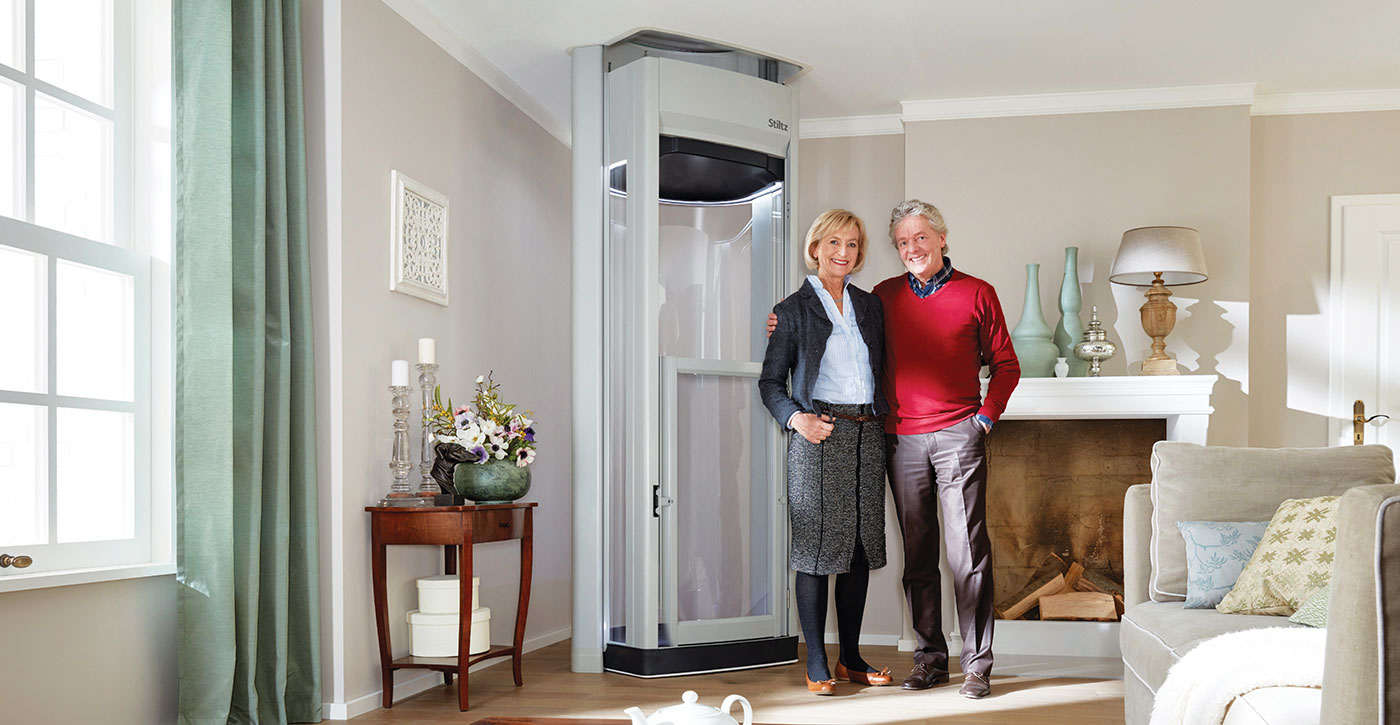
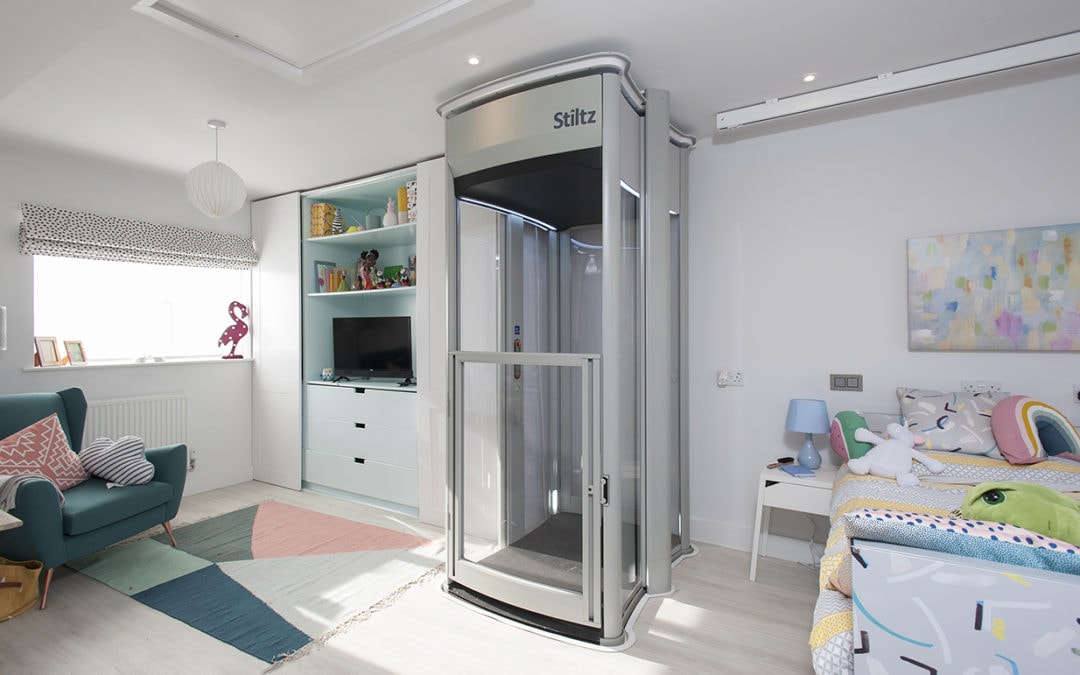
First off, there are a few different types of home lifts. It’s not just one size fits all, thank goodness. You’ve got your traditional platform lifts, which are like a mini elevator in your house. Then there are the more space-saving stairlifts, which are more like a fancy chair that travels along your staircase. And for the really compact spaces, you might even consider a vacuum lift – those are kind of wild, like a giant tube you suck yourself up in! (Okay, not quite, but you get the idea).
Must Read
The type of lift you choose is going to be a huge factor in the price. A full-blown elevator is obviously going to set you back more than a sleek stairlift. It’s like comparing a limousine to a really comfy electric scooter. Both get you places, but one has a bit more… flair (and a lot more machinery).
So, Let’s Talk Numbers (The Scary Part!)
Alright, prepare yourself. This is where things get a little real. For a basic stairlift, you’re probably looking at something in the range of £1,500 to £5,000. Now, that’s a ballpark figure, mind you. It can go up from there, depending on all sorts of things.
Think about it: is your staircase straight as an arrow? Or is it a twisty-turny beast that requires a custom-made track? A straight run is going to be cheaper. A curved one? Well, that’s where things start to get a bit more… bespoke. And bespoke usually means a bit more moolah, doesn’t it?
Then there are the features. Do you want a powered footrest? A swivel seat to make getting on and off easier? Fancy upholstery? These little extras add up. It’s like picking out options on a new car. You start with the basic model, and suddenly you’re adding heated seats, a panoramic sunroof, and a premium sound system. Suddenly, that ‘basic’ price tag looks a bit… quaint.
What About Those Fancy Platform Lifts?
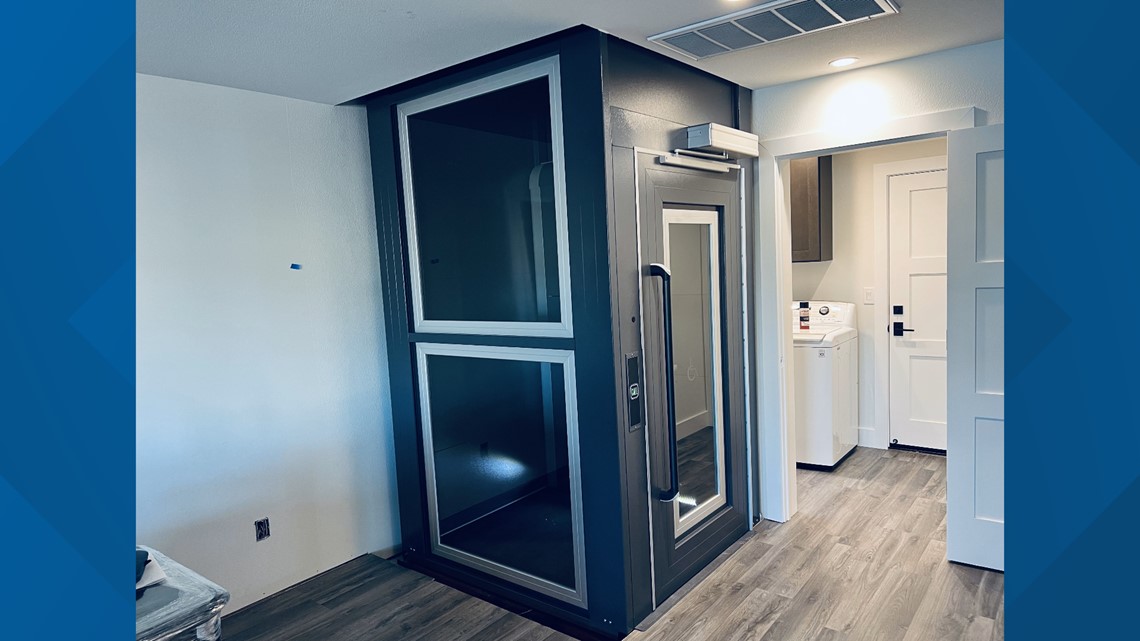
Now, if you’re thinking bigger, like a proper platform lift or a small residential elevator, you’re stepping into a different price bracket altogether. We’re talking serious dough here. We're moving from the "nice holiday" category to the "small car" category, and possibly even the "medium car" category.
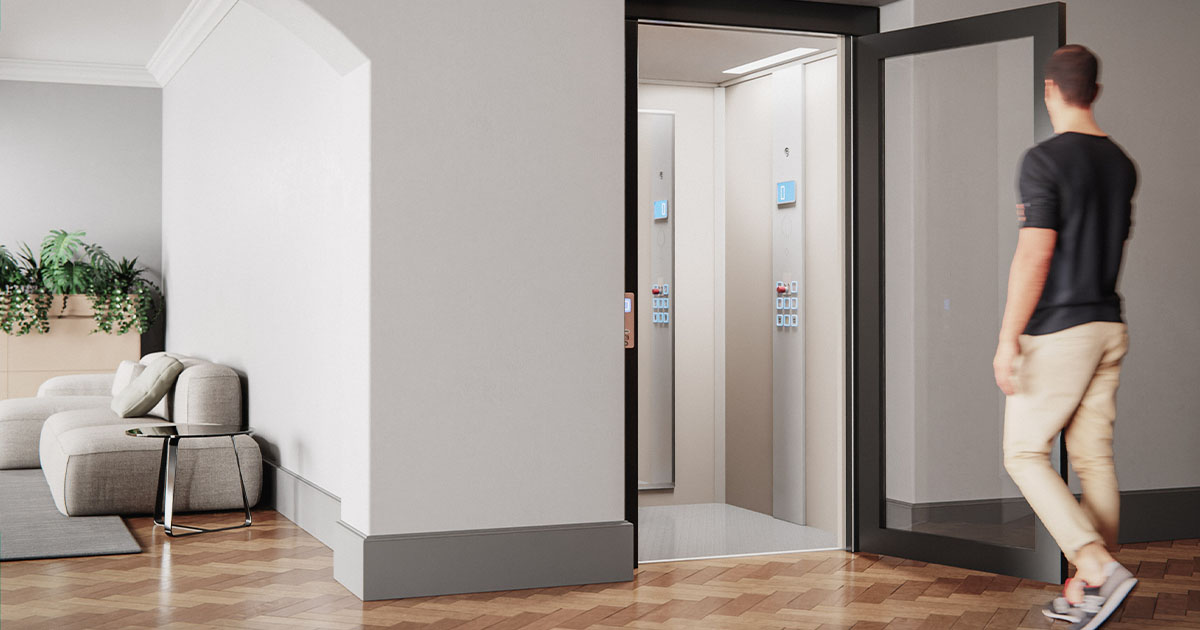
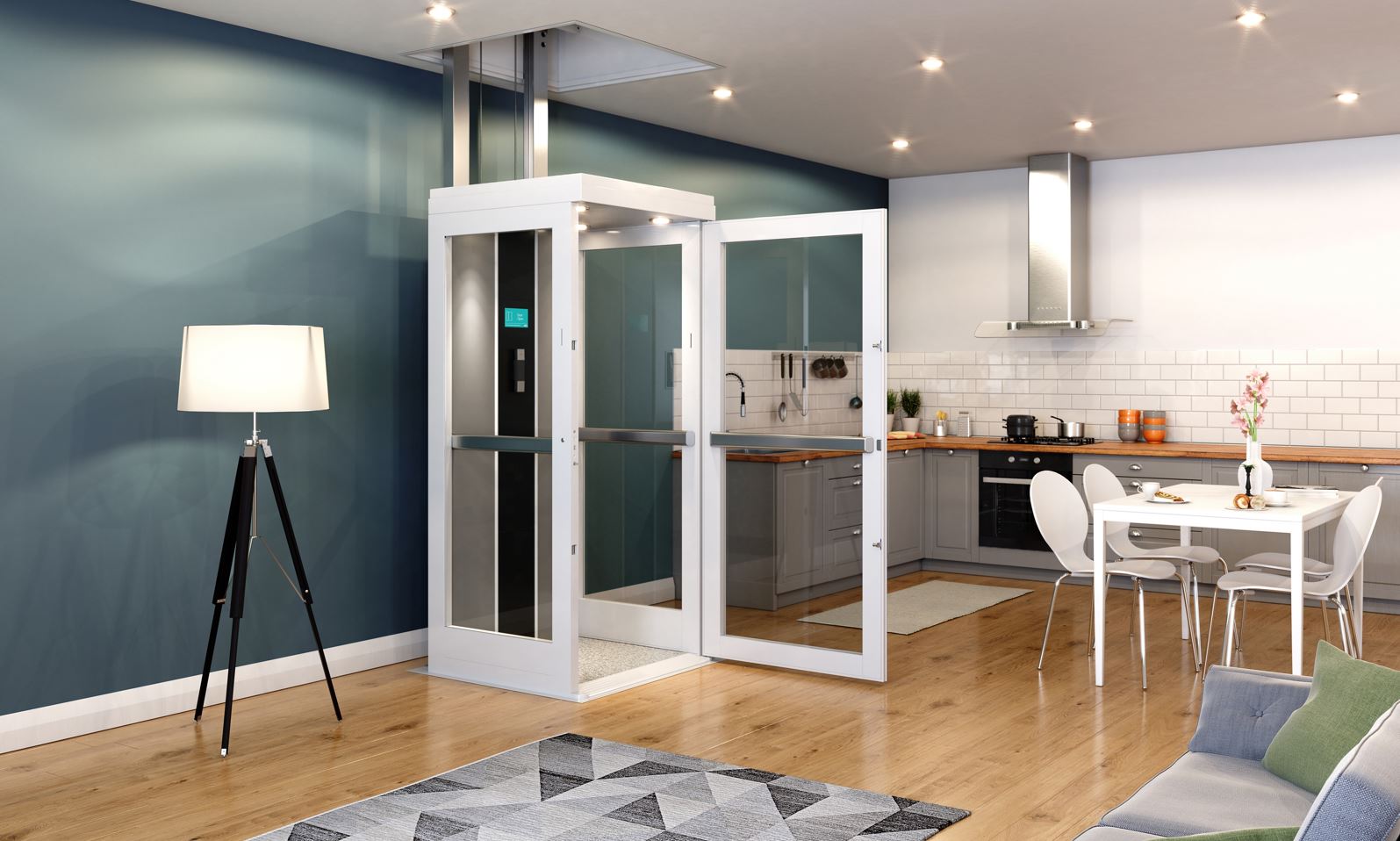
For a standard platform lift, you could be looking at anywhere from £8,000 to £20,000. And yes, that’s often for a pretty basic setup. These are the ones that can take a wheelchair, so they’re a fantastic option for accessibility. They often require a bit more space and structural work.
And the full-blown residential elevator? Oh boy. You’re easily looking at £20,000 and upwards. We're talking about something that’s built into the fabric of your house. This isn't just bolting something onto the stairs; this is creating a new shaft, installing a door, all the electrical work, the whole shebang. It’s a serious undertaking, but imagine the convenience! No more carrying heavy laundry baskets or worrying about slipping with your morning cuppa.
The Hidden Costs (Because Life Isn't Fair!)
Okay, so you've got the sticker price of the lift itself. Great. But is that all you're paying? Nope! Life, my friends, is full of little surprises, and home lifts are no exception. We need to talk about the installation costs. This is where things can get a bit sneaky.
Who’s going to fit this thing? You’re going to need qualified professionals. These aren't DIY jobs, unless you're a retired engineer with a shed full of tools and a penchant for complex machinery. The installers will charge for their time, their expertise, and the sheer effort of getting this thing into your house and working perfectly.
Then there’s the structural work. Does your house need reinforcing? Do you need to cut through walls or floors? Will you need an electrician to upgrade your power supply? These are all things that will add to the final bill. It's like buying a beautiful piece of furniture that requires you to knock down a wall to get it in. Suddenly, the furniture seems a lot more expensive.
And don't forget about building regulations and permits. Depending on where you live, you might need official permission to install a lift. This usually comes with a fee. It’s all about safety, of course, but it’s another little hurdle (and cost!) to consider.
Factors That Make the Price Go Up (or Down, if You're Lucky!)
So, what makes one lift cost £3,000 and another £30,000? Let's break it down:
- Type of Lift: As we’ve already established, a stairlift is generally the most affordable, followed by platform lifts, and then full residential elevators. No surprises there, right?
- Brand and Quality: Just like with cars, some brands are known for their luxury and reliability, and you pay a premium for that. Cheaper alternatives might exist, but do they have the same longevity? That’s the million-dollar question (or, you know, the £10,000 question).
- Customization: Need a specific color to match your decor? A special size to fit a tight spot? Want heated seats for those chilly winter mornings? Customization equals extra cost.
- Staircase Complexity: Straight vs. curved, number of landings, width of the stairs – all these play a role. A simple, straight run is the cheapest option, hands down.
- Number of Floors: A lift that goes between two floors is one thing. A lift that navigates three or four floors? That’s a whole different ballgame, and a more expensive one.
- Features and Finishes: Think powered doors, emergency lighting, intercom systems, premium interior finishes. These are the cherry on top, and they do add to the price.
- Installation Complexity: How much work does it take to get it in? This is a big one. If it’s a straightforward install, great. If it involves significant structural changes, brace yourself for higher costs.
- Location: Believe it or not, where you live can sometimes affect prices. Labor costs and the availability of specialist installers can vary.
The Ongoing Costs: It Doesn't End at Purchase!
And just when you thought you were done with the bills, think again! There are the ongoing costs. Most lifts require regular servicing and maintenance. This is crucial for safety and longevity. You wouldn’t skip your car’s MOT, would you? Same principle applies here.
These service contracts can vary, but you could be looking at a few hundred pounds a year. It’s usually a good idea to have a contract with the company that installed the lift. They know their own equipment best, after all. Plus, if something goes wrong, you want a quick response, right? Nothing worse than being stranded on the landing!
Then there’s the possibility of repairs. Even the best-made lifts can have issues from time to time. Depending on the warranty and the nature of the problem, repairs can range from a relatively small sum to a significant chunk of change. It’s always worth checking the warranty details thoroughly.
Is It Worth It? The Million-Dollar Question (Again!)
So, after all this talk of costs, the big question remains: is a home lift worth the investment? For many people, the answer is a resounding YES.
If a lift means independence for yourself or a loved one, if it means the ability to stay in your own home comfortably and safely, then the cost is secondary. It’s about maintaining dignity, freedom, and quality of life. Think about the peace of mind it can bring. No more worrying about falls, no more feeling trapped on one floor.
For those with mobility issues, a home lift can be life-changing. It opens up the entire house again. It allows people to participate in family life more fully. It’s not just a convenience; it’s a necessity for many.
Getting the Best Bang for Your Buck
If you’re seriously considering a home lift, here’s my friendly advice:
1. Get Multiple Quotes: Don’t just go with the first company you speak to. Shop around! Get at least three detailed quotes from reputable suppliers. Make sure they all quote for the same specifications. This is where you can really save yourself some money.
2. Ask About Grants and Funding: In some areas, there might be grants or funding available to help with the cost of accessibility equipment. It’s worth looking into what’s available in your local area. You never know!
3. Consider Refurbished Options: For some types of lifts, especially stairlifts, you might be able to find refurbished models. These can be a more affordable option, but make sure they come with a decent warranty.
4. Read Reviews: What are other people saying about the companies and the lifts they’ve installed? Online reviews can be a goldmine of information.
5. Don't Skimp on Safety: While it's tempting to go for the cheapest option, remember that this is about your safety. Don't compromise on quality or professional installation for the sake of saving a few pounds.
Ultimately, the cost of a home lift is a significant one. It requires careful budgeting and research. But for many, the benefits of enhanced independence, safety, and quality of life far outweigh the financial outlay. It’s a big decision, but one that can lead to a much happier and more accessible home. So, go forth, do your research, and maybe one day you'll be zipping up to bed like a VIP!