How Many Tooth Human Have

Hey there, ever just sat there, maybe idly tapping your chin, and wondered… just how many teeth do humans actually have? It’s one of those things that’s so familiar, so us, yet we rarely stop to think about the nitty-gritty details. Like, do we all have the exact same number? And what’s the deal with those extra ones that pop up later in life?
Let's dive into the wonderfully weird world of our pearly whites, shall we? It’s actually a pretty fascinating journey, from baby teeth to the full adult set, and even a little beyond. Think of it like a dental adventure, and you’re the intrepid explorer!
The First Set: A Temporary Treasure
So, before we even get to the grown-up chompers, most of us start with a much smaller crew. These are our baby teeth, also known as milk teeth or deciduous teeth. Cute, right? They’re like a practice set, preparing us for the big leagues.
Must Read
How many of these little guys do we have? Usually, it's a neat little set of 20 teeth. Ten on the top, ten on the bottom. They start showing up around 6 months of age, and by the time you’re about 3 years old, you’ve likely got your full baby smile. Imagine a tiny fleet of 20 little helpers, all working to help you gum your way through your first solid foods!
These teeth are super important, even though they’re not permanent. They help with chewing, speaking clearly, and even guide the permanent teeth into their proper places. So, even though they’re temporary, they’re absolutely crucial. They’re like the scaffolding for your future smile.
The Big Switcheroo: Making Way for the Adults
Then comes the exciting, and sometimes slightly painful, stage of losing those baby teeth and welcoming the permanent ones. It’s a natural process, and it starts happening around age 6. You might notice one of your front teeth wiggling, and soon enough, pop! A brand new tooth takes its place.

This is where things get a little more numerous. The permanent teeth are designed to last a lifetime, and they’re a bigger, stronger bunch. They start pushing their way up, gradually replacing the baby teeth. It’s like a silent takeover, happening behind the scenes.
The Full Grown Smile: A Standard Set
So, how many teeth do most adults end up with? If you’ve got a "perfect" set and haven't had any removed, the standard number for an adult human is 32 teeth. That’s right, 32!
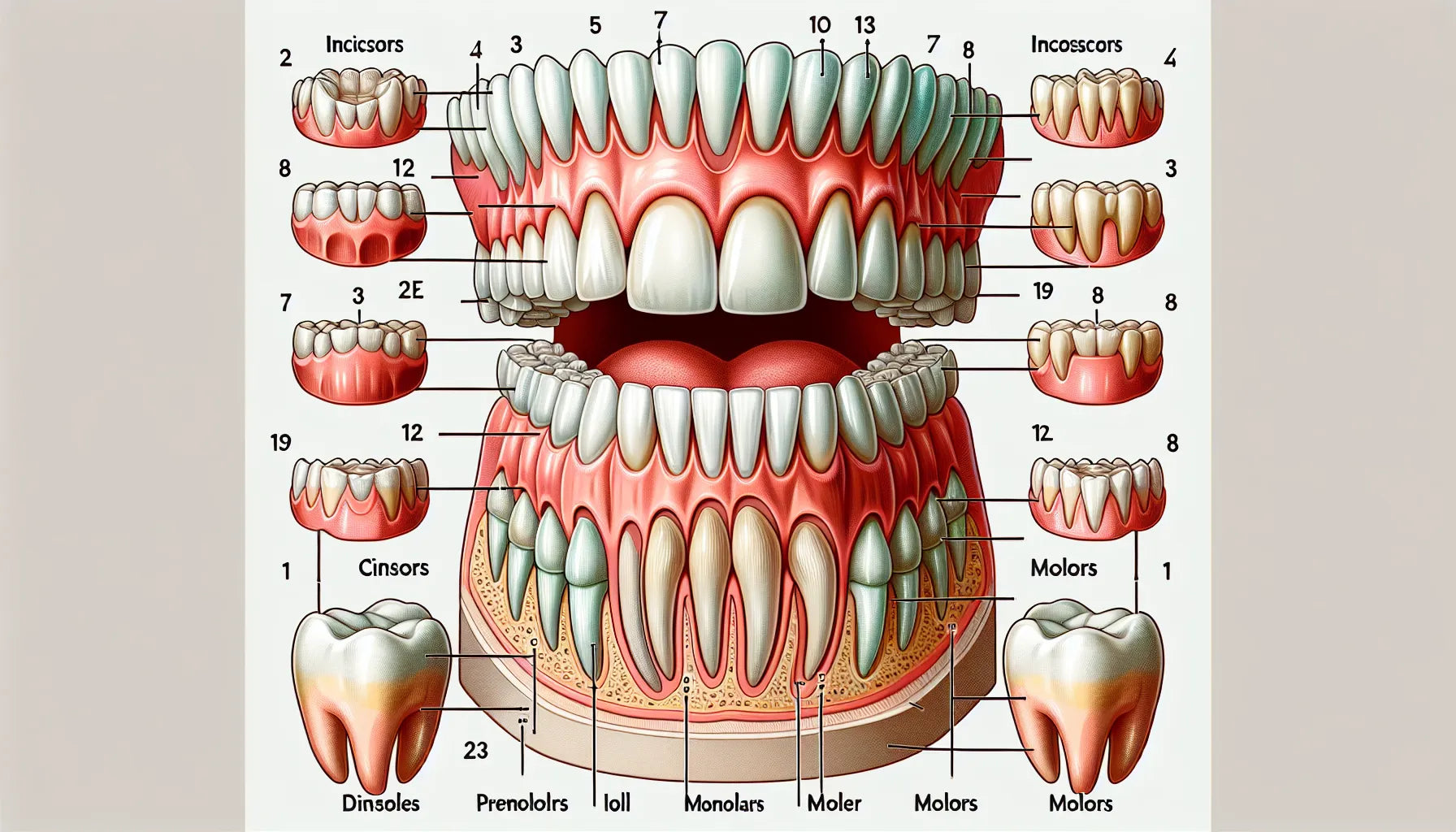
This set is usually divided into:
- 8 Incisors: These are your front, flat teeth, perfect for biting and cutting food. Think of them as your dental scissors.
- 4 Canines: These are your pointy teeth, right next to your incisors. They're great for tearing food. Imagine them as tiny dental daggers.
- 8 Premolars: Located behind the canines, these are broader and used for crushing and grinding food. They’re your dental rock crushers.
- 12 Molars: These are the big guys at the back of your mouth, the ultimate grinding machines. They have flat surfaces for breaking down food before you swallow.
That adds up to 8 + 4 + 8 + 12 = 32. Pretty neat, huh? It’s a perfectly designed system for tackling pretty much anything you throw at it, from crunchy apples to chewy steak.
The Mystery of the Wisdom Teeth
Now, you might be thinking, "Wait a minute, I thought there were more!" And you'd be partially right. Those extra four teeth in the adult set are the wisdom teeth. These guys usually start making their appearance much later, typically in your late teens or early twenties. Hence the name, "wisdom" teeth – you’re supposed to be a bit wiser by then, right?
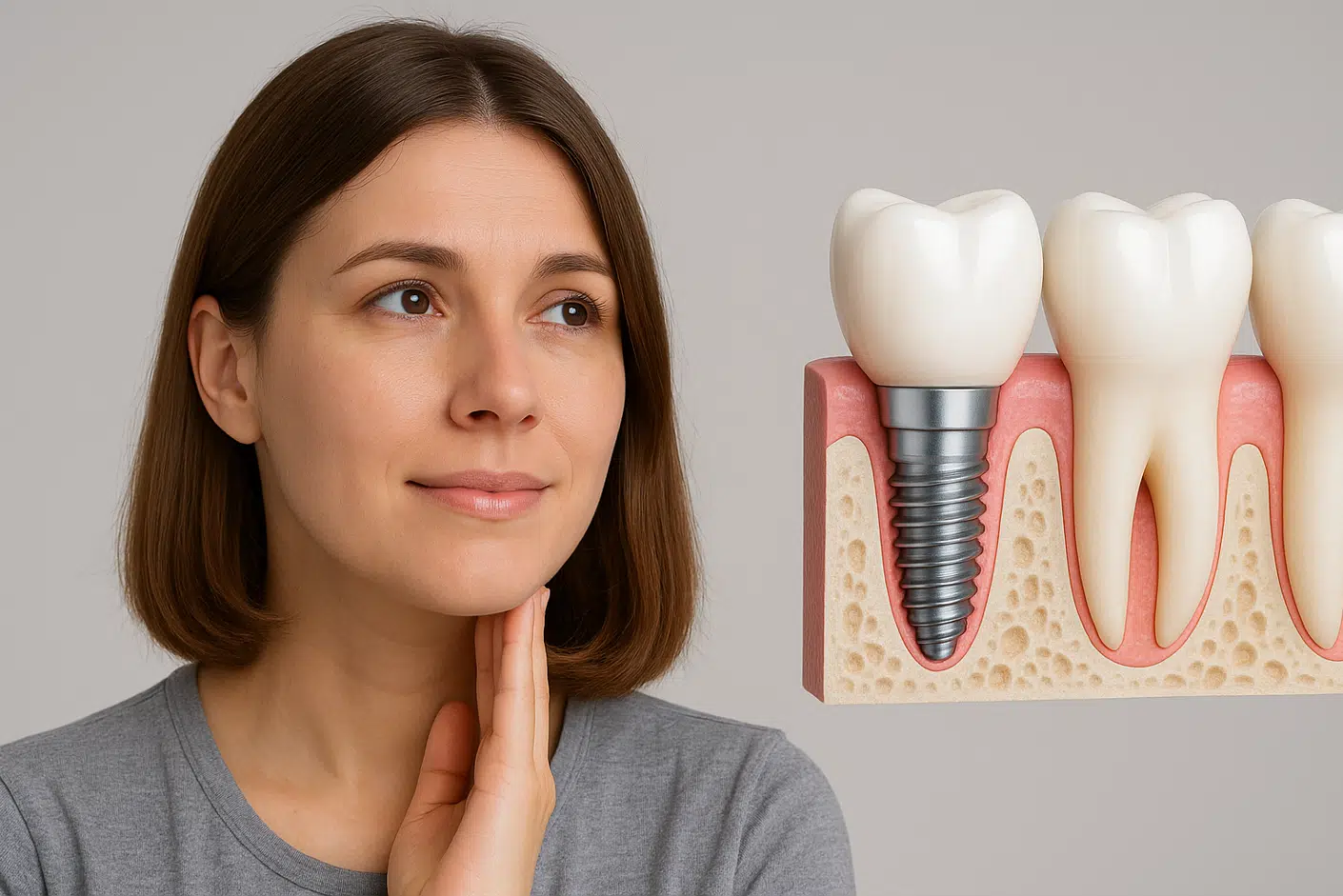
But here’s the kicker: not everyone’s wisdom teeth come in nicely, or even come in at all! Sometimes, there just isn’t enough room in the jaw for them. They can become impacted, meaning they’re stuck under the gums, or they might try to come in at weird angles, potentially crowding other teeth. This is why many people end up having their wisdom teeth removed.
So, if you have had your wisdom teeth removed, or they never developed, you might have 28 teeth. And that’s totally normal! It just means your dental squad is a little smaller, but still incredibly effective.
Are There Any Exceptions?
It’s rare, but some people might have a few more or a few less teeth than the standard 32. This can be due to genetic factors, certain medical conditions, or sometimes teeth are lost due to decay or injury. But for the vast majority of us, it’s either the 20 baby teeth or the 32 adult teeth (give or take those wisdom teeth!).
Think of it like this: the human body is a marvel of biological engineering, and while there are general blueprints, there’s always a little room for variation. It’s what makes us unique!

Why It's Kind of Cool
Honestly, isn't it kind of amazing that we have this built-in set of tools that we use literally every single day, often without a second thought? From a baby learning to chew their first mushy peas to an adult enjoying a juicy steak, our teeth are there, silently doing their work.
And the progression from baby teeth to adult teeth? It’s a natural, biological transition, a sign of growing up. It’s like upgrading your software – the new version is bigger, better, and built to last!
So, the next time you brush your teeth, take a moment to appreciate the 32 (or 28, or however many you have!) little wonders in your mouth. They’ve been with you through a lot, and they’ll be with you for a lot more. Pretty cool, right?


:max_bytes(150000):strip_icc()/HowManyTeethDoAdultsHave-final-0c3dd9a52cdf4801b386595a3a601911.png)