How Many Miles On A Used Car
So, you're thinking about snagging a used car, huh? Awesome! It's like a treasure hunt, really. You never quite know what gems you'll find. But then comes the big question, the one that keeps you up at night (or at least makes you squint at the odometer): how many miles is too many miles?
It's a classic, right? Like asking if pineapple belongs on pizza. Some people have strong opinions! And honestly, it’s not as simple as just a number. Nope. It’s way more nuanced than that. Think of it like dating – mileage is just one factor in the whole equation.
The Big Number: What’s Average Anyway?
Okay, let's get down to brass tacks. What's the magic number? Well, the general consensus, the whisper on the automotive streets, is that around 12,000 to 15,000 miles per year is pretty standard for a regular driver. So, if you're looking at a car that's, say, five years old and has 70,000 miles on it? That's right in the ballpark. Pretty normal stuff. Nothing to write home about. Yet.
Must Read
But here’s where it gets interesting. What if a car has 150,000 miles? Is that an automatic no-go? Not necessarily! And what about a car with only 30,000 miles? Is it a guaranteed slam dunk? Again, hold your horses. There’s more to the story.
Low Mileage Isn't Always a Gold Star
You might think, "Less miles, less wear and tear, right?" And yeah, that’s usually true. But sometimes, a super low-mileage car can actually be a bit of a red flag. Weird, I know! It’s like finding a perfectly preserved ancient artifact. You start wondering, "What's the catch?"
Imagine a car that's sat in a garage for years. It might have low miles, sure. But all those rubber seals, hoses, and belts? They can dry out and crack from just sitting there. Batteries can die. Tires can get flat spots. It's like your muscles getting stiff if you don't use them. The car needs to be driven! Regular use, even moderate use, keeps things lubricated and working.
So, a car that’s been driven regularly, even a bit more than average, might actually be in better condition than one that’s been neglected in a driveway. Who knew, right? It’s a plot twist worthy of a daytime soap opera.
The High Mileage Debate: When is it Too Much?
Now, let's tackle the elephant in the room: the high-mileage heroes. Cars with over 100,000 miles. Are they all ticking time bombs? Absolutely not! Think of it this way: a well-maintained 150,000-mile car can easily outlive a neglected 75,000-mile car. It’s all about the care and feeding of the vehicle.
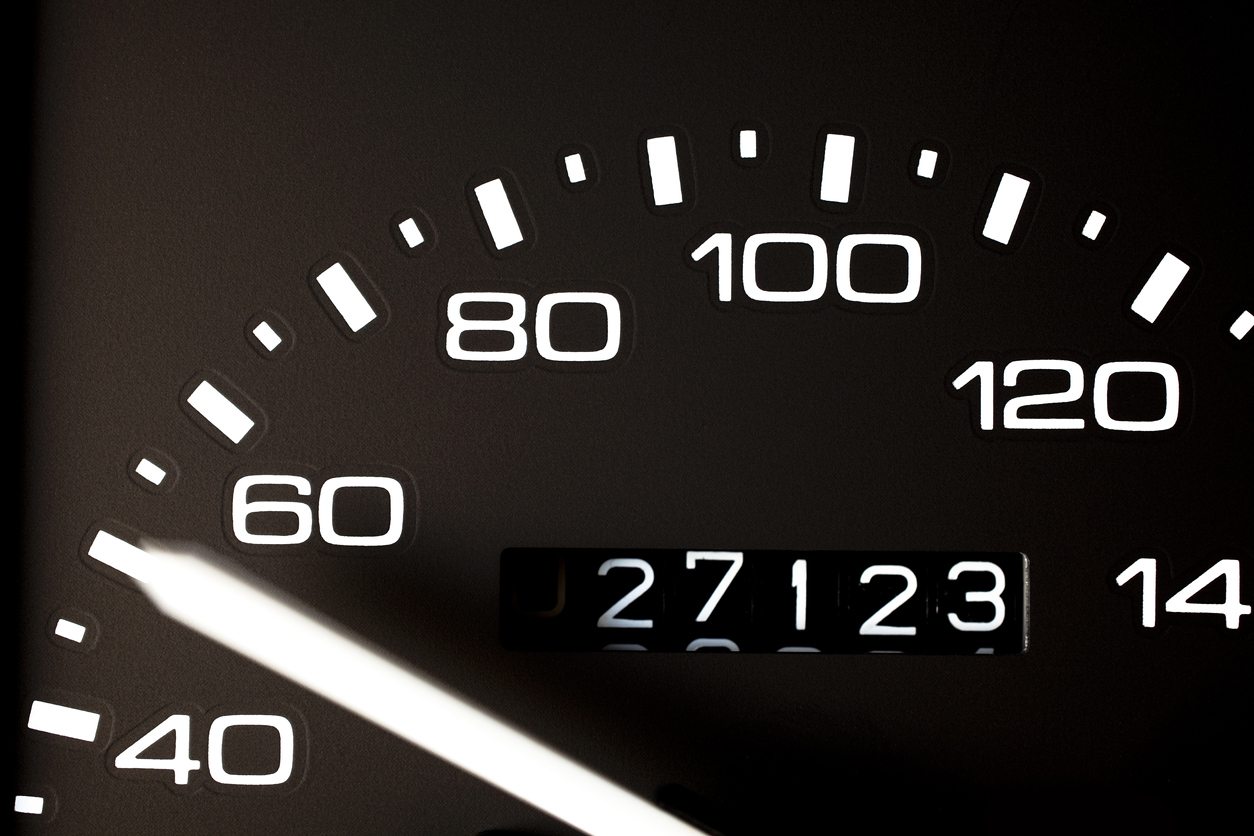
If a car has seen a lot of miles, what you really want to know is: how were those miles accumulated? Were they mostly highway miles? That’s generally the best kind of mileage. Cruising on the open road is like a spa day for an engine. Less stop-and-go, less stress on the brakes and transmission.
On the flip side, if those miles were racking up in city traffic, with endless red lights, stop signs, and bumper-to-bumper jams? That’s a different story. That kind of driving puts a lot more strain on the engine, transmission, and braking system. It’s like a marathon runner doing sprints all day, every day. Exhausting!
The Dreaded "F" Word: Fleet and Rental Cars
Okay, so what about cars that were used as company vehicles or rental cars? These can rack up miles fast. And often, they haven't been babied. Imagine a rental car. Who's being gentle with that thing? Probably not many people. They’re driven by a revolving door of different drivers, some who care, some who… well, let's just say they don't.
Fleet vehicles can be a bit of a mixed bag too. Sometimes they’re meticulously maintained because the company needs them to be reliable. Other times, they’re just driven hard and put away wet. It’s always worth digging into the history of these types of vehicles. A thorough inspection is a must!
Beyond the Odometer: What Else Matters?
Here's the secret sauce, the real intel: the odometer is just a starting point. It's the headline, not the whole article. What you really need to focus on is the overall condition and maintenance history. This is where you become a detective. Sherlock Holmes, eat your heart out.
The Maintenance Records: Your Best Friend
This is HUGE. Like, seriously, this could be the deciding factor. If a seller has a thick binder full of service records, showing regular oil changes, filter replacements, and timely tune-ups? That car has likely been cared for. That's a green light, my friend. A big, flashing, neon green light.
If they hand you a blank stare and say, "Uh, I think I changed the oil a few times?" Run. Just… run. It’s not worth the gamble. A car is a complex machine. It needs attention. It needs love. And it needs proof that it got it!
The Test Drive: Listen and Feel
You absolutely, positively, no-excuses have to take it for a spin. And I don't just mean around the block. Go on the highway. Hit some bumps. Turn the radio off! Listen for weird noises. Clunks, rattles, squeaks – they all tell a story. Does the steering feel loose? Does the transmission shift smoothly, or does it feel like it's grinding gears on a first date?
Pay attention to how the brakes feel. Do they grab suddenly, or do they feel mushy? Is there a vibration when you brake? All these things are clues to potential problems. Your senses are your most valuable tools here. Trust your gut!
The Pre-Purchase Inspection: The Ultimate Shield
This is non-negotiable, folks. If you're serious about a car, especially one with higher mileage or a questionable history, get a pre-purchase inspection (PPI) done by an independent mechanic. This is your safety net. It's like getting a second opinion from a doctor before a big surgery.

A good mechanic will put the car up on a lift, poke and prod every nook and cranny, and tell you what's good, what's bad, and what's going to need attention soon. It might cost you a hundred bucks or so, but it could save you thousands in repairs down the line. It’s an investment in peace of mind, and in a used car, that's worth its weight in gold.
Mileage is Just a Number... Sort Of
So, to circle back to the original question: how many miles is too many? There's no single answer. A car with 50,000 miles that's been abused and neglected could be a disaster. A car with 150,000 miles that's been meticulously maintained and driven mostly on highways could be a gem. It’s all about the context.
Think about the make and model too. Some cars are known for their longevity. Think of those old Toyota Corollas or Honda Civics that seem to run forever. Others… well, let's just say they might have a shorter lifespan. Do a little research on the specific model you're interested in.
What’s a "Good" Mileage for Different Types of Cars?
Let's break it down a little, just for fun, and remember this is super generalized:
Under 50,000 miles: Generally considered low mileage. Great for newer used cars. You're likely still in the prime of its life. Still, check that maintenance history!
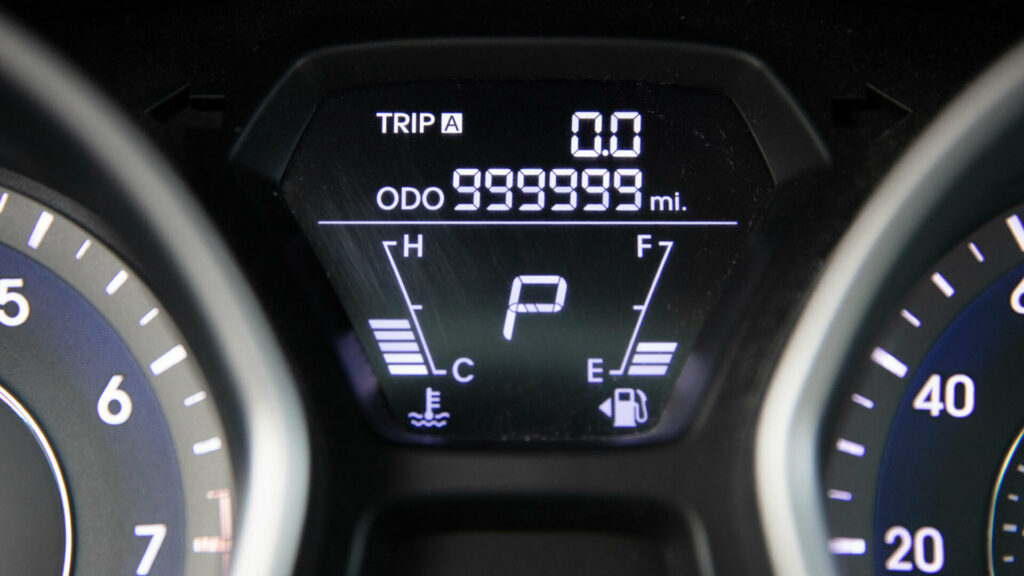
50,000 - 100,000 miles: This is the sweet spot for many used car buyers. You can often get a great deal on a car that's still got plenty of life left. This is where a solid maintenance record is absolutely key.
100,000 - 150,000 miles: This is where things start to get interesting. You can find some fantastic deals here, but you need to be extra diligent. Look for those highway miles and that impeccable maintenance history. Be prepared for the possibility of needing some repairs sooner rather than later, but the savings can be significant.
Over 150,000 miles: This is for the adventurous buyer, or someone looking for a project car, or someone who knows their way around a wrench. It’s not necessarily a bad thing, but it requires a deep dive. And that PPI is more important than ever. You might be looking at a car that's a workhorse but needs some TLC.
The Bottom Line: Be a Savvy Shopper
Ultimately, buying a used car is about making an informed decision. Don't get fixated on just the mileage number. It's a piece of the puzzle, but it's not the whole picture. Look at the car's history, its condition, and listen to what your mechanic tells you.
A car with high mileage, but with a documented history of excellent maintenance and a clean bill of health from a trusted mechanic, can be a far better purchase than a low-mileage car that’s been neglected. So, get out there, do your homework, trust your instincts, and happy hunting!
And hey, if you find a used car that's practically singing opera and has 200,000 miles on it? You might just have found yourself a legend. Go for it! You can always say you bought a car with character.