
How Many Amps Is A Car Battery
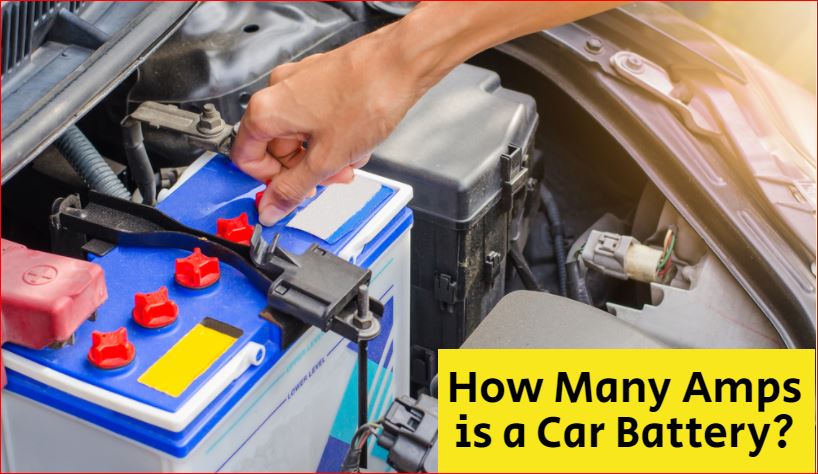
Ever stared at your car, pondered its inner workings, and thought, "You know, I'm genuinely curious about how many amps that battery is packing?" Yeah, me neither. Until, that is, I realized that understanding this little piece of electrical might could actually be, dare I say, fun? Stick with me, because we're about to dive into the electrifying world of car batteries, and trust me, it’s more exciting than you’d think!
So, what is an amp, anyway? Think of it as the unit that measures the flow of electricity. It’s like the volume of water rushing through a pipe. The more amps, the more "juice" is moving. And your car battery? It’s the superhero that provides that initial surge of power to get everything humming. From the satisfying rumble of your engine starting to powering your headlights on a dark night, that battery is working overtime!
The Heart of the Start: Cold Cranking Amps (CCA)
Now, when we talk about car battery power, you'll most often hear about something called Cold Cranking Amps, or CCA. This sounds super technical, right? But it's actually a pretty straightforward concept, and a rather important one at that. Imagine your car on a chilly winter morning. Brrr! It's a bit sluggish, and so is your engine oil. Starting your car in the cold requires a lot more oomph from the battery.
Must Read
CCA is basically a measurement of how much power a battery can deliver for a sustained period (about 30 seconds) at a chilly 0°F (-18°C) without its voltage dropping too low. Think of it as the battery's grit, its ability to power through the resistance of a cold engine. A higher CCA rating means your car is more likely to start on those frosty mornings. So, if you live somewhere with actual winters, this is the number you'll want to pay attention to when you’re considering a new battery.
So, How Many Amps Are We Talking About?
Alright, let's get down to the nitty-gritty. Car batteries typically have a CCA rating that ranges from around 350 to 750 amps. That’s a huge amount of electrical flow, especially when you consider it’s all coming from this relatively small box under your hood. Some high-performance vehicles or those designed for extreme climates might even have batteries with CCA ratings exceeding 1000 amps! Can you believe it? All that power, just waiting to unleash.

But wait, there's more! Beyond CCA, you’ll also see Reserve Capacity (RC). This tells you how long, in minutes, a fully charged battery can supply 25 amps before its voltage drops below a usable level. It’s like the battery’s stamina. This is particularly important if you find yourself running accessories like your stereo or lights with the engine off for extended periods. It’s a different kind of power, a sustained hum rather than a mighty roar.
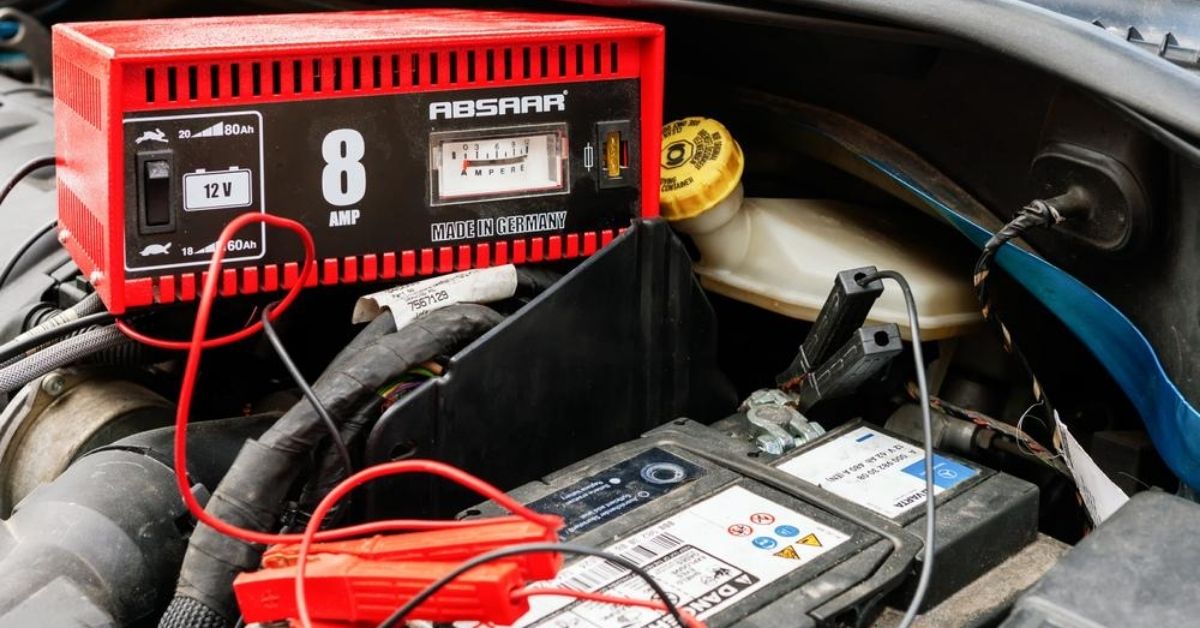
And then there's the Ampere-hour (Ah) rating, which is common for batteries in other applications but sometimes seen on car batteries too. This simply measures the total amount of electrical charge the battery can deliver over time. For example, a 60Ah battery can theoretically deliver 1 amp for 60 hours, or 6 amps for 10 hours, and so on. It’s a more general indicator of the battery’s total energy storage.
Why Does This Even Matter to Us, the Driving Public?
Okay, so we've thrown around some numbers. Why should you care about these amp ratings? Well, for starters, it can save you a headache! Knowing your battery’s CCA is crucial for ensuring your car starts reliably, especially when the weather decides to get grumpy. Nothing ruins a morning quite like a dead battery, right?
Plus, it’s a fun little bit of trivia for your next car chat! Imagine this: you're out with friends, everyone's talking about their cars, and you casually drop in, "You know, my battery can crank out up to 600 amps when it's really cold!" Boom. You're suddenly the resident car-battery guru. Who knew being a little nerdy could be so cool?

Understanding these ratings also empowers you when it's time to replace your battery. You can choose the right one for your vehicle and your climate, ensuring optimal performance and longevity. It’s about making informed decisions, and that feels good, doesn't it? It’s like being a detective, uncovering the secrets of your car’s electrical heart.
The Bigger Picture: More Than Just Starting
It's easy to think of the battery as just the "starter." But in modern cars, it's doing so much more! Think about your infotainment system, your heated seats, your array of sensors all sending data. While the alternator handles the bulk of the power when the engine is running, the battery is the crucial backup and the source for that initial jolt. It’s a team player!

This is why a healthy battery is so vital. A weak battery might still have enough juice to start your car most of the time, but it could be struggling to keep all those other essential systems happy. This can lead to quirky electrical issues, warning lights, or even premature failure of other components. So, giving your battery some love is like giving your whole car a confidence boost.
Unleashing Your Inner Auto Enthusiast
See? Learning about car batteries doesn't have to be dry and dusty. It's about understanding the power that makes your trusty steed go. It’s about appreciating the engineering marvel that sits quietly under your hood, ready to spring into action at a moment's notice.
So, the next time you hear that satisfying engine roar to life, take a moment to give a silent nod to your car battery. Think about those amps, those CCAs, and the incredible work it’s doing. It’s a small component with a massive impact, and understanding it can open up a whole new world of appreciation for your vehicle. Who knows what other fascinating automotive secrets are waiting for you to discover? Go on, get curious! Your car, and your inner auto enthusiast, will thank you for it!

