
How Long To Defrost Leg Of Lamb
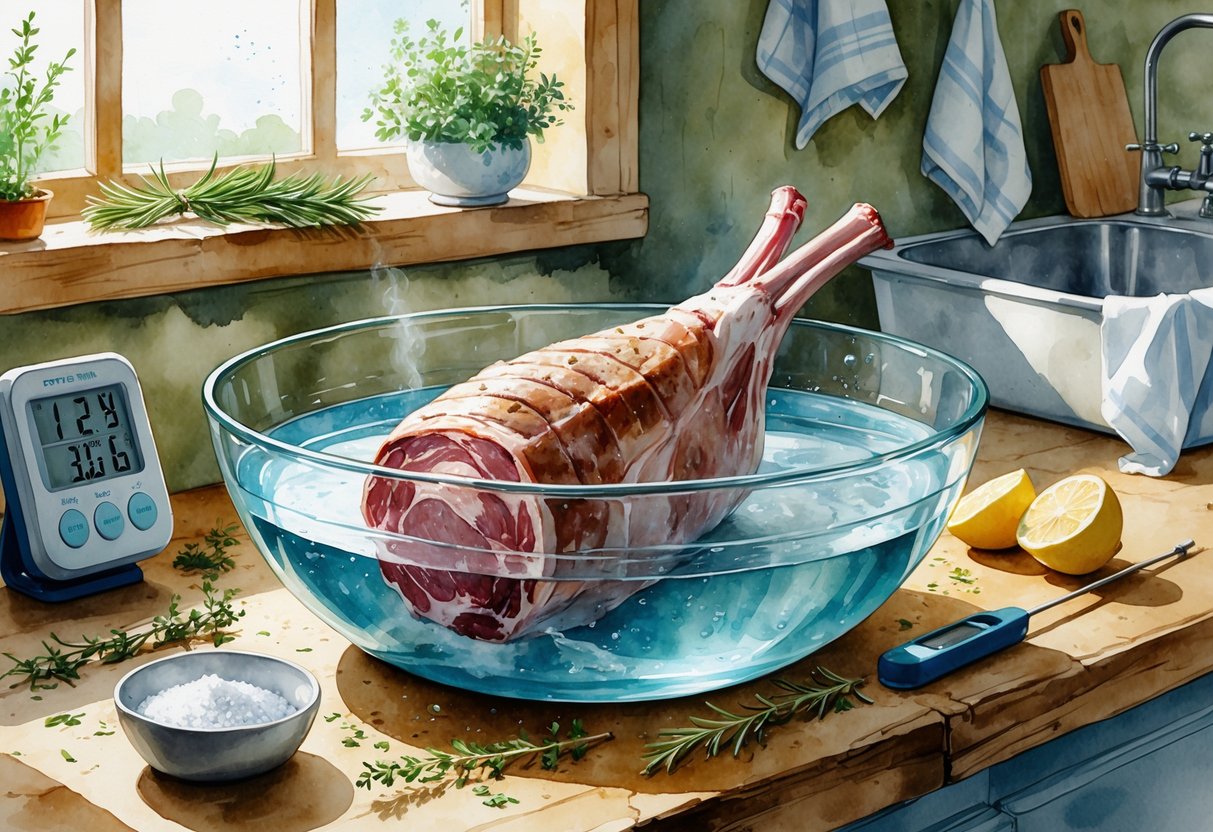
Ah, the leg of lamb. That glorious centerpiece, promising tender, juicy perfection and enough leftovers for a week of deliciousness. But before you can even dream of that first savory slice, there's the elephant in the kitchen: defrosting.
It’s a culinary rite of passage, really. That moment when you pull the frosty behemoth from the freezer and a tiny seed of doubt, or perhaps even mild panic, can sprout. “How long will this take?” you whisper to the freezer door. Fear not, fellow food enthusiasts! We’re here to demystify the defrosting process, transforming it from a daunting task into a relaxed, almost meditative part of your cooking journey.
Think of it like this: Rome wasn't built in a day, and neither is a perfectly thawed leg of lamb. Patience is your secret ingredient here. And with a little knowledge and a sprinkle of foresight, you’ll be well on your way to lamby bliss without any last-minute kitchen meltdowns.
Must Read
The Magic of the Refrigerator Defrost: Your Slow and Steady Wins the Race
Let’s be honest, the safest and most recommended method for defrosting a leg of lamb (or any large cut of meat, for that matter) is in the refrigerator. This might seem agonizingly slow, especially when your stomach is rumbling and visions of roasted rosemary and garlic dance in your head. But this is where the easy-going lifestyle truly shines – embracing the unhurried approach.
Why the fridge? Simple science, really. Keeping the lamb at a consistent, cold temperature (below 40°F or 4°C) prevents the growth of harmful bacteria. This is crucial for food safety, ensuring your delicious meal doesn’t turn into an unwelcome gastronomic gamble.
So, how long are we talking? Prepare yourself for the answer: it’s not a one-size-fits-all situation. The general rule of thumb is to allow 24 hours for every 5 pounds (approximately 2.25 kg) of lamb. So, if you’ve got a hefty 7-pounder, you’re likely looking at around 34-48 hours. Yes, that means planning ahead is key!

Imagine it as a gentle awakening for your lamb. It’s not being jolted into action, but rather slowly and naturally returning to a pliable state. This methodical approach also helps to preserve the quality and texture of the meat, preventing it from becoming watery or mushy upon cooking.
Practical Tips for Fridge Defrosting:
- The Pan Power: Always place your leg of lamb on a rimmed baking sheet or in a large tray. This catches any potential drips as it thaws, saving you from a sticky refrigerator situation. Think of it as a little spa treatment for your lamb, complete with a drainage system.
- The Wrap Factor: Ensure your lamb is well-wrapped in its original packaging or tightly sealed in plastic wrap. This prevents it from drying out and also stops any icy bits from scattering around your fridge.
- Location, Location, Location: Give your lamb some prime real estate. Place it on the bottom shelf of your refrigerator. This is the coldest part of the fridge and also ensures that if any juices do escape, they won’t drip onto other foods. Safety first, deliciousness second!
- The Peek-a-Boo Test: How do you know it’s ready? You should be able to flexibly bend the thickest part of the leg. If it’s still rigid and frozen solid, it needs more time. Don’t force it!
The Cold Water Bath: For When Time is (Slightly) of the Essence
Okay, so maybe you’ve had a moment of forgetfulness, or perhaps you’re hosting an impromptu gathering and that beautiful leg of lamb was a spontaneous freezer purchase. Don’t despair! The cold water bath method is your slightly quicker, yet still perfectly safe, alternative to the refrigerator defrost.
This method is a bit more hands-on and requires your attention, but it’s a fantastic option when you need to speed things up without resorting to the microwave, which can often lead to uneven thawing and rubbery meat. Think of this as a refreshing plunge for your lamb.

The general guideline here is about 30 minutes per pound (approximately 0.45 kg). So, for a 5-pound leg of lamb, you're looking at roughly 2.5 hours. This is significantly faster than the refrigerator method, but it requires vigilance.
The key to success with the cold water bath is ensuring the lamb remains completely submerged in cold water and that the water is changed regularly. This maintains a consistently cold environment around the meat, allowing it to thaw safely and evenly.
The Cold Water Bath Ritual:
- The Submersion Strategy: You’ll need a large sink or a sturdy container that can comfortably hold your leg of lamb. Submerge the lamb completely in the vessel, making sure no part of it is exposed to the air.
- The Water Change Game: This is where the attention comes in. Every 30 minutes, drain the lukewarm water and refill the container with fresh, cold water. This prevents the water from warming up, which could compromise food safety. Think of it as giving your lamb a refreshing spa experience with frequent cool rinses.
- The Seal of Approval: Ensure the lamb is securely sealed in a leak-proof bag before it goes into the water. Double-bagging is never a bad idea to prevent any water from seeping into the meat, which can dilute its flavor.
- The Final Check: Similar to the fridge method, the lamb is ready when the thickest part is flexible. Once thawed using this method, you should cook it immediately. It’s not recommended to refreeze lamb that has been thawed in cold water.
The Microwave Method: A Last Resort for the Impatient
We’re going to talk about the microwave, but let’s preface this by saying it’s generally not the preferred method for defrosting a large cut like a leg of lamb. The microwave, while fast, can be a bit of a bully. It tends to heat the meat unevenly, leading to partially cooked or rubbery sections. It’s like trying to rush a marathon runner – not ideal for optimal performance.
However, if you are in a dire situation and need to defrost your lamb as quickly as humanly possible, the microwave can be used. Just be prepared for a less-than-perfect outcome and proceed with extreme caution.

Most microwaves have a defrost setting. You’ll need to consult your appliance's manual for specific instructions, as wattages and defrost cycles vary wildly. As a rough estimate, you might be looking at 6-8 minutes per pound (0.45 kg), but this is highly variable.
Microwave Magic (or Mayhem):
- The Defrost Setting is Your Friend: Use the designated defrost function. If your microwave doesn't have one, use the lowest power setting and keep a very close eye on it.
- Rotate and Separate: You’ll likely need to rotate the lamb frequently and even separate pieces if they start to cook. This helps to minimize hot spots.
- The "Is it Warm?" Test: The goal is to defrost, not cook. The lamb should still be cold to the touch, but pliable. If any parts start to turn pink or cook, stop the microwave immediately.
- Cook Immediately, No Exceptions: Just like the cold water bath, lamb defrosted in the microwave must be cooked immediately. The uneven heating can create pockets where bacteria can thrive, so immediate cooking is crucial for safety.
Cultural Nibbles and Fun Facts
Did you know that lamb has been a staple in many cultures for centuries? In many Mediterranean and Middle Eastern cuisines, lamb is revered. Think of the glorious Greek dish, Kleftiko, where lamb is slow-cooked in a parchment paper parcel with herbs and vegetables, often after being marinated for a long time. The patience required for defrosting is just the first step in a long tradition of appreciating this magnificent meat.
And in Australia and New Zealand, lamb is practically a national treasure! Sunday roasts featuring a beautifully cooked leg of lamb are a cherished family tradition. The anticipation of that perfectly crisp exterior and meltingly tender interior is something truly special, and it all starts with the thoughtful defrost.

Fun fact: The word "lamb" comes from the Old English word “lamb,” which is thought to be of Germanic origin. Pretty straightforward, but it’s a reminder of how long this delicious meat has been part of our culinary vocabulary.
The Reflection: Embracing the Pause
So, as you stand before your frozen leg of lamb, remember that the defrosting process is more than just a mechanical task. It’s an invitation to slow down, to plan ahead, and to appreciate the journey of your food.
In our fast-paced world, where instant gratification is often the name of the game, taking the time to properly defrost your lamb is a small act of rebellion. It’s a conscious choice to prioritize quality and safety over speed. It’s a little moment of mindfulness in your kitchen, a chance to connect with the food you’re preparing and the people you’ll be sharing it with.
Whether you’re a seasoned chef or a culinary novice, mastering the art of the defrost will elevate your cooking and bring a sense of calm to your kitchen. So, next time you pull that frosty leg of lamb from the freezer, embrace the pause. Let it thaw gently, and savor the delicious anticipation of the feast to come. After all, the best things in life, much like a perfectly cooked leg of lamb, are often worth waiting for.

