How Long Does A Gas Bottle Last
.jpg)
Ah, the humble gas bottle! For many of us, it’s the unsung hero of weekend adventures, spontaneous backyard barbecues, and even those chilly evenings when a little extra warmth is just what the doctor ordered. There's a certain joy in firing up the grill, knowing that with a flick of a switch, you're about to create delicious memories. Or perhaps it’s the cozy glow of a patio heater that extends your outdoor enjoyment well into the cooler months. Whatever your pleasure, the gas bottle is often at the heart of it, providing that essential fuel for fun and functionality.
But let's be honest, the burning question that often lingers, much like the delicious aroma of perfectly grilled steak, is: how long does this magic elixir actually last? It's a question that can save you from mid-burger disappointment or an unexpectedly chilly patio. Understanding the lifespan of your gas bottle isn't just about convenience; it's about efficiency and preparedness. For the avid griller, it means avoiding that awkward moment when the flames dwindle just as your guests arrive. For the patio heater user, it ensures a warm welcome on a crisp evening. And for those who rely on gas for cooking, it's about uninterrupted meal preparation.
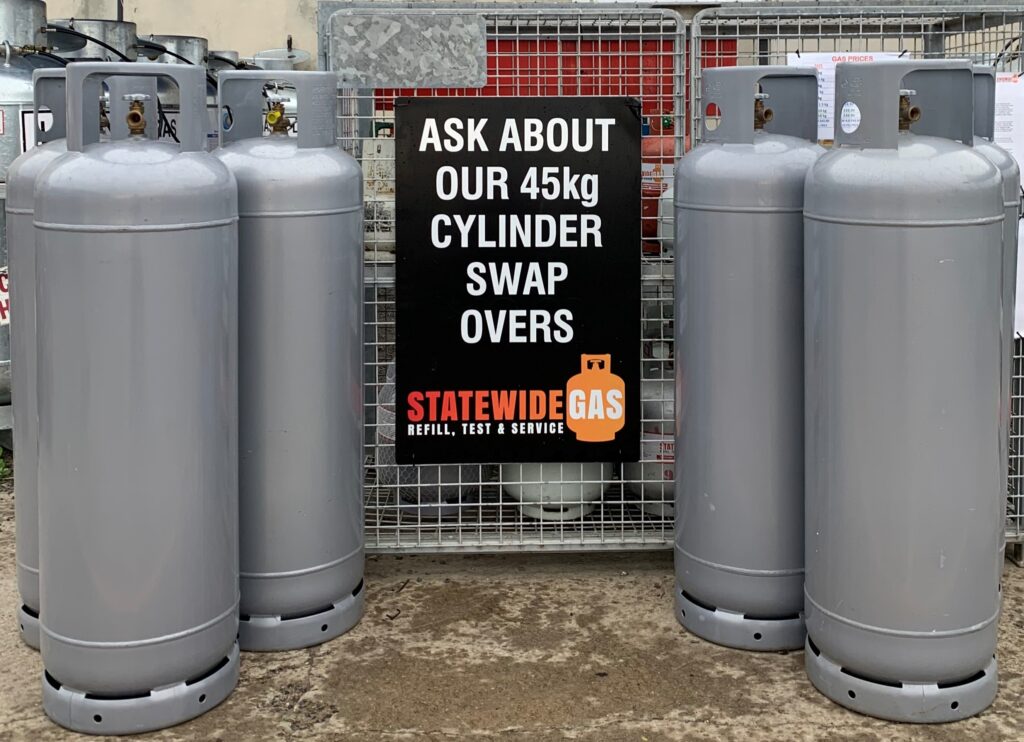
So, what’s the secret to deciphering this gas-powered mystery? It largely boils down to two main factors: the size of your bottle and how you use it. The most common gas bottle you'll encounter is the 9kg cylinder, often seen attached to barbecues. Then there's the larger 45kg behemoth, a workhorse for larger setups or commercial kitchens. Smaller bottles, like those used for camping stoves, will, of course, have a more limited lifespan.
Must Read
Let's talk usage. A low and slow barbecue session, where you're gently cooking a brisket for hours, will naturally consume more gas than a quick sear of some sausages. Similarly, a patio heater on its highest setting will drain its supply considerably faster than one on a moderate flame. Think of it like driving a car: cruising on the highway uses less fuel than accelerating up a steep hill.
As a general rule of thumb, a 9kg bottle on a typical barbecue, used for say, 1-2 hours a week at a moderate heat, might last you the entire summer season. This is, of course, a very rough estimate! For a more precise idea, you can look at the BTU (British Thermal Unit) rating of your appliance and compare it to the BTU output of your gas bottle. Many appliance manuals will give you an estimated burn time for different bottle sizes.

To enjoy your gas-powered activities more effectively and ensure your bottle lasts longer, consider these practical tips:
- Preheat efficiently: Don’t leave your barbecue on high for ages before you start cooking. Get it to temperature and then reduce the heat if necessary.
- Manage your flame: For many dishes, a medium heat is perfectly sufficient. Resist the urge to blast everything on maximum power.
- Regular maintenance: Ensure your appliance is in good working order. Leaks or inefficient burners can waste precious gas.
- Know your usage: If you’re planning a marathon cook-off, maybe invest in a spare bottle just in case. Better safe than sorry!
- Store correctly: Always store your gas bottles upright, in a well-ventilated area, away from direct sunlight and heat sources.
By being mindful of your consumption and taking a few simple steps, you can extend the life of your gas bottle and ensure that your barbecues remain sizzling and your patios remain cozy for as long as possible. Happy grilling, and happy warming!