How Long Do Brakes On Cars Last
Let's talk about something that, believe it or not, can be surprisingly fun and incredibly useful: your car's brakes! We're not talking about intricate engineering diagrams or mind-numbing statistics here. Think of it more like unlocking a cool secret about your everyday ride. Knowing how long your brakes are likely to last isn't just about avoiding unexpected trips to the mechanic; it’s about mastering a little piece of automotive knowledge that puts you in the driver's seat – literally and figuratively – when it comes to your car’s well-being. It’s a popular topic because, let’s face it, who doesn't want to feel more confident and in control on the road? Plus, a little preventative knowledge can save you a whole lot of cash and hassle down the line. So, buckle up (but not too tight, we're just chatting!) as we delve into the fascinating world of brake longevity.
At its core, your car's braking system is all about safety. Those humble pads, rotors, and fluid work tirelessly to bring your vehicle to a controlled stop, preventing fender benders and, more importantly, keeping you and your passengers out of harm's way. The primary purpose, of course, is to decelerate and halt your car. But the benefits extend far beyond just stopping. Reliable brakes contribute to a smoother, more comfortable ride by allowing for seamless speed adjustments. They also play a crucial role in vehicle stability, especially during emergency maneuvers, ensuring you can react effectively to unexpected situations on the road. Think of them as your car's superhero cape, always ready to swoop in and save the day. Regular maintenance and understanding their lifespan means this superhero never runs out of power.
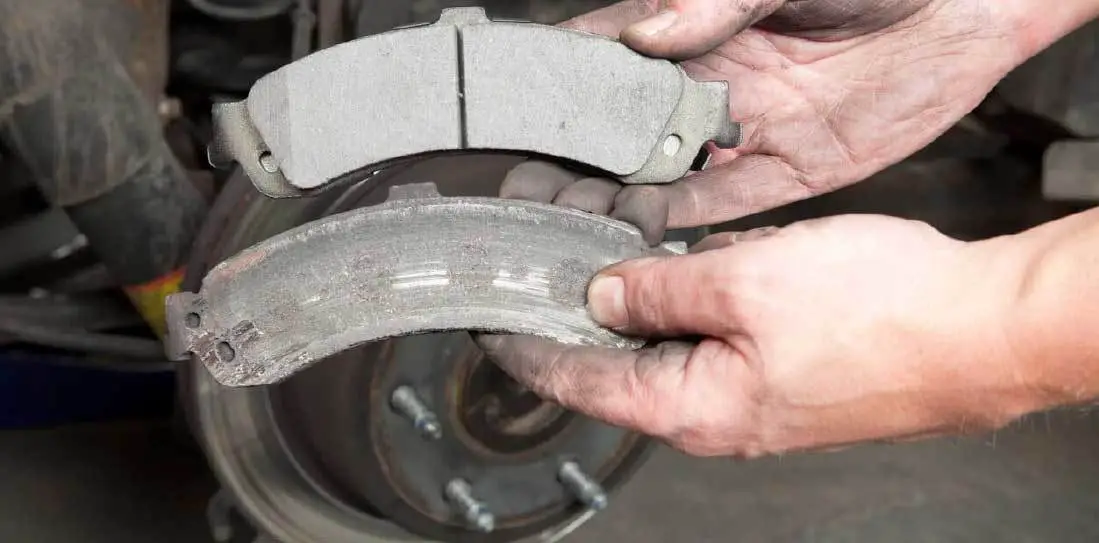
So, how long do these unsung heroes of the road actually last? The honest answer is: it depends! There's no one-size-fits-all lifespan for brake components. However, we can break down the general expectations for the most common parts. Your brake pads are the frontline soldiers in the stopping process. They are designed to wear down as they create friction against the rotors. On average, you can expect your front brake pads to last anywhere from 25,000 to 70,000 miles, while rear pads often have a slightly longer lifespan, sometimes reaching up to 80,000 miles. This is a pretty broad range, isn't it? That’s because so many factors come into play.
Must Read
One of the biggest culprits affecting brake pad wear is your driving style. Are you a lead-foot who slams on the brakes every chance you get? Or do you prefer a more gentle approach, anticipating stops well in advance? Frequent, hard braking will significantly shorten the life of your pads. Conversely, smooth, gradual braking is your brake pads’ best friend. Imagine it like this: every time you brake hard, you’re essentially grinding away a little bit more of the pad material. Gentle braking is like a soft caress – it still does the job, but with much less wear and tear.
Beyond your personal driving habits, the type of brakes your car is equipped with also plays a role. Most modern cars use either disc brakes or drum brakes. Disc brakes, commonly found on the front wheels (and often on the rear as well), typically use pads that wear out faster than the shoes found in drum brakes. However, disc brakes generally offer superior stopping power and better heat dissipation, making them ideal for most driving conditions. Ceramic brake pads, for instance, are known for their longevity and quiet operation compared to traditional metallic or semi-metallic pads, but they can come with a higher initial cost.

Environmental factors can also have a sneaky impact. Living in a region with a lot of rain, snow, or even excessive dust can accelerate wear. Salt used on roads in winter can corrode brake components, leading to premature damage. Similarly, driving in hilly terrain often requires more frequent braking, which, as we've established, isn't great for pad life. So, if you frequently navigate steep inclines or declines, consider that your brakes might be working overtime.
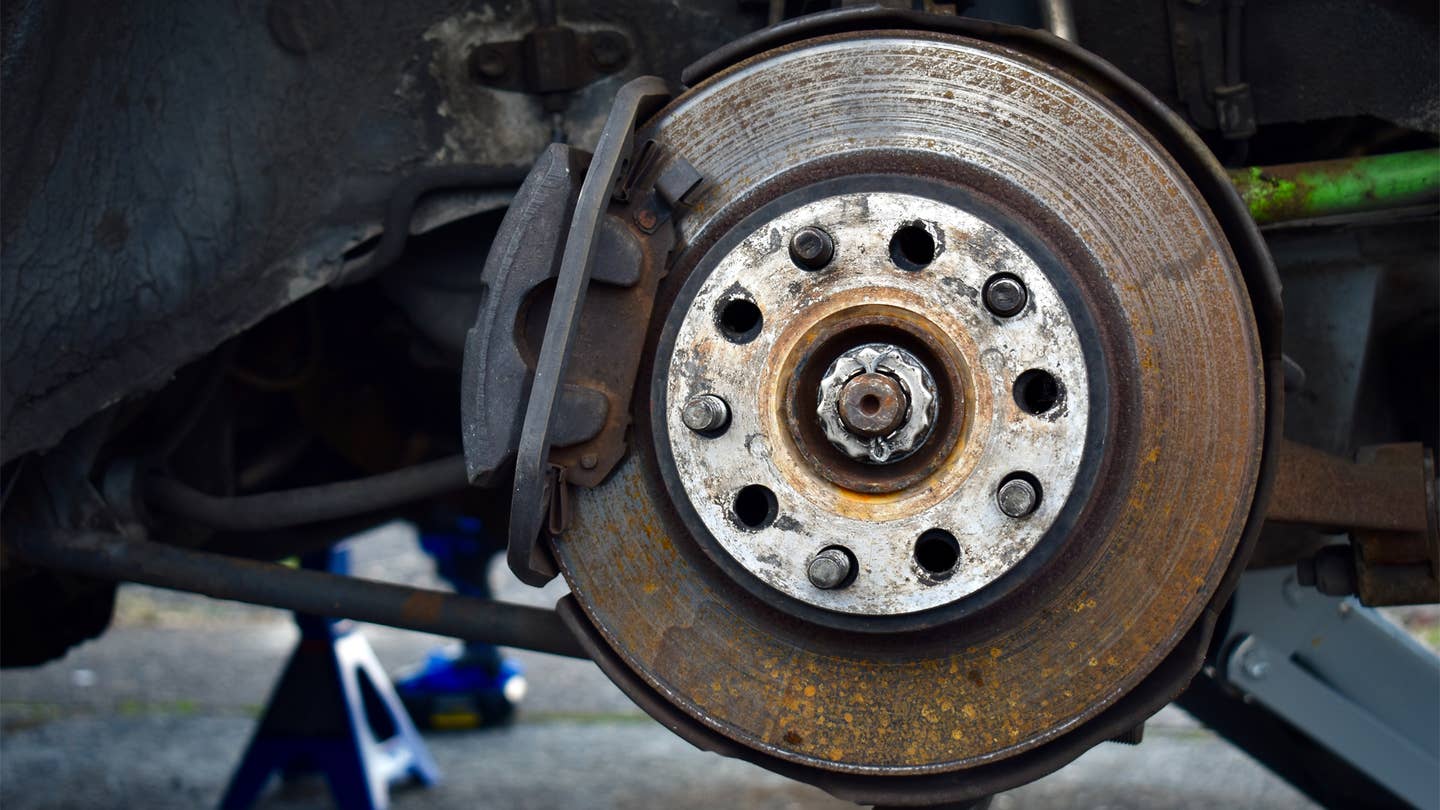
Now, let's talk about the rotors. These are the metal discs that your brake pads clamp down on. Rotors are designed to be durable, but they do wear down over time, and they can develop grooves or warp from excessive heat. Generally, rotors can last between 50,000 to 100,000 miles. However, it's quite common for mechanics to recommend replacing rotors whenever you replace your brake pads, especially if the rotors show signs of significant wear or damage. This ensures optimal braking performance and prevents new pads from being damaged by worn-out rotors. Think of them as a perfectly matched pair; you want them both in tip-top shape for the best results.
What about the other components? Your brake fluid is crucial for transmitting the force from your brake pedal to the calipers. It's a hydraulic fluid that can absorb moisture over time, which can lead to corrosion within the brake system and reduce its effectiveness. Most manufacturers recommend flushing and replacing brake fluid every 2 to 3 years, regardless of mileage. This might seem frequent, but it's a vital part of maintaining the overall health of your braking system and ensuring it performs at its best when you need it most. Ignoring this can lead to a spongy brake pedal or, in extreme cases, brake failure.
Recognizing the signs of worn-out brakes is key to proactive maintenance. Listen for squealing or grinding noises when you apply the brakes – this is often your first warning. A spongy or soft brake pedal is another red flag, indicating potential issues with the fluid or system pressure. If you notice your car pulling to one side when you brake, this could signify uneven wear or a problem with a caliper. Finally, a vibrating steering wheel or brake pedal when braking can point to warped rotors.
So, to sum it up, while there’s no magic number, keeping an eye on your mileage, your driving habits, and listening for any unusual sounds are your best bets for understanding when your brakes might need some attention. A little vigilance goes a long way in ensuring your car remains a safe and reliable companion on all your journeys. Don't wait for the superhero to need a cape repair; be proactive and enjoy the peace of mind that comes with well-maintained brakes!