How Do You Use A Yoga Block
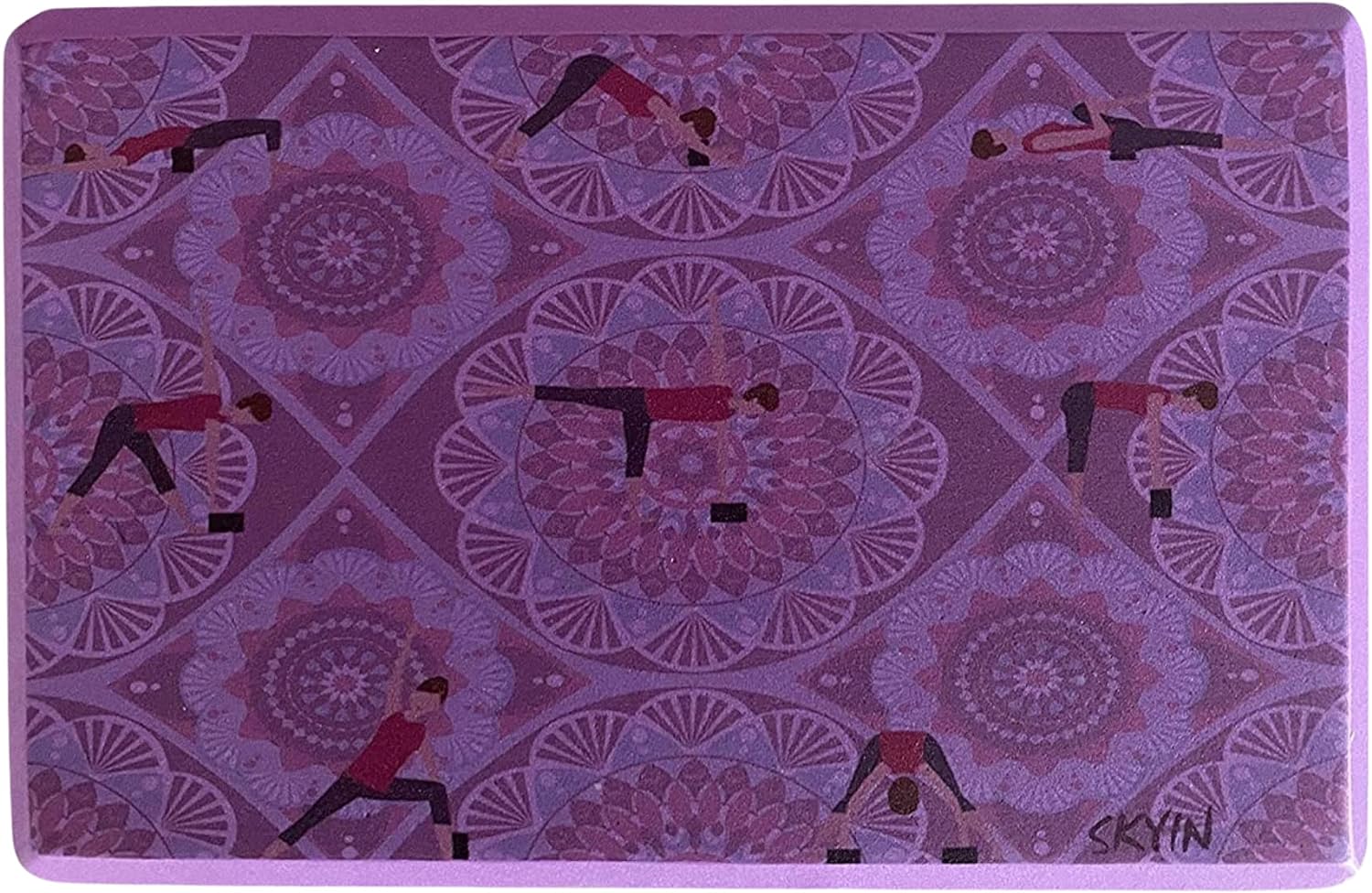
Ever find yourself scrolling through perfectly posed yogis on Instagram, wondering how they achieve that effortless bend or that seemingly gravity-defying pose? You might see them reaching for a colourful, rectangular friend, a yoga block. These unassuming props aren't just for the super-flexible among us; they're your secret weapon to unlocking deeper stretches, better alignment, and a more joyful yoga practice, no matter where you are on your journey. Think of them as your supportive sidekicks, your yoga BFFs, ready to help you embrace the present moment with a little more ease and a lot more grace.
So, how exactly do you wield this mystical rectangle? Let's dive in. First off, ditch any preconceived notions. A yoga block isn't a sign of weakness; it's a testament to your smart approach to yoga. It's about working with your body, not against it. It’s about building strength and flexibility progressively, like learning to play an instrument – you wouldn't expect to master a concerto on your first day, right? Same goes for your downward dog.
The Block: Your Yoga Superpower
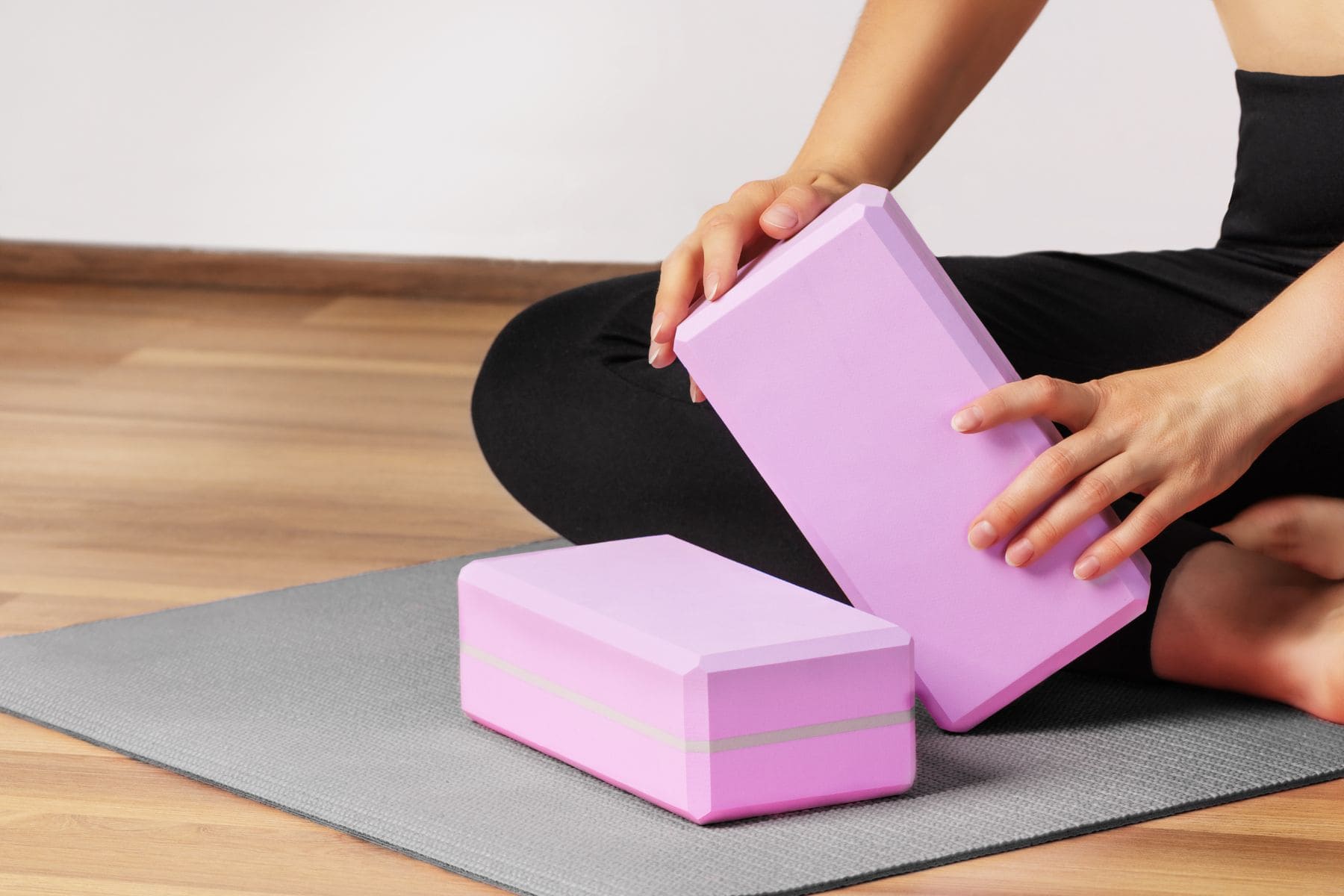
At its core, a yoga block is a prop designed to bring the floor closer to you, or to extend your reach. They're typically made from foam, cork, or wood, each offering a slightly different feel and sturdiness. Foam blocks are lightweight and have a bit of give, making them super versatile. Cork blocks offer a firmer, more grounding feel and are a more sustainable choice – a win for your practice and the planet!
Must Read
Wooden blocks are the most rigid and often used for more advanced practitioners or specific poses where maximum stability is required. Choosing the right block can be a personal preference, a bit like choosing your favourite coffee mug. Experiment and see what feels right for you.
The beauty of a yoga block lies in its simplicity. It's not an intimidating piece of equipment. It’s just… there. Waiting. Ready to offer support. It’s the unsung hero of countless yoga sequences, from the gentlest restorative poses to the most dynamic vinyasa flows.
Unlocking Your Poses: The Practical Magic
Let's get down to business. Where can this block actually help you? Think of it as a tool to modify any pose, making it more accessible and beneficial for your body, today.
Grounding and Stability: Finding Your Footing
One of the most common uses for a yoga block is to help you feel more grounded and stable in poses. Take a simple standing pose like Triangle Pose (Trikonasana). For many, reaching the floor with their bottom hand can be a stretch. Instead of straining your hamstrings or compromising your posture, simply place a block under your bottom hand. This brings the floor up to meet you, allowing you to lengthen your spine and keep your chest open. It’s about integrity of the pose, not just reaching a certain depth.
Imagine this: you’re in Triangle Pose, and you’re really trying to touch your shin. Your shoulders hunch, your neck cranes, and the beautiful alignment your teacher is talking about? Lost. Now, picture yourself placing a block under that bottom hand. Suddenly, your torso can lengthen, your gaze can lift, and your breath can flow freely. It’s like finding the ‘easy mode’ for a beautifully challenging pose.

This principle applies to many standing poses. In Extended Side Angle Pose (Utthita Parsvakonasana), a block under your front hand can help you maintain that gorgeous long line from your back foot to your fingertips. It allows you to focus on the opening through your side body, rather than struggling to reach.
Even in seated poses, like Seated Forward Fold (Paschimottanasana), placing blocks under your hands can help you find length in your spine. This is especially helpful if your hamstrings are feeling a bit tight. It allows you to hinge from your hips, creating space in your back, rather than rounding it.
Deepening Stretches: Reaching New Heights
Now, for the flip side: using blocks to deepen your stretches. This might seem counterintuitive, but hear us out! By providing a stable platform, blocks can help you access muscles in a new way.
Consider Camel Pose (Ustrasana). For many, reaching the heels is a distant dream. Placing blocks on the outside of your feet, and then reaching back to place your hands on the blocks, can provide that extra bit of height and stability. This allows you to focus on opening your chest and shoulders without the fear of losing your balance or overextending your lower back. It's about expanding your range of motion, safely.
In King Pigeon Pose (Eka Pada Rajakapotasana), a block placed under your hips can help tilt your pelvis forward, creating a more effective stretch in the front of your hip flexor. This is especially beneficial for those who sit for long periods. Think of it as a little pelvis-polishing tool!
Even in gentle poses like a supine twist, placing a block between your knees can help keep your hips stacked and deepen the stretch in your spine. It’s the little things, right?
Alignment Assistance: The Cosmic Compass
Blocks are also fantastic for refining your alignment. They act as a visual and tactile cue, helping you to find the correct position in a pose.
In Warrior II (Virabhadrasana II), placing a block under your front thigh can help you avoid sinking too deeply and keep your knee stacked over your ankle. This ensures you're building strength in your legs and protecting your knee joint.
In Bridge Pose (Setu Bandhasana), a block can be placed between your thighs. This little squeeze encourages your inner thighs to engage, which in turn helps to stabilize your pelvis and create a more even lift through your back. It’s like a mini-workout for your inner thighs, while you’re already in a pose!
Ever struggle to keep your hips level in a pose? A block can be your guide. Placing it under one hip in a supported bridge or even in a seated twist can help you visually and physically bring your hips into greater alignment. It’s like having a tiny, silent alignment coach with you on the mat.
Restorative Bliss: The Ultimate Comfort Zone
Beyond the active poses, yoga blocks are absolute champions in restorative yoga. These are the poses designed to relax and rejuvenate, and blocks are key to achieving that deep sense of ease.

Think of Supported Bridge Pose, where a block is placed horizontally under your sacrum. It's a gentle backbend that opens the chest and shoulders while completely relaxing your body. It’s like a warm hug for your spine.
In Supported Fish Pose (Matsyasana), placing a block under your upper back allows your chest to open effortlessly, releasing tension in your shoulders and upper spine. You can simply lie back and let gravity do the work, supported by your trusty block.
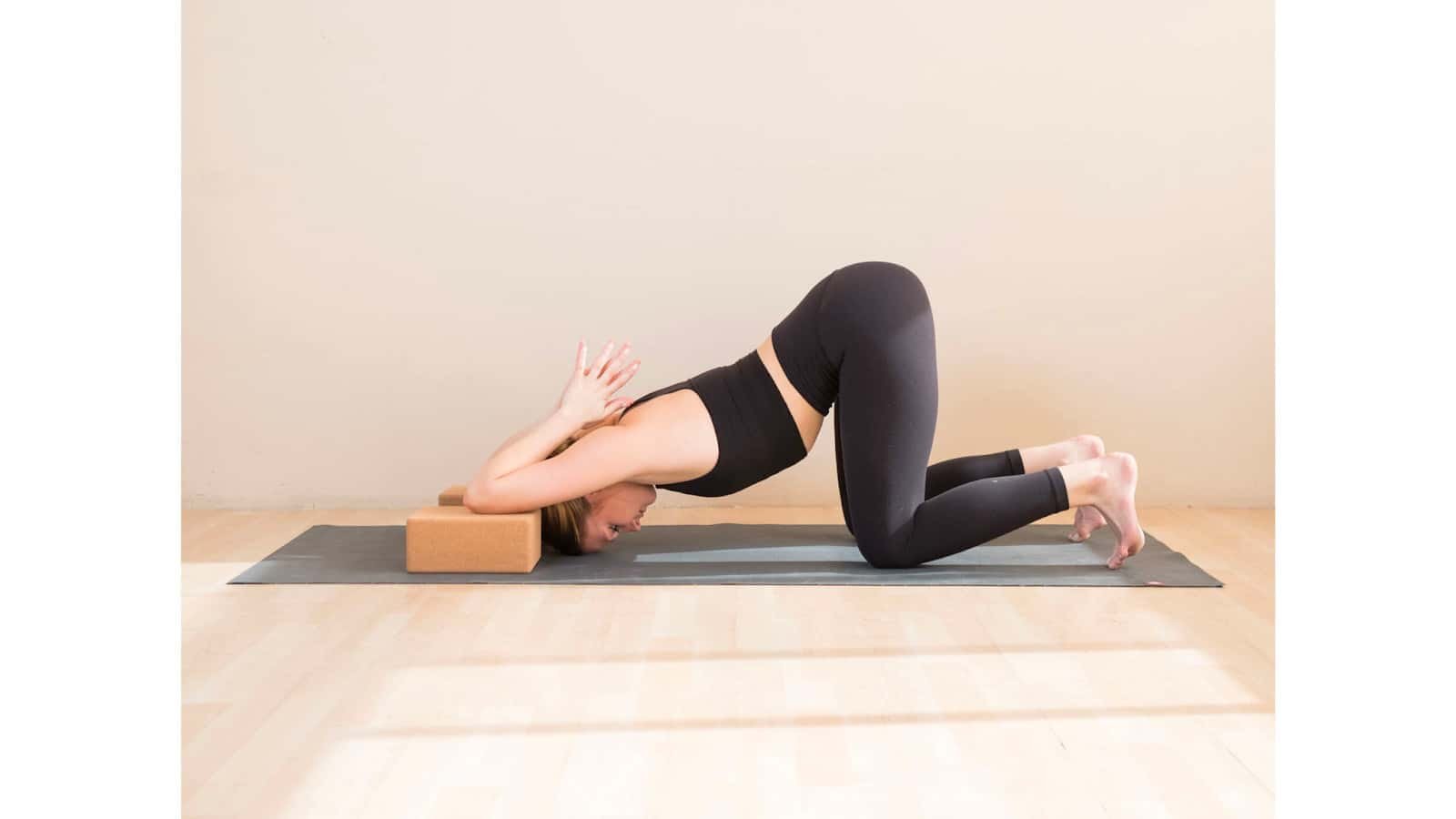
Even in a simple Supported Child's Pose, placing a block under your forehead can provide a sense of grounding and comfort, allowing you to fully surrender into relaxation. It’s the ultimate “you time” accessory.
Fun Facts & Cultural Whispers
Did you know that yoga, and its associated props, has a rich history stretching back thousands of years? While the modern yoga block is a relatively recent innovation, the concept of using aids to deepen practice is ancient. Imagine yogis centuries ago using stacks of blankets or smoothed stones for support!
The word "yoga" itself comes from the Sanskrit root "yuj," meaning "to yoke" or "to unite." It's all about bringing together the mind, body, and spirit. And in this modern quest for union, our humble block plays a vital role!
And here's a little tidbit for you: many yoga studios offer blocks for rent or purchase. So, if you're just starting out, don't feel pressured to buy a whole set. Try out the studio's blocks, see how they feel, and then make an informed decision. It’s a journey of discovery!

Some yogis even get creative with their blocks, stacking them for extra height or using them in unconventional ways. It’s a testament to how versatile and adaptable these simple props can be. Don't be afraid to experiment and find what works for you. Your yoga practice is your own.
Making Blocks Your Own: Practical Tips
So, you've got your block (or you're heading to the shop to get one!). What are some practical tips for integrating them into your practice?
- Start Small: Don't feel like you need to use a block in every pose. Pick one or two poses where you feel you’d benefit most and experiment there.
- Listen to Your Body: This is paramount. If a pose with a block doesn't feel right, adjust it or skip it. Your body is the ultimate guide.
- Experiment with Height: Most blocks have three different heights you can use. Try each one to see what level of support or challenge is best for you.
- Be Mindful of Alignment: While blocks help with alignment, it's still important to be aware of what your body is doing. Don't just plop down on a block and assume you're in the right place!
- Keep Them Handy: Store your blocks near your yoga mat. This makes it super easy to grab them when you need them.
- Cleanliness is Key: If you’re using studio blocks, give them a quick wipe down before and after use. If you own your own, a quick clean with some eco-friendly spray will keep them fresh.
Think of your yoga block as an extension of your own body. It's there to provide support, to offer a gentle nudge, or to create a safe space for exploration. It's not a crutch; it's a sophisticated tool that empowers you to work with your unique physical landscape.
A Little Reflection for the Everyday
This idea of using props, of adapting and modifying, isn't just for the yoga mat. It’s a life philosophy, really. We all have our own unique strengths, challenges, and ‘tight hamstrings’ in life. Sometimes, we just need a little support, a different perspective, or a willingness to adjust our approach to find ease and effectiveness.
Maybe it's asking for help at work, or using a planner to keep your life organized, or even just taking a moment to breathe deeply when you feel overwhelmed. These are all our ‘yoga blocks’ for navigating the everyday. They help us to be more present, more aligned with our intentions, and ultimately, more at peace.
So, the next time you unroll your mat, remember your trusty yoga block. It’s more than just a rectangle; it's an invitation to explore, to grow, and to embrace your practice with a little more comfort, a little more joy, and a lot more self-compassion. And isn't that what it's all about?