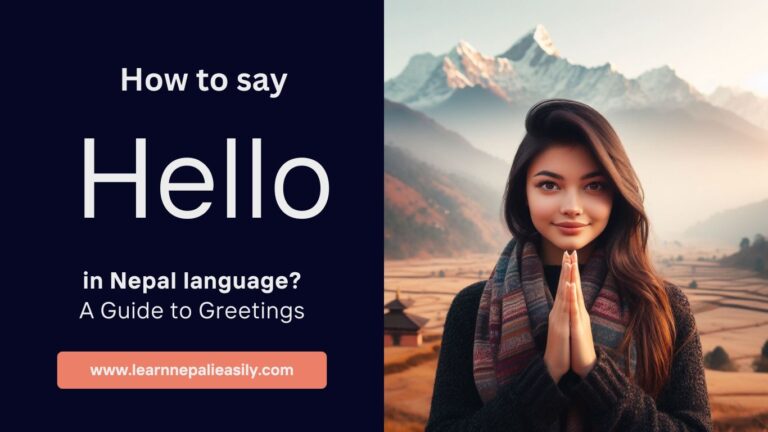
How Do You Say Hi In Nepali
Ever found yourself on an adventure, perhaps trekking through the majestic Himalayas or simply enjoying a steaming cup of
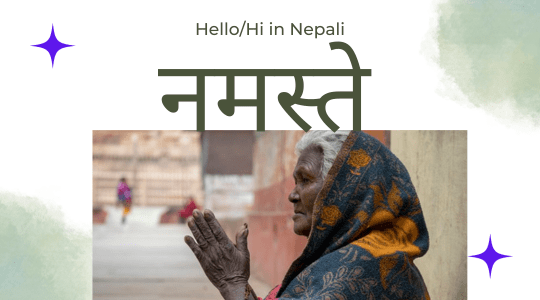
So, let's dive into the delightful world of Nepali greetings! The most common and universally recognized way to say "hi" in Nepali is Namaste. You’ve likely heard it before, perhaps from a yoga instructor or in a documentary about the region. But understanding its deeper meaning and how to use it with confidence can be incredibly rewarding.
The Magic of Namaste
Namaste (pronounced nah-mah-stay) is more than just a simple "hello." It's a deeply respectful greeting that carries a profound spiritual and cultural significance. It’s formed from two Sanskrit words: namah, meaning "bow," "obeisance," "adoration," and te, meaning "to you." So, literally, it translates to "I bow to you."
Must Read
But the beauty of Namaste goes even deeper. It’s often accompanied by a gesture called the Anjali Mudra. This involves bringing the palms together at the heart chakra, fingers pointing upwards, with a slight bow of the head. This gesture signifies recognizing the divine spark within the other person. It’s a beautiful acknowledgment that you see the best, the pure, and the sacred in the person you are greeting. In essence, it’s saying, "The divine in me honors the divine in you."
Benefits of using Namaste:

- Shows Respect: It’s the most appropriate and respectful way to greet anyone in Nepal, regardless of age or social status.
- Opens Doors: A genuine Namaste is met with warm smiles and often leads to more friendly interactions.
- Cultural Immersion: It’s a simple yet powerful way to connect with the local culture.
- Universally Understood: Even if your Nepali vocabulary is limited, Namaste is widely understood and appreciated throughout the country.
- Empowering: It’s easy to pronounce and use, giving you a quick win in your language learning journey!
When and How to Use Namaste
You can use Namaste in almost any situation in Nepal. Whether you are:
- Entering a shop or restaurant
- Meeting your guide for a trek
- Passing someone on the street
- Greeting your host at a guesthouse
- Initiating a conversation with a local
The Anjali Mudra gesture, while not always strictly necessary, adds an extra layer of sincerity and respect. Try to perform it with a gentle bow of the head. The more you practice, the more natural it will become.
Pronunciation Tip: Break it down! Nah-mah-stay. The 'a' sounds are generally soft, like the 'a' in "father." The 'e' at the end is like the 'ay' in "say."

Beyond Namaste: A Touch More Sophistication
While Namaste is your go-to greeting, if you want to add a little more warmth or context, here are a couple of other useful phrases:
Namaste Dinuhunchha (Good Day)
This is a slightly more formal and polite way to wish someone a good day. It’s excellent for greeting elders or in more formal settings. You can add Namaste before it: Namaste, Dinuhunchha!
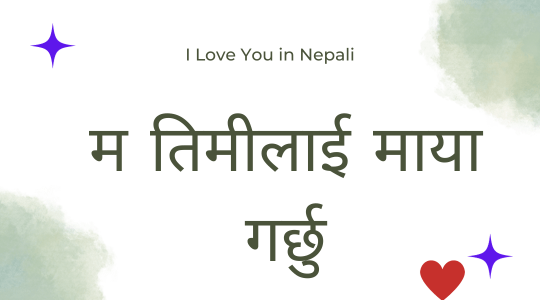
Shuva Prabhat (Good Morning)
For those early risers or when you're starting your day in Nepal, this is the perfect greeting. It means "auspicious morning."
Shuva Pahachh (Good Afternoon)
Used generally from midday until early evening. Again, you can prepend it with Namaste for an extra touch of politeness.
Shuva Sandhya (Good Evening)
As the sun begins to set and the evening activities commence, this phrase comes in handy.
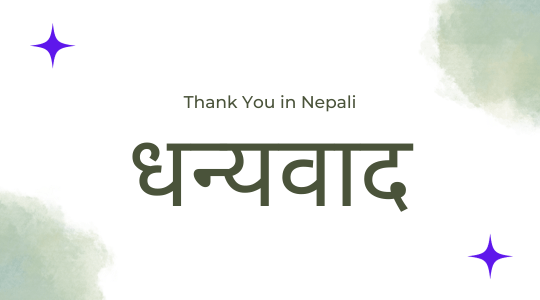
Remember: Even if you only manage a confident Namaste, it will be met with immense appreciation. The effort itself speaks volumes.
Putting it into Practice
The best way to learn is by doing! Don't be shy. When you encounter people in Nepal, offer a warm Namaste with a smile. Observe how locals greet each other. You'll notice the warmth and genuineness in their interactions, and you'll quickly feel more comfortable incorporating it into your own travels. It’s a small word with a big impact, a simple way to say you’re open, you’re respectful, and you’re ready to experience the magic of Nepal.
So, the next time you find yourself in the land of the Himalayas, remember the power of a simple Namaste. It's your passport to a more connected and enriching journey. Happy greeting!