
How Do You Make Cats Get Along
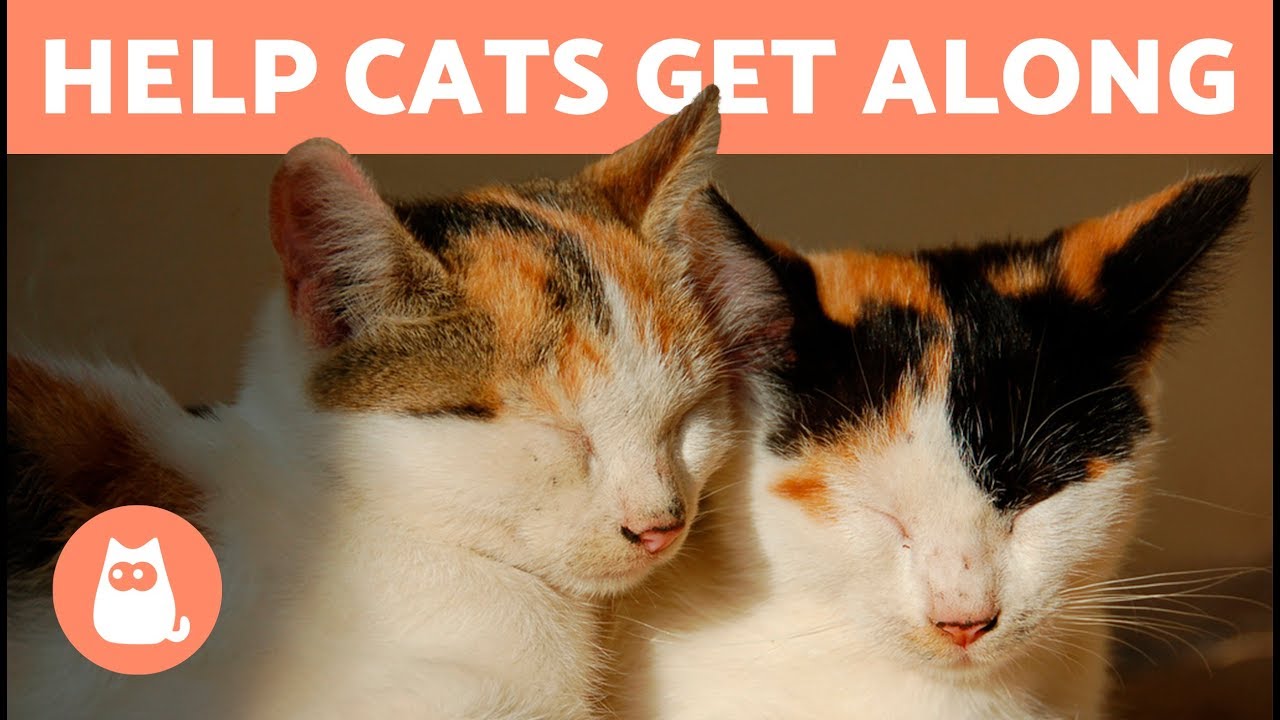
Ah, cats. Those enigmatic, furry overlords who deign to share our living spaces, bestowing upon us their regal presence and the occasional, perfectly placed hairball. But what happens when you bring another feline into the kingdom? Suddenly, your peaceful, purr-filled paradise can feel more like a tiny, territorial skirmish. Fear not, fellow cat enthusiasts! Navigating the delicate dance of feline diplomacy is more about understanding their subtle language and creating a harmonious environment than anything overtly dramatic. It's less about forcing friendships and more about encouraging peaceful coexistence, a skill many of us could probably apply to our own human interactions, right?
Think of it this way: introducing a new cat is like introducing a new roommate to your already established, deeply comfortable one. You wouldn't just shove them into the same room with a "figure it out" attitude. Cats, bless their independent souls, require a bit more finesse. Their world is built on scent, territory, and a meticulously established routine. Disrupting that can send them into a tailspin of anxiety and, let's be honest, a fair bit of hissing.
So, how do we, the benevolent human staff, orchestrate this grand unveiling? It starts with the slow and steady approach. Forget the grand "meet and greet" you might have envisioned. This is more like a highly strategic, multi-phase operation. It's about gradual acclimatization, building trust, and ensuring everyone feels secure. It’s a process, and patience is your most potent weapon.
Must Read
The Art of the Slow Introduction: A Diplomatic Approach
The first step is all about scent swapping. Before any visual contact, you want your cats to get used to each other's smell. This is their primary way of assessing each other. Imagine it as leaving "calling cards" for your new feline guest. You can do this by gently rubbing a soft cloth or sock on one cat's cheeks (where their scent glands are located) and then placing that scented item near the other cat's food or favorite resting spot. Do the same in reverse. This allows them to explore each other's presence without the stress of direct interaction.
Next, we move to "sight unseen" dining. Feed your cats on opposite sides of a closed door. This creates a positive association with the other cat's presence – food is good, and the other cat is associated with good things. You're essentially saying, "Hey, this other creature is here, but guess what? Dinner is served, and it's delicious!" This is a crucial step in bridging the gap, transforming potential rivals into fellow beneficiaries of your excellent catering services.
Once they're comfortable with eating near each other behind the door, you can progress to visual introductions. This is where things get a little more exciting, but still controlled. Use baby gates or a cracked-open door, allowing them to see each other for short periods. Keep these sessions brief and positive. Offer treats, praise, and gentle petting to the resident cat, and toss treats towards the newcomer. The goal is to create a calm, positive atmosphere. If you see any signs of aggression – hissing, growling, flattened ears – calmly separate them and try again later. It’s like a first date: you don't want to overwhelm them with too much, too soon.

The importance of vertical space cannot be overstated. Cats feel safer when they have higher ground to observe from. Think of it like a cat’s personal penthouse suite. If your existing cat has all the best perches and window seats, the newcomer might feel cornered and vulnerable. Provide plenty of climbing trees, shelves, and high-up spots for both cats. This creates a sense of security and reduces territorial disputes. It’s akin to giving everyone their own personal space to decompress after a long day of being fabulous.
Creating a Cat-Friendly Ecosystem
Beyond the introductions, the everyday environment plays a huge role. Resource guarding is a big one. Cats can become possessive of their food bowls, water sources, litter boxes, and favorite sleeping spots. To avoid this, you need to provide an abundance of resources. That means multiple litter boxes (the general rule of thumb is one per cat, plus one extra), separate feeding stations placed far apart, and plenty of water bowls. Imagine a luxurious buffet spread, not a single, coveted hot dog at a crowded carnival.
Litter box placement is also critical. Cats are notoriously picky about their bathrooms. Ensure they are in quiet, accessible locations where they won’t be startled or ambushed. A stressed cat is a grumpy cat, and a grumpy cat is unlikely to be a harmonious housemate. Think of it as ensuring a private, spa-like experience for their most intimate moments. No one wants to feel exposed while doing their business, human or feline.
Playtime is a universal language. Engaging both cats in parallel play sessions can be incredibly beneficial. Use interactive toys like feather wands or laser pointers (with caution, as too much frustration can be a problem – always end with a tangible reward!) to channel their hunting instincts in a positive way. Watching them chase a toy can be surprisingly therapeutic, both for them and for you. It’s a chance for them to expend pent-up energy and bond over a shared, exciting activity. Think of it as a feline fitness class, designed for maximum fun and minimal conflict.
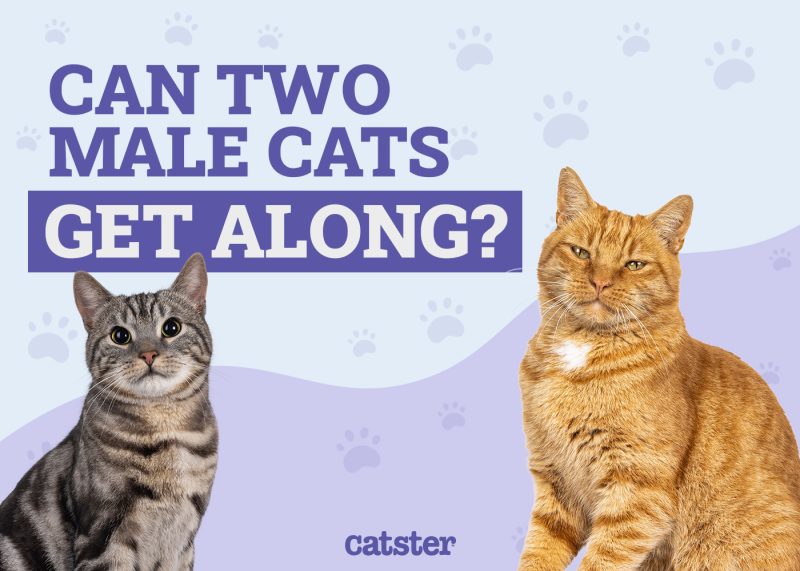
Scent marking, while sometimes a nuisance for us humans, is a vital communication tool for cats. When introducing new cats, you might notice an increase in rubbing or even some spraying. This is their way of claiming territory and making their environment smell familiar and safe. Using Feliway diffusers, which release synthetic feline facial pheromones, can help create a sense of calm and security. It’s like spritzing a calming essential oil for your cats, helping them feel more at ease and less territorial.
Individual attention is key. Even when they start to get along, it’s important to dedicate one-on-one time with each cat. This reassures them that they are still valued and loved, even with a new companion. It prevents feelings of jealousy or neglect, which can easily disrupt their newfound peace. A good belly rub for one, a head scratch for the other – it’s the feline equivalent of checking in with your friends individually.
Troubleshooting the Paw-sitive Path
What if, despite your best efforts, things aren't going smoothly? Don't despair! Occasional squabbles are normal. Cats are not always going to be best friends who share a bed and groom each other incessantly. A brief hiss or a swat across the nose might happen. The key is to observe and intervene only if the conflict escalates. If you see prolonged chasing, serious fighting, or one cat consistently hiding and stressed, then it's time to re-evaluate your introduction strategy.
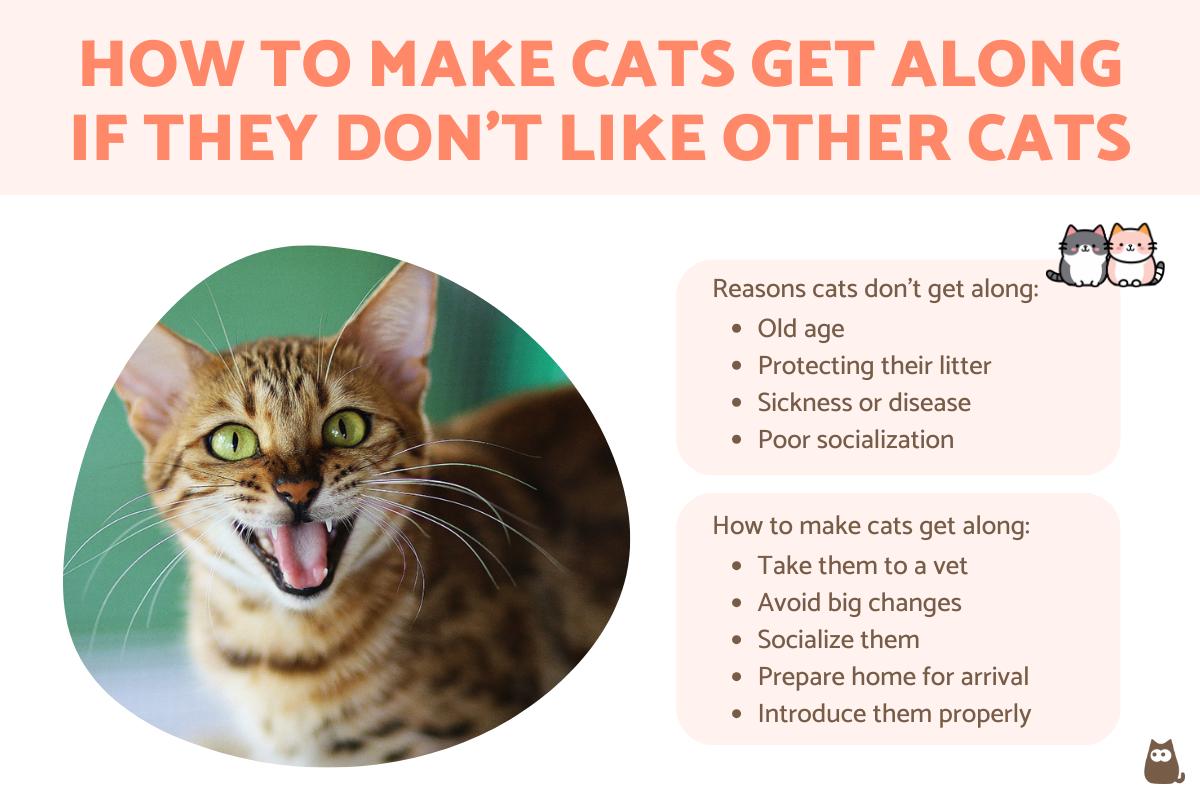
Over-arousal can be a major culprit. Sometimes, cats get too excited during play or interaction, and it can quickly turn into aggression. If you notice one or both cats getting overly hyped up, calmly redirect their attention or end the session. It’s like knowing when to step away from a heated debate before it turns into an all-out shouting match. A cool-down period is often all that's needed.
Age and personality differences play a significant role. A rambunctious kitten might be too much for a senior cat who prefers quiet naps. Conversely, a shy, introverted cat might be overwhelmed by a boisterous, attention-seeking feline. When considering introducing a new cat, try to match personalities and energy levels as much as possible. It's not a one-size-fits-all situation. Think of it like choosing dance partners – you want someone who can keep up or someone who complements your rhythm.
Never punish your cats for their behavior. Scolding or punishing a cat for hissing or growling will only make them more anxious and fearful, associating those negative feelings with you and their housemate. Instead, focus on positive reinforcement and creating a safe, predictable environment. They are acting on instinct, not malice. Understanding their motivations is crucial.
Consulting a veterinarian or a certified cat behaviorist is always a wise move if you’re struggling. They can offer tailored advice based on your specific cats and their unique situation. Sometimes, an expert eye can spot something you've missed, or suggest a more specialized approach. It's like having a relationship counselor for your felines!

Fun Fact Alert! Did you know that cats have over 100 vocalizations, while dogs only have about 10? This means they have a much more nuanced way of communicating with each other (and us!). Understanding their meows, chirps, and trills can give you valuable insights into their well-being and their relationships with other cats.
Cultural Reference Break: Think about the iconic rivalries in literature and film – Sherlock Holmes and Moriarty, Tom and Jerry. While our feline duels are usually far less dramatic, the underlying themes of territoriality and dominance are often at play. However, unlike those fictional nemeses, cats have the potential to move beyond animosity to a state of mutual respect, and perhaps even a grudging affection.
Remember, introducing a new cat is an investment of time and effort. It's a journey, not a destination. There will be ups and downs, moments of triumph and moments of questioning your life choices. But the reward of seeing your cats coexist peacefully, perhaps even sharing a sunbeam or a gentle head-butt, is incredibly fulfilling. It’s a testament to your dedication and understanding of these complex, wonderful creatures.
A Reflection on Daily Harmony
In the grand scheme of things, learning how to make cats get along is a beautiful metaphor for cultivating harmony in our own lives. It’s about understanding that everyone comes with their own history, their own boundaries, and their own way of communicating. It’s about creating a welcoming environment where everyone feels safe and respected, even when there are differences. It's about patience, empathy, and the quiet satisfaction that comes from fostering connection, one purr at a time. And let's face it, a peaceful home filled with happy cats is pretty much the ultimate life goal, isn't it?

