
How Do You Know If A Bra Fits

Let's face it, bra shopping can sometimes feel like navigating a minefield. But what if I told you it doesn't have to be a chore? In fact, figuring out if your bra fits perfectly can be downright empowering, like cracking a secret code to comfort and confidence. We’re not talking about rocket science here, just some simple, super-useful tips that will have you feeling fabulous in your foundations. Think of this as your ultimate guide to saying goodbye to the dreaded bra blues and hello to your new best friend.
The Magic of a Well-Fitting Bra
So, why all the fuss about a good fit? Well, a bra isn't just some random piece of fabric. It's a crucial support system, designed to lift, shape, and most importantly, make you feel comfortable throughout your day. When a bra fits like a dream, it’s like getting a gentle, supportive hug from your best friend – all day long. This can translate into a whole host of benefits:
- Improved Comfort: No more digging straps, pinching underwires, or bands that ride up your back. A good fit means blissful comfort, allowing you to focus on what really matters.
- Enhanced Silhouette: A well-fitting bra can dramatically improve your outfit’s appearance. It smooths your silhouette, preventing unflattering bulges and ensuring your clothes hang beautifully.
- Better Posture: Believe it or not, proper breast support can contribute to better posture. It helps distribute weight evenly, reducing strain on your back and shoulders.
- Increased Confidence: When you feel good in your clothes, you exude confidence. A perfectly fitting bra is the secret weapon that can make you feel ready to conquer the world.
- Reduced Discomfort and Pain: For many, a poorly fitting bra can lead to back pain, neckaches, and even headaches. Getting the right fit can be a game-changer for your physical well-being.
Decoding the Fit: The Key Indicators
Now, let's get down to the nitty-gritty. How do you actually know if a bra is giving you that perfect fit? It’s all about paying attention to a few key areas:
Must Read
The Band: Your Bra's Foundation
This is arguably the most important part of your bra. The band is responsible for about 80% of the support. If it's too loose, your bra won't sit properly, and the cups will be left to do all the work, leading to discomfort and a less-than-ideal shape. If it's too tight, well, you'll know it – with pinching and red marks! Here’s what to look for:
The Band Test: When you’re trying on a bra, fasten it on the loosest hooks. The band should sit snugly and parallel to the floor, all the way around your torso. You should be able to slide two fingers comfortably underneath it, but no more. If you can easily fit three or four fingers, or if the band rides up your back when you lift your arms, it's likely too big. If you can barely get two fingers in or it feels like a corset, it's too tight.
The Cups: Holding You In
The cups are where your breasts should feel comfortably contained. No spillage, no gaping – just smooth, seamless support. This is where bra sizing can get a little tricky, as different styles and brands can fit differently. Here’s how to assess your cups:
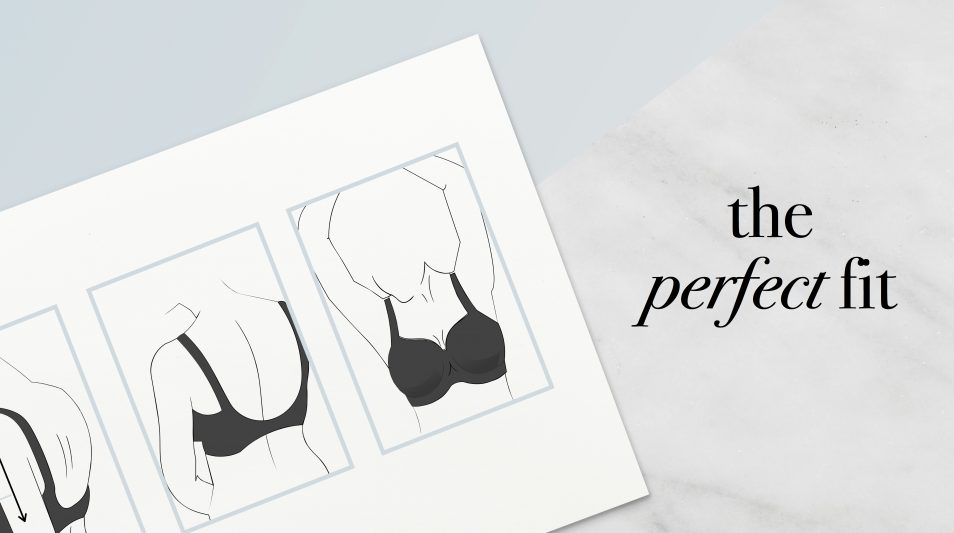
The Cup Check: Your breasts should fill out the cups entirely without any bulging over the top or sides (this is called "quad-boobing" and is a sign the cup is too small). Conversely, there shouldn't be any empty space or wrinkling in the cups (this means the cup is too big). When you move, your breasts should stay securely within the cups without shifting.
The Straps: The Supporting Act
Straps are there to provide additional support and lift, but they shouldn't be doing all the heavy lifting. If your straps are digging into your shoulders, it’s a clear sign that the band is too loose and the straps are overcompensating. On the other hand, straps that are too loose will constantly be slipping off.
The Strap Situation: Straps should lie smoothly on your shoulders without digging in or feeling like they’re about to slide off. You should be able to adjust them to provide a comfortable lift without causing discomfort. They should complement the band's support, not be the primary source of it.
The Underwire (If Applicable): Your Curve Creator
For wired bras, the underwire should curve gently around the breast tissue, sitting flat against your ribcage. It should never dig into your breast tissue or poke out from the sides.

Underwire Wisdom: The wire should encase your entire breast, following the natural contour of your breast. If it sits on top of your breast tissue or presses into it, it’s the wrong size or shape. It should feel like a gentle hug, not a sharp jab.
The Center Gore: The Bridge of Support
The center gore is the piece of fabric that connects the two cups in the front. In a well-fitting bra, this should lie flat against your sternum. If it's pulling away, it can indicate that the cups are too small or the band is too loose.
Gore Grace: This little bit of fabric is a key indicator. It should connect your breasts comfortably without digging in or leaving a gap. A flat center gore means your bra is working together harmoniously.
Putting It All Together: The Movement Test
Once you’ve checked the individual components, it's time to put your bra to the ultimate test: movement! A bra that fits well will stay in place no matter what you're doing.
The Action Plan: Reach your arms up overhead, twist your torso, bend over, and move around as you normally would. Does the bra stay put? Do you feel supported and comfortable? If everything stays in place without pinching, digging, or gaping, you’ve found a winner!
Finding the perfect bra might take a little trial and error, but it's an investment in your daily comfort and confidence. So, next time you’re bra shopping, remember these simple checks. Your body will thank you!


