
How Do You Get Rid Of Booklice

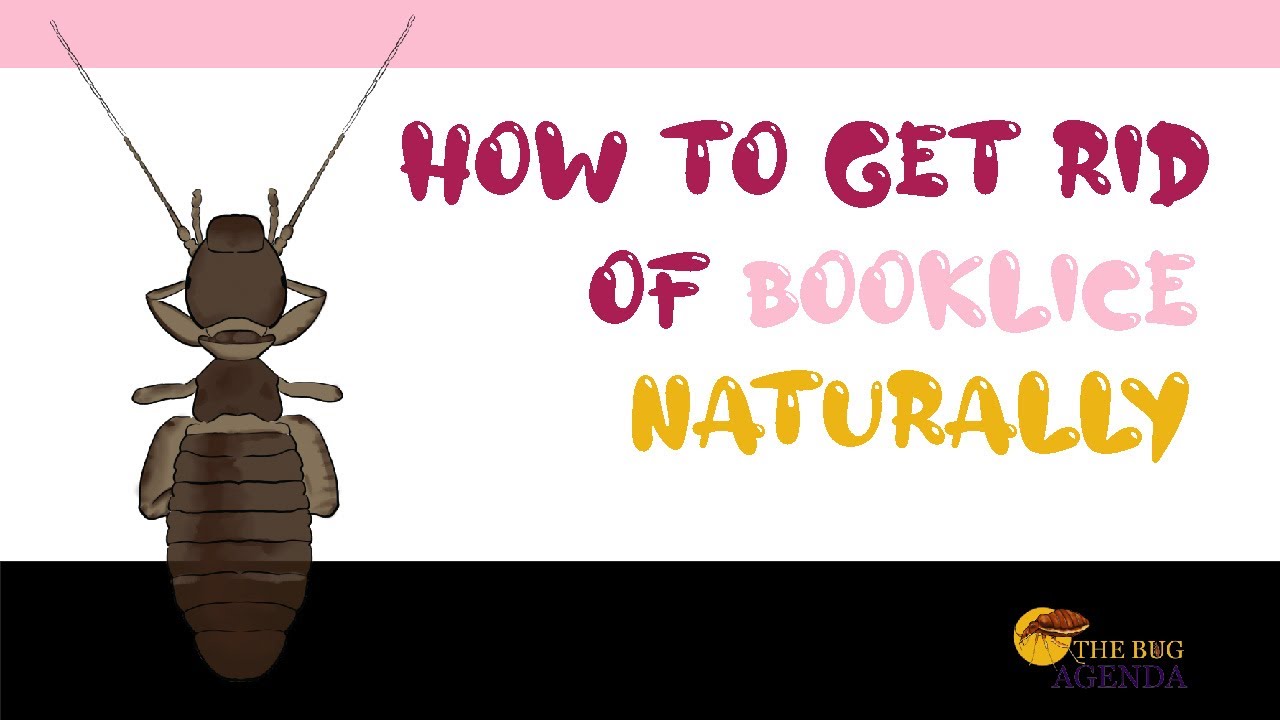
Oh no! You’ve spotted them. Those teeny-tiny, almost invisible little critters scurrying around your precious books. Don't panic! These are what we affectionately (or maybe not so affectionately) call booklice. Think of them as the minuscule party crashers of your personal library. They’re not actually lice, and they won’t bite your furniture, but they do have a penchant for feasting on the microscopic mold and fungi that can sometimes pop up in damp places.
Imagine them as the world’s smallest connoisseurs of cozy, slightly humid environments. They’re not out to get you or your valuable first editions. Their goal is far more humble: a tasty snack of nature's microscopic bounty. But even if they’re harmless, their presence can feel a bit... unsettling.
So, how do we evict these tiny tenants? It’s not about launching a full-scale military operation. We're talking about a gentle, yet firm, housewarming for them to find a new, less bookish residence. Think of yourself as the benevolent landlord who’s decided it's time for a bit of spring cleaning.
Must Read
The Great De-Molding Mission
The secret weapon in our anti-booklice arsenal is simple: moisture control. Booklice are like little humidity fiends. Where there’s a little dampness, there’s a potential buffet. Our mission, should we choose to accept it, is to make our homes decidedly less appealing to their delicate constitutions.
Think about it: have you noticed these tiny invaders after a particularly rainy spell? Or perhaps in a room that doesn’t get much sunlight? That’s their cue for a cozy get-together. We need to subtly whisper, “Sorry, this party’s over, folks!”
The first step is to identify the damp zones. This might be a basement that feels a bit musty, a bathroom that tends to stay steamy, or even that one corner of your living room that always feels a little cooler. These are the likely culprits, the five-star resorts for our minuscule invaders.
Ventilate Like a Champion!
This is where we become air-conditioning superheroes. Open those windows! Let the fresh air circulate. Imagine you’re giving your rooms a good, hearty yawn, stretching out all the stale, humid air.

Even on a cooler day, a few hours of open windows can work wonders. It’s like sending out a “no vacancy” sign to the booklice. They prefer still, humid air, so introducing airflow is like playing loud music at their exclusive club – it just ruins the ambiance.
Don’t underestimate the power of a good fan. Pointing a fan at a damp area can really help to dry it out. It’s like giving that corner of your room a personal, high-powered hairdryer.
Dehumidify with Gusto!
If opening windows isn’t always an option, or if you live in a perpetually humid climate (we feel for you!), it’s time to bring in the big guns: dehumidifiers. These are your little moisture-sucking machines, your personal fairy godmothers of dryness.
Place a dehumidifier in those problem areas. Think of it as a silent, efficient butler, constantly on the lookout for excess moisture. The less humidity there is, the less appealing your home becomes to these bookish bugs.

Don’t forget to empty them regularly! It’s a bit like tending to a tiny, thirsty pet. The more you empty it, the more moisture it can suck away, making your home a less desirable destination for our tiny friends.
Tidying Up the Bookish Bistro
Now, let’s talk about the books themselves. While booklice primarily eat mold, keeping your books clean and dry is a fantastic preventative measure. Think of it as making sure their favorite restaurant has no leftovers.
Gently dust your books. A soft brush or a dry cloth is all you need. Imagine you’re giving them a spa treatment. This removes any potential food sources.
And for those precious, well-loved volumes, consider storing them in a dry, well-ventilated area. Avoid cramming them into damp cupboards or dusty, forgotten corners. Give them a bit of breathing room!
The Power of a Good Vacuum
Believe it or not, your trusty vacuum cleaner can be a powerful ally. Use it to clean around bookshelves and any areas where you’ve spotted these little critters. It's like sweeping away the evidence of their tiny gatherings.
Make sure to use the brush attachment for a gentle yet effective clean. You’re not trying to suck up your books, just giving the surrounding area a good tidy-up. Think of it as a mini-extermination of any stray crumbs they might have been nibbling on.
After vacuuming, be sure to seal and dispose of the vacuum bag or empty the canister outdoors. We don’t want to give them a ride back into your home! It’s a final farewell, no return tickets allowed.
A Word on Natural Repellents (and What NOT to Do)
Some folks swear by certain natural remedies. While there’s not a ton of scientific evidence for them specifically against booklice, some people find that placing dried herbs like lavender or mint in areas prone to moisture can deter pests. It’s a pleasant-smelling defense!

However, let’s be clear: avoid using harsh chemicals or sprays. Booklice are not a dangerous infestation. We're aiming for a peaceful eviction, not an atomic bomb. Over-the-counter pesticides are often overkill and can introduce unnecessary chemicals into your home.
And please, don’t even think about drenching your books in anything. They are paper, after all, and that’s a recipe for a different kind of disaster. We want to save your books, not make them soggy.
Patience is Your Bookish Virtue
Getting rid of booklice is usually a process of making your home less hospitable to them. It’s about long-term solutions rather than a quick fix. Think of it as encouraging them to pack their tiny bags and seek out a less refined, more moisture-rich buffet elsewhere.
Keep up with your ventilation and dehumidifying efforts. Regularly check the areas where you’ve seen them. It’s like being a vigilant guardian of your literary haven.
With a little bit of effort and a lot of enthusiasm for dry, airy spaces, you’ll soon find your bookish friends have moved on to greener, (and damper) pastures. And your library will be a happy, mold-free sanctuary once more! Hooray for dry books!
![How to get rid of booklice naturally & other best ways[Complete Guide]](https://readingszone.com/wp-content/uploads/2023/11/How-to-get-rid-of-booklice-naturally--1024x768.png)
