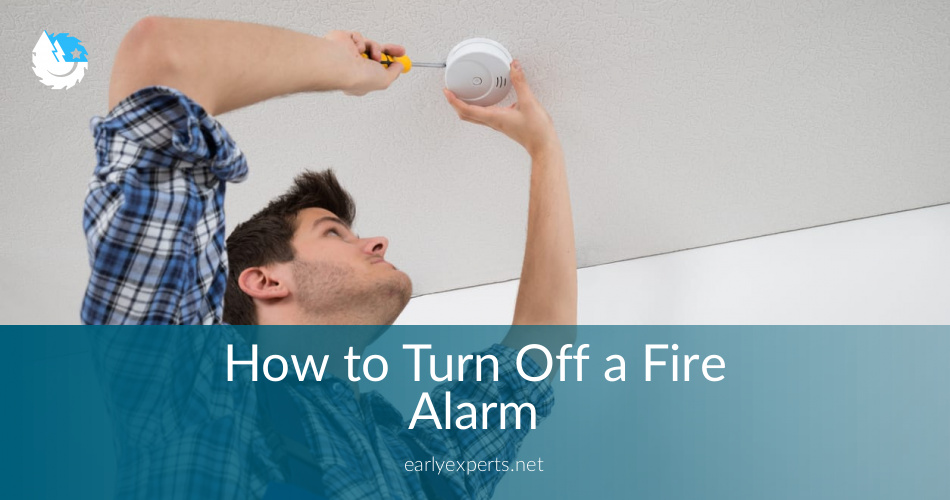
Alright, let's talk about a situation that’s a little less about thrilling adventures and a little more about… well, peace and quiet. We're diving into the world of fire alarms. Now, you might be thinking, "Fun? About fire alarms?" Stick with me! Because knowing how to manage one of these noisy contraptions is surprisingly useful, incredibly empowering, and, dare I say, a little bit of a household superpower.
Think about it: we’ve all been there. Maybe it's a rogue piece of toast that decided to go from golden brown to charcoal black in record time. Or perhaps a little too much steam from a steamy shower decided to have a party with the ceiling detector. Whatever the cause, that ear-splitting shriek can be more than just startling – it can bring a household to a standstill, frazzle nerves, and make you wonder if you’ll ever hear silence again. Learning how to gracefully silence a fire alarm isn't just about stopping the noise; it's about regaining control, preventing unnecessary panic, and ensuring you're only dealing with a false alarm, not a genuine emergency.
The Noble Purpose (When It's Not Being Annoying)
Before we get to the nitty-gritty of silencing, let’s give a nod to the fire alarm's true mission. These little heroes are designed for one incredibly important reason: to save lives and protect property. They are the first line of defense against the devastating effects of fire. When smoke or heat reaches a certain level, the alarm springs into action, its loud siren designed to wake sleeping occupants and alert everyone to the potential danger. This early warning is absolutely critical. It gives precious minutes for people to escape safely and for emergency services to be called. So, while we’re focused on silencing the occasional nuisance, it’s crucial to remember that their primary job is one of utmost importance.
When Silence is Golden (And You're Not Actually on Fire)
So, the alarm is blaring. Your heart is doing a drum solo, and your dog is looking at you with wide, panicked eyes. What now? The good news is, most modern fire alarms are designed with user-friendliness in mind, even in those stressful moments. The key is to stay calm and act quickly.
First things first: Assess the situation. Is there actually smoke? Can you smell anything burning? If the answer is yes, then this isn't a "how to turn it off" situation – it's a "how to get out and call 911" situation. Your safety is the absolute priority. Always, always, always err on the side of caution.
Fire alarm turn off - YouTube
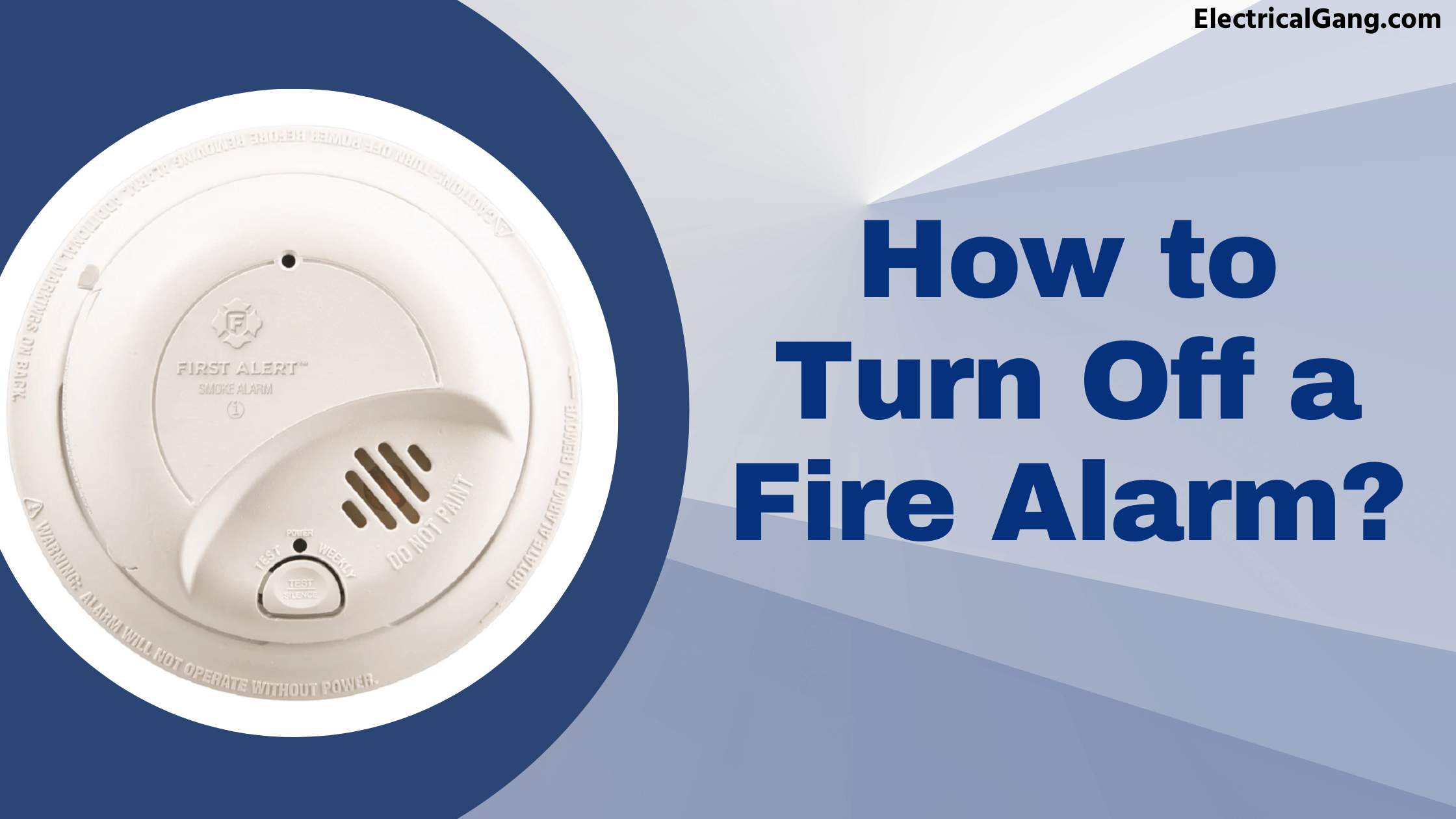
Assuming you've done a quick sweep and determined it's a false alarm – no flames, no acrid smoke, just… noise – then it's time to bring in the silencing brigade. The most common and straightforward way to turn off a fire alarm is by pressing the “hush” or “test/silence” button. This button is usually quite prominent on the front of the alarm unit. Give it a firm press, and you should hear the alarm quieten down. This is often a temporary silence; the alarm will usually reset itself after a few minutes.
If pressing the button doesn't do the trick, or if you can't easily reach the button (perhaps it's on a high ceiling), you might need to consider a more direct approach. For most standard alarms, you can gently tap the unit with a broom handle or a similar object to activate the button. Just be gentle; you don't want to damage the device.
When the Button Doesn't Quite Cut It
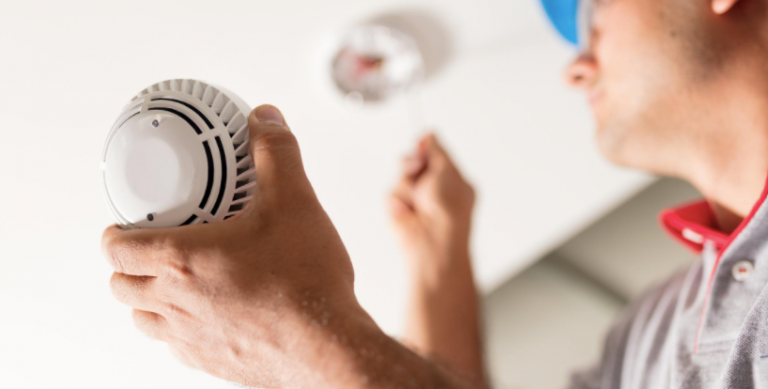
Sometimes, even the mighty hush button needs a little backup. If you're dealing with a particularly stubborn alarm or one that’s not responding as expected, you might need to look at the power source. Most smoke detectors are powered by either a battery or are hardwired into your home's electrical system, often with a battery backup. If your alarm is battery-operated, the quickest way to silence it is to carefully remove the battery. You’ll typically find a small compartment on the back or side of the unit. Just slide it open and take out the battery.
How to Turn Off a Fire Alarm: Ensuring Fire Safety
For hardwired alarms, it’s a bit more involved. You'll need to locate the circuit breaker that controls the smoke detectors. This breaker is usually labeled something like “Smoke Detectors,” “Alarms,” or sometimes it might be grouped with other essential home systems. Flipping the correct breaker to the ‘off’ position will cut the power to the alarm. Remember to only do this if you are absolutely certain it’s a false alarm.
A Little Bit of Maintenance Goes a Long Way
Now that you know how to silence the beast, let's talk about preventing it from becoming a beast in the first place. Regular maintenance is your secret weapon against unnecessary alarms. Most manufacturers recommend testing your smoke detectors monthly. This ensures they are working correctly and that you’re familiar with the sound and location of your alarms. It also helps you identify if an alarm is becoming overly sensitive or malfunctioning.
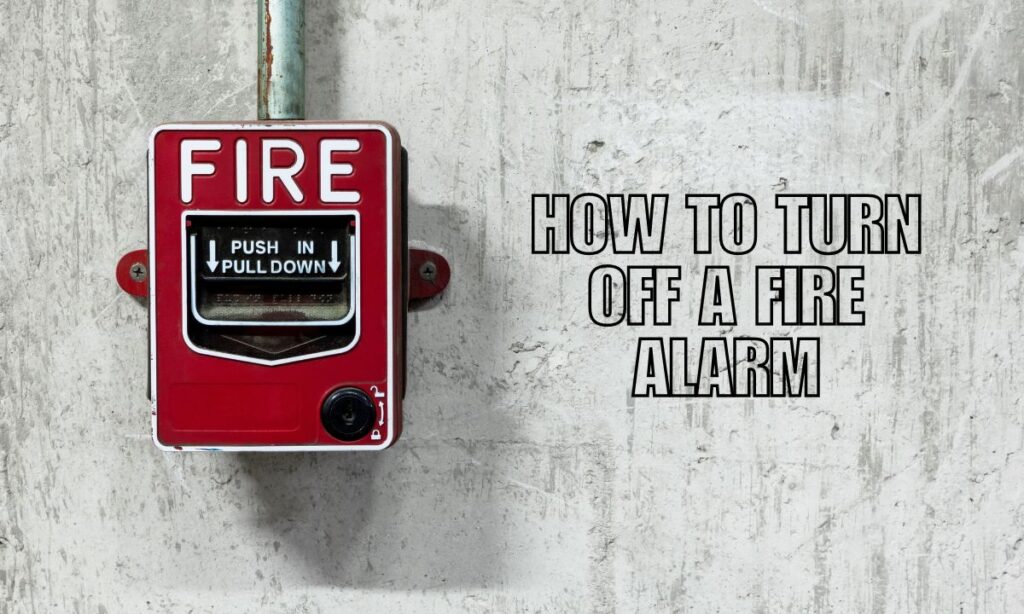
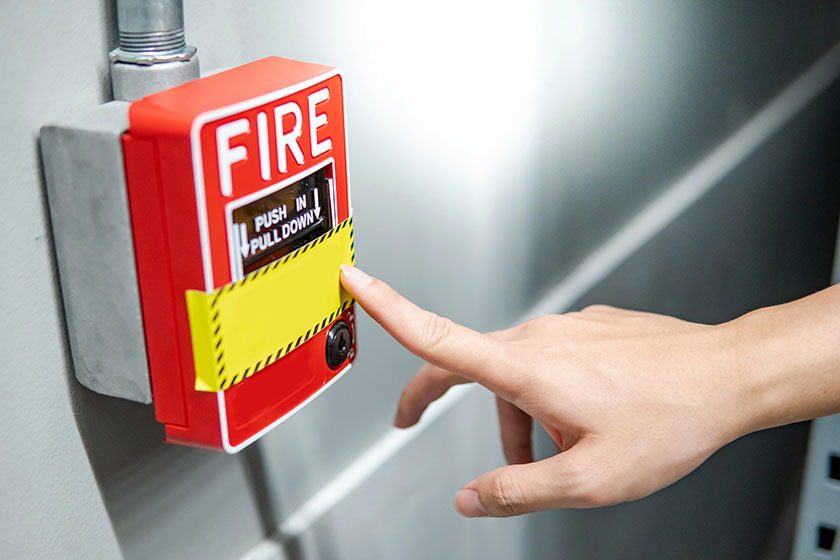
How To Turn Off Fire Alarms In A Commercial Building - Fire Safety Alarms
Cleaning your smoke detectors is also key. Dust and cobwebs can accumulate inside the sensing chamber, interfering with the smoke detection capabilities and leading to false alarms. A quick vacuum with a soft brush attachment or a gentle wipe with a dry cloth can work wonders. For battery-powered units, it’s a good practice to replace the batteries at least once a year. A chirping sound usually indicates a low battery, but it's better to replace them proactively, perhaps when you change your clocks for daylight saving time.
Understanding your specific smoke alarm model is also incredibly helpful. Different brands and types of alarms might have slightly different silencing procedures. Taking a moment to check the manufacturer’s instructions, which are often printed on the back of the unit or available online, can save you a lot of hassle.
So, there you have it! Knowing how to turn off a fire alarm is a practical skill that can bring a sense of calm to a chaotic moment. It’s about understanding your home, being prepared, and ensuring that when that siren does sound, you know exactly what to do – whether it's to safely evacuate or to gently, and quickly, restore the peace.