
How Do I Stop A Broody Hen

Hey there, fellow chicken enthusiast! So, you’ve got a hen who’s gone full mama bear, even though there are zero fluffy butts in sight? Yep, we’re talking about a broody hen. She’s sitting on those eggs like they’re the last chocolate chip cookies on earth, and frankly, it’s starting to drive you a little bonkers. Don’t worry, you’re not alone! It’s a common, albeit sometimes inconvenient, part of keeping these feathered friends.
Let’s dive into this hen-sitting conundrum, shall we? Think of me as your chicken-whispering bestie, here to guide you through the delightful, sometimes maddening, world of stopping broodiness. We’ll get your little hen back to her regular, egg-laying self in no time, and you can get back to your regularly scheduled chicken-related chaos. Ready?
First things first, what exactly is a broody hen? It’s basically when a hen decides she’s ready to hatch some eggs. Her hormones kick into overdrive, she gets this fierce, almost trance-like stare, and she’ll spend all day and night sitting on whatever she can find – even if it's just a collection of pebbles. It’s instinct, pure and simple. A beautiful instinct, but not always convenient for us humans who prefer a steady supply of fresh eggs for our omelets and baking projects. Think of her as having a really, really strong "nesting" urge. Like when you suddenly decide your entire house needs to be decluttered in one weekend, but for chickens.
Must Read
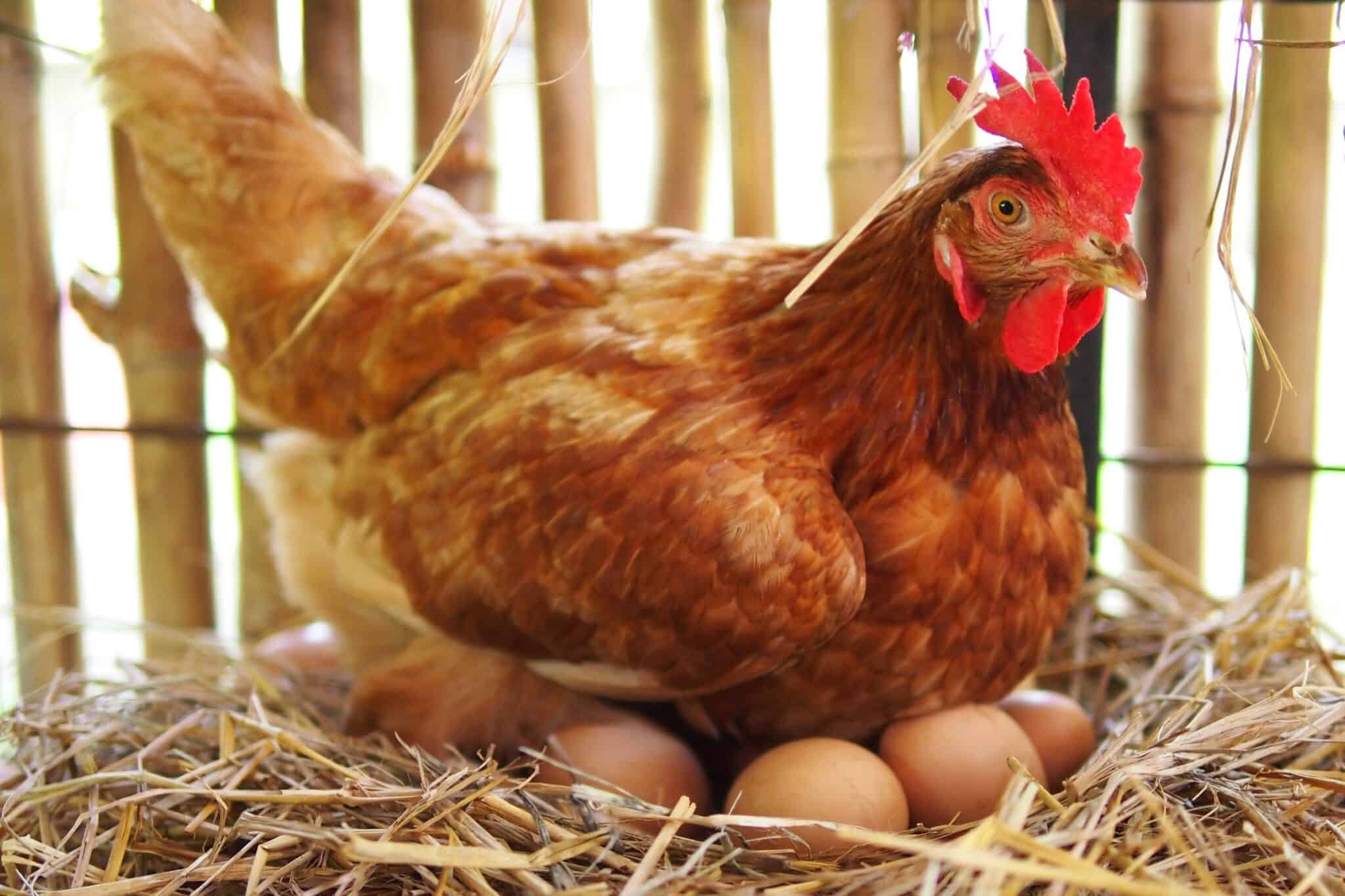
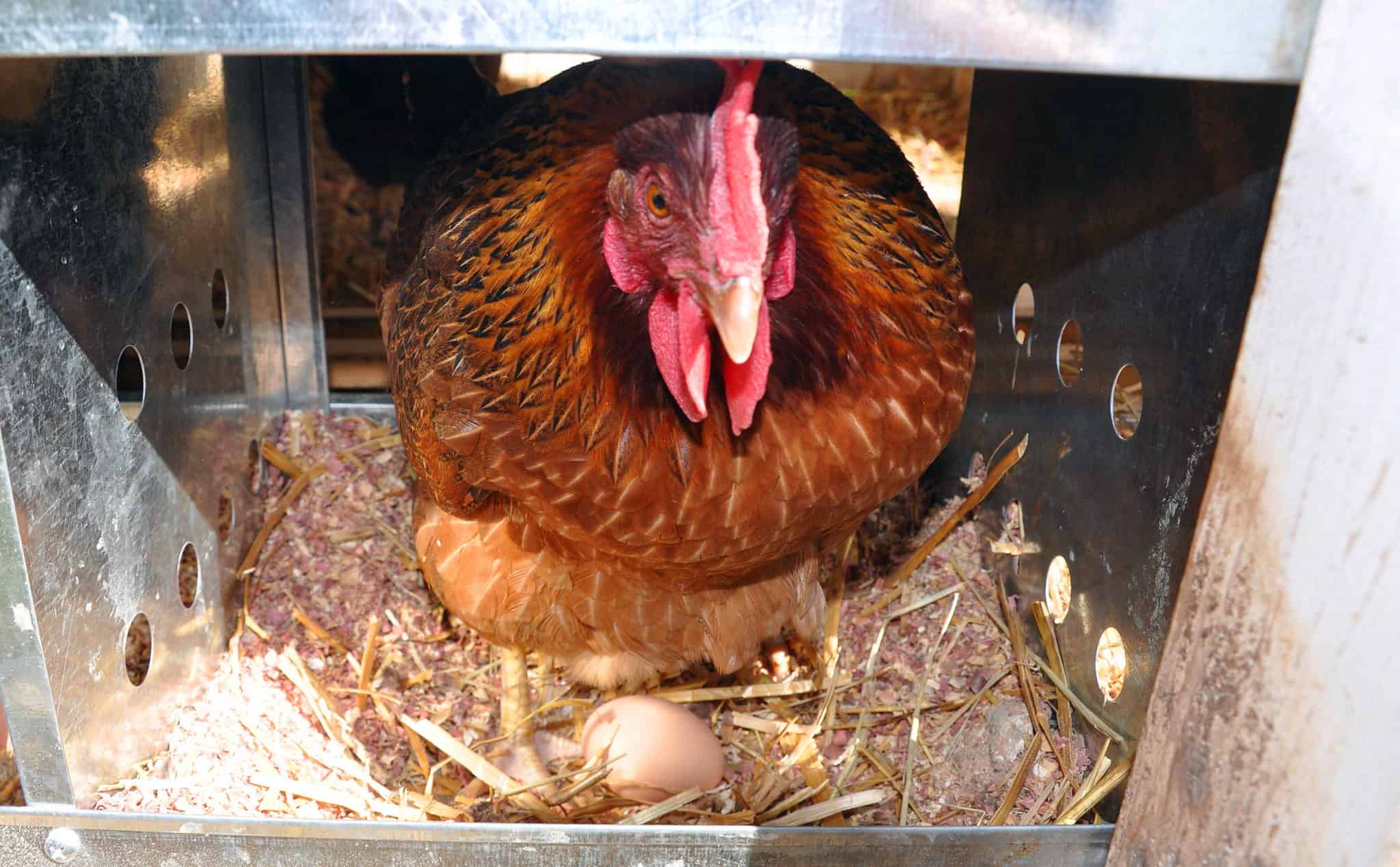
So, how do you know if you've got a broody hen on your hands? She’s not exactly going to send you a formal announcement. You'll notice a few key behaviors. The most obvious is that she'll be spending an unusual amount of time in the nest box. We're talking all day, every day, with very few breaks for food or water. She might even get a bit grumpy if you try to move her or peek under her. If you do manage to get her off the nest, you might notice she’s a bit… ruffled. Her breast feathers might be plucked out to create a nice warm nest lining. And then there’s the look. Oh, that look! It’s a combination of fierce protectiveness and utter determination. She's basically saying, "Do NOT disturb the incubation process!"
If you’re looking at your hen and thinking, “Yep, that’s her. She’s glued to that nest box like a barnacle to a ship,” then congratulations! You’ve got a broody hen. Now, the big question: how do we gently, and effectively, encourage her to break this maternal trance?
One of the most common and often successful methods is something called the “broody breaker box” or simply, isolation. Now, this isn’t punishment, okay? Think of it as a spa retreat for your hen. A temporary, slightly inconvenient spa retreat. You’ll need a separate, comfortable space for her. This could be an old dog crate, a spare coop section, or even a large cage. The key is that it needs to be a place where she can stand up, turn around, and access food and water easily. And here’s the crucial part: no nesting material!

Why no nesting material, you ask? Well, if there’s nothing comfy to sit on, she’s less likely to want to settle in for long periods. It’s like offering someone a bed made of Lego bricks – not exactly conducive to a good night’s sleep. You want the floor of the isolation pen to be a bit uncomfortable, perhaps wire flooring (if it's safe and not too harsh on her feet) or just a hard, flat surface. This makes sitting for extended periods less appealing. The idea is to break her habit of sitting for hours on end. She needs to get up and move around, get that brooding instinct out of her system.
When you move her to her isolation spot, do it in the evening. This helps her adjust to the new surroundings without too much stress. She’ll likely be a bit confused and unhappy at first. She might squawk, try to escape, or look at you with betrayal in her eyes. Just remember, it’s for her own good, and yours! You'll want to make sure she has constant access to fresh water and plenty of food. Some people even find that providing her with a bit of extra encouragement, like scattering some tasty treats just out of reach of the nest box area (in her regular coop, if you can safely separate her from others), helps get her moving.
Now, how long does this isolation period last? Generally, a few days to a week is usually enough. You’ll want to check on her regularly. If you see her getting up and moving around, eating and drinking normally, and showing less interest in settling down on the floor, she’s likely breaking her brooding habit. Once she seems to be acting more like her old self – curious, active, and not obsessed with sitting – you can try returning her to the main flock.
Be prepared, she might try to go broody again. It’s like a strong habit! If she does, you might need to repeat the isolation process. Some hens are just really determined mamas, even when there are no eggs to hatch. It’s their superpower, I guess! You might also find that some breeds are more prone to broodiness than others. Think of it as a breed characteristic, like how some dogs are known for their loud barking and others for their gentle nature.
Another technique, and this one can be a little more hands-on, is egg removal. If your hen is only mildly broody, or if you want to try something less drastic than full isolation, simply removing the eggs from her nest box might be enough. Do this daily, and do it without disturbing her too much. If she sits on empty space, eventually the novelty will wear off. However, some hens are so determined that they'll just keep sitting, even on nothing. This method is often best combined with other strategies.
Sometimes, you might hear about people using things like vinegar or special sprays to deter broodiness. While I’m all for creative solutions, I’m a bit cautious about using anything that could potentially harm your hen or make her miserable. Stick to the methods that are tried and true and focus on her comfort and well-being. A happy hen is a good hen, right?
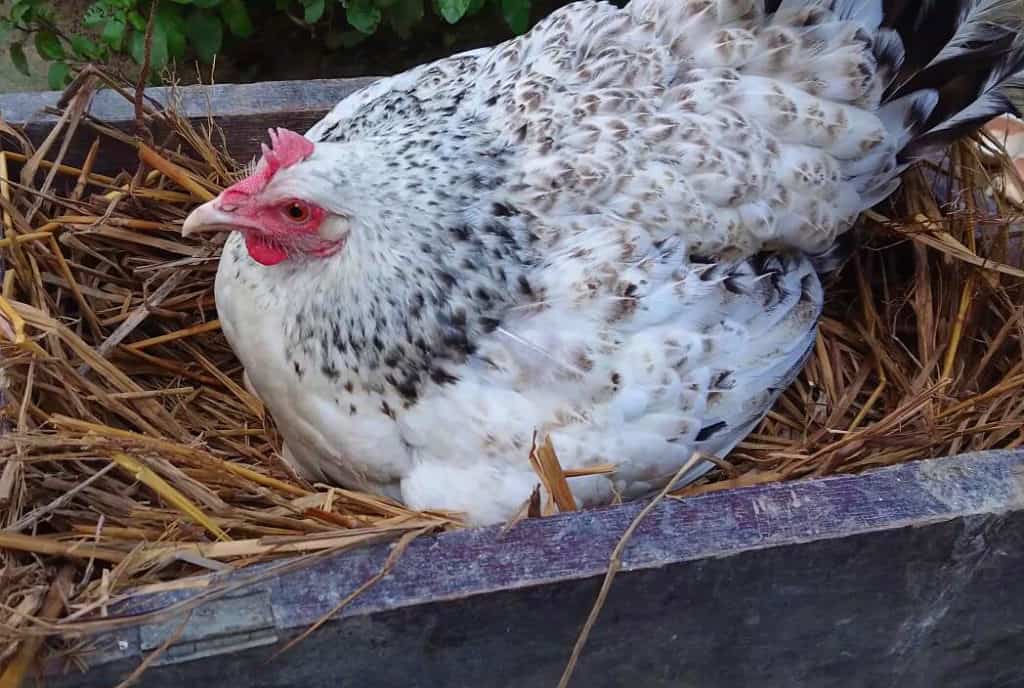
One little trick that some people swear by is changing the nest box itself. If your hen is fixated on a particular spot, you can try removing that specific nest box for a while, or blocking it off. Then, offer her a different, less appealing nest box. It’s like saying, "Nope, that secret hideout is closed for renovations!" This can sometimes disrupt her focus and break the spell.
You also want to make sure your hen is getting enough to eat and drink during this time. Broody hens can neglect their own needs, so it’s important to monitor her. If she’s looking a bit thin or dehydrated, you might need to hand-feed her or offer her water more frequently. Again, this is where the isolation method is great, as it ensures she has easy access to both.
What if you want her to hatch eggs? Well, then you’re in luck! If you have fertile eggs and a willing broody hen, this is the easiest way to expand your flock. Just let her do her thing! You'll just need to make sure she has a safe, quiet place to nest and that she's not being disturbed by other flock members. You'll also want to provide her with plenty of food and water, and make sure she has a chance to get off the nest to do her business. But that's a whole different conversation for another day!
Back to stopping broodiness! It’s important to be patient. Some hens break their brooding habits quickly, while others take a bit longer. Don't get discouraged if your first attempt doesn't immediately yield results. Just keep at it, and you'll get there. Think of it as a gentle persuasion, not a forceful eviction. We’re trying to coax her out of her maternal daydream, not traumatize her.
And remember, broodiness is a natural behavior. It’s a sign that your hen is healthy and happy, even if it’s inconvenient for us. So, while you’re working on breaking her habit, try to appreciate the instinct. It’s a little piece of wildness in our backyards. Once she’s back to her usual egg-laying self, you’ll probably look back and chuckle at the whole ordeal. And who knows, maybe she’ll surprise you with a clutch of adorable chicks next season!
So go forth, my friend! With a little patience, a touch of strategic planning, and maybe a bit of chicken-themed humor, you’ll have your broody hen back in the swing of things in no time. You’ve got this! And when she’s back to her delightful, egg-laying ways, you can celebrate with… well, with some delicious fresh eggs, of course! Happy chicken-keeping!

