How Do I Say Bye In French

Ah, the French language! It’s a symphony of romance, a whisper of sophistication, and sometimes, a delightful linguistic puzzle. We all dream of ordering a croissant with effortless aplomb or charming a Parisian street artist with a well-placed compliment. But before we get to the nitty-gritty of philosophical debates or ordering a second pain au chocolat, there’s a fundamental hurdle every beginner faces: how do you actually say goodbye?
Fear not, fellow Francophiles! While it might seem simple, mastering the art of the French farewell is like learning to waltz. It’s about rhythm, nuance, and knowing which step to take for which occasion. Let’s dive in, shall we? Think of this as your backstage pass to the most stylish goodbyes in the world.
The Classic Goodbye: Au Revoir
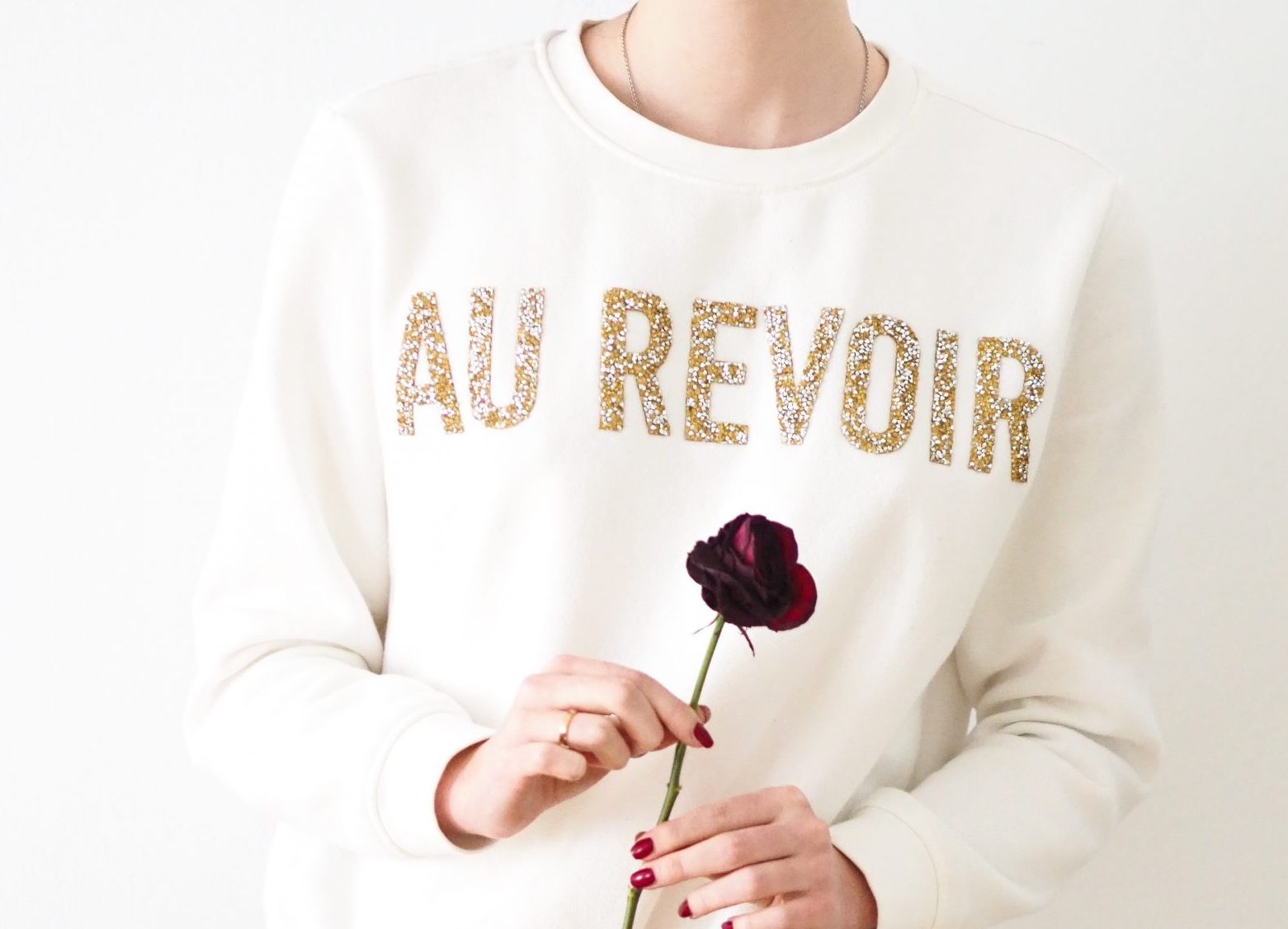
This is your bread and butter, your trusty sidekick. Au revoir. It literally means "until we see each other again." It’s the equivalent of our English "goodbye," and you can’t go wrong with it. It’s polite, it’s versatile, and it’s what you’ll hear most often.
Must Read
Think of it as your default setting. Meeting a shopkeeper? Au revoir. Leaving a polite acquaintance? Au revoir. It’s the polite handshake of the French language.
When to Use It
Pretty much anytime you want to leave a situation politely. It’s your go-to for formal and semi-formal settings.
A Little Extra Flair
You can add a little something extra. If you’re feeling particularly friendly, you might say Au revoir et bonne journée (Goodbye and have a good day) or Au revoir et bonne soirée (Goodbye and have a good evening).
It’s like adding a sprinkle of parsley to your perfectly cooked steak – a small touch that elevates the whole experience.
The Casual Charm: Salut
Now, let’s get a little more relaxed. If you’re among friends, family, or people you know well, Salut is your magic word. This little gem works for both "hello" and "goodbye." Talk about efficiency!
Imagine you’re bumping into your best friend at a café. A cheerful Salut! as you approach, and a friendly Salut! as you part ways. It's the linguistic equivalent of a knowing wink.
When to Use It
Use this with people you’re on a first-name basis with. It’s informal, warm, and utterly French.
A Fun Fact!
The word salut actually comes from the Latin word "salus," meaning "health" or "well-being." So, when you say salut, you’re essentially wishing someone good health! How thoughtful is that?
It’s a tiny linguistic echo of ancient greetings, reminding us that even our casual goodbyes carry a bit of history.
The "See You Soon" Vibe: À Bientôt
This one is for when you genuinely expect to see someone again relatively soon. À bientôt translates to "see you soon." It carries a promise of reunion, a little spark of anticipation.
You’ve had a great chat with a colleague you’ll be working with on a new project. As you leave the meeting, a confident À bientôt! feels just right. It’s a forward-looking, positive way to sign off.
When to Use It
When you know your paths will cross again in the near future, but perhaps not within the same day. It’s a step up in commitment from au revoir without being overly familiar.
Cultural Nod
In France, relationships are often built on a foundation of shared experiences and repeated encounters. À bientôt fits perfectly into this rhythm, reinforcing connections.
The "See You Later" Approach: À Plus Tard
Similar to à bientôt, but with a slightly more indefinite timeframe. À plus tard means "see you later." It’s a relaxed way of saying you’ll catch up at some point, without specifying when.
You’re leaving a party, and you know you’ll likely see some of these people again at future gatherings. À plus tard is your casual, yet still polite, sign-off.
The Shorter, Cooler Version: À Plus!
And here’s where it gets even more fun. The young and trendy have shortened à plus tard to the much cooler and breezier à plus! (pronounced "ah ploos"). It’s the linguistic equivalent of a perfectly faded denim jacket – effortlessly stylish.

Think of it as the ultimate casual dismissal. You’re leaving a friend's house after a fun evening. A quick À plus! and you’re out the door, leaving behind a trail of good vibes.
When to Use It
Use à plus tard with people you know reasonably well. Use à plus! with your close friends and younger acquaintances. It’s a sign of modern French fluency.
The "Until Tomorrow" Certainty: À Demain
This one is for when you know, with absolute certainty, that you will see the person the very next day. À demain translates directly to "until tomorrow." It’s a clear and precise farewell.
You’re finishing up a work day with colleagues you’ll see again bright and early. A simple À demain! is all you need. It’s efficient and reassuring.
When to Use It
When you have a confirmed meeting or interaction scheduled for the following day. It’s perfect for work, school, or any situation with a predictable next encounter.
A Touch of Tradition
The French are known for their structured routines, and à demain fits right in. It’s a nod to the predictable flow of days and the certainty of seeing familiar faces again.
The "Until Later" Variations
French is a language of subtle shades, and goodbyes are no exception. Beyond the common phrases, there are other ways to signal your departure, each with its own flavor.
À tout à l'heure
This is used when you expect to see someone again very soon, within the same day, often within a few hours. It’s like saying "see you in a bit."
Imagine you’re popping out to the shops and will be back to meet a friend at home later that afternoon. À tout à l'heure! is the perfect phrase.
À tout de suite
Even more immediate than à tout à l'heure. This means "see you right away" or "see you in a moment." It’s for those brief separations where you’ll be back before you know it.
Your partner is just going to grab the mail. A quick À tout de suite! before they step out the door.
The Sweetest Farewell: Adieu (Use with Caution!)
Now, let’s talk about adieu. This is the big one. Literally meaning "to God," it carries a weight of finality. In modern French, adieu is generally reserved for situations where you don’t expect to see the person again, perhaps ever. Think of it as a very, very final goodbye.
It’s the kind of word you might hear in dramatic movies or historical contexts. In everyday life, using adieu when you actually plan to see someone again can be quite jarring and even a little dramatic!
When to (Rarely) Use It
Honestly, for most everyday situations, you’re better off sticking with au revoir or its variations. Reserve adieu for truly significant, long-term or permanent farewells.
A Word to the Wise
It’s like using a sledgehammer to crack a nut. Unless you’re playing a particularly dramatic role, leave adieu in the realm of poetry and poignant goodbyes.
The Cultural Context: The Kiss Goodbye
Now, for a truly immersive experience, we have to talk about the bise, or the kiss on the cheek. In France, greeting and saying goodbye often involves a light peck on each cheek (sometimes one, sometimes two, depending on the region and your relationship with the person).

Don’t be alarmed if you’re offered a bise. It’s a sign of warmth and connection. It’s less about actual kissing and more about a symbolic gesture of closeness. Just lean in and lightly touch cheeks. It’s surprisingly natural once you get the hang of it.
Regional Differences
The number of kisses can vary! Paris often goes for two, while other regions might do three or even four. When in doubt, follow the lead of your French counterpart.
It’s a little dance of social etiquette, a charming ritual that adds to the fabric of French social life.
Putting It All Together: A Little Practice Makes Perfect
So, you’ve got the vocabulary. Now, how do you weave it into your daily life? The key is to observe and to practice. Listen to how native speakers say goodbye in different situations. Pay attention to the tone of voice, the body language, and the context.
When you’re speaking with French speakers, don’t be afraid to experiment. Start with au revoir. Then, as you build confidence, try salut with friends, à bientôt with colleagues, and à plus with your younger French acquaintances.
Your French Farewell Repertoire
- Formal/Polite: Au revoir
- Casual/Friendly: Salut
- See you soon (definite): À bientôt
- See you later (indefinite): À plus tard (or the cooler À plus!)
- Until tomorrow: À demain
- See you in a bit (same day): À tout à l'heure
- See you in a moment (very soon): À tout de suite
- Final goodbye (use sparingly): Adieu
Each phrase is a tool in your linguistic toolbox, ready to be deployed with precision and grace.
A Final Thought: The Art of Transition
Saying goodbye isn't just about ending a conversation; it's about managing transitions. It's about acknowledging the end of one phase and the beginning of another, whether that’s leaving a friendly chat to tackle your to-do list, or bidding farewell to a memorable trip as you head home.
The French, with their nuanced expressions for departure, seem to have perfected this art. They embrace the "until we meet again," the "see you soon," and even the fleeting "see you in a moment" with a certain elegance. It’s a subtle reminder that every goodbye is also a prelude to a hello, a chance to carry the warmth of connection forward.
So, the next time you need to bid au revoir, do so with confidence and a touch of French flair. Your farewells, like your croissants, can be utterly delightful. À bientôt!