How Do I Remove Stain From Wood
Oh, the stories wood can tell! From the sturdy leg of your favorite armchair that’s bravely supported countless movie nights to the scarred surface of your coffee table, a silent witness to spilled juice boxes and enthusiastic Lego creations. Wood furniture is more than just furniture; it’s a member of the family, a keeper of memories. And like any beloved family member, it occasionally suffers a boo-boo. We’re talking about stains, of course. That dreaded ring from a forgotten teacup, the mysterious dark smudge after a crafting session, or the… ahem… aftermath of a pet’s accident. Don't fret! Removing stains from wood isn't a scary, technical ordeal. It's more like a gentle nudge, a whisper to the wood to remember its pristine past.
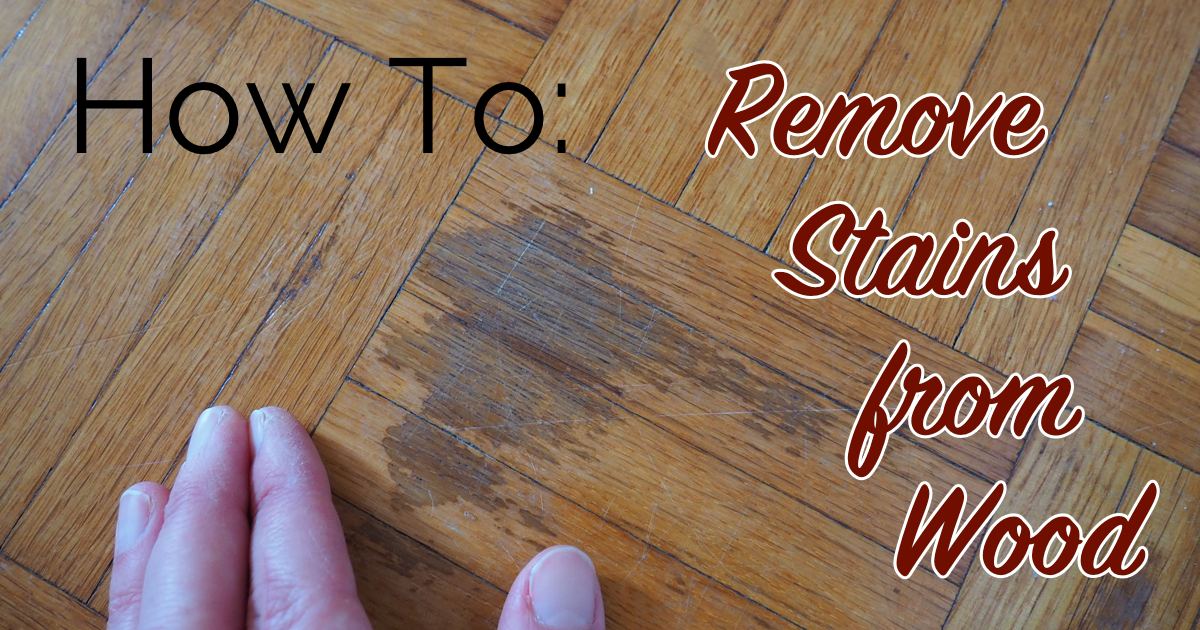
Let's start with those ghostly white rings. You know the ones. They appear like ethereal apparitions on your beautiful wooden surfaces, whispering tales of hurried mornings and a moment's distraction. But fear not, for we have a secret weapon, and it’s probably hiding in your kitchen. Enter the humble mayonnaise. Yes, you read that right! Grab a jar of that creamy condiment, slather a generous dollop onto the offending ring, and let it sit. It sounds utterly absurd, doesn't it? Like you're giving your table a rather luxurious, if somewhat greasy, spa treatment. The magic? The oil in the mayonnaise works to displace the moisture that caused the white mark. After a few hours, or even overnight, wipe it away with a soft cloth, and watch that phantom ring vanish. It's a little bit of culinary wizardry for your home décor!
Then there are the darker, more stubborn marks. The ones that look like they've been etched into the wood's very soul. Perhaps it's ink from a leaky pen during a sudden burst of creative inspiration, or maybe that questionable paint color you tried to match. For these, we can turn to the gentle abrasion of baking soda. Mix it with a little water to form a paste, as if you're preparing a very mild, very useful mud pie. Gently rub this paste onto the stain with a soft cloth. It's like giving your wood a gentle exfoliation, buffing away the imperfections without damaging its natural beauty. Imagine the wood sighing in relief as the blemish fades, returning to its smooth, unblemished glory. It’s a small act of restoration, a way of saying, "I still love you, even with your little battle scars."
Must Read
For those truly unfortunate spills – the ones that make your heart sink faster than a dropped ice cream cone – we might need to bring out the big guns, but "big guns" in the context of wood care are usually surprisingly gentle. Take, for instance, the dreaded pet accidents. They leave behind not only a visible mark but also a lingering odor that can make your home feel less like a sanctuary and more like a… well, you know. A mixture of white vinegar and water can be a lifesaver here. Again, the key is gentle application. Blot the area, don't rub. The vinegar helps to neutralize the odor and can lift the stain. It’s a testament to the power of simple, natural remedies, proving that sometimes the most effective solutions are the ones that have been around for ages, quietly doing their good work.
![How to Remove Oil Based Stain from Wood [Fast & Easy]](https://sp-ao.shortpixel.ai/client/to_webp,q_glossy,ret_img,w_700,h_445/https://startwoodworkingnow.com/wp-content/uploads/2022/01/How-to-Remove-Oil-Based-Stain-from-Wood.jpg)
And what about those sticky, gummy residues left behind by labels or tape? They can be infuriating, clinging to the surface like a determined barnacle. For these, a touch of rubbing alcohol on a cotton ball can work wonders. It's like a tiny, focused eraser for those stubborn sticky bits. Just be sure to test it on an inconspicuous area first, as alcohol can sometimes affect the finish of certain woods. It's a quick, decisive action, like a magician's flourish, making the sticky mess disappear before your very eyes.
Remember, the key to success in wood stain removal is often patience and gentleness. Think of it as a conversation with your furniture. You're not forcing it to change; you're coaxing it. You're showing it that even after life's little mishaps, its inherent beauty can still shine through. It's about preserving those cherished pieces that hold so much of our history. So, the next time you spot a stain, don't despair. Embrace the opportunity to engage with your wooden treasures. You might be surprised at the simple, effective, and even slightly amusing solutions you have at your fingertips, turning a potentially frustrating moment into a heartwarming act of home rejuvenation.

It's amazing how a little bit of common household magic can breathe new life into the furniture that's seen us through so much. Your wood deserves a second chance, and with these simple tricks, you can give it one, keeping those stories alive for years to come.