How Do I Make My Grass Green

Let's be honest. We've all scrolled through those perfectly curated Instagram feeds, seen those impossibly lush lawns in gardening magazines, and whispered a silent, envious prayer to the grass gods. That emerald carpet, the kind that begs you to kick off your shoes and embrace your inner child with a spontaneous cartwheel – it feels like a distant dream for many of us. But what if I told you that achieving that envy-inducing greenery isn't some secret horticultural handshake, reserved only for those with professional landscapers on speed dial?
It's more about understanding a few simple principles, embracing a little patience, and maybe even developing a slightly more intimate relationship with your soil. Think of it less as a chore and more as a gentle dance with nature, a way to cultivate a little piece of paradise right outside your door. So, ditch the stress, put on your favorite chill playlist, and let's dive into the wonderfully achievable world of making your grass turn that glorious shade of green.
The Secret Ingredient? It's Simpler Than You Think.
Forget fancy chemical concoctions that promise instant results. The real magic behind a vibrant, green lawn lies in understanding your grass's basic needs. It’s like us, really. We thrive on good food, decent hydration, and a bit of sunshine. Grass is no different.
Must Read
The primary driver of that lush, green hue is chlorophyll. This is the pigment that allows plants to perform photosynthesis, essentially turning sunlight, water, and carbon dioxide into energy. When your grass is healthy and has access to all the right nutrients, its chlorophyll production is at its peak, resulting in that deep, inviting green. So, when your lawn looks a little pallid, it’s usually a sign that something’s a bit off in its diet or its environment.
Water Wisely, Not Wildly.
This is perhaps the most common pitfall for aspiring lawn gurus. We either drown our grass or starve it. Overwatering can lead to shallow root systems, making the grass more susceptible to drought and disease. It also encourages fungal growth, which is the absolute enemy of a healthy lawn. Think of it like over-hydrating yourself – it’s not good for you!
The general rule of thumb is to water deeply and less frequently. Aim for about 1 to 1.5 inches of water per week, including rainfall. The best way to check if you're watering enough is to stick a screwdriver into the soil. If it goes in easily to about six inches, you’re golden. If it’s hard to push, it needs more water.
And when should you water? Early morning is your best bet. Between 4 AM and 10 AM is ideal. This allows the grass to absorb the water before the sun gets too hot and starts to evaporate it. Plus, it helps prevent those pesky lawn diseases that love lingering moisture on the leaves overnight. Watering in the evening can leave your grass damp for too long, creating a breeding ground for fungi.
Pro Tip: Consider a rain gauge. They are inexpensive and a fantastic way to keep track of how much nature is doing the watering for you. It’s like having a tiny weather station dedicated to your lawn!

Feed Your Green Friends.
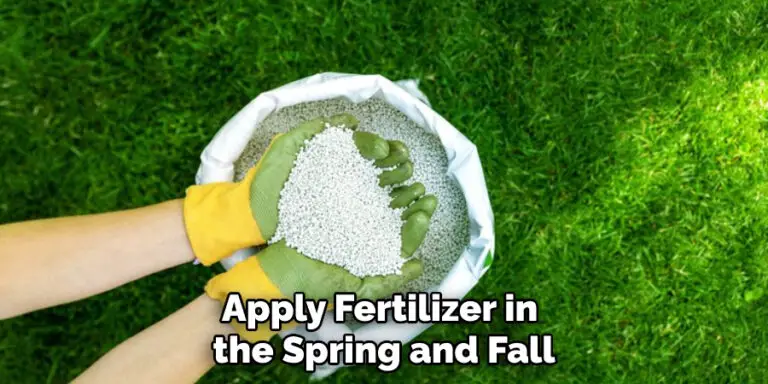
Just like we need a balanced diet, your lawn craves the right nutrients. Nitrogen is the king of green. It’s the primary component in most lawn fertilizers and is directly responsible for that vibrant chlorophyll production. However, it’s not a one-size-fits-all situation. Different types of grass have different nutritional needs, and the time of year also plays a role.
A soil test is your secret weapon here. You can get DIY kits at most garden centers, or you can send a sample to your local extension office for a more detailed analysis. This will tell you exactly what your soil is lacking and what kind of fertilizer you should be using. It's like a personalized health check for your lawn!
Generally, most cool-season grasses (like fescue, bluegrass, and rye) benefit from a balanced fertilizer in the spring and fall. Warm-season grasses (like Bermuda and zoysia) prefer feeding in the late spring and summer. Always follow the instructions on the fertilizer bag religiously. Too much of a good thing can burn your lawn, and nobody wants that.
Fun Fact: The iconic green of stadium turf? It's often achieved through a combination of specialized grass blends, meticulous watering, and strategic fertilization. They’re basically the Michelin-star chefs of lawn care!
Mow Smarter, Not Harder.
Your mower isn't just a tool for taming unruly growth; it's an instrument for healthy lawn management. The height at which you mow your grass makes a significant difference. Mowing too short stresses the grass, making it more vulnerable to weeds, pests, and drought. It also reduces the leaf surface area, hindering its ability to photosynthesize effectively.

A good rule of thumb is the “one-third rule”: never remove more than one-third of the grass blade in a single mowing. For most grasses, this means setting your mower to a higher setting. Longer grass blades have deeper roots, which means your lawn is more resilient and better able to access water and nutrients.
And what about those clippings? Instead of bagging them, consider leaving them on the lawn. They are a natural source of nitrogen and other essential nutrients, essentially acting as a free fertilizer. This practice is called "grasscycling," and it’s a win-win for both your lawn and the environment.
Cultural Connection: Think of it like mindful eating. You’re not just hacking away; you’re making considered decisions about how much to take, and you’re making good use of what you’ve got. It’s a very Zen approach to lawn care.
Healthy Soil is Happy Grass.
You can have the best watering and feeding regimen in the world, but if your soil is compacted and lifeless, your grass will never truly thrive. Soil is the foundation of everything. It’s where the roots anchor, where the water is stored, and where the nutrients are absorbed.
Compacted soil is like trying to breathe through a clogged nose – it’s difficult for air, water, and nutrients to penetrate. The culprit? Often, it’s just foot traffic and everyday activity. The solution? Aeration. This process involves creating small holes in the soil, allowing air, water, and nutrients to reach the roots more easily.
You can rent an aerator, or for smaller lawns, you can even use a garden fork to poke holes. It’s not the most glamorous job, but the results are astonishing. You’ll notice a much healthier, more vibrant lawn.
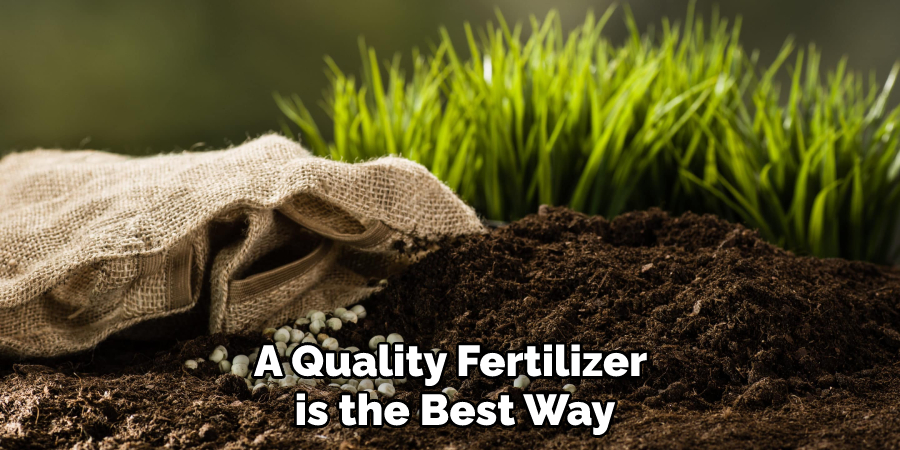
Another soil savior is topdressing. This involves spreading a thin layer of compost or a soil-amendment mixture over your lawn. It’s like giving your lawn a nutrient-rich spa treatment. It improves soil structure, adds organic matter, and helps retain moisture.
Fun Fact: Healthy soil is teeming with life! Billions of microorganisms, including bacteria, fungi, and earthworms, work together to break down organic matter and make nutrients available to your grass. They are the unsung heroes of your lawn!
Weed Warriors and Pest Patrol.
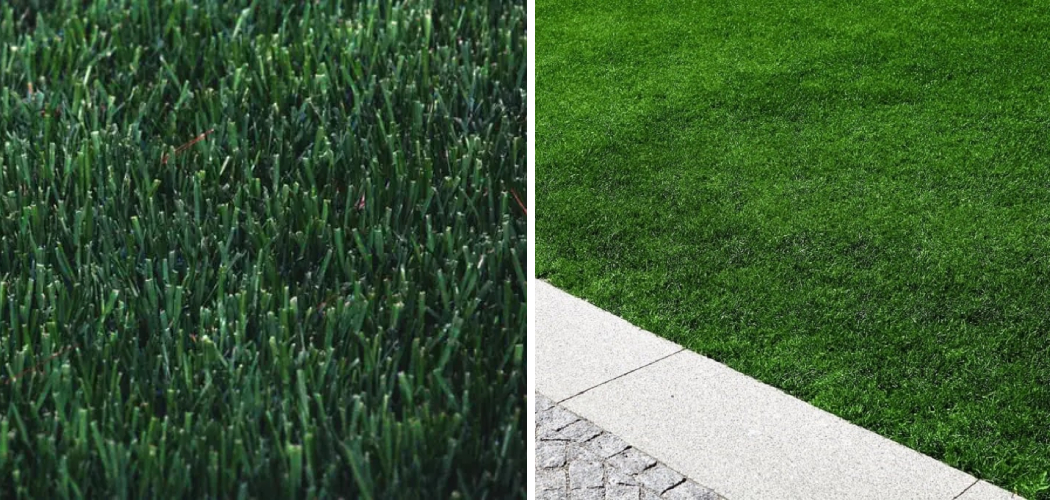
Weeds are the unwelcome guests at the lawn party. They compete with your grass for resources, making your lawn look patchy and unkempt. The best defense against weeds is a thick, healthy lawn. When your grass is dense and vigorous, it crowds out potential weed seeds.
For the weeds that do manage to sneak in, manual removal is often the most satisfying and eco-friendly approach. Pull them out by the roots when the soil is moist, making it easier. If you’re dealing with a more persistent invasion, spot-treating with an organic herbicide can be effective.
Pests can also wreak havoc on your lawn. Grubs, for example, are a common culprit. They feed on grass roots, causing brown patches that can spread rapidly. If you suspect grub damage, a simple test involves digging up a small section of turf; if you find more than 5-10 grubs per square foot, it’s time to take action. Organic pest control options are widely available and are gentler on the environment.
Cultural Reference: Think of your lawn as a well-guarded castle. A strong, healthy lawn is your best defense against invaders. A little proactive maintenance goes a long way in keeping the peace.
Seasonal Secrets for Success.
Your lawn's needs change with the seasons, much like our wardrobes. Understanding these shifts is key to consistent greenness.
- Spring: This is the season for revival. After a long winter, your lawn needs a good dethatching (if necessary) and aeration to prepare for growth. A spring fertilization with a nitrogen-rich fertilizer will give it a much-needed boost.
- Summer: This is the time for maintenance and resilience. Water deeply and less frequently. Mow at a higher setting to shade the soil and retain moisture. Keep an eye out for pests and diseases, especially during hot, dry spells.
- Fall: Arguably the most important season for lawn health. This is when your grass is building reserves for the winter and preparing for spring growth. Aerate and overseed if needed. A fall fertilization is crucial, as it provides nutrients for root development over winter.
- Winter: While your grass might look dormant, it’s still alive. Avoid heavy foot traffic on frozen or sodden lawns, as this can damage the turf.
Fun Fact: The practice of overseeding, which involves sowing grass seed into an existing lawn, is a fantastic way to thicken your turf, introduce new grass varieties, and improve its overall color and resilience. It’s like giving your lawn a refreshing makeover!
Embracing the Journey.
Making your grass green isn't about achieving some unattainable perfection. It's about understanding a living organism and nurturing it. It’s about finding joy in the simple act of cultivating something beautiful and alive.
Think about it. We spend so much time tending to our interiors – decorating, tidying, creating comfortable spaces. Our outdoor spaces deserve that same consideration, that same loving attention. And when you start to see that first hint of vibrant green emerge after a good watering or a timely feeding, there’s a unique satisfaction that washes over you. It’s a small victory, a tangible reward for your efforts.
So, the next time you look at your lawn, don’t see a daunting task. See an opportunity. An opportunity to connect with nature, to practice a little patience, and to enjoy the simple pleasure of a beautiful, thriving green space. It’s not just about the grass; it’s about the gentle rhythm of the seasons, the satisfaction of nurturing life, and the quiet joy of stepping onto a soft, verdant carpet that you helped create. And in the grand scheme of things, that's a pretty wonderful thing indeed.