How Do I Make A Group Email

Hey there, email wizard in the making! So, you've got a bunch of people you need to tell something to, all at once. Maybe it's your book club with your latest spoiler-free review, your work pals about the epic office pizza party (fingers crossed!), or your family about that hilarious cat video you just found. Whatever the reason, sending individual emails to everyone is like trying to juggle flaming torches while riding a unicycle – messy, time-consuming, and a recipe for disaster. But fear not! Making a group email is surprisingly simple, and today, we're going to break it down like a perfectly baked cookie. Grab a virtual cookie, settle in, and let's get this email party started!
Think of a group email as your secret weapon for communication efficiency. It’s that magical way to hit "send" once and have your message land in everyone's inbox simultaneously. No more copy-pasting like a mad person, no more accidentally forgetting Uncle Barry (again!). This is about making your life easier, and honestly, who doesn't want that? We'll explore a few ways to achieve this digital marvel, from the super-quick built-in methods to slightly more advanced, but still totally manageable, techniques. Ready to level up your email game?
The "Copy and Paste" (but way better!) Method: Using the BCC Field
Alright, let's start with the most basic, no-frills way to send an email to a group: the BCC field. Now, I know what you might be thinking. "BCC? Isn't that for, like, spying on people?" Nope! BCC stands for Blind Carbon Copy, and it's actually a super handy tool for keeping things private and tidy. Think of it as the polite way to invite everyone to a party without making them all stand in a giant circle introducing themselves before the fun can start.
Must Read
When you send an email, you have the "To," "Cc," and "Bcc" fields. The "To" field is for your primary recipients, the folks you're directly emailing. "Cc" (Carbon Copy) is for people who need to be in the loop but aren't the main target of the message. But the real star of our show today is BCC. When you put email addresses in the BCC field, those recipients cannot see each other's email addresses. Ta-da! It's like they all received their own personal invitation, even though you only wrote the email once. This is a lifesaver for privacy, especially if you're emailing people who don't know each other. Nobody wants their email address plastered all over the internet, right? Plus, it makes your "To" field nice and clean. You can just put your own email address there, or the address of a colleague if it's a work-related group email, and then load up the BCC field with everyone else. Easy peasy!
Here's how to do it, step-by-step (it's so easy, you'll wonder why you ever bothered with the old way):
1. Open your email client. Whether it's Gmail, Outlook, Yahoo, or that super-secret one your grandma uses, just fire it up.
2. Click "Compose" or "New Email." You know the drill!
3. Find the BCC field. This is the crucial part! Sometimes it's visible right away. If not, look for a little button or link that says "Bcc" or "Show Bcc." It's usually near the "Cc" field. If you still can't find it, a quick search on your email provider's help page will usually do the trick. It’s hiding, but it wants to be found!
4. Put your own email address in the "To" field. This is a common trick. It ensures your email actually sends, and you get a copy too, which is always nice for reference. Or, if you're sending a work email to a group, you might put your boss's email there if they need to be the primary contact. Whatever makes sense for your situation.
5. Add all your recipients' email addresses in the BCC field. This is where the magic happens! Type or paste each email address, separating them with a comma or a semicolon (your email client will usually tell you which one). Pro tip: If you have a list of emails saved somewhere, you can often just copy and paste them directly into the BCC field. Boom! Instant group transmission.
6. Write your subject line. Make it catchy! Something like "Urgent: Pizza Party Imminent!" or "Book Club Discussion: The Thrilling Conclusion!" is way better than "Email." Let your subject line do some of the heavy lifting.
7. Craft your message. Keep it clear, concise, and friendly. And maybe add a funny GIF if appropriate. Who doesn't love a good GIF?
8. Hit "Send"! And that's it! You've just sent a group email without revealing anyone's email address. You are a rockstar.
The "Save for Later" Method: Creating Email Groups/Contact Lists
Now, if you find yourself sending emails to the same group of people repeatedly, constantly typing or pasting those email addresses into the BCC field can start to feel a bit like doing your taxes. Annoying. This is where the concept of an "email group" or "contact list" comes in. Think of it as creating a shortcut. Instead of listing out everyone every time, you just type the name of your group, and poof, all their emails are automatically added.
Most email providers (like Gmail, Outlook, Apple Mail) allow you to create these custom groups. It's like having a pre-made party invitation list ready to go at a moment's notice. This is especially useful for families, close friends, or work teams who communicate regularly. It saves you time, reduces the chance of typos in email addresses (we’ve all been there, hitting send and then realizing you missed an 'e'!), and generally makes your email life smoother. It’s like having a personal assistant for your inbox, but without the need for coffee breaks and performance reviews.

Let's dive into how you might set one up (the exact steps might vary slightly depending on your email provider, but the principle is the same):
For Gmail users (and it's pretty similar elsewhere!):
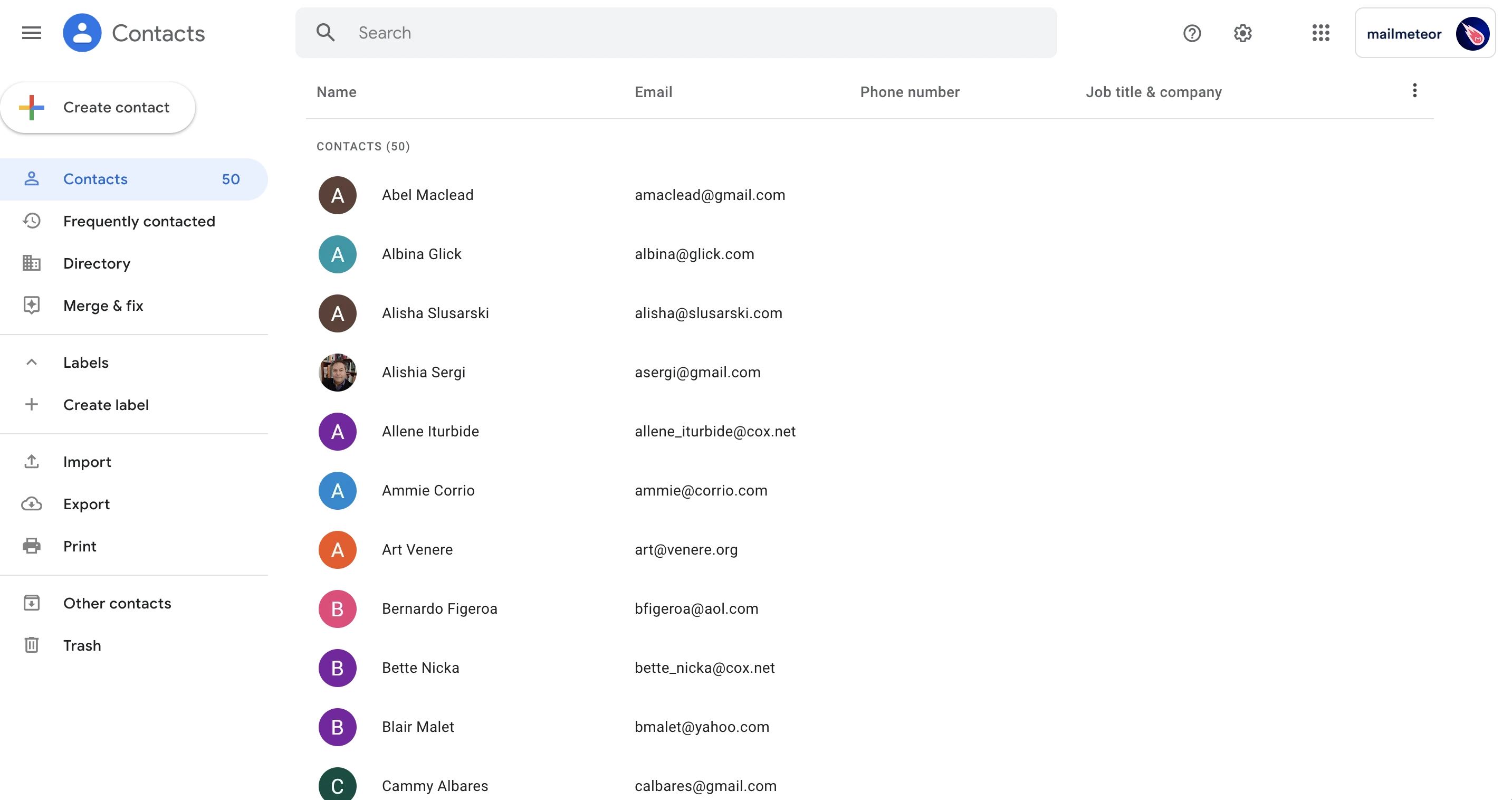
1. Go to your Google Contacts. You can usually find this by going to contacts.google.com, or by clicking the little grid icon in Gmail and selecting "Contacts."
2. Create a label (this is your group name!). Look for an option to "Create label" or "Create group." Give it a memorable name, like "Family Fun," "Bookworms Unite," or "Project Team Alpha."
3. Add your contacts to the label. You can do this in a few ways: * Individually: If you're already in your Contacts, click on a contact, and you should see an option to "Add to label." Select your newly created label. * When creating a new contact: When you're adding a new person, you can assign them to a label right away. * From an existing email: This is a neat trick! If you've recently received an email from someone you want in your group, you can often add them directly from their contact card. Hover over their name in the email, and you should see an option to add them to a group/label.
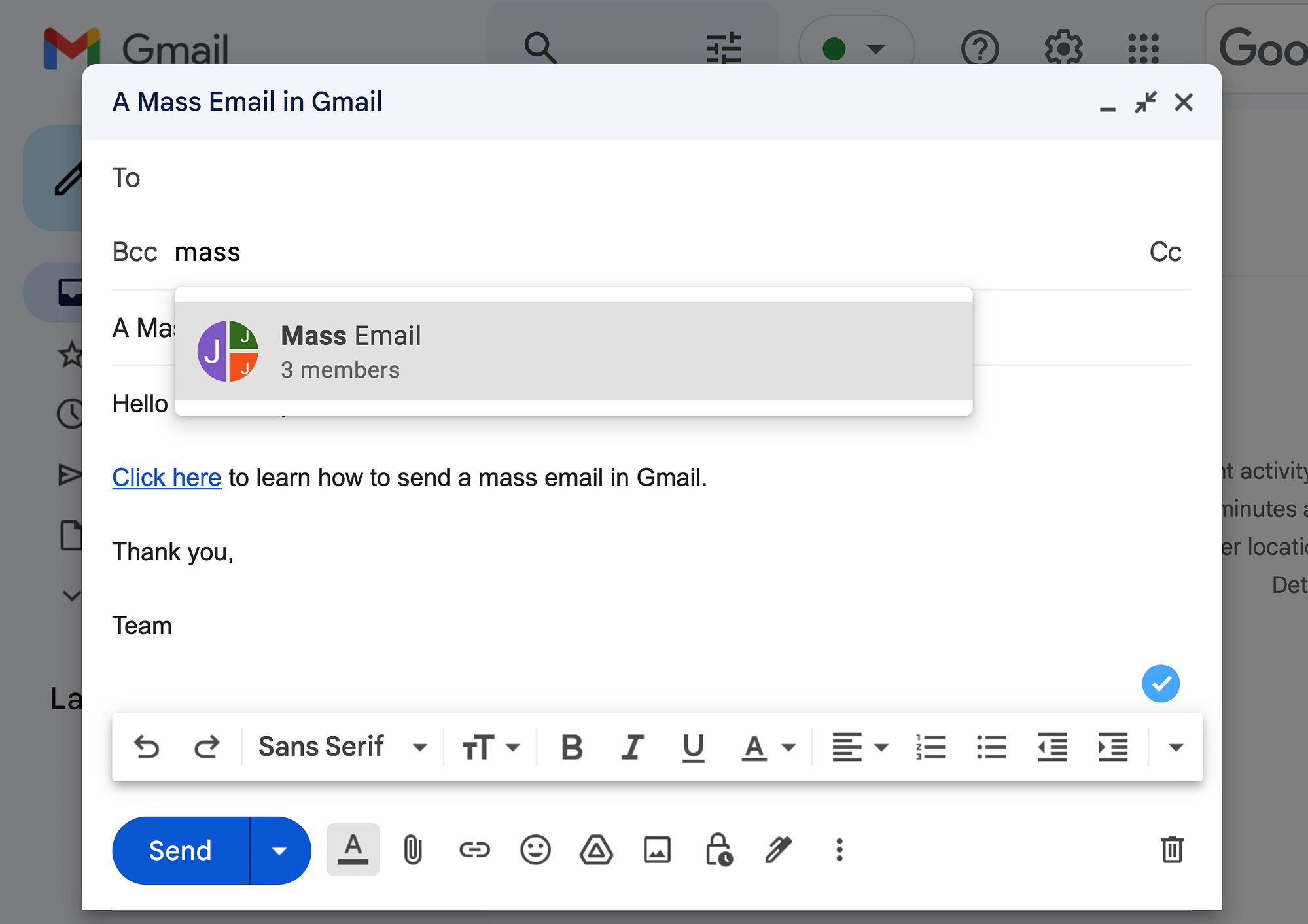
4. Once your contacts are in the label, you're golden! Now, when you go to compose a new email in Gmail, instead of typing out individual addresses, just type the name of your label (e.g., "Family Fun") into the "To" or "Bcc" field. Gmail will magically fill in all the email addresses associated with that label.

For Outlook users (and the principle holds true!):
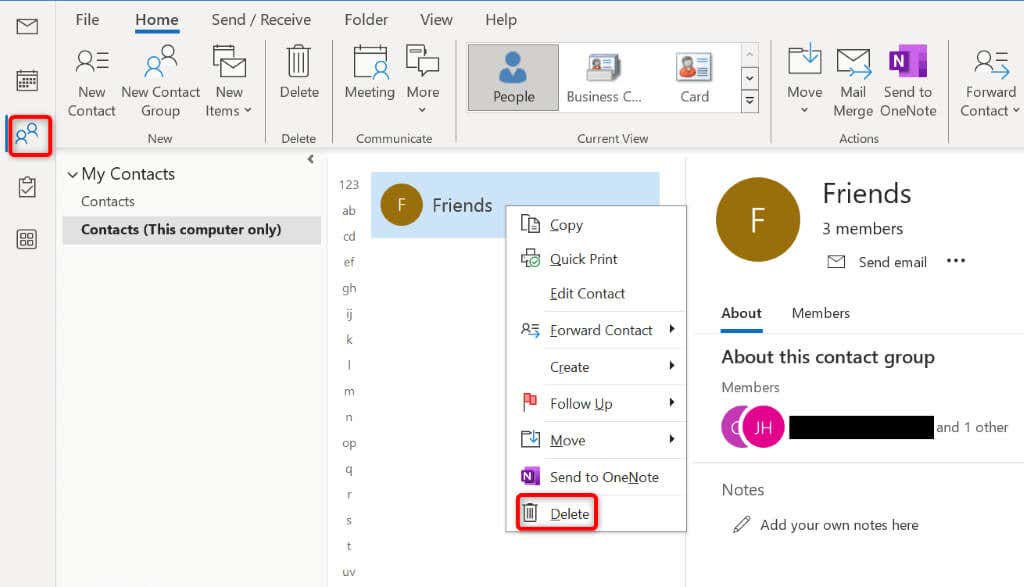
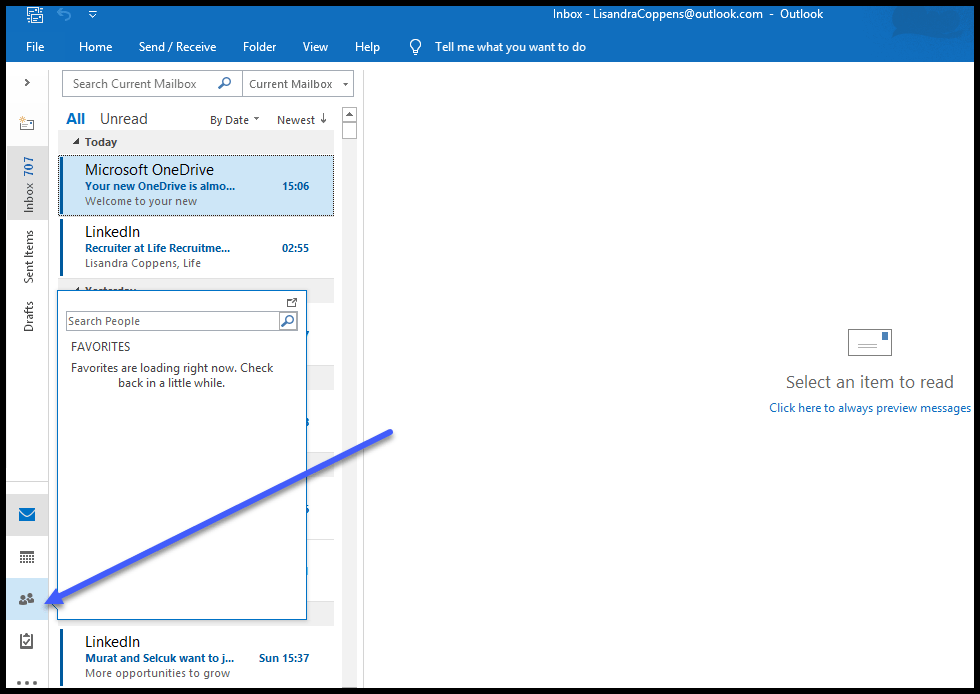
1. Navigate to your Contacts. You can usually find this by clicking on the "People" icon in Outlook.
2. Create a New Contact Group. Look for an option that says "New Contact Group" or "New List."
3. Add members. You can add existing contacts from your address book or type in new email addresses. Give your group a name, like "Office Crew" or "Weekend Warriors."
4. Save the group. Now, when you compose an email, you can type the name of your Contact Group into the "To" or "Bcc" field, and it will populate with all the members' addresses.
Why BCC when using groups? Even when you're using a group/contact list, it's still a really good idea to put the group name in the BCC field if you don't want members to see each other's email addresses. If you put it in the "To" field, everyone will see who else is on the list. So, use your group name in BCC for maximum privacy and tidiness. It's the smart way to do it!
The "Super Organized" Method: Using Mailing List Services
Okay, so far we’ve covered the quick fixes and the handy shortcuts. But what if you're managing a larger group, like a community newsletter, a fan club, or a business where you need to send out professional updates? This is where dedicated mailing list services come into play. Think of these as the professional event planners of the email world. They’re built for sending mass emails efficiently and often come with extra features like tracking opens, managing subscriptions, and designing fancy newsletters.
Popular services include Mailchimp, Constant Contact, and Sendinblue. They offer free tiers for smaller lists, so you don't have to break the bank to get started. These services are fantastic because they handle all the nitty-gritty details of sending emails to many people. They’re designed to avoid spam filters, make sure your emails look good on any device, and give you insights into who's actually reading your messages. It’s like having a whole marketing department in your corner, but way more affordable!
Why might you consider a mailing list service?
- Professional Appearance: They offer templates and tools to make your emails look polished and branded.
- Tracking and Analytics: You can see who opened your email, who clicked on links, and how many people unsubscribed. This helps you understand your audience better.
- List Management: They make it easy to add and remove subscribers, and they often handle unsubscribe requests automatically (which is a huge time saver and legally important!).
- Deliverability: These services are optimized to ensure your emails actually reach people's inboxes, rather than ending up in the spam folder.
- Automation: Some services allow you to set up automated emails, like welcome messages or birthday greetings.
While this is a bit more involved than just hitting send on a quick email, if you're looking to communicate with a larger group on a regular basis, it's definitely worth exploring. It’s like moving from a bicycle to a well-tuned sports car – a significant upgrade in performance and capability.
A Few Extra Tips to Make Your Group Emails Shine!
No matter which method you choose, here are a few golden nuggets of wisdom to ensure your group emails are always a hit:
- Keep it concise. People are busy! Get to the point quickly.
- Use clear and descriptive subject lines. As we said before, this is your first impression!
- Proofread, proofread, proofread! Typos can make you look a bit silly, or worse, send the wrong message. Read it aloud to catch awkward phrasing.
- Consider the tone. Is it a casual chat with friends or a formal announcement to colleagues? Adjust your language accordingly.
- Don't over-email. Respect your recipients' inboxes. Only send emails when necessary.
- Always use BCC for unknown recipients. Seriously, this is so important for privacy. It’s the email equivalent of not shouting someone’s secrets in a crowded room.
- Test your group email first! If you've just set up a new contact group, send a test email to yourself to make sure it's working correctly.
And there you have it! You've officially unlocked the secrets to making group emails a breeze. From the simple elegance of the BCC field to the organizational power of contact groups, you're now equipped to connect with your people efficiently and effectively. No more juggling flaming torches, just smooth, seamless communication. You've got this!
Remember, the goal is to make communication easier, not harder. So go forth, create those groups, send those messages, and spread whatever wonderful information you need to share. The world is waiting for your perfectly crafted group emails. Go make some waves (or at least send some important memos)! You're going to be a group email guru in no time, and that’s something to smile about. Keep shining!