How Do I Get Rid Of Yellow Hair

So, you've been staring in the mirror, and that familiar, unwelcome visitor has shown up: yellow hair. Ugh, right? It's like your hair decided to embrace its inner banana, and maybe that's not quite the vibe you were going for. But hey, before you start hyperventilating into a paper bag, let's chat about it. Getting rid of that brassy hue isn't some arcane mystery; it's actually pretty fascinating stuff, and totally doable!
Think of your hair color like a painting. When you lighten your hair, especially if it's naturally darker, you're essentially taking away layers of pigment. And surprise! Underneath all that rich, deep color, there are warmer tones just waiting to peek through. It’s kind of like peeling back layers of an onion – you never quite know what you’ll find underneath, but in this case, it's often yellow or orange. It’s a natural process, really, but that doesn't mean we have to like it when it shows up uninvited.
Why Does This Yellow Thing Even Happen?
Great question! It’s not like your hair suddenly decided to catch a tan in a tanning bed. There are a few main culprits:
Must Read
The Bleaching Brigade
This is the big one, especially if you've recently gone blonde or have highlights. Bleaching is essentially a chemical process that breaks down the melanin (the pigment) in your hair. If the bleach doesn't lift the hair to the desired pale yellow stage, or if it’s left on too long or not long enough, those underlying warm tones can become super prominent. It’s like trying to erase a pencil drawing with an eraser that’s too light – you can still see the faint lines!
Sometimes, the hair cuticle just isn't fully opened or lifted by the bleach. This means the darker, warmer pigments are still clinging on for dear life. The result? That dreaded yellow. It’s all about the science of pigment and chemical reactions, which is actually pretty cool when you think about it. Our hair is just showing its true colors, literally!
Environmental Evils
Did you know the world around you can also contribute to yellowing? Think about it: the sun, for instance. Prolonged exposure to UV rays can fade your hair color, making those underlying warm tones more visible. It’s like leaving a brightly colored shirt out in the sun for too long – it starts to lose its vibrancy, right?
Then there’s chlorine in swimming pools. That notorious green tinge is often from the metals in the pool water, but it can also exacerbate any yellowing that's already there. It’s like a double whammy of unwanted color transformation. And even hard water, with its mineral deposits, can build up on your hair, giving it a dull, yellowish cast.
Product Buildup
Ever used a ton of styling products? Mousse, hairspray, dry shampoo – they all leave tiny residues. Over time, this can accumulate on your hair strands, creating a dull film. This film can refract light in a way that makes your hair appear more yellow. It’s like wearing foggy glasses – everything looks a bit off!
Some shampoos and conditioners, especially those not formulated for color-treated hair, can also contribute. They might be too moisturizing or contain ingredients that, over time, can affect the clarity of your color, letting those warm tones shine through. It’s not malicious, just a side effect of everyday hair care.
The Aging Artist
And for some folks, as we age, our hair naturally starts to lose pigment, sometimes resulting in a yellowish or grayish tint. It’s a natural part of life’s beautiful tapestry, but if it’s not the look you’re aiming for, there are ways to manage it.
So, How Do We Get Rid of It? Let's Dive In!
Alright, the million-dollar question: how do we banish the banana and bring back the brilliant? Luckily, there are several effective strategies, and some are surprisingly easy!

Purple Power: The Go-To Hero
This is probably the most common and effective solution for toning down yellow. Why purple, you ask? It all comes down to the color wheel! Purple and yellow are opposite each other on the color wheel. When you put a color opposite another color, they cancel each other out. It’s like a chromatic showdown!
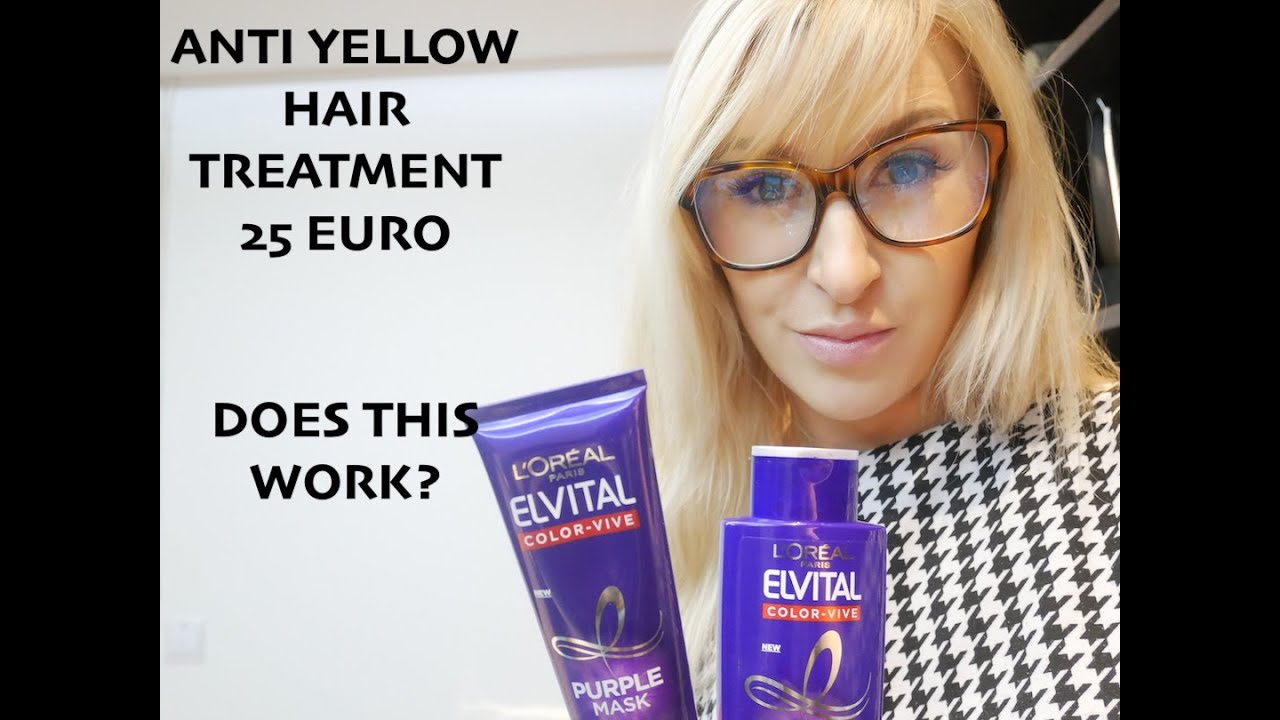
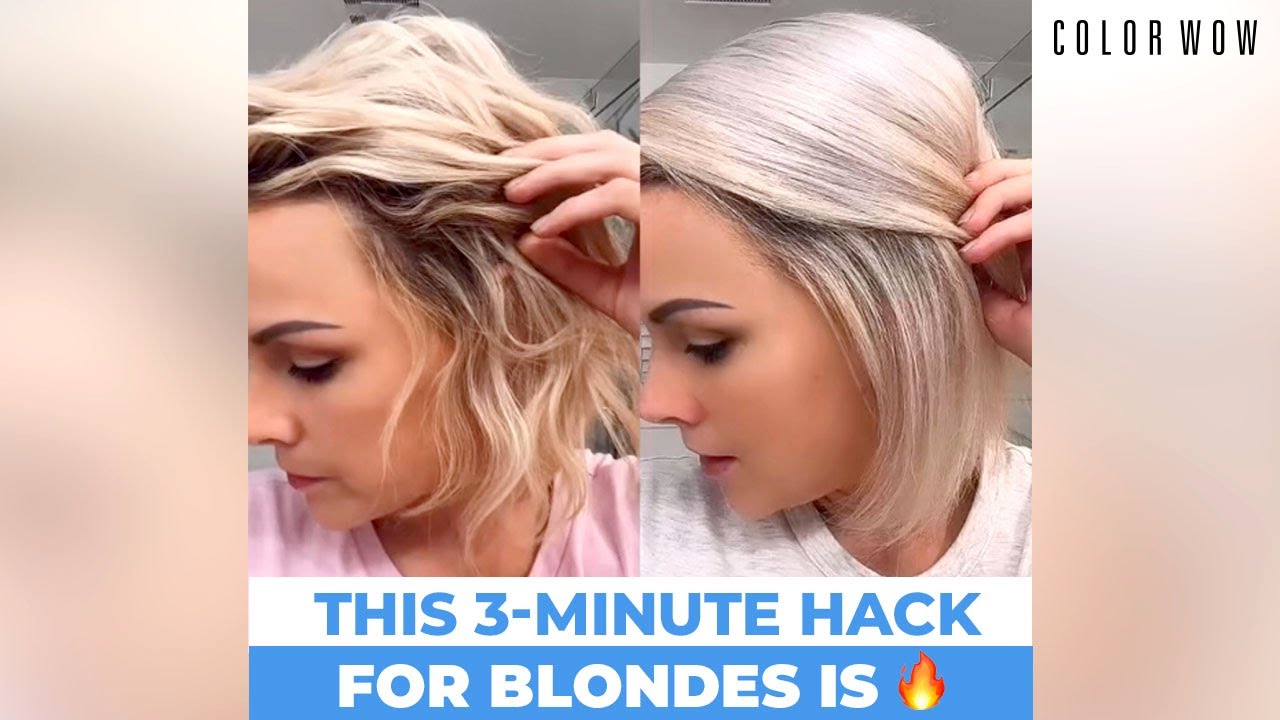
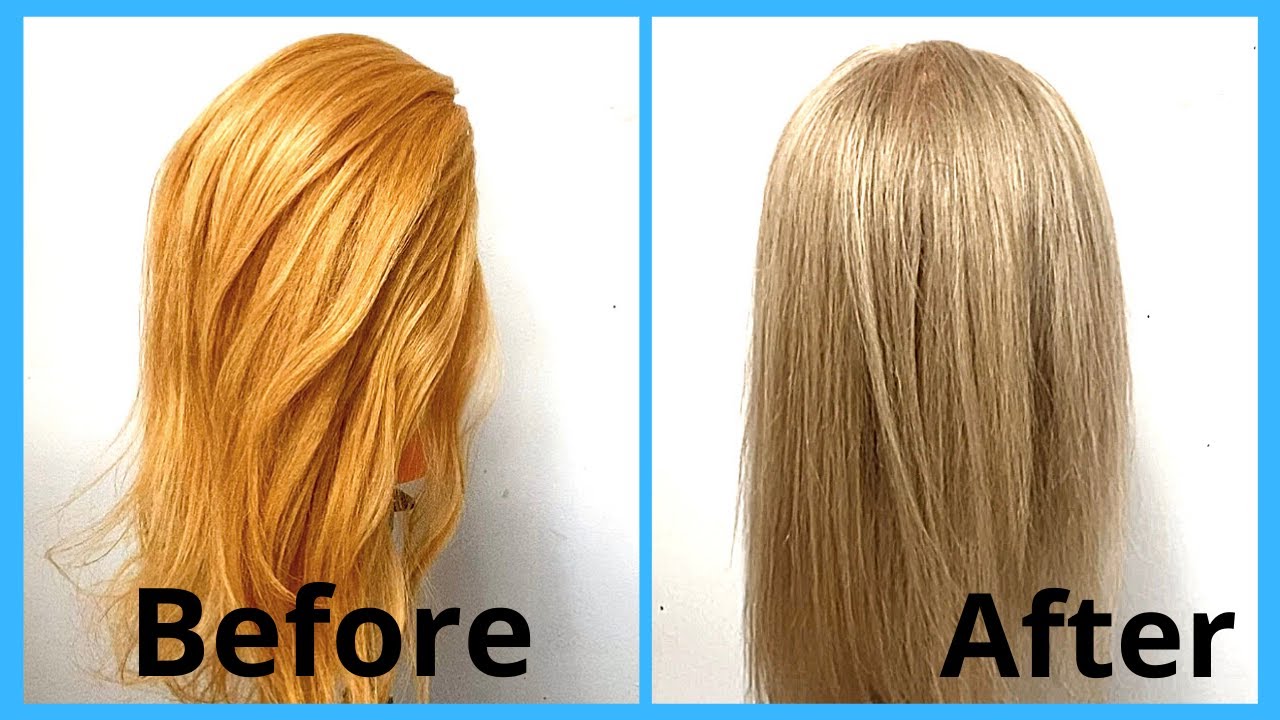
So, when you use a purple shampoo, conditioner, or toner, the purple pigments in the product deposit onto your hair, neutralizing the yellow tones. It’s not removing the yellow, but rather balancing it out. Think of it like adding a bit of blue to a red paint to make it a more muted shade. The result is a cooler, more ash-toned blonde or a richer, less brassy brown.
Important tip: Don’t go overboard with purple shampoo! Using it too often or leaving it on for too long can actually turn your hair purple. It’s a delicate balance, like a perfectly brewed cup of tea. Start with once a week and see how your hair responds.
Toning to the Rescue
If your yellow is really stubborn, or if you've just had your hair professionally lightened and it needs a little fine-tuning, a toner might be your best friend. Toners are essentially semi-permanent dyes that are specifically designed to correct unwanted tones. They can be used in the salon or sometimes even at home with careful application.
A professional toner can be tailored precisely to your hair's needs, often using a combination of colors to achieve the perfect shade. It’s like a bespoke suit for your hair color! They're usually applied after bleaching and before any other styling, ensuring a clean slate for your desired hue.
DIY Brightening Treatments
While purple products are the most popular, there are other DIY options that can help. Some people swear by:
- Apple Cider Vinegar Rinses: The acidity of apple cider vinegar can help remove product buildup and add shine, which can indirectly reduce the appearance of yellowing. Just mix one part ACV with two parts water, apply after shampooing, let it sit for a few minutes, and then rinse.
- Baking Soda Paste: Similar to ACV, baking soda can help clarify hair and remove buildup. A paste made with baking soda and water can be applied to damp hair, left for a short time, and then thoroughly rinsed. Use this sparingly, though, as it can be a bit drying.
- Lemon Juice (with caution!): Lemon juice is a natural bleaching agent, so it can lighten hair. While this might seem like a good idea, it can be unpredictable and also dry out your hair significantly. If you try this, use it very diluted, in the sun, and for short periods, and be prepared for potential dryness. It's more of a last resort or for very subtle adjustments.
Remember, these DIY methods are generally milder and might take longer to show results compared to professional toning or dedicated purple products. They’re more like gentle nudges in the right direction.
Preventative Measures: The Best Defense!
Wouldn’t it be great if we could just prevent the yellowing in the first place? Well, we can certainly try!
Invest in quality hair care products designed for color-treated or blonde hair. These often have pH levels that are better for maintaining your color and preventing brassiness. Look for terms like "color-safe" or "toning."

Protect your hair from the sun and chlorine. Wear a hat when you're out in strong sunlight. If you're swimming, wet your hair with clean water before jumping in the pool (it’ll absorb less chlorinated water) and consider wearing a swim cap. Rinse your hair immediately after swimming.
Rinse your hair with cool or lukewarm water. Hot water can open the hair cuticle, allowing color to fade more quickly and warm tones to surface. Cool water helps seal the cuticle, keeping your color vibrant for longer.
Be mindful of heat styling. While not directly related to yellowing, excessive heat can damage your hair, making it more porous and susceptible to color changes. Always use a heat protectant spray!
When to Call in the Pros
Sometimes, you just need a little expert help. If your hair has gone through a significant color change, if you're seeing extreme yellowing, or if you're just not comfortable experimenting with DIY solutions, a trip to the salon is a great idea. A professional colorist has the knowledge and tools to diagnose the problem accurately and fix it effectively without causing further damage. They can also give you personalized advice on how to maintain your color between appointments. It’s like having a hair color doctor on speed dial!
So, don't despair! That yellow tint is a common hair adventure, and with a little knowledge and the right products, you can get your hair back to its fabulous, desired shade. It's all about understanding your hair and giving it the TLC it deserves. Happy toning!