
How Do I Get Rid Of Hornets

Alright, let's talk about those buzzing, sometimes a little intimidating, visitors: hornets. You might be wondering, "How do I get rid of hornets?" It’s a question that pops up when you spot one of those striking, often brightly colored insects zipping around your backyard, perhaps eyeing your picnic table with a bit too much enthusiasm. Don't panic! Dealing with hornets doesn't have to be a stressful ordeal. In fact, understanding them a little can make the whole situation much less daunting, and maybe even a tiny bit fascinating.
Think of it this way: hornets, like most creatures, are just trying to do their thing. They're not out there with a personal vendetta against your lemonade. They're building nests, foraging for food, and generally keeping the ecosystem in balance. It’s kind of cool when you stop and think about it, right? They’re like tiny, aerial architects and diligent pest control workers, all rolled into one.
So, why are they here, and what’s the best approach if they’ve decided your porch is the perfect spot for their next real estate venture? Let’s dive in, nice and easy, no need to get your own stinger in a twist.
Must Read
First Things First: Are They Really Hornets?
This is a super important step, like double-checking the recipe before you start baking. Not all big, buzzing insects are hornets. Sometimes, they might be large bees, or even hoverflies that just look the part. Bees are generally more interested in flowers and pollination, and while they can sting, they’re usually less aggressive unless provoked. Hornets, on the other hand, can be a bit more assertive, especially when it comes to defending their nest.
If you see a single insect, it’s probably not a huge deal. It’s when you start seeing a steady stream of them, or worse, discover a nest, that you might want to take action. And before you grab the first spray can you see, let’s consider some things.
Why Are They Hanging Around? The Hornet Hotel
Hornets are attracted to certain things, much like we are drawn to a good buffet. They’re looking for a few key elements: food, water, and a safe place to build their home – their “Hornet Hotel,” if you will.
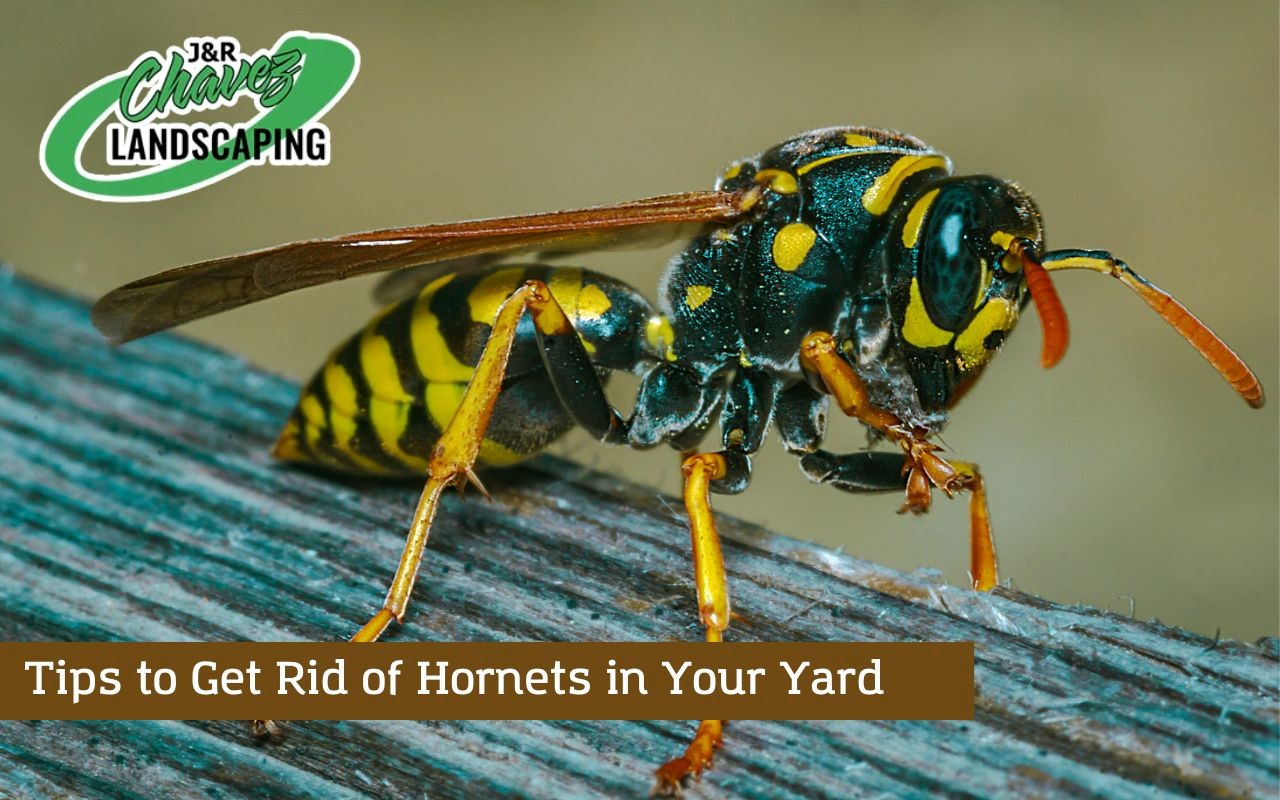
Food: This is a big one. Hornets are predators. They eat other insects – flies, caterpillars, spiders, you name it. So, if you have a lot of other bugs hanging around, the hornets might see your yard as a five-star dining destination. They also have a sweet tooth, especially when they’re not actively feeding their young. Fallen fruit, sugary drinks, and even pet food can be irresistible.
Water: Just like us, they need to stay hydrated. Damp areas, leaky faucets, or even puddles can be a source of water for them.
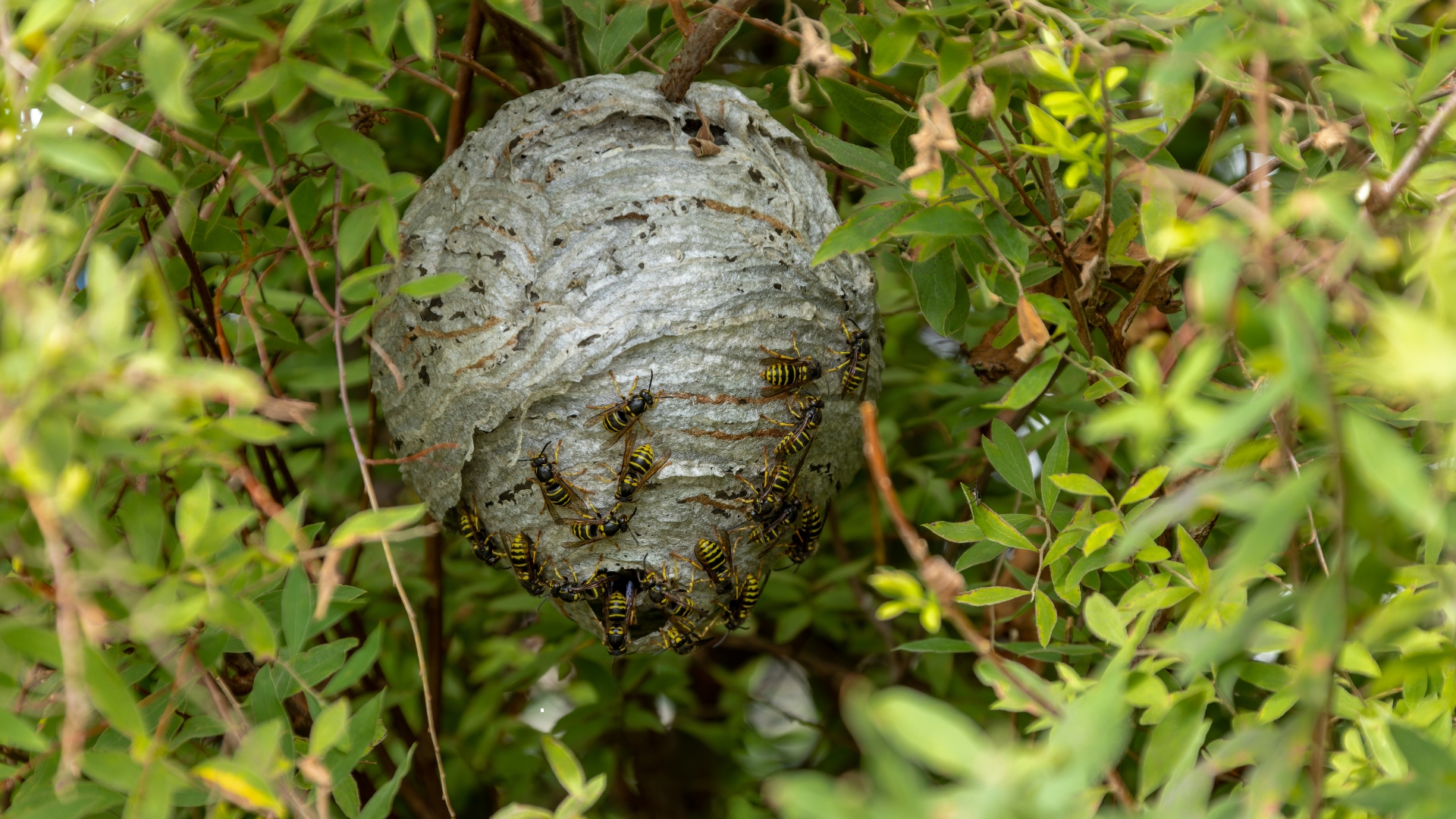
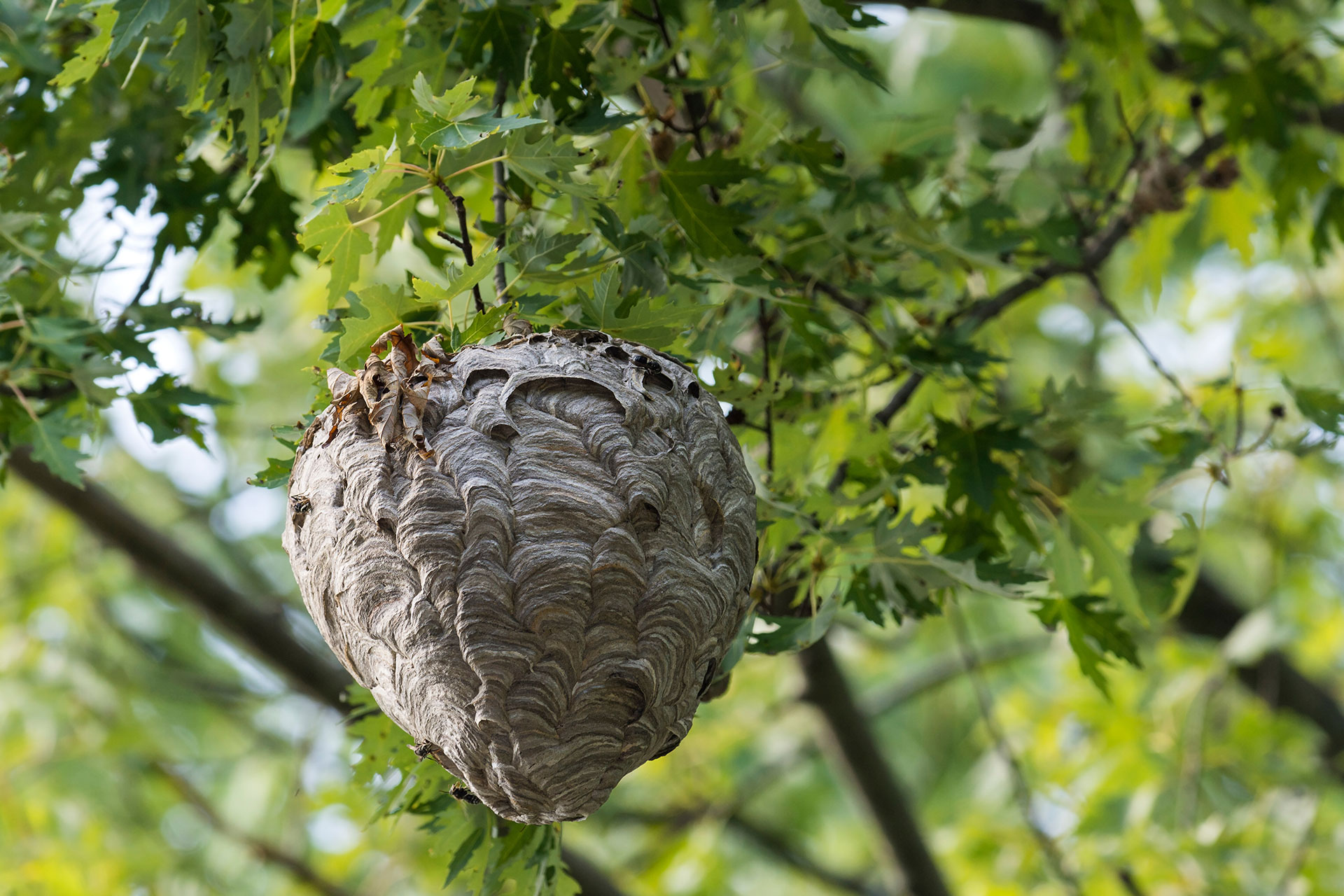
Shelter: This is where the nest comes in. Hornets build their nests from chewed wood pulp mixed with saliva, creating a paper-like material. They can build them in a variety of places: under eaves, in attics, in sheds, in bushes, or even underground. They prefer dark, sheltered spots to keep their colony safe and sound.
So, How Do We Politely Ask Them to Leave?
Okay, so you’ve identified a potential hornet situation. The first and most important piece of advice? Stay calm. Seriously. Most of the time, hornets aren’t looking for a fight. They’re busy. They’re focused. Unless you’re directly threatening their nest, they’re likely to leave you alone. It’s like walking past a sleeping dog; best not to poke it, right?

Now, if you’ve found a nest, that’s a different story. And this is where we need to be a little more strategic. The key is to make your property less appealing, or to address the nest directly, but safely.
Making Your Yard Less Inviting (The "No Vacancy" Sign Approach)
This is all about being a less-than-ideal host. Think of it as subtly telling them, "Sorry, this place is really not up to your standards."
- Seal the Deal on Food Sources: Keep outdoor trash cans tightly lidded. Clean up any fallen fruit in your yard promptly. If you have outdoor pet food, don't leave it out for extended periods. And yes, that means covering up those sugary drinks at your barbecue!
- Water Woes: Fix any leaky outdoor faucets or pipes. Try to minimize standing water after rain.
- Nest Prevention: Regularly inspect common nesting spots like eaves, sheds, and dense bushes. If you spot a very small, early nest, sometimes you can gently knock it down before it becomes a metropolis. But be cautious, and only if it's a tiny, freshly started one.
These steps are great for discouraging them from setting up shop in the first place, or for managing smaller, individual hornets. It’s like putting up a polite "no loitering" sign.
Dealing with the Nest: When It's Time for Action
This is where things can get a bit more involved, and your comfort level is key. If you’re not comfortable with heights, or just generally don’t like the idea of being up close and personal with a hornet nest, that’s perfectly fine. There are other options.
DIY Methods (Use with Extreme Caution!)
If you’re feeling brave, and the nest is accessible and relatively small, there are a few DIY approaches. However, I cannot stress enough the importance of safety first. Hornets are defending their home, and they can be very aggressive when their nest is threatened.
- Timing is Everything: The best time to tackle a hornet nest is late at night or very early in the morning. This is when hornets are least active and most of the colony is inside the nest. Think of it like trying to sneak past a sleeping dragon; less movement, less chance of being noticed.
- Protective Gear: This is non-negotiable. Wear thick, long-sleeved clothing, gloves, and a hat that covers your head and neck. You want to cover as much skin as possible. Think of yourself as a medieval knight preparing for battle.
- Sprays: There are specific hornet and wasp sprays available. These are designed to spray from a distance. Aim directly at the nest opening. Don’t stand directly underneath the nest!
- Bagging (for small, accessible nests): For very small, accessible aerial nests, some people carefully place a sturdy bag over the nest and then detach it. This is risky and best left to the truly confident.
Important Note: If the nest is large, high up, in a difficult-to-reach location, or if you have any concerns about your safety or an allergic reaction, do not attempt to handle it yourself.
Calling in the Pros: The Cavalry Has Arrived!
Honestly, for most people, this is the safest and most effective route. Pest control professionals have the right equipment, the right knowledge, and the right protective gear to handle hornet nests safely. They know how to identify the species, locate the nest, and eliminate it without putting themselves or others at risk. It’s like calling in the experts when your Wi-Fi goes out – they know what they’re doing!
Think of it as an investment in your peace of mind and safety. A professional can quickly and efficiently deal with the problem, letting you get back to enjoying your backyard without that nagging worry.
What About Those "Repellents"?
You might see a lot of products claiming to repel hornets. While some natural deterrents, like peppermint oil or certain essential oils, might have a slight effect on individual hornets, they are generally not effective at preventing or removing established nests. Hornets are driven by instinct and the need to protect their colony, and a subtle scent probably won't deter them from a prime nesting location.
So, while a bit of essential oil in a diffuser might be nice for you, don’t rely on it for serious hornet control. It’s like trying to stop a stampede with a gentle breeze.
The Takeaway: Respect and Safety
Hornets can seem scary, but they’re a natural part of our environment. Understanding their behavior is the first step to coexisting peacefully, or at least to dealing with them effectively when necessary. Remember, your safety is the absolute priority. If you're unsure, uncomfortable, or dealing with a significant infestation, don't hesitate to call in the professionals. They’re the real heroes in this story, swooping in to save the day!
So next time you see one, take a moment. Appreciate its intricate patterns, its determined flight. And if it happens to be a bit too close for comfort, you now have a better idea of how to handle the situation with a chill, informed approach. Happy buzzing, and happy bug-free living!

