How Do I Get Rid Of Dry Ice
So, picture this: I’m at my cousin Brenda’s house for her epic annual summer BBQ. You know the one. The one where the burgers are the size of your head and the potato salad is a family secret passed down through generations. This year, though, Brenda outdid herself. She’d bought this ridiculously fancy cooler, the kind that could probably survive a zombie apocalypse, and it was packed to the brim with ice. But not just any ice. This was dry ice. Mysterious, frosty cubes that were actively chilling her drinks with a spooky fog. Pretty cool, right?
Except… after the last guest (a.k.a. my Uncle Steve, who always overstays his welcome) finally stumbled out the door, I was left staring at this cooler. The dry ice was mostly gone, but there were a few stubborn chunks left, still hissing and producing that eerie mist. And Brenda, bless her party-planning heart, just shrugged and said, “Uh, what do I do with this stuff?” Suddenly, the mystery wasn't so cool anymore. It was… a problem. A slightly cold, potentially hazardous problem. And I realized, with a sinking feeling, that I had absolutely no idea how to get rid of dry ice safely. Anyone else ever been in this boat? (Don’t lie, I know you have.)
The Great Dry Ice Disposal Dilemma: It’s Not Exactly Trash-Worthy
This is where we get down to business. Because while dry ice is awesome for keeping things super cold, for special effects, or for making your Halloween punch look like it’s bubbling from the underworld, it’s not something you can just… toss. You can’t chuck it in the bin with your empty chip bags and leftover coleslaw. Trust me, I’ve considered it. The thought crossed my mind, especially after a couple of Brenda’s potent margaritas. But then, the little voice of reason (the one that’s usually drowned out by music and laughter) piped up.
Must Read
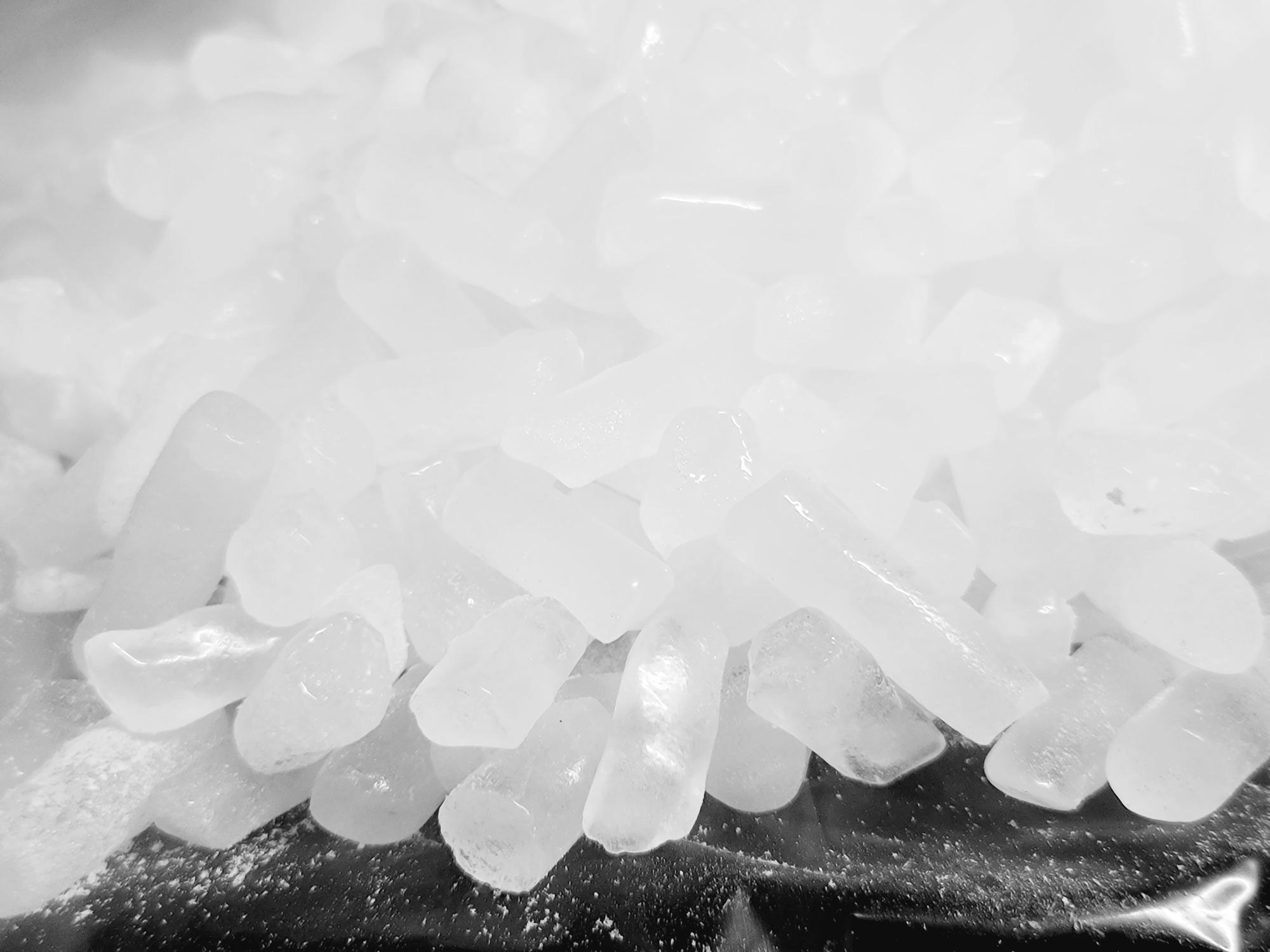
Why, you ask? Well, it all comes down to what dry ice actually is. It’s not frozen water, like the ice cubes in your gin and tonic. Nope. Dry ice is actually solid carbon dioxide, or CO2. And here’s the kicker: it doesn’t melt. It undergoes a process called sublimation. Sublimation! Sounds fancy, right? Basically, it goes straight from being a solid to a gas. And that’s where the spooky fog comes from – it’s the super-cold CO2 gas hitting the warmer, more humid air and condensing it into tiny water droplets. Kinda like magic, but with science.
So, when you leave those chunks of dry ice sitting around, they’re not just slowly chilling. They’re actively, albeit invisibly, releasing CO2 gas into the air. And that’s where the potential problems start to creep in.
The “Don’t Suffocate Yourself, Silly” Factor (A Gentle Reminder)
Okay, okay, I’m not trying to scare you. But as your friendly neighborhood online guide to all things slightly perplexing, it’s my job to lay it all out. If you have a lot of dry ice in a small, unventilated space, that sublimating CO2 gas can build up. And while CO2 is a natural part of the air we breathe, too much of it can displace the oxygen. This can lead to things like headaches, dizziness, and in very extreme (and highly unlikely, but still!) situations, asphyxiation. So, while you’re unlikely to turn your living room into a carbon dioxide death trap after using a few pounds for a party, it’s good to be aware of the basics. Think of it as… responsible chilling.
This is why you’ll often see warnings about using dry ice in enclosed car trunks or small, stuffy rooms without ventilation. Brenda’s cooler wasn’t exactly hermetically sealed, so we were probably fine, but it’s a good habit to get into. And it’s the primary reason why you can’t just chuck it in the garbage can. Imagine your trash can in your kitchen, possibly with the lid on. Suddenly, you’ve got a little CO2 factory in there, slowly but surely making your kitchen a bit less breathable. Not ideal for the post-party clean-up, is it?

So, What Can I Do With This Mysterious Frosty Substance?
Alright, enough doom and gloom. Let’s get to the good stuff. The solutions. The ways to banish those leftover dry ice chunks back to the ether without causing a stir. The key here is patience and a little bit of strategic thinking. Because, as we’ve established, dry ice is best left to its own devices until it’s… well, gone.
The “Let It Do Its Thing” Approach (My Personal Favorite)
Honestly, for most situations, this is the easiest and safest method. If you’ve got a few small pieces of dry ice left, your best bet is to simply leave them in a well-ventilated area. What does “well-ventilated” mean in this context? Think of it as an open window, a breezy patio, or even just your garage with the door cracked open. Just make sure pets and small children can’t get to it unsupervised, because while it’s not “toxic” in the traditional sense, it can cause frostbite. And nobody wants a frosty paw. Or a frosty finger. Ouch.
Place the cooler or container where the dry ice is located in that well-ventilated spot. Keep it uncovered, or at least ajar, so that the sublimating gas can escape freely into the atmosphere. The dry ice will slowly but surely turn into gas and dissipate. It might take a few hours, or even overnight, depending on the amount you have. But eventually, it will vanish completely, leaving behind only a regular (and slightly damp) cooler. It’s like a magic trick, but instead of pulling a rabbit out of a hat, you’re making cold gas disappear. Which, in my book, is way cooler.
This is especially true if you’ve used dry ice to transport something, like a precious Thanksgiving turkey or some fancy seafood. Once you’ve unloaded your goods, just leave the remaining dry ice in the open. It’s the most hands-off method, requiring minimal effort on your part. You can focus on enjoying your delicious food, and the dry ice will take care of its own exit. See? Simple.

The “Controlled Dissipation” Technique (For When You’re Impatient)
Look, I get it. Sometimes waiting is hard. Especially when there’s a lingering icy mystery in your garage. If you’re feeling a little antsy, or if you want to speed up the process a bit, you can opt for a more “controlled dissipation.” This essentially means actively encouraging the dry ice to sublimate, but in a safe and contained way.
One way to do this is to place the dry ice in a sturdy, heat-resistant container (think a metal bucket or a thick plastic tub, not a sealed glass jar – we’ve already covered why those are a bad idea). Then, you can carefully add a small amount of warm water to the container. Not boiling, just warm. The warm water will significantly speed up the sublimation process, creating more fog and a quicker disappearance of the dry ice. Be prepared for a more dramatic fog show, though! It'll be like a mini-fog machine in your backyard.
Make sure you do this in a well-ventilated area, as the increased sublimation will release more CO2 gas. Again, keep pets and children away. This method is great if you have a slightly larger amount of dry ice and want it gone in a couple of hours rather than overnight. It's a bit more active, but still very safe if done correctly.
Think of it like this: if you want to boil water, you can wait for the sun to heat it up (patient method) or put it on the stove (controlled method). Same principle, but with solid carbon dioxide. And a lot more fog.

The “Donate It” Option (For the Socially Conscious Chiller)
This is a less common, but definitely an option for some. If you happen to live near a science museum, a research lab, or even a university with a chemistry department, they might be interested in your leftover dry ice. Some organizations use dry ice for experiments or demonstrations and could potentially use it. This is particularly relevant if you’re dealing with a larger quantity of dry ice, perhaps from a special event or a bulk purchase.
The catch? You’ll need to contact them in advance and arrange for a drop-off or pick-up. It’s not as simple as just showing up with a cooler. They’ll have specific handling procedures and might not always have a need. But, if you’re feeling particularly generous and want to contribute to the scientific community (or just avoid dealing with it yourself), it’s worth exploring. Imagine: your leftover dry ice could be helping a budding scientist discover the mysteries of the universe! Or at least make some cool fog for a school project.
This option requires a bit more legwork, but it’s a fantastic way to ensure the dry ice is used responsibly. Plus, you get bragging rights. “Yeah, my dry ice helped cure cancer.” (Okay, maybe not that dramatic, but you get the idea.)
Things to Absolutely, Positively, 100% AVOID Doing
Now that we’ve covered the “how-to,” let’s talk about the “how-not-to.” Because with dry ice, the potential for misuse, while generally low, is still there. And I, for one, want to avoid any unnecessary frosty drama.
Don’t Seal It Up and Forget It (Unless You Want a Surprise!)
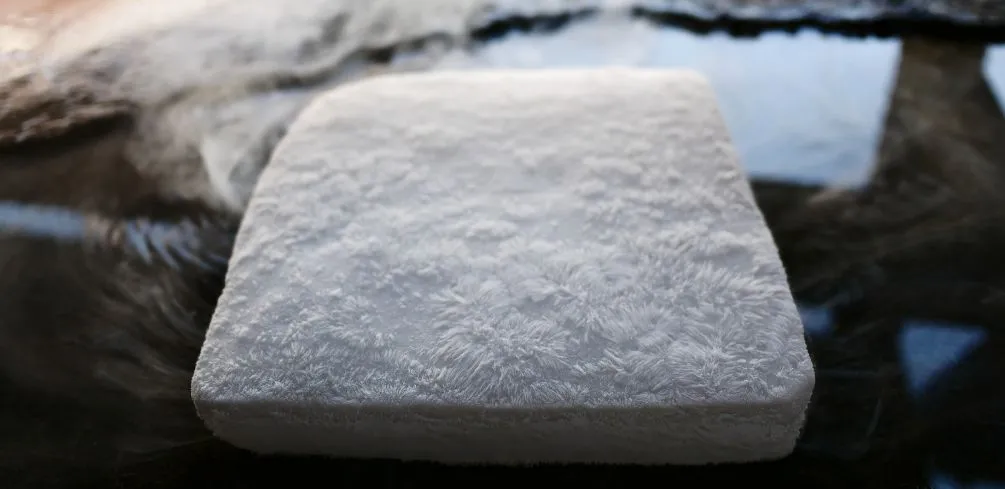
I’ve mentioned this a few times, but it bears repeating. Do not put dry ice in an airtight container. Seriously. Not a sealed cooler, not a glass jar, not anything that’s going to trap that sublimating CO2. The pressure build-up can be significant, and it can lead to the container rupturing or even exploding. And nobody wants a projectile ice-shrapnel situation. It’s not a good look, and it’s definitely not safe. Imagine opening your car door after a long drive and BAM! Not exactly the grand exit you were hoping for.
Don’t Touch It With Bare Skin (Unless You Like the Feeling of Being Frosted)
Remember that dry ice is extremely cold. We’re talking about temperatures around -109.3°F (-78.5°C). Touching it with bare skin can cause severe frostbite very quickly. It feels like a burn, but it’s caused by the freezing of your skin cells. So, always, always, always use thick, insulated gloves or tongs when handling dry ice. Think of it as your VIP pass to handling something this frosty. And it’s a really important safety rule to follow, no matter how short the handling time is.
Don’t Put It Down the Drain (Your Plumber Will Thank You)
This one might seem obvious to some, but for others, it might be a tempting shortcut. Please, for the love of all that is plumbing-related, do not put dry ice down your sink or toilet drain. As it sublimates, the solid CO2 turns into gas. If this happens in your pipes, it can cause them to freeze and crack. And then you’re looking at a much bigger, much more expensive problem than a few lingering bits of dry ice. Plus, it’s just… weird. Why would you even want to do that?
The Takeaway: Chill Out and Let It Disappear
So, there you have it. Getting rid of dry ice isn’t rocket science, but it does require a little bit of awareness and patience. For Brenda and her leftover dry ice, my advice was simple: leave it in the cooler, crack the lid, and put it on the back porch. By the time I woke up the next morning, it was gone, leaving only a perfectly chilled (and now just regular cold) cooler. Crisis averted. Party success. And no unnecessary trips to the emergency room for frostbite or a leaky pipe.
The next time you find yourself with a bit of this fascinating frozen gas, you’ll know exactly what to do. You can let it sublimate naturally in a well-ventilated area, speed up the process with warm water (safely, of course!), or even explore donating it if you’re feeling particularly altruistic. Just remember the golden rules: no bare hands, no sealed containers, and definitely no drains. And with that, you’re officially a dry ice disposal pro. Go forth and chill responsibly!