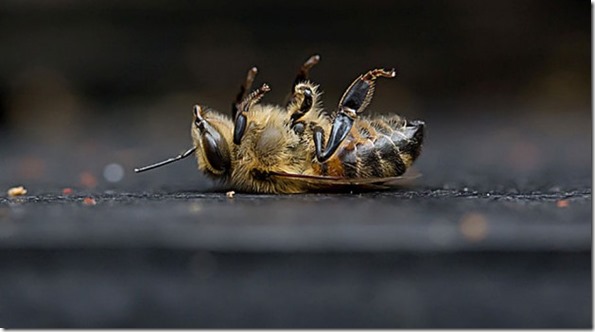
How Can We Save Bees From Dying
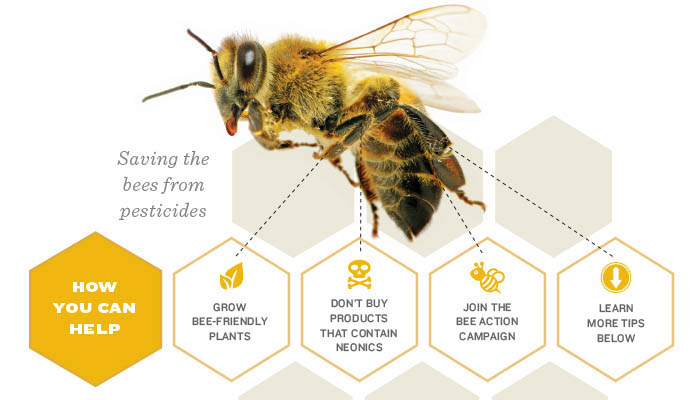
You know those little fuzzy guys? The ones that buzz around your blooming garden, the unsung heroes of your morning coffee and that juicy apple you just polished off? Yeah, bees. They're kind of a big deal. And lately, they've been facing some seriously tough times. It's a bit like watching your favorite indie band suddenly get dropped by their label – a real bummer. But here's the cool thing: unlike some of the bigger, more complicated global issues, saving bees is something we can all chip in on, from our own backyards to our balcony planters. Think of it as a massive, worldwide, collaborative art project, with everyone contributing their little piece of bee-friendly goodness.
It’s not just about the honey, though let’s be real, honey is pretty amazing. Bees are pollinators. This isn't some niche scientific term; it’s the engine that drives a huge chunk of our food system. We’re talking about roughly one-third of the food we eat, from almonds to zucchini, that relies on these busy little bodies doing their thing. Without them, our grocery aisles would look a lot sadder, a lot less colorful, and honestly, a lot less delicious. Imagine a world without berries, avocados, or even those lovely pumpkin spice lattes that signal the start of autumn. It’s a thought that’s definitely not good for the soul (or the taste buds).
So, what’s the buzz about their decline? It’s a bit of a cocktail of issues, unfortunately. One of the main culprits is habitat loss. Think of it as urban sprawl for bees. As we develop more land for farming, housing, and infrastructure, we’re gobbling up the wild spaces where bees can forage for nectar and pollen, and where they can build their homes. It's like if all the cool, independent coffee shops suddenly got replaced by chain stores – the unique charm and vital community hubs disappear.
Must Read
Then there are pesticides. This is a big one, and it’s a bit of a tricky beast. While they're designed to kill pests that damage crops, some of these chemicals, particularly a class called neonicotinoids, are proving to be pretty harmful to bees too. Even in small doses, they can mess with a bee's navigation, their learning abilities, and their immune systems. It’s like giving your favorite DJ a bad set of headphones – they might still try to spin, but the music’s going to sound a bit off, and they might get lost on the way to the gig.
And let's not forget about diseases and parasites. Just like us, bees can get sick. Varroa mites, for example, are like tiny, parasitic vampires that latch onto bees, weakening them and spreading viruses. It’s a tough world out there for a bee, and sometimes, it’s just a case of bad luck and being in the wrong place at the wrong time.
Okay, So How Can We Actually Help?
Alright, enough with the doom and gloom. The good news is that there are tons of actionable, easy-peasy things we can do, right now, to give these vital creatures a fighting chance. Think of yourself as a bee-welfare superhero, ready to don your cape (or, you know, gardening gloves) and make a difference.
1. Plant a Bee Buffet!
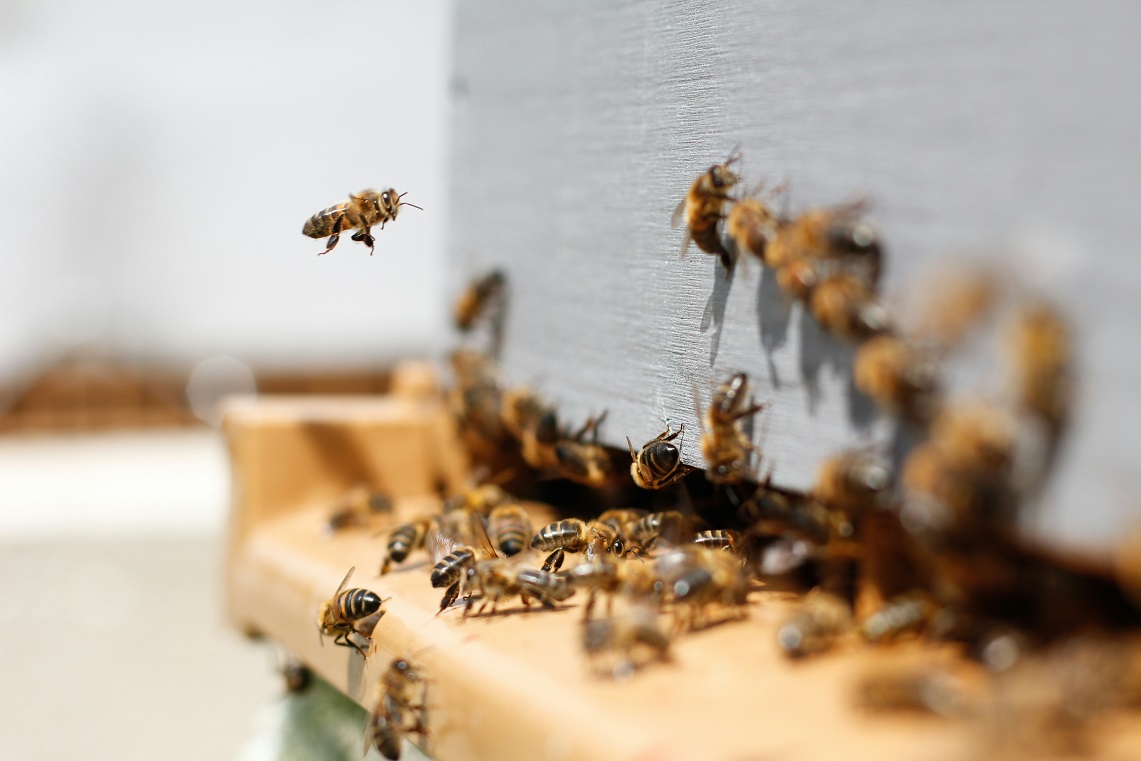
This is arguably the most fun part. Bees need food, and not just any food. They thrive on a diverse menu of nectar and pollen. So, what’s on the bee-friendly menu? Think native wildflowers! These plants are naturally adapted to your local climate and soil, meaning they're usually easier to grow and provide exactly the kind of nutrition bees are looking for. Lavender, sunflowers, coneflowers, bee balm (how fitting!), borage, and clover are all stellar choices. Even a small patch in your garden or a few pots on your balcony can make a world of difference. It’s like setting up a gourmet food truck for your local bee population.
When choosing plants, aim for variety. Different shapes and colors attract different types of bees. And try to have something blooming for as much of the year as possible. Think of it as having a year-round all-you-can-eat buffet. Succession planting – planting different flowers that bloom at different times – is your secret weapon here. It ensures there’s always something delicious for our fuzzy friends.
And hey, if you’re not a green thumb, don’t sweat it. You can buy pre-made wildflower seed mixes specifically designed for pollinators. It’s like ordering a curated playlist for your garden – easy and effective.
2. Ditch the Dangerous Sprays
This is where we get a bit more conscious about our gardening practices. If you’re dealing with pests, try to explore organic and natural pest control methods first. Sometimes, a strong blast of water can knock off aphids, or introducing beneficial insects like ladybugs can take care of the problem naturally. If you absolutely must use a pesticide, opt for the least toxic options available, and always, always apply them sparingly and at times when bees are not active – think late evening or early morning. Reading the labels is your new superpower. And if you’re growing your own food, make sure any sprays you use are approved for edible plants and safe for pollinators.

It’s a bit like choosing your music. Do you want the harsh, blaring sound of a poorly mixed track, or the smooth, organic beats that make you feel good? For bees, it’s the latter. Avoiding pesticides is like giving them a clean, vibrant soundscape to thrive in.
3. Provide a Bee Spa and Watering Hole
Bees get thirsty too! And while they can find water in puddles or birdbaths, these can sometimes be a bit too deep or have slippery edges, making it difficult for them to drink safely. You can create a simple bee watering station by filling a shallow dish or a birdbath with pebbles or marbles. The pebbles create little islands for bees to land on, giving them a safe place to rest while they take a sip. It’s like a mini-resort for weary travelers.
And what about their homes? Many native bees are solitary nesters, meaning they don’t live in big hives like honeybees. They create nests in tunnels in the ground or in hollow plant stems. So, instead of tidying up everything in your garden, consider leaving some areas a little wild. A patch of bare earth, some dead stems from last year’s plants – these can be prime real estate for solitary bees. You can even purchase bee houses made from bamboo or drilled wood blocks. These are like tiny Airbnb rentals for bees, offering them a safe place to lay their eggs and raise their young.
4. Support Local Beekeepers
If you have the opportunity, buy local honey! This directly supports the people who are actively caring for bee populations. Local beekeepers are often passionate advocates for bees and have a deep understanding of the local ecosystem. Plus, local honey is delicious and often has health benefits attributed to regional pollen. It’s a win-win-win: good for you, good for the beekeeper, and good for the bees.
Consider visiting local farmers’ markets and chatting with the beekeepers. You might learn some fascinating facts and get some personalized tips for your own area. It’s like getting insider access to the bee world.
5. Spread the Word (and the Love!)
You don’t need to be a scientist to be an advocate. Talk to your friends, family, and neighbors about the importance of bees and what they can do to help. Share articles, post on social media (maybe a cute bee pic or two!), and encourage others to plant bee-friendly flowers or avoid harmful pesticides. Every conversation, every small action, adds up. Think of it as a chain reaction of bee-kindness. You’re not just saving bees; you’re building a community of bee champions.
Educate yourself and then share that knowledge. It’s amazing how much impact a simple conversation can have. You might inspire someone to transform their neglected flowerbed into a buzzing haven.
6. Think About Your Lawn
This one might surprise you, but your manicured lawn might not be the bee’s preferred dining spot. Many common lawn weeds, like dandelions and clover, are actually fantastic food sources for bees. Consider letting a small patch of your lawn grow a little wild, or at least reduce the frequency of mowing and avoid using weed killers. Even allowing a few dandelions to bloom before you mow can provide a vital early-season food source.

It’s about embracing a slightly less perfect, more natural aesthetic. A little bit of wildness can be a beautiful thing, especially for our pollinator pals. Think of it as a rebellion against the perfectly manicured suburban stereotype.
And for the truly committed, consider reducing your lawn size altogether and replacing it with native plants or a pollinator garden. It’s a bigger commitment, but the impact is significant.
A Gentle Reminder
Saving bees isn't about grand gestures or radical overhauls. It's about a series of small, conscious choices that, when woven together, create a much larger tapestry of support. It’s about recognizing that the small things we do in our daily lives have ripple effects that extend far beyond our immediate surroundings. It’s about connecting with the natural world in a way that’s both beautiful and beneficial.
Think about it: that cup of coffee you’re holding? Those berries in your breakfast cereal? They all likely benefited from a bee’s tireless work. By making our spaces a little more bee-friendly, we’re not just helping them survive; we’re ensuring the continued bounty and beauty of the world around us. It’s a beautiful symbiosis, a partnership that’s been going on for millennia. And we have the power to keep that partnership thriving. It’s a simple, yet profound, way to bring a little more harmony and life into our everyday existence.