How Can I Sell My Art Online
Hey there! So, you've got all these gorgeous creations sitting around, right? Paintings, drawings, maybe even some funky sculptures? And you're thinking, "How on earth do I get these beauties out into the world and maybe, just maybe, make a little moolah?" Don't worry, my friend, you've come to the right place. Selling your art online can feel like a whole other ballgame, but honestly, it's totally doable. We're gonna chat about it, just like we're grabbing a latte and spilling the beans.
First things first, you've gotta believe in your art. Seriously. If you're not a little bit proud, how can anyone else be? So, take a deep breath, give yourself a mental high-five, and let's dive in.
So, You Wanna Sell Your Masterpieces? Let's Talk Platforms!
Okay, where do you even start? The internet is a vast, wild place, isn't it? It's like a giant digital flea market, but way less dusty. The good news is, there are tons of places that want to showcase what you do. Think of it as having your own little gallery, but instead of needing a fancy suit and a wine tasting, you just need a decent internet connection.
Must Read
Etsy: The Crafter's Paradise (and Yours Too!)
Etsy. Oh, Etsy. This is probably the first place most people think of, and for good reason. It's HUGE. Like, seriously, millions of people are browsing Etsy every single day looking for unique stuff. If you make anything handmade, artistic, or even just a little bit quirky, Etsy is your jam.
Setting up a shop is pretty straightforward. They walk you through it, like a helpful friend holding your hand. You'll need to take some killer photos of your work, though. This is NOT the place for blurry, dimly lit shots. Think bright, clear, and showing off all those lovely details. People can't touch your art online, so your photos have to do all the talking. Imagine you're trying to sell a juicy steak – you want it to look delicious, right? Your art should look just as tempting!
You'll also need to write catchy descriptions. Tell a story! What inspired it? What does it mean? Don't just say "painting of a cat." Say "Whimsical feline friend, captured in a moment of pure, unadulterated laziness after a particularly successful nap. Painted with the finest oils, this piece will bring a smile to your face every single day." See the difference? Make it engaging!
Fees? Yep, there are a few. A small listing fee for each item and a percentage of the sale. But honestly, for the sheer volume of eyeballs on your stuff, it's often worth it. Plus, they have a built-in community, so you can connect with other makers, which is pretty cool.
Shopify: Your Own Swanky Digs
If you're feeling a bit more ambitious and want to build your own brand, your own website, then Shopify is your superhero cape. It's like renting your own little plot of land on the internet and building your dream shop from scratch. This gives you SO much more control. You can brand it however you want, design it to look exactly how you envision, and keep all the profits (after their fees, of course).
It does take a bit more work, though. You're essentially building your own business. You'll need to drive traffic to your site, which can be a whole adventure in itself (more on that later!). But if you're serious about making art your main gig, or you have a distinct style you want to curate, Shopify is a fantastic option. Think of it as your personal art mansion, not just a stall at the market.
Society6, Redbubble, and the Print-on-Demand Crew
Now, what if you don't want to deal with printing, shipping, or inventory? Enter the magical world of print-on-demand (POD) sites like Society6, Redbubble, and Fine Art America. These guys are awesome because you upload your designs, and they do all the heavy lifting.
You create an account, upload your artwork, and then choose which products you want it to appear on – think t-shirts, mugs, phone cases, canvas prints, throw pillows… the list goes on! When someone buys something with your art on it, the POD company prints it, ships it directly to the customer, and you get a cut. Easy peasy!
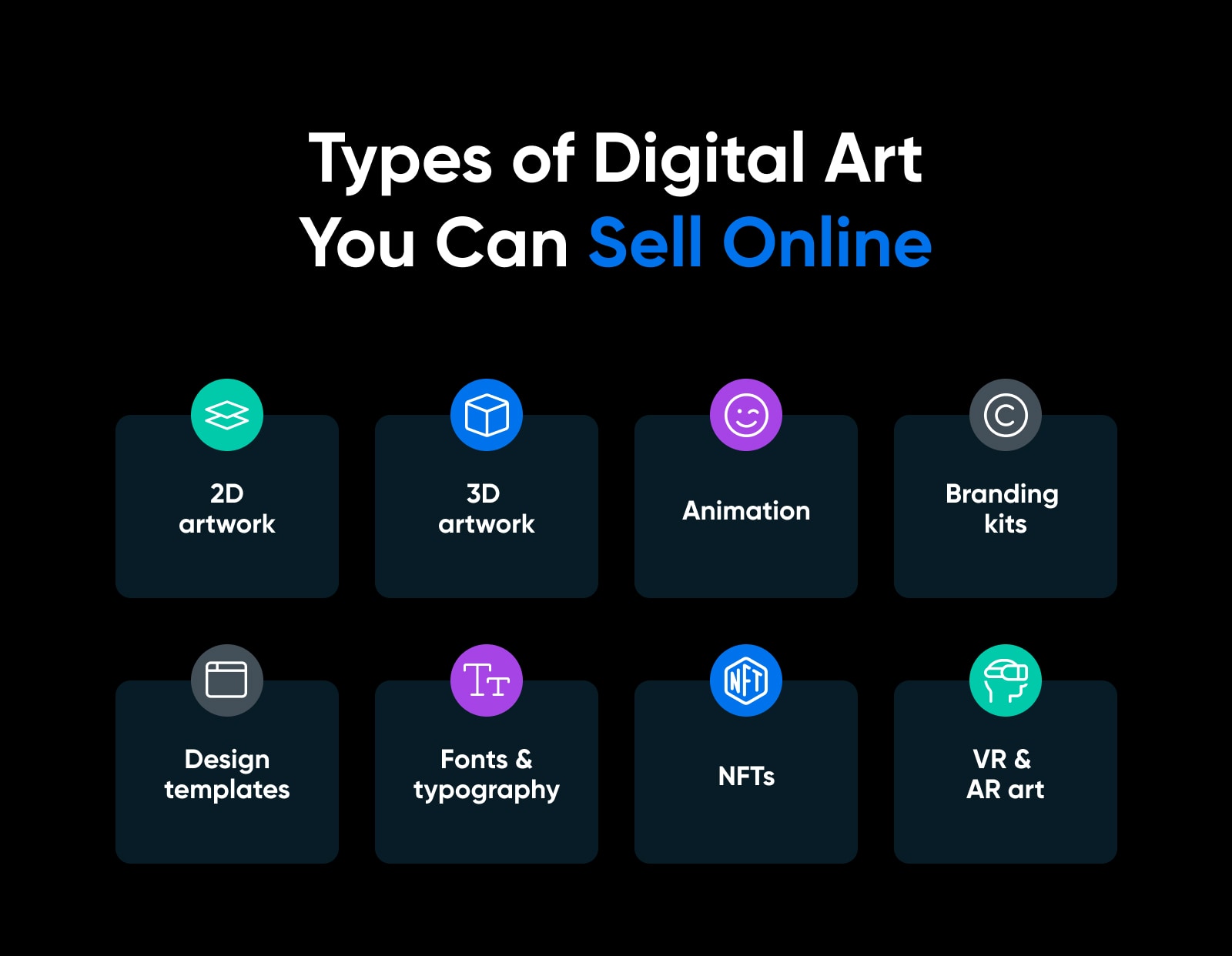
This is fantastic for digital artists or if you have designs that translate well to different products. It's a great way to start selling without a massive upfront investment. Just upload, set your prices (they have a base price, and you add your profit margin), and let them handle the rest. It’s like having your art on vacation on a thousand different items.
Fine Art America: For the Serious Art Collector
If you're creating more traditional fine art, like large-scale paintings or gallery-quality prints, Fine Art America is another big player. They cater specifically to fine artists and offer high-quality printing and framing services. It's another option where they handle the production and shipping, so you can focus on creating.
Instagram & Facebook: Your Social Selling Powerhouse
Don't underestimate the power of your social media! Instagram and Facebook are literally teeming with people who love art. You can use these platforms as your own personal storefront, albeit a less formal one.
Start by posting consistently. Show your process, your finished pieces, your studio space – give people a glimpse into your creative world. Use relevant hashtags like #artforsale, #originalart, #artistsoninstagram, and specific ones for your style (e.g., #abstractart, #watercolorpainting). When someone expresses interest, you can direct them to your Etsy shop, your website, or even arrange a direct sale through direct messages.
Facebook Marketplace can also be a surprisingly good place to sell locally. Think of it as your digital neighborhood garage sale, but for your amazing art!
The Nitty-Gritty: Making Your Art Shine Online
Okay, so you've picked a platform (or two!). Now, what else makes a difference between crickets chirping and sales notifications pinging?
Photography is KING (or Queen!)
I cannot stress this enough. Good photos are your virtual handshake. Your first impression. Your golden ticket.
Use natural light whenever possible. Avoid harsh shadows. Get close enough to show texture and detail, but also take a shot of the whole piece so people know what they're getting. If it's framed, show the frame. If it's meant to be hung on a wall, maybe show it in a mock-up setting (there are apps for this!).
Clean your art! Dust bunnies on a masterpiece? No, thank you. Wipe down those canvases. Make sure your prints are pristine. It's the little things that count.
Descriptions that Dazzle
Remember that story I was talking about? It matters. Tell a story with your descriptions.
What materials did you use? What's the size? What's the mood or feeling of the piece? Is it a statement piece for a living room? A calming addition to a bedroom? Think about what your buyer might be looking for.
Use keywords that people will search for. If it's a serene landscape of a forest, use words like "serene," "calm," "forest," "nature," "landscape," "peaceful."
Pricing Your Priceless Work
Ah, the dreaded pricing question. This can feel like navigating a minefield, right? How much is your soul and countless hours of effort really worth?
A common formula is: (Cost of Materials + Your Hourly Wage x Hours Spent) x 2 (or more, depending on your market and skill level). But honestly, it's more art than science.
Research what similar artists are charging for comparable work. Don't undersell yourself! If you're good, and your work is beautiful, it deserves a fair price. Also, consider your target audience. Who are you trying to sell to? High-end collectors? First-time art buyers?
Don't be afraid to experiment with pricing, either. See what resonates. It's okay to adjust things as you go.
Shipping: The Unsung Hero (or Villain)
This is where things can get a little… stressful. But it doesn't have to be! If you're shipping physical art, you need to think about packaging.
For paintings, you'll want sturdy cardboard, bubble wrap, maybe even a wooden crate for very valuable pieces. For prints, protective sleeves are a must. Make sure everything is secure so it doesn't get damaged in transit. Nobody wants to receive a mangled masterpiece!
Shipping costs can add up. Be upfront about them. You can offer flat-rate shipping, calculated shipping, or even free shipping if you can build it into your price. Many platforms will help you calculate shipping costs based on weight and destination.
If you're using POD sites, this is where they shine. They handle all of it. Bliss!
Getting the Word Out: Marketing Your Art
So, you've got your shop set up, your photos are stunning, your descriptions are poetic, and your pricing is on point. But how do you actually get people to see your amazing art?
Social Media Savvy
I know I mentioned it before, but it bears repeating. Social media is your best friend for marketing.
Post regularly. Engage with your followers. Run contests or giveaways. Use Stories to show behind-the-scenes glimpses. Collaborate with other artists or influencers.
Don't just post "For Sale!" messages. Share your passion. Show your process. Talk about what inspires you. People connect with people, not just products.
Email Lists: Your Direct Line to Fans
This is a game-changer. Start building an email list from day one. Offer a small discount or a free digital download for signing up.
Your email list is gold. It's a direct line to people who are already interested in your art. You can send out newsletters announcing new pieces, special offers, or upcoming events.
Unlike social media, where algorithms can hide your posts, your emails go straight to their inbox. It’s like sending a personal invitation to your art show, but in their pajamas!

SEO: The Secret Sauce of Search Engines
If you have your own website (like with Shopify), you'll want to learn a little bit about Search Engine Optimization (SEO). This is basically making your website and product listings easy for search engines like Google to find.
Use relevant keywords in your product titles, descriptions, and website copy. Make sure your website loads quickly. Get links from other reputable websites.
It sounds technical, but it just means helping people find you when they're searching for art like yours. Think of it as putting up more signs pointing to your art gallery.
Collaborate and Connect
Don't be a lone wolf! Collaborate with other artists. Cross-promote each other's work. Join online art communities and forums. Offer guest posts on blogs.
The art world can be surprisingly supportive. Building relationships can lead to new opportunities and expose your art to new audiences.
Don't Give Up! It Takes Time.
Look, selling art online isn't an overnight success story for most people. It takes patience, persistence, and a whole lot of passion.
There will be days when you feel like you're shouting into the void. You'll have slow periods. You might get a few rude comments (ignore them – they're probably just jealous!).
But if you keep creating, keep improving your photos, keep writing engaging descriptions, and keep putting yourself out there, you will find your audience. Your people. The ones who see the magic in what you do and want to bring it into their lives.
So, go forth and sell your art, my friend! The world is waiting for your creations. And hey, if you ever need to vent about shipping insurance or creative block, you know where to find me. Now, about that second coffee...