First 100 Days In A New Role

Starting a new job is like the first day of school, but with way more coffee and spreadsheets! Whether you’re a seasoned pro hopping into a fresh challenge or embarking on your very first career adventure, those initial 100 days are a whirlwind of new faces, unfamiliar jargon, and that thrilling, slightly terrifying feeling of being the “new kid on the block.” But here’s the secret sauce: those first 100 days aren’t just about survival; they’re a golden opportunity to make a lasting, positive impression, set yourself up for success, and truly own your new role. Think of it as your personal launchpad – what you do now can set the trajectory for years to come!
So, why is this "first 100 days" thing such a big deal? It’s a universally recognized benchmark, a period where both you and your new employer are actively assessing the fit. For you, it's about absorbing information, building relationships, and understanding the landscape. For them, it’s about seeing your potential, your work ethic, and how you contribute to the team. The purpose is simple: to transition smoothly and effectively from being an outsider to becoming an integral, contributing member of the organization. The benefits are massive: a strong start builds confidence, fosters trust with colleagues and superiors, and lays the groundwork for future achievements and career growth. It's your chance to shine and show them why they made a fantastic decision hiring you.
The Art of the First Impression (and Beyond!)
Navigating these initial weeks and months can feel like a delicate dance. You want to be proactive and engaged, but not overly pushy. You want to ask questions, but not seem like you’re clueless. The key is a balanced approach, a blend of observation, learning, and strategic action. The first 100 days can be broken down into phases, each with its own focus.
Must Read
Phase 1: Immersion and Observation (Days 1-30)
This is your deep dive. Your primary goal is to listen and learn. Get to know your colleagues, your manager, and the key players in your department and beyond. Schedule introductory meetings – don't wait for them to come to you. Ask about their roles, their challenges, and what success looks like for them. Understand the company culture, the unspoken rules, and the historical context of projects and initiatives.
"The first 30 days are about building your understanding. It's okay to be a sponge!"
Familiarize yourself with the tools, systems, and processes that are crucial to your job. Don't be afraid to admit when you don't know something. Instead, follow it up with a plan to find out. Maybe it's a quick search on the company's intranet, a chat with a more experienced colleague, or a dedicated session with your manager. This phase is also about understanding the "why" behind things – why are certain processes in place? What are the biggest priorities for the team and the company?
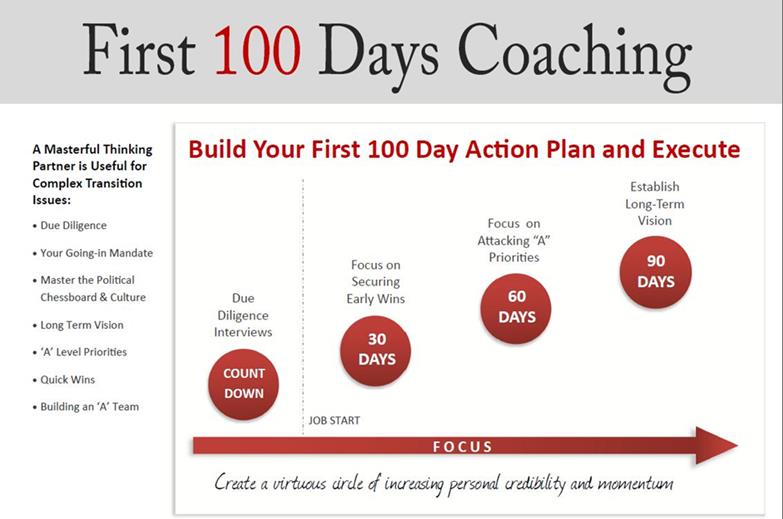
Phase 2: Contribution and Integration (Days 31-60)
Now that you've got a handle on things, it's time to start contributing more actively. This doesn't mean solving all the company's problems overnight! It's about taking on responsibilities, completing assigned tasks effectively, and demonstrating your skills. Look for opportunities to add value, even in small ways. Offer to help out on projects, share your insights during team meetings, and start to build your own network of allies and mentors.
This is also a critical time for feedback. Seek out informal check-ins with your manager. Ask what’s going well and where you could improve. Be open to constructive criticism; it’s a sign of growth. Show that you’re taking feedback seriously and implementing suggestions. You might want to identify a few key areas where you can make a noticeable impact and focus your efforts there. These could be small wins that build momentum and confidence.

Phase 3: Ownership and Future Planning (Days 61-100)
By this stage, you should be feeling more comfortable and confident in your role. The focus shifts towards taking more ownership of your work, demonstrating initiative, and starting to think strategically about the future. You’ll have a better understanding of the long-term goals of your team and the organization. Look for opportunities to propose new ideas or improvements.
This is the time to solidify your relationships and become a go-to person for certain tasks or knowledge. Don't just meet expectations; exceed them. Continue to seek feedback, but also start to proactively identify your own areas for development and create a plan to address them. Think about what kind of impact you want to make in the next 6 months, year, or even longer. Discuss your career aspirations with your manager and explore potential development opportunities.
"By day 100, you should feel like you belong. You're not just doing the job; you're shaping it."
Throughout these first 100 days, remember to be authentic. While it's important to adapt and learn, your unique strengths and personality are what will make you valuable. Celebrate your small victories, learn from any missteps, and enjoy the journey. Those first 100 days are an incredible investment in your future career success!