Eye Drops For Dogs For Dry Eyes

Let's talk about something that might not be on your typical Tuesday to-do list, but is pretty darn important if you've got a furry best friend: eye drops for dogs with dry eyes. Yep, those soulful peepers deserve some TLC, and sometimes, they need a little extra help to stay happy and moist.
Think of it this way: we humans complain about dry eyes from screen time, don't we? Our dogs can experience similar discomfort, but they can't exactly tell us, "Hey, my eyes feel like the Sahara Desert after scrolling through TikTok for three hours." So, it's up to us, their dedicated humans, to be their eyes' best advocates. And thankfully, the world of canine eye care has come a long way, offering solutions that are as easy-going as your dog's snoozy afternoon nap.
The Tear-ific Truth About Dry Eyes
So, what's the deal with dry eyes in dogs? It’s a condition formally known as Keratoconjunctivitis Sicca, or KCS for those who like to shorten things (and who doesn't?). Essentially, it means their eyes aren't producing enough tears. Tears are like nature's windshield wipers for our pets' eyes. They lubricate, clean, and protect the surface of the eye from debris and bacteria. Without enough tears, those peepers can get dry, irritated, itchy, and even lead to more serious problems like corneal ulcers. Not exactly the stuff of doggy dreams, right?
Must Read
Several things can contribute to KCS. Sometimes it's just genetics – certain breeds, like Bulldogs, Pugs, and Cocker Spaniels, are more prone to it. Other times, it can be an autoimmune issue where the dog's own immune system attacks the tear-producing glands. Age can play a role too, just like our own bodies can slow down with time. And, of course, certain medications or even past eye injuries can leave their mark.
Spotting the Signs: When Your Pup's Peepers Need a Polish
How do you know if your dog's eyes are feeling a bit parched? Keep an eye out for these tell-tale signs. It’s a bit like being a detective, but the stakes are your dog’s comfort, which is, let's be honest, pretty high on everyone's priority list.
- Redness and Inflammation: The whites of their eyes might look a little pink or inflamed. Think of it as their eyes blushing from discomfort.
- Dull Appearance: Instead of that sparkly, bright look, their eyes might appear dull or lacking luster. Like a favorite pair of shoes that need a good polish.
- Mucus or Discharge: You might notice a thick, stringy mucus discharge, often yellow or greenish. This is the eye's way of trying to compensate, but it's not ideal.
- Squinting or Blinking Excessively: This is a classic "something's not right" signal. They're trying to relieve the irritation.
- Rubbing Their Eyes: You might see them pawing at their eyes or rubbing their face on the carpet or furniture. Ouch.
- Sensitivity to Light: They might shy away from bright lights.
- Corneal Changes: In more advanced cases, the cornea (the clear front part of the eye) might develop a cloudy or bluish haze. This is when it’s definitely time for a vet visit.
If you’re spotting any of these, it’s time to schedule a chat with your veterinarian. They're the ultimate eye-care gurus for your furry companion. They can perform a simple test called a Schirmer tear test to measure tear production and confirm KCS. It’s quick, painless, and gives them the definitive answer they need.
The Magic Elixir: What Exactly Are These Eye Drops?
Okay, so your vet has diagnosed KCS. What's next? This is where the eye drops come in. Generally, there are two main types you'll encounter, and they work in wonderfully different ways, like a dynamic duo for your dog's ocular health.

Immunomodulators: The "Get Your Glands Back to Work" Crew
These are often the first line of defense. Drops like cyclosporine (brand names include Optimmune) and tacrolimus work by suppressing the immune system's attack on the tear glands. Think of it as gently convincing the immune system to back off and let the glands do their job. They don't cure KCS, but they help the dog's body produce more of its own natural tears. It’s a long-term management strategy, not a quick fix, but incredibly effective for many dogs. Consistency is key here, much like keeping up with your skincare routine.
These can take a few weeks to really show their full effect, so patience is a virtue. You might not see a dramatic overnight change, but slowly, you'll notice their eyes becoming more comfortable. It’s a bit like the subtle but profound impact of listening to your favorite chill-out playlist – the benefits are cumulative.
Artificial Tears: The "Immediate Relief" Squad
These are exactly what they sound like: lubricants that mimic natural tears. They don't stimulate tear production, but they provide immediate relief by keeping the eye surface moist. They're often used in conjunction with immunomodulators or for dogs with mild KCS. Think of them as a refreshing spritz on a hot day for your dog's eyes. These can be used as needed, whenever you see signs of dryness or discomfort.
There are many over-the-counter options available, but always, always consult your vet before choosing one. They can recommend the best formulation for your dog’s specific needs, ensuring it’s safe and effective. Some contain preservatives which, while common in human eye drops, can be irritating to some dogs. Your vet will know best!

Making it a Breeze: Practical Tips for Drop Application
Now, let's get real. The idea of putting eye drops in your dog's eyes might conjure images of a wrestling match worthy of a Wrestlemania event. But fear not! With a little practice and the right approach, it can become a smooth, almost zen-like experience. It's all about setting the right mood, for both you and your pup.
Prep Like a Pro
Before you even unscrew the cap, get yourself and your dog ready. Choose a quiet, calm time and place. Maybe after a nice walk or during a cuddle session when they're already relaxed. Have your drops ready, and maybe a small, high-value treat to reward them afterwards. Think of it like a mini spa treatment.
The Gentle Approach
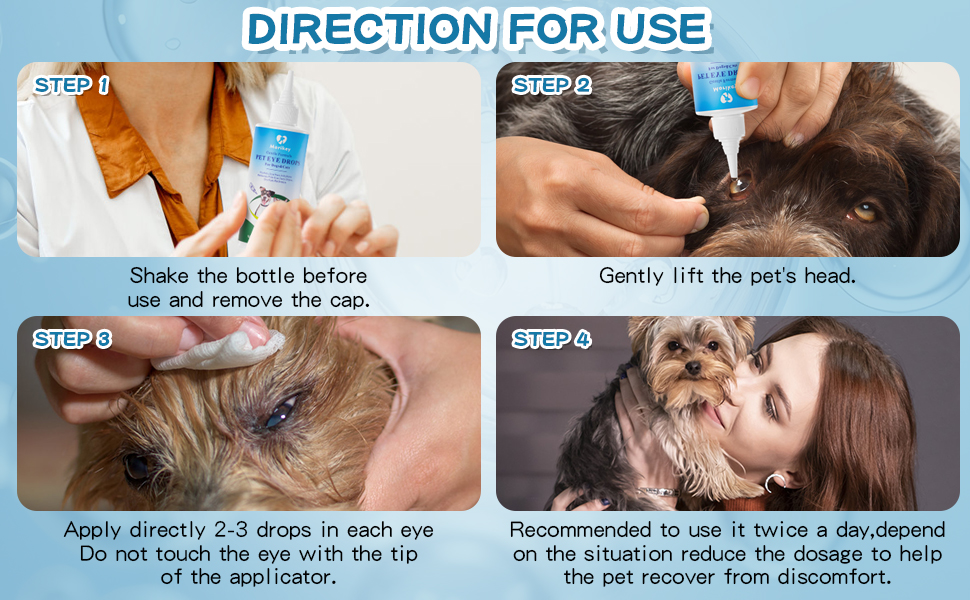
Sit on the floor with your dog, or have them sit in front of you on a stable surface. You want to be at their level. Gently cradle their head with one hand, supporting their chin. Use the thumb and index finger of that same hand to gently pull down their lower eyelid, creating a little pocket. This is your target zone!
With your other hand, hold the eye drop bottle. Bring it close to their eye, but not touching the eye itself. A common mistake is to let the tip of the bottle touch the eye, which can spread germs. Aim for the pocket you created. Gently squeeze a single drop into the pocket. Don't overdo it; one drop is usually sufficient.
The "Don't Panic, It's Just a Drop" Maneuver
Most dogs will blink after the drop is administered. This helps to spread the medication evenly across the eye. If they try to shake their head vigorously, try to gently keep their head still for a few moments. Sometimes, a little gentle pat on the head can distract them. And remember, if you miss, don't despair. Just try again with another drop. It's not rocket science; it’s canine eye care!

The Reward System
This is crucial! As soon as you're done, praise your dog enthusiastically and give them that special treat you set aside. You want them to associate the eye drop routine with positive reinforcement. Over time, they might even start looking forward to it (or at least tolerate it much better!). Think of it as training your dog to appreciate their own well-being, one drop at a time.
Consistency is Key
Remember those immunomodulators? They work best when given consistently, usually twice a day. Mark it on your calendar, set a reminder on your phone – whatever helps you stay on track. It’s like remembering to water your favorite houseplant; it needs regular attention to thrive.
When to Seek Further Help
If your dog is extremely resistant, or if the drops seem to cause significant discomfort, don't force it. Talk to your vet. They might have alternative application methods or can demonstrate the technique again. Sometimes, a different type of drop might be better tolerated. Your vet is your partner in this, and they want what's best for your dog just as much as you do.
Beyond the Drops: Supporting Your Dog's Eye Health
While eye drops are essential for managing KCS, there are other things you can do to support your dog's overall eye health:

- Keep the area around their eyes clean: Gently wipe away any gunk or discharge with a damp cloth or pet-safe eye wipes. This prevents irritation and potential infections.
- Provide a healthy diet: Good nutrition supports overall health, including eye health. Look for high-quality dog food with good sources of omega-3 fatty acids, which can be beneficial for tear production.
- Protect their eyes from irritants: If you’re going for a car ride with the windows down, consider protective eyewear for your dog, especially if they’re prone to dry eyes. The wind can be drying!
- Regular vet check-ups: Don't skip your dog's annual or semi-annual wellness exams. Your vet can catch potential eye problems early on.
Think of it as a holistic approach. The drops are the main treatment, but these supporting acts can make a big difference in their comfort and the long-term health of their eyes. It's like building a really great playlist – you need the core tracks, but the bonus tracks and interludes really round out the experience.
A Splash of Culture and Fun Facts
Did you know that the importance of eye health has been recognized for centuries? Ancient civilizations used various concoctions to treat eye ailments. While we have sophisticated medications now, the fundamental need to protect our vision is timeless. And speaking of timeless, who can forget those iconic dog movie moments where their expressive eyes tell the whole story? Think of Lassie’s pleading gaze or Toto’s wide-eyed wonder in The Wizard of Oz. Those performances are amplified when their eyes are clear and comfortable!
Here's a fun fact: a dog's sense of smell is so powerful, it's estimated to be between 10,000 and 100,000 times better than ours. While their eyesight isn't as sharp as ours, especially in daylight, their ability to see in low light is superior. So, keeping those eyes in good shape helps them navigate the world, whether it’s sniffing out a dropped crumb under the sofa or spotting that squirrel they’ve been plotting against.
A Final Reflection: More Than Just Drops
Looking after your dog's dry eyes isn't just about administering medication; it’s an extension of the love and care we pour into our relationships with them. It’s about understanding their silent cues and responding with gentle, effective solutions. It's about that quiet moment of connection when you're applying their drops, and they trust you implicitly.
In our fast-paced lives, taking the time to attend to our pets' needs, especially something as delicate as their eyes, can be incredibly grounding. It forces us to slow down, to be present, and to focus on the well-being of another living creature. And when you see that comfortable, clear gaze looking back at you, free from the sting of dryness, you know it’s all worth it. It's a reminder that even the smallest acts of care can bring immense joy and comfort, not just to them, but to us as well.