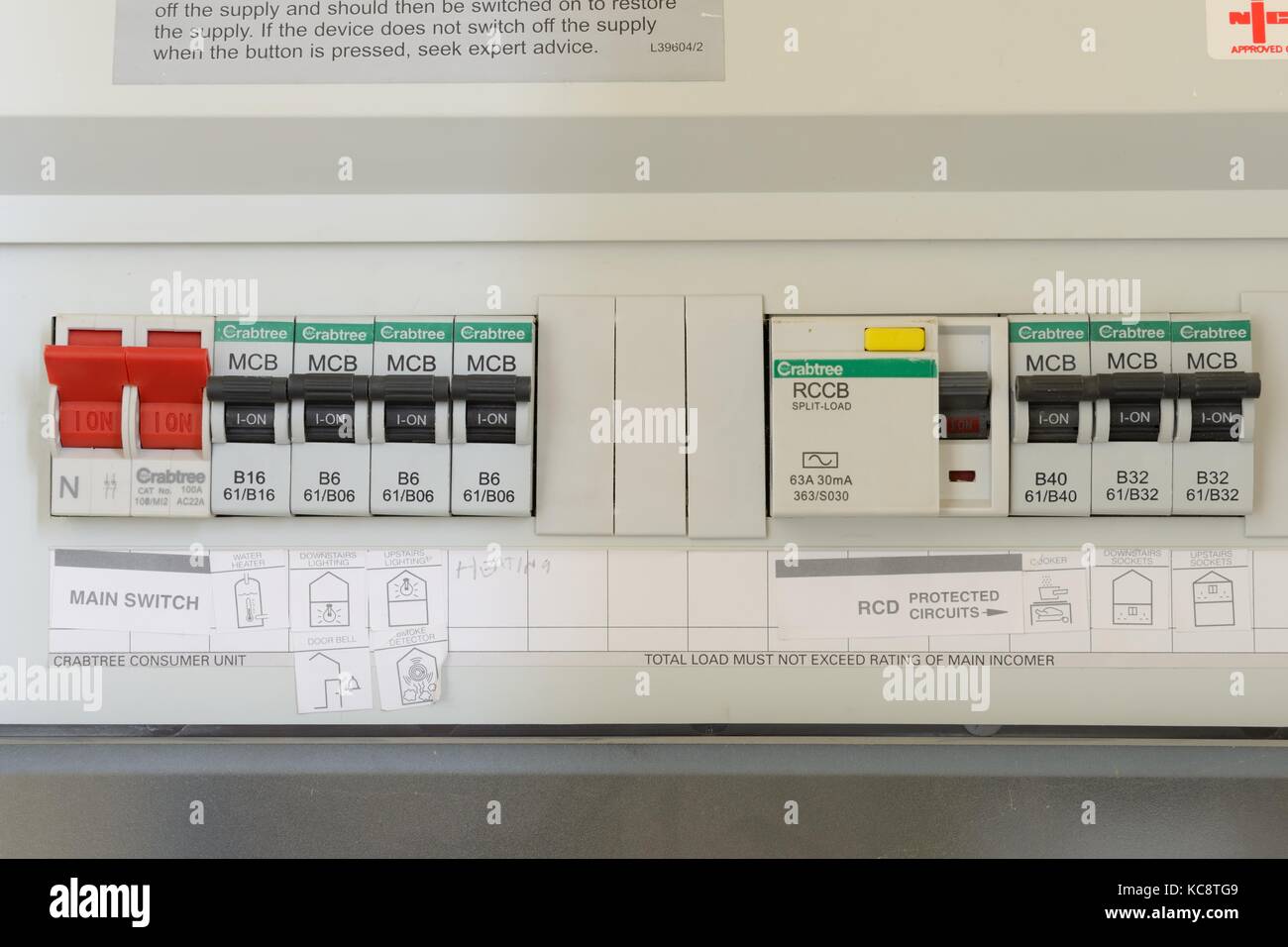
Electrical Consumer Unit Installation

Hey there, lightning wranglers and spark enthusiasts! Today, we’re diving headfirst into a topic that might sound a tad… electrifying. We’re talking about the humble, yet mighty, electrical consumer unit. Think of it as the superhero’s utility belt for your home’s electricity.
Now, I know what you’re thinking. “Consumer unit? Sounds like a fancy toaster with a death wish.” And yeah, maybe a little. But trust me, this little box is the unsung hero of your electrical safety. It’s the gatekeeper, the traffic cop, the… well, you get the idea. It keeps everything running smoothly and, more importantly, keeps you from becoming a human lightning rod. Fun, right?
The Grand Opening of Your Electrical Kingdom
So, what exactly IS this mysterious consumer unit? Imagine your home’s electricity arriving like a boisterous party guest from the power lines. It’s got energy, it’s got enthusiasm, and if left unchecked, it can get a little… wild.
Must Read
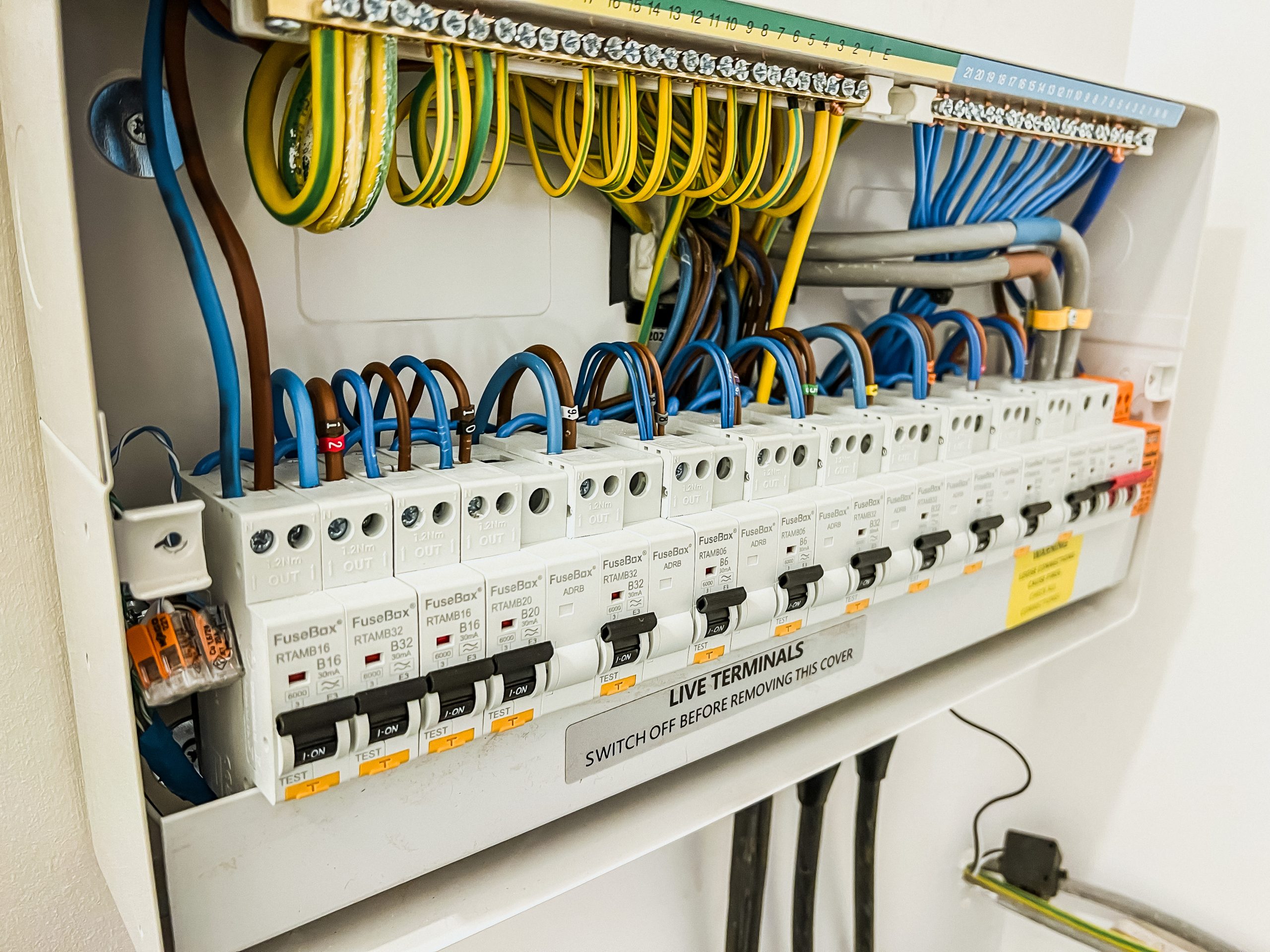
The consumer unit is where all that wild energy gets tamed. It’s a metal box, usually mounted on a wall, packed with little switches. These aren’t just any switches, mind you. These are the guardians of your circuits.
Think of it like this: your home’s electricity is a massive river. The consumer unit is the dam, with all these cleverly designed gates (the breakers) that can stop the flow if things get out of hand. Pretty neat, huh?
The Breaker Brigade: Your Tiny Electrical Ninjas
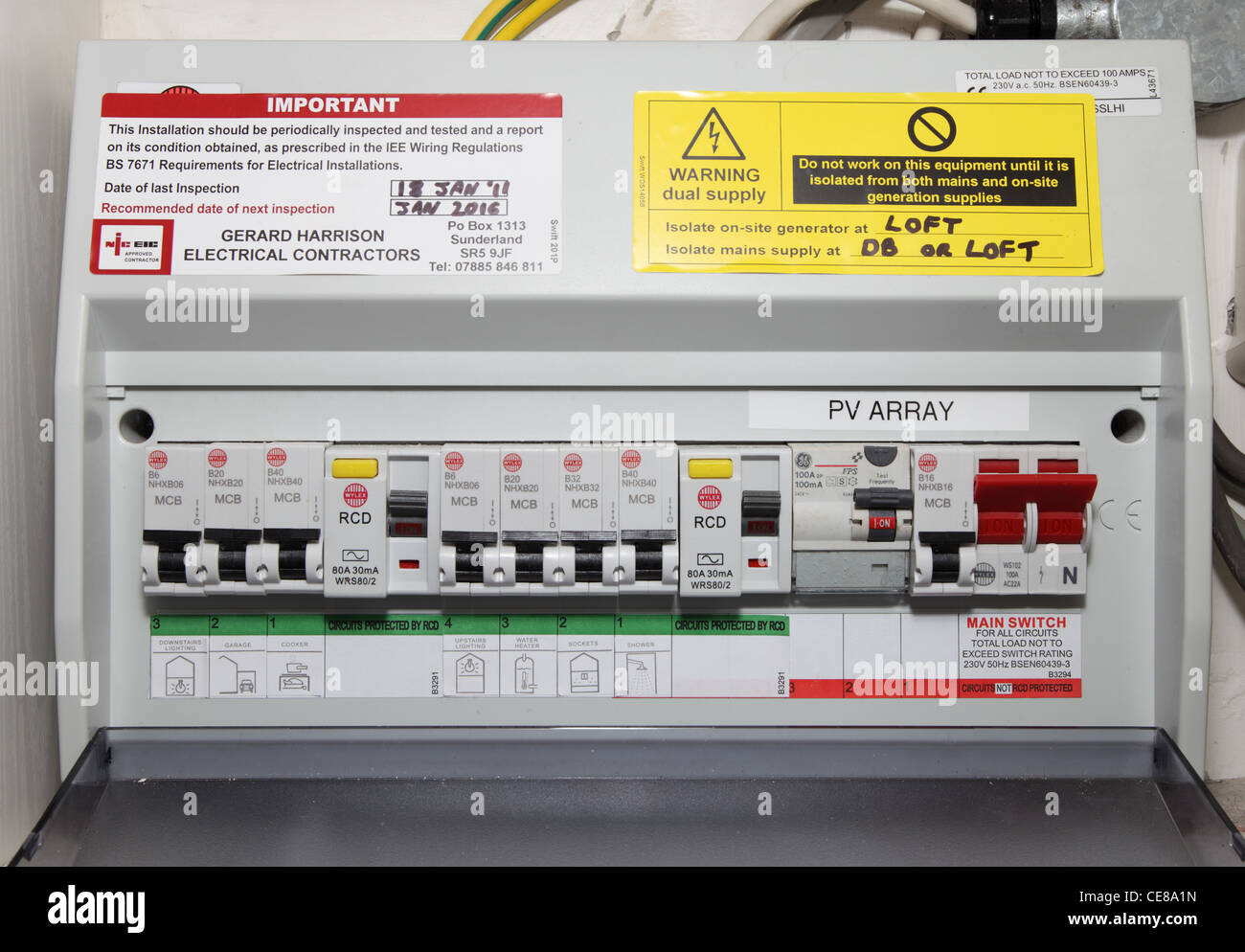
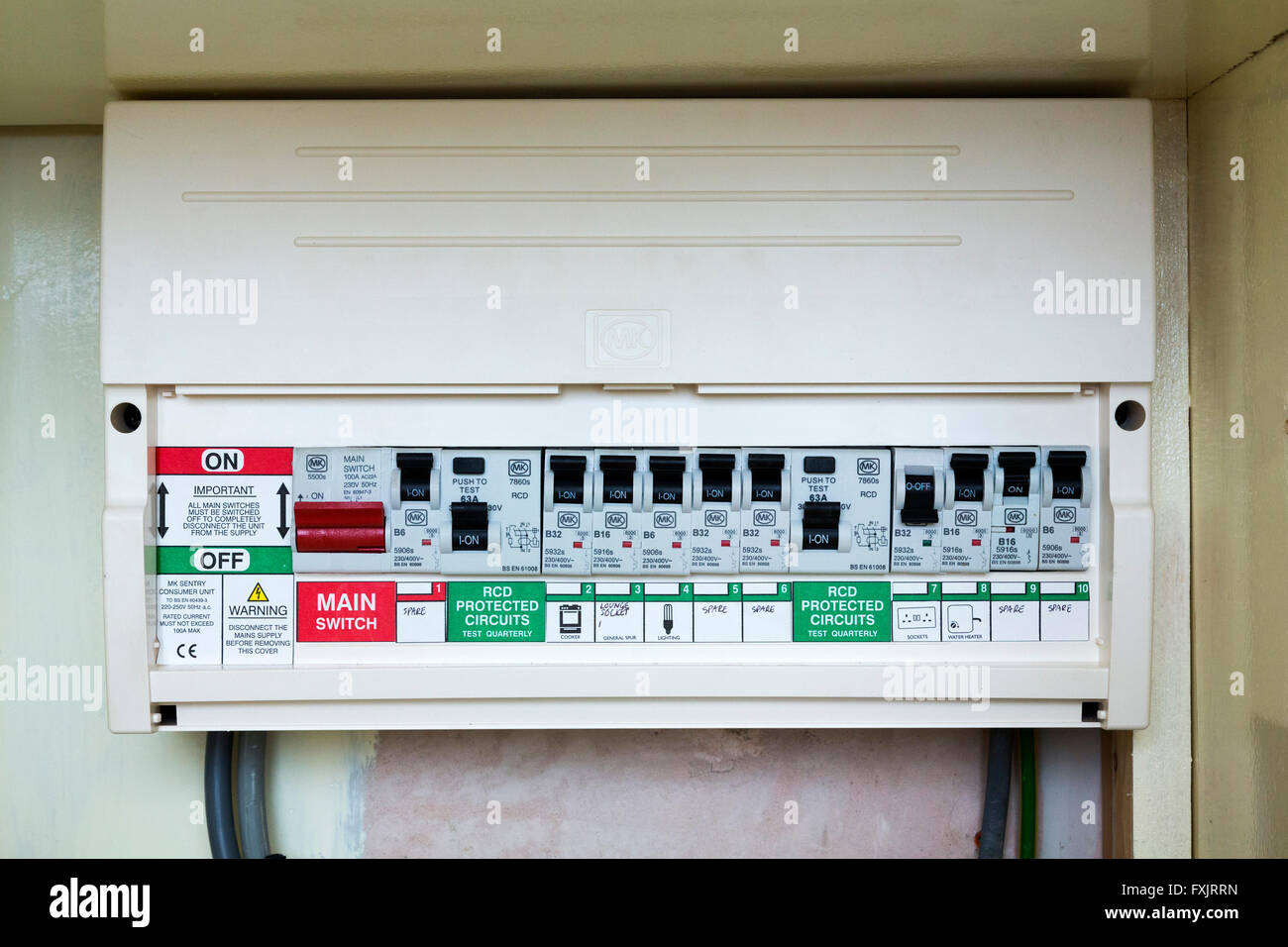
Let’s talk about those switches. They’re called circuit breakers. And they’re awesome. Each one is responsible for a specific part of your home. One might handle the lights in your living room, another the sockets in the kitchen, and yet another the powerful beast that is your oven. They’re like tiny, dedicated ninjas, constantly on alert.
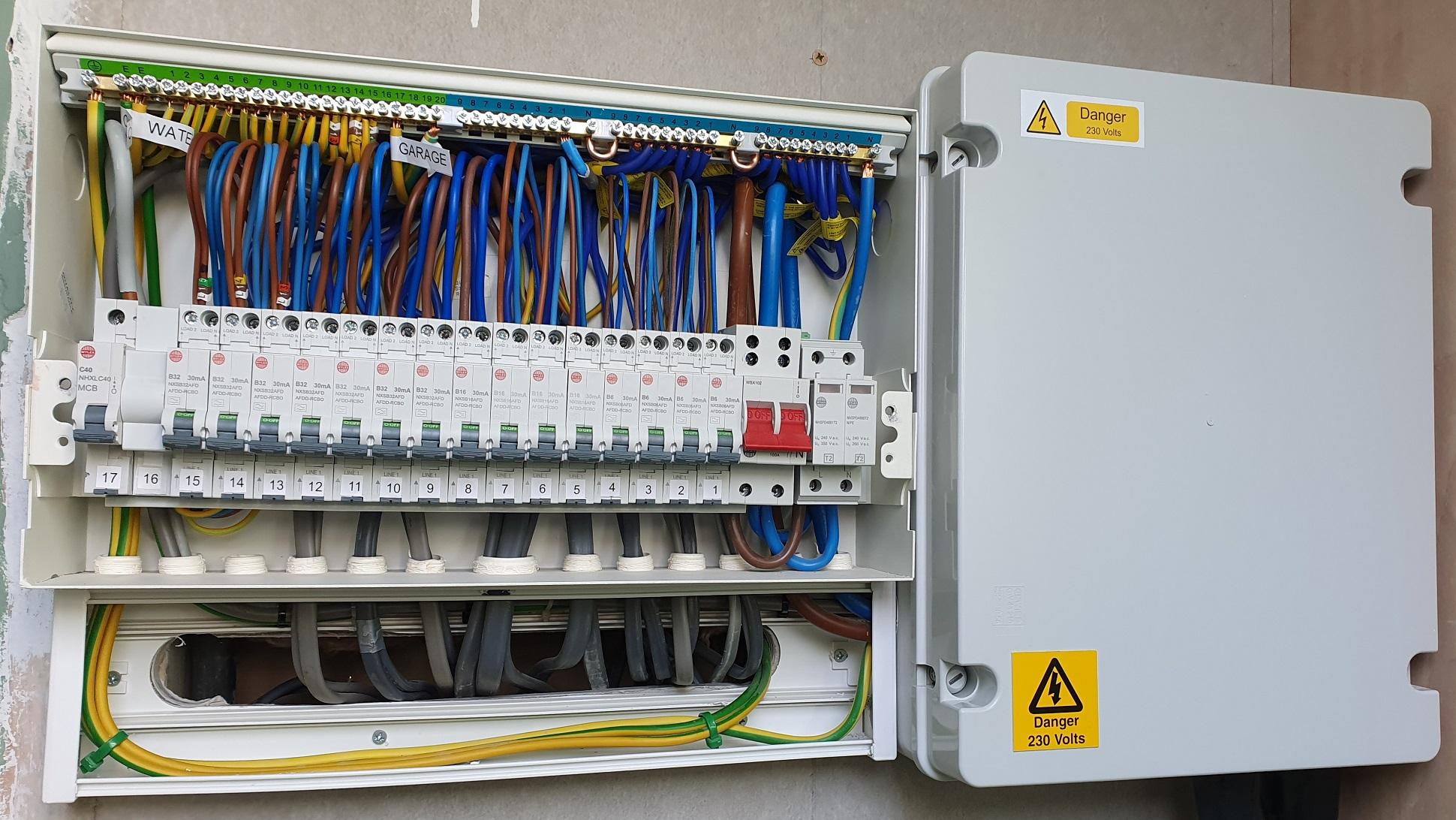
What makes them so cool? They’re designed to trip. That means if there’s too much electricity trying to flow through a circuit – maybe you’ve overloaded it with a hairdryer, a toaster, and a mini-fridge all at once (we’ve all been there!) – the breaker flips off, cutting the power. It’s basically saying, “Whoa there, Nelly! Let’s calm down.”
It’s a visual cue, a little pop of safety. And while a tripped breaker might be a minor annoyance, it’s a huge sign that something’s up, preventing a potential fire or, gasp, a shock.
The Quirky World of Amps and Volts
Now, for a little nerdy fun. You’ll hear about amps (amperage) and volts (voltage). Think of voltage as the pressure pushing the electricity, and amps as the flow rate. It’s like water in a pipe. High pressure and a wide-open pipe can cause a flood, but a controlled flow keeps things humming. Consumer units help control that flow, ensuring the right amount of juice goes where it needs to, without causing a surge.
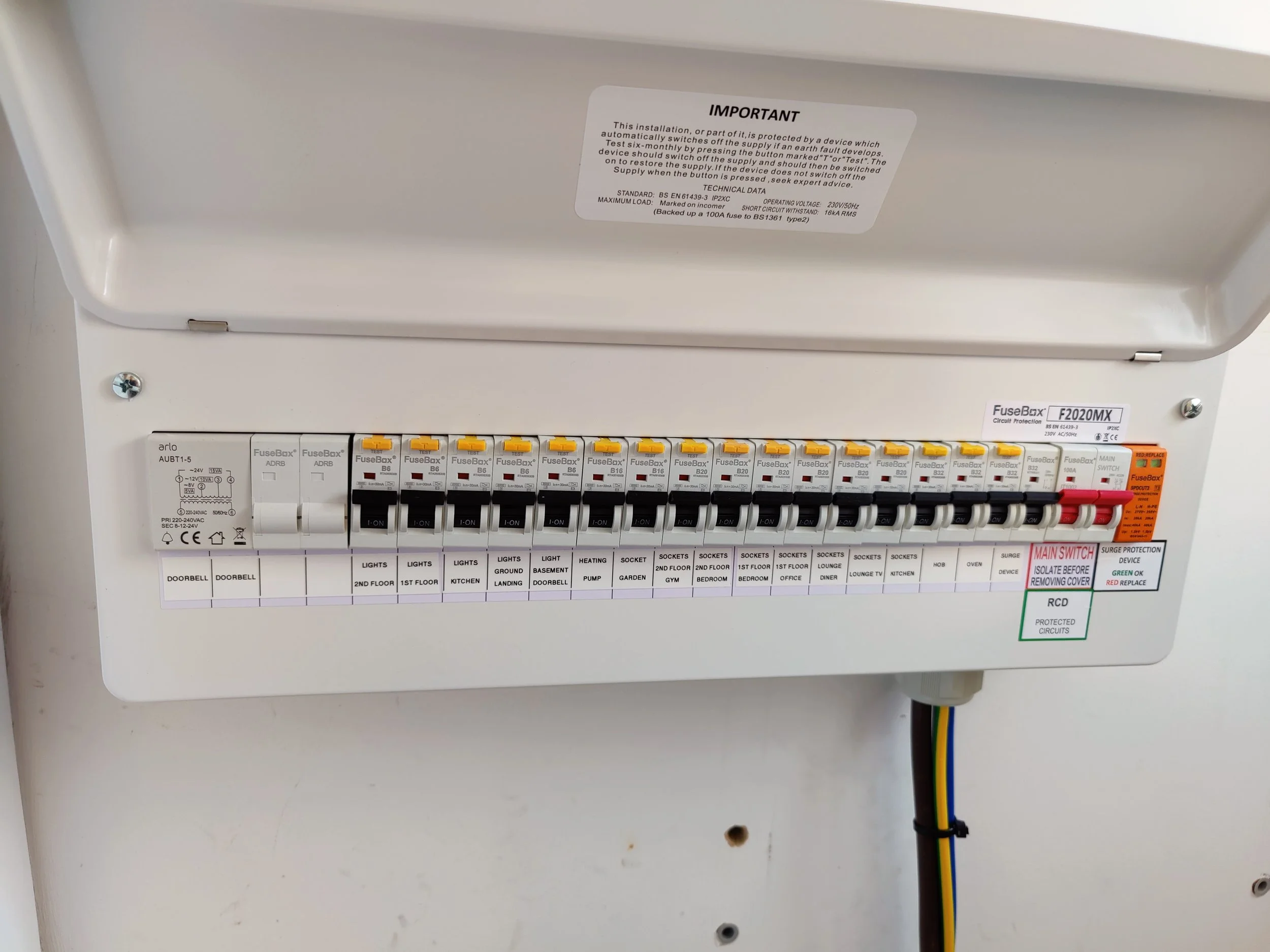
And did you know that older homes might have a fuse box instead of a consumer unit? Fuse boxes use little glass-covered fuses that melt when overloaded. When they blow, you have to replace the whole fuse. Think of it like a little sacrifice for the greater good of your wiring. Consumer units are more modern, and the breakers can just be reset. Much more convenient, and arguably a lot less dramatic than a blown fuse.
The Main Switch: The Big Kahuna
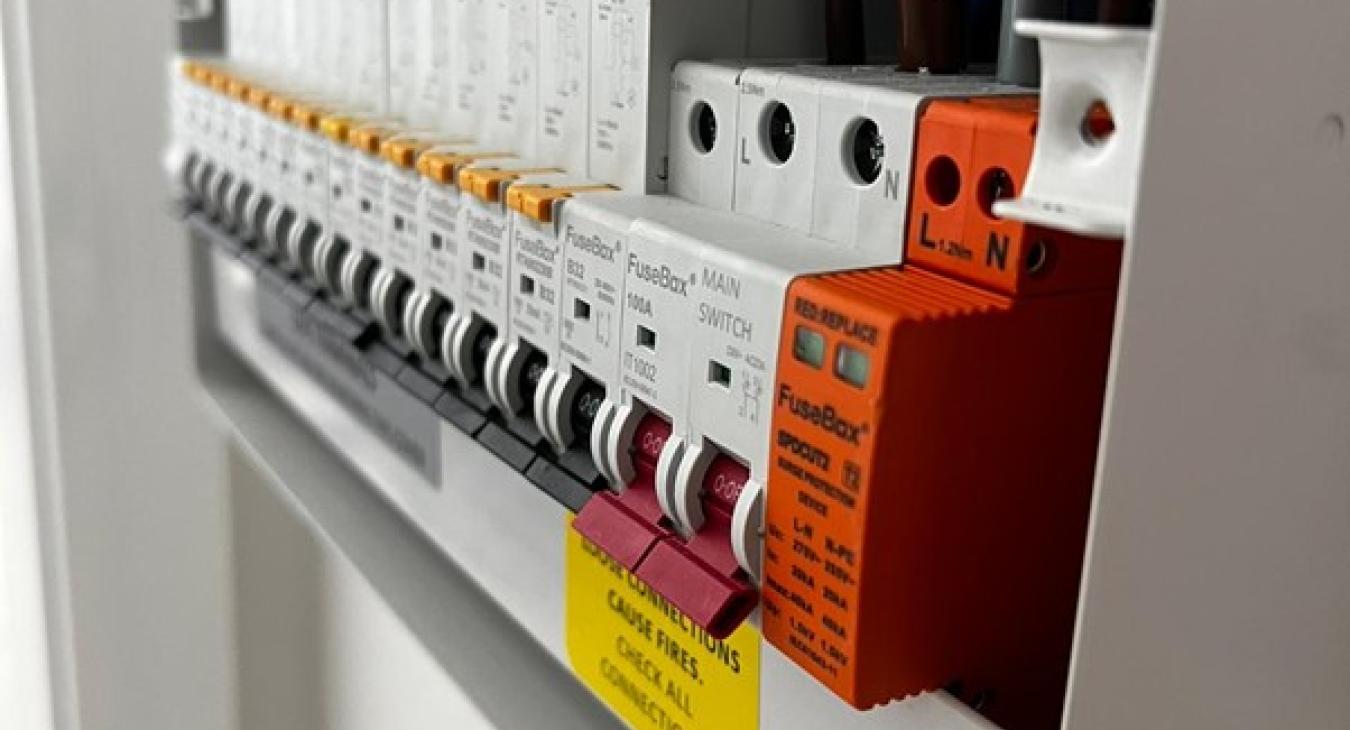
At the heart of the consumer unit, there’s usually a main switch. This is the big daddy, the ultimate off-button. If you ever needed to shut down ALL power to your home in an emergency, this is your guy. It’s like a giant “pause” button for your entire electrical system. Super important, and a great thing to know where it is!
It’s also the first line of defense, controlling the flow of electricity into the entire unit. A responsible electrician will always make sure this is readily accessible and clearly marked.

Why Installation is a Job for the Pros (and Why It’s Still Fun to Know About!)
Okay, so we’ve established that consumer units are pretty darn cool. But here’s the crucial bit: installing or replacing one is NOT a DIY job. Seriously. Electricity is powerful stuff, and messing with it without the right knowledge and tools can be… well, let’s just say it’s a recipe for some seriously unhappy circuits, and potentially some even unhappier people.
Qualified electricians have the training, the experience, and the special tools to handle this intricate work. They understand wiring regulations, safety protocols, and the subtle nuances that keep your home safe and sound. They’re the wizards who can correctly size the breakers, wire everything up securely, and ensure your consumer unit meets all the necessary standards.
Think of it like this: you wouldn’t perform your own surgery, right? Same principle applies here. Leave the intricate, potentially hazardous electrical work to the experts. It’s safer, more efficient, and will give you peace of mind.

The Spark of Curiosity
So, why talk about it if you can’t do it yourself? Because knowledge is power! Understanding what’s going on behind those walls is empowering. It helps you appreciate the complex system that keeps your lights on, your gadgets charged, and your home comfortable.
When you see that little box on the wall, you’ll know it’s not just a metal rectangle. It’s a sophisticated safety device, a testament to electrical engineering, and a crucial component of your modern life. You can even impress your friends with fun facts about amps and volts at your next dinner party!
Next time you flip a light switch or plug in your phone, take a moment to appreciate the silent work of your consumer unit. It’s a small component, but it plays a huge role in keeping your world running smoothly and safely. And isn’t that just a little bit electrifyingly fun?
So, keep that curiosity buzzing! The world of electrical systems is full of fascinating details, and the consumer unit is just the tip of the iceberg. Stay safe, stay curious, and let the qualified pros handle the sparks!