
Do You Need A Visa For Malta
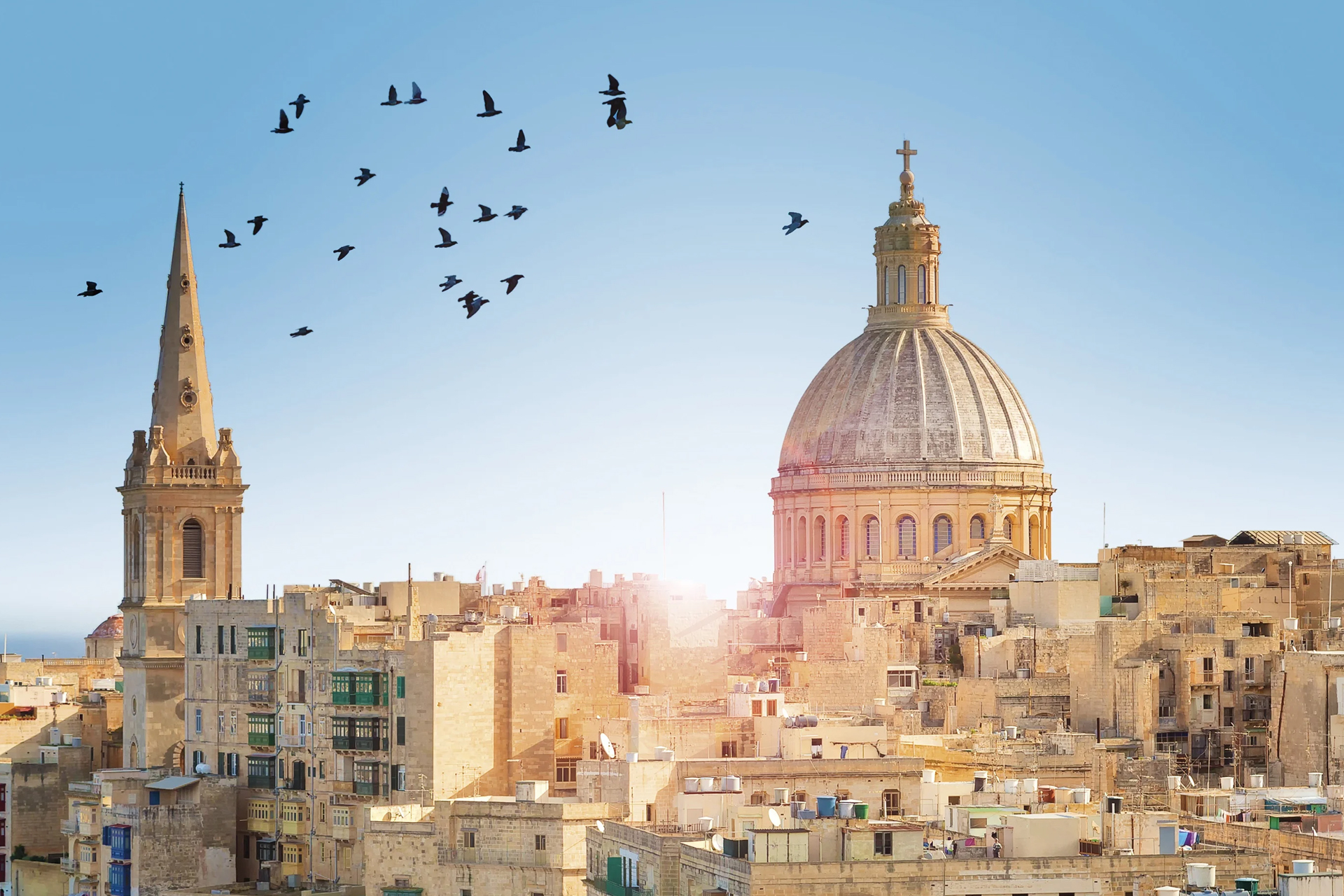
Alright, so you're dreaming of Malta, huh? Sun-drenched beaches, ancient history whispering from every stone, and the smell of pastizzi wafting through the air. Sounds pretty amazing, right? We all have those travel fantasies, picturing ourselves sipping a local Kinnie by the Mediterranean Sea. But before you start packing your flip-flops and booking that charming Airbnb in Mdina, there's a little administrative hurdle we need to chat about – the dreaded (or sometimes not-so-dreaded) visa.
Think of it like this: your passport is your golden ticket to the world, but sometimes, you need an extra sticker or stamp to get through a particular door. And for Malta, that sticker might be a visa, depending on where you're coming from and how long you plan to soak up the Maltese sunshine.
So, Do You Actually Need One? Let's Break It Down.
The good news? For a lot of people, the answer is a resounding "no". If you're a citizen of the European Union (EU) or the European Economic Area (EEA), you can pretty much hop on a plane to Malta like you're visiting your aunt in the next town over. Your national ID card or passport is your all-access pass. You can stay as long as you like, work, study, and generally live your best Maltese life without a second thought about visa applications. Easy peasy, lemon squeezy!
Must Read
This is because Malta is part of the Schengen Area. Now, don't let the fancy name intimidate you. The Schengen Area is basically a club of European countries that have abolished passport and immigration controls at their common borders. It's like a giant, interconnected playground where you can wander freely. So, if you can get into Germany without a visa, you can generally get into Malta too, as long as your trip is for tourism, business, or visiting family/friends for a short period (usually up to 90 days within a 180-day period).
The 90/180 Rule: Your New Travel Mantra
This 90/180 day rule is super important if you're a citizen of a country outside the EU/EEA but whose citizens are allowed to enter the Schengen Area visa-free for short stays. Think of it like having a free pass for a certain amount of time. You can spend up to 90 days within any 180-day period in the entire Schengen zone. So, if you've already spent 40 days exploring Italy and France, you've only got 50 days left for your Maltese adventure.
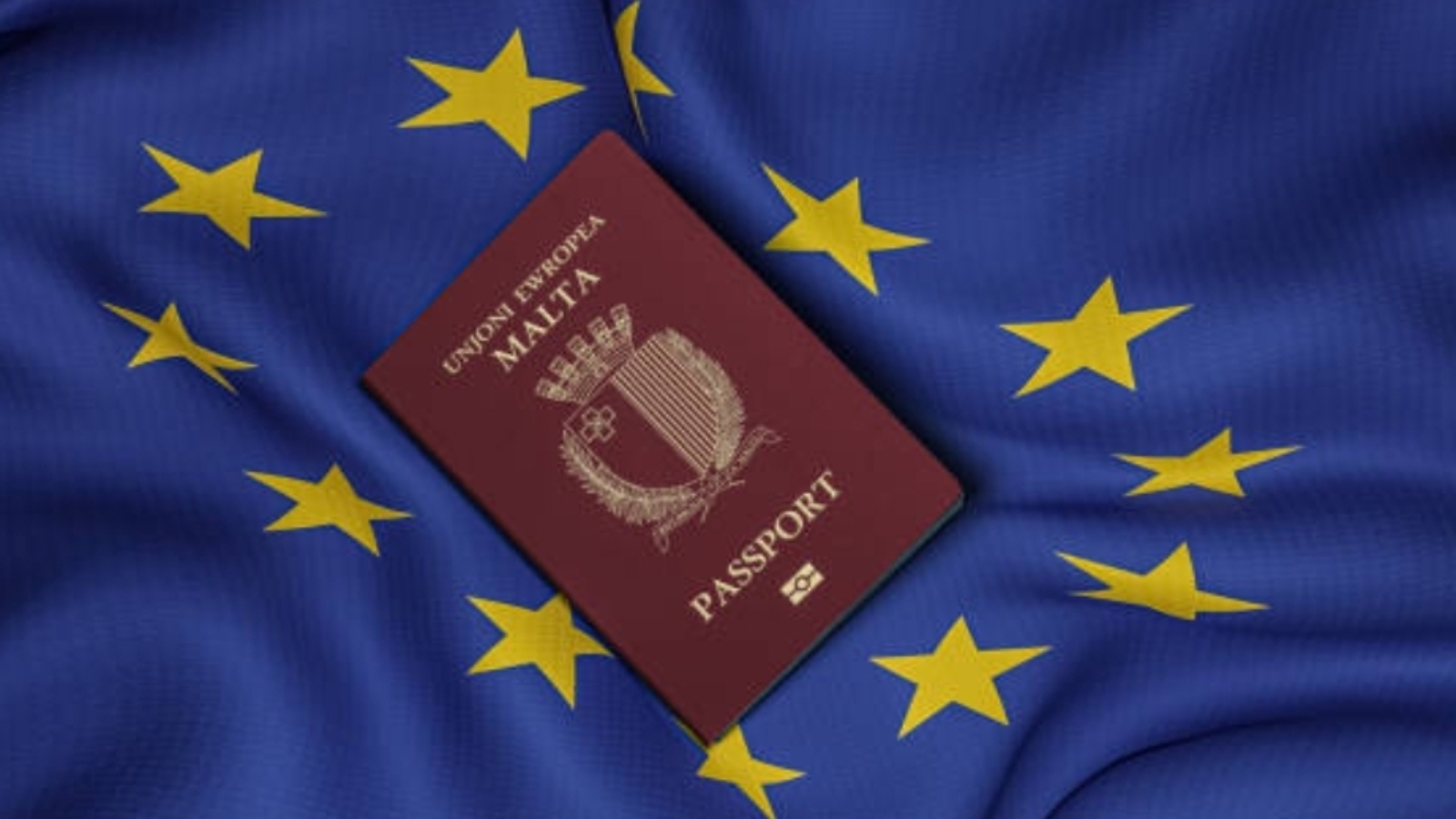
It's not about the number of visits, but the total number of days spent. So, if you pop over to Malta for a week, then go to Spain for two weeks, and then back to Malta for another week, you need to keep track! It’s a bit like managing your phone data – you don't want to go over your limit and get those dreaded extra charges (or in this case, a potentially awkward conversation at immigration).
Why should you care? Because overstaying can lead to fines, deportation, and bans from re-entering the Schengen Area. Nobody wants their dream Maltese holiday to end with a stern talking-to and a black mark on their travel record. So, a quick check of the official Schengen visa rules for your nationality is a must. It’s the travel equivalent of double-checking your outfit before a big meeting – better safe than sorry!
When You Might Need a Visa
Now, let's talk about the folks who do need to think about a visa. If your country isn't on the list of those with visa-free access to the Schengen Area, or if you plan to stay in Malta for longer than 90 days, you'll likely need to apply for a visa. This is usually a Schengen Visa (Type C) for short stays or a National Visa (Type D) for longer stays (like studying or working).

Applying for a visa can feel a bit like preparing for a really important exam. There's paperwork, there are requirements, and you want to make sure you've got everything just right. You'll typically need to gather documents like your passport, proof of accommodation, travel insurance (which is a really smart idea anyway, even if you don't need a visa!), flight bookings, and evidence of sufficient funds to cover your stay. It’s all about showing the Maltese authorities that you're a genuine traveler with a clear plan and no intention of overstaying or becoming a burden.
Think of it like borrowing your friend's favourite, super expensive tool. You want to assure them you'll use it carefully, return it in good condition, and you have a good reason for needing it. The visa application is your way of assuring Malta that you're a responsible visitor.

Where to Find the Official Scoop
The absolute best place to get definitive information is the official website of the Maltese Ministry for Foreign and European Affairs or the Maltese Embassy or Consulate in your country. These are your trusty guides, offering the most up-to-date and accurate information. Don't rely on random blogs or outdated forum posts – things can change! It’s like asking a chef for a recipe versus asking your neighbour who thinks they remember what went into that amazing casserole last Christmas. You want the real deal!
A quick search for "Malta visa requirements" for your nationality should point you in the right direction. They’ll outline exactly what you need, where to apply, and any associated fees.
Beyond the Visa: Other Things to Consider
Even if you don't need a visa, it's always a good idea to have your ducks in a row. For instance, ensure your passport is valid for at least three months beyond your intended stay and has at least two blank pages. This is a standard requirement for many countries, not just Malta. It’s like making sure you have enough charge on your phone before you leave the house – you don't want to be caught short.
And while we're at it, travel insurance is your best friend. Whether you’re sipping wine in a Gozitan vineyard or exploring the ancient catacombs, accidents can happen. Having travel insurance means that if you get sick, injured, or your luggage goes missing, you're covered. It’s the safety net for your adventure, allowing you to relax and enjoy Malta without worrying about unexpected medical bills that could be more expensive than your entire holiday!
The Bottom Line: Plan Ahead, Travel Happy!
So, do you need a visa for Malta? The answer is: it depends. For many, it's a straightforward "no." For others, it requires a bit of planning and a visa application. The most important thing is to check early. Don't leave it until the last minute, when you're frantically trying to book flights and feeling the stress creep in. A little bit of proactive research will save you a lot of headaches and ensure your journey to the beautiful island of Malta is as smooth and enjoyable as possible.
Malta is a gem, and you deserve to experience it without any unnecessary drama. So, take a moment, do your homework, and then go forth and create those unforgettable Maltese memories. Happy travels!

