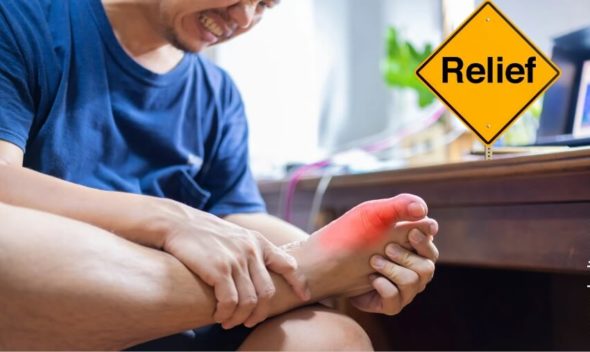
Do You Get Gout In Your Heel
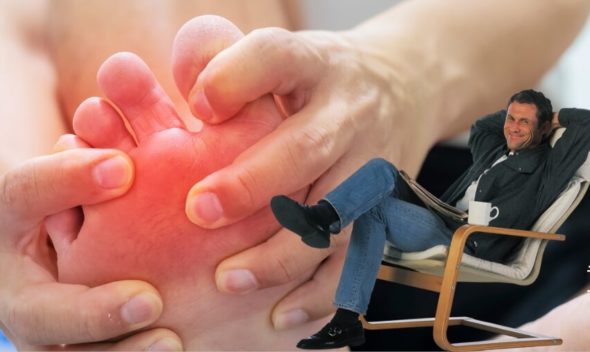
So, you’ve been nursing a sore heel, huh? And maybe you’re wondering, “Could this be gout?” It’s a good question, my friend. Gout, that mischievous little condition, loves to crash parties, especially in our joints. And the heel? Well, it’s definitely a party venue it sometimes crashes. So, let's dive in, shall we? Grab your coffee, settle in, and let’s chat about this whole heel-gout situation.
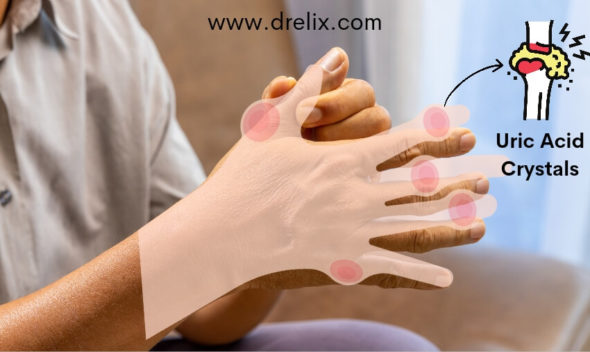
First off, what is gout, anyway? Think of it like tiny, sharp crystals, like miniature shards of glass, forming in your joints. These little troublemakers are made of something called uric acid. Normally, our bodies get rid of uric acid, but sometimes, they don't do the best job. When there’s too much of it floating around, it can start to crystallize. And where do these crystals decide to set up shop? Bingo. Joints. Anywhere, really. But there are some favorite spots, and we’ll get to those.
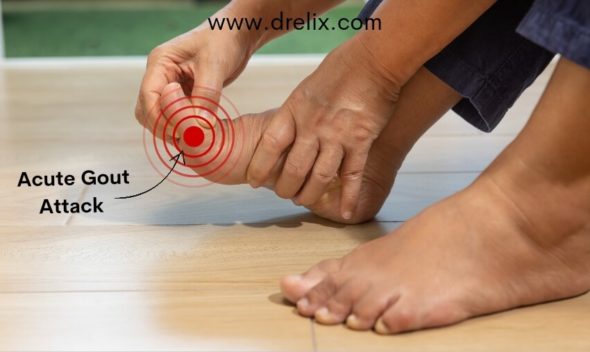
Now, when we think of gout, what’s the first image that pops into your head? For most folks, it’s that big toe. Oh, the big toe! It’s practically the poster child for gout attacks. Sudden, searing pain, redness, swelling – it’s like your toe decided to host a tiny, fiery rave. And it’s usually at night, isn't it? Just when you’re trying to get some shut-eye. Talk about a rude awakening!
Must Read
But here’s the thing, and this is where your heel comes into the picture: gout isn’t just about the big toe. Nope, it’s a bit of a wanderer. It can pop up in other joints too. So, can you get gout in your heel? The short answer is: absolutely. While the big toe is the usual suspect, your heel is definitely on gout’s radar. It’s like that one friend who shows up uninvited but sometimes brings great snacks. Or, in this case, not so great pain.
Why the heel, though? Well, your heel has some important joints in it, like the subtalar joint and the ankle joint. These are prime real estate for those pesky uric acid crystals to decide to build their little vacation homes. They’re weight-bearing joints, meaning they get a lot of action, and sometimes, that action can jostle those crystals around, causing all sorts of drama.
So, what does a gout attack in your heel feel like?
Imagine a super bad sunburn, but inside your foot. Or maybe like you’ve stepped on a thousand tiny Lego bricks, but they’re all somehow lodged inside your bone. It’s intense. We’re talking sudden, severe pain. It can come on like a lightning bolt. One minute you’re fine, the next, BAM! Your heel feels like it’s on fire. And it’s not just a dull ache, oh no. This is a sharp, throbbing, almost unbearable pain. You’ll probably notice redness and swelling too. Your heel might look puffy, and the skin over it could be hot to the touch. It’s like your heel is throwing a miniature tantrum, and you’re stuck in the middle of it.
Walking? Forget about it. Even putting weight on your foot can feel like a monumental task. You might find yourself hobbling around, looking like you’ve just survived a marathon you never signed up for. It can really mess with your day-to-day life, can’t it? Simple things, like just getting out of bed or walking to the kitchen, can become Herculean efforts. It's enough to make you want to just… lie down. Permanently. (Okay, maybe not permanently, but you get the picture.)
What’s going on under the hood? (Or, under the skin, in this case!)
Remember those uric acid crystals we talked about? When they settle in your heel, your body’s immune system goes into overdrive. It sees these crystals as invaders, and it launches an all-out assault. This immune response is what causes the inflammation, the redness, the swelling, and that searing pain. It's your body's way of saying, "Hey! There are tiny, sharp things in here! Let's freak out!" And freak out it does.
The funny thing is, these attacks often come out of nowhere. You might be feeling perfectly fine, and then, boom. Gout. It’s like a surprise party you definitely didn’t RSVP for. And often, these attacks happen at night. So, you go to bed feeling normal, and wake up in excruciating pain. Sweet dreams, right? It’s enough to make you question all your life choices, like that second helping of shrimp last night.
Who’s more likely to get gout in their heel?
Alright, so, are we all equally at risk? Not exactly. Gout tends to favor certain groups. Men are generally more prone to gout than women, especially before menopause. But after menopause, women’s risk catches up. Age is another factor; the older you get, the higher the chance of gout. It's like fine wine, some things get better with age, and some things just… show up with more baggage.
Then there’s your diet. This is a biggie! Things like red meat, organ meats (think liver and kidney – sounds delicious, right?), and seafood, especially shellfish, are high in purines. And purines? They’re the building blocks of uric acid. So, when you eat a lot of purine-rich foods, your body has more raw materials to make those pesky crystals. It’s like giving the crystal-making factory a huge supply of raw materials.

Alcohol, particularly beer, is also a known culprit. Beer is high in purines and it can also interfere with your body's ability to get rid of uric acid. So, cheers to that, I guess? Not really. And sugary drinks, those sweet, innocent-looking sodas and juices? They can also increase your risk. It’s like a triple threat: meat, beer, and sugar. A party for gout, a nightmare for your heel.
Other health conditions can also play a role. Things like high blood pressure, diabetes, kidney disease, and obesity can all increase your chances of developing gout. If your kidneys aren’t working as well, they might not be able to filter out uric acid effectively. And if you’re carrying a few extra pounds, well, that’s just more stress on those joints, giving those crystals more places to settle.
So, what do you do if you suspect gout in your heel?
First off, don’t panic. Deep breaths. While it’s painful, it’s usually manageable. The most important thing is to see a doctor. Seriously. Don’t try to tough it out and diagnose yourself with some dodgy internet quiz. A doctor can properly diagnose gout. They might do a physical exam, ask about your symptoms, and sometimes, they’ll even draw fluid from the affected joint to look for those telltale crystals under a microscope. It’s a bit like a detective looking for clues.
Once you have a diagnosis, your doctor can help you figure out the best course of treatment. This often involves medication. There are medications to help with the pain and inflammation during an acute attack, and there are also medications to help lower your uric acid levels in the long run. These long-term medications are super important because they help prevent future attacks and can even help dissolve existing crystals. Think of them as the crystal cleanup crew.
Besides medication, there are also lifestyle changes that can make a huge difference. We’ve already talked about diet, but it’s worth repeating. Cutting back on those purine-rich foods and limiting alcohol intake can be a game-changer. Staying hydrated is also key. Drinking plenty of water helps your kidneys flush out uric acid. So, chug that water, people! It’s good for your joints, good for your whole body.
Gentle exercise can also be beneficial, but when you’re in the throes of an attack, the last thing you’ll want to do is move. So, focus on rest and pain relief during those acute phases. But once the pain subsides, getting back into some gentle movement can help keep your joints healthy and reduce future flare-ups. It’s a balancing act, for sure.
Can you prevent gout in your heel? (Or anywhere else, for that matter!)
Prevention is definitely the name of the game when it comes to gout. While you can't always guarantee you'll never get it, you can certainly stack the odds in your favor. As we've discussed, making smart dietary choices is paramount. Load up on fruits, vegetables, and whole grains, and go easy on the red meat, organ meats, and certain seafood. Think of it as giving your body a healthy makeover, one meal at a time.
Moderate your alcohol intake. That means if you do drink, do so in moderation. And maybe swap out that extra beer for a glass of water. Your heels (and the rest of your body) will thank you. And if you’re a fan of those sugary drinks, consider switching to water or unsweetened tea. It’s a small change that can have a big impact.
Maintaining a healthy weight is also crucial. If you’re carrying extra pounds, losing even a small amount of weight can significantly reduce your uric acid levels and the strain on your joints. So, a healthy diet and regular exercise are your best friends in this fight. It's like investing in your future comfort. A small investment now can save you a lot of pain later.
Staying hydrated, as we’ve hammered home, is another simple yet powerful preventive measure. Water is your body’s natural flushing agent. So, make sure you’re getting enough. It’s like giving your internal plumbing a good clean-out.
And if you have any underlying health conditions that contribute to gout, like high blood pressure or diabetes, working with your doctor to manage those effectively is another key piece of the prevention puzzle. It's all about taking a holistic approach to your health. You're not just fighting gout; you're building a healthier you.
The takeaway? Don’t ignore that sore heel!
So, to circle back to our original question: Do you get gout in your heel? Yes, you absolutely can. And if you're experiencing sudden, severe pain, redness, and swelling in your heel, it's definitely worth getting it checked out. Don't just assume it's a pulled muscle or a stubborn bruise. It could be gout, and the sooner you get a diagnosis and treatment plan, the sooner you can get back to walking pain-free. It's like getting your favorite shoes back after they've been in the shop for repair – pure bliss!
Remember, gout is a treatable condition. With the right medical care and lifestyle adjustments, you can significantly reduce the frequency and severity of attacks. So, don’t let those uric acid crystals win. Take charge of your health, listen to your body, and if your heel is screaming for attention, give it the attention it deserves. Your feet, especially your heels, carry you through life. It’s only fair to give them a little TLC in return, wouldn’t you agree? Now, go forth and walk with less pain! Or at least, with a better understanding of why your heel might be giving you grief. Cheers to healthy joints and happy feet!