Do You Eat The Rind Of Cheese
Have you ever found yourself staring at a beautiful wedge of cheese, perhaps a crumbly cheddar or a creamy brie, and then hesitated at that slightly different outer layer? That’s the cheese rind, and a surprisingly fascinating topic it is! It’s not just a protective casing; it's an integral part of the cheese’s journey from milk to your plate, and understanding it can unlock a whole new world of flavor and appreciation for this beloved food.
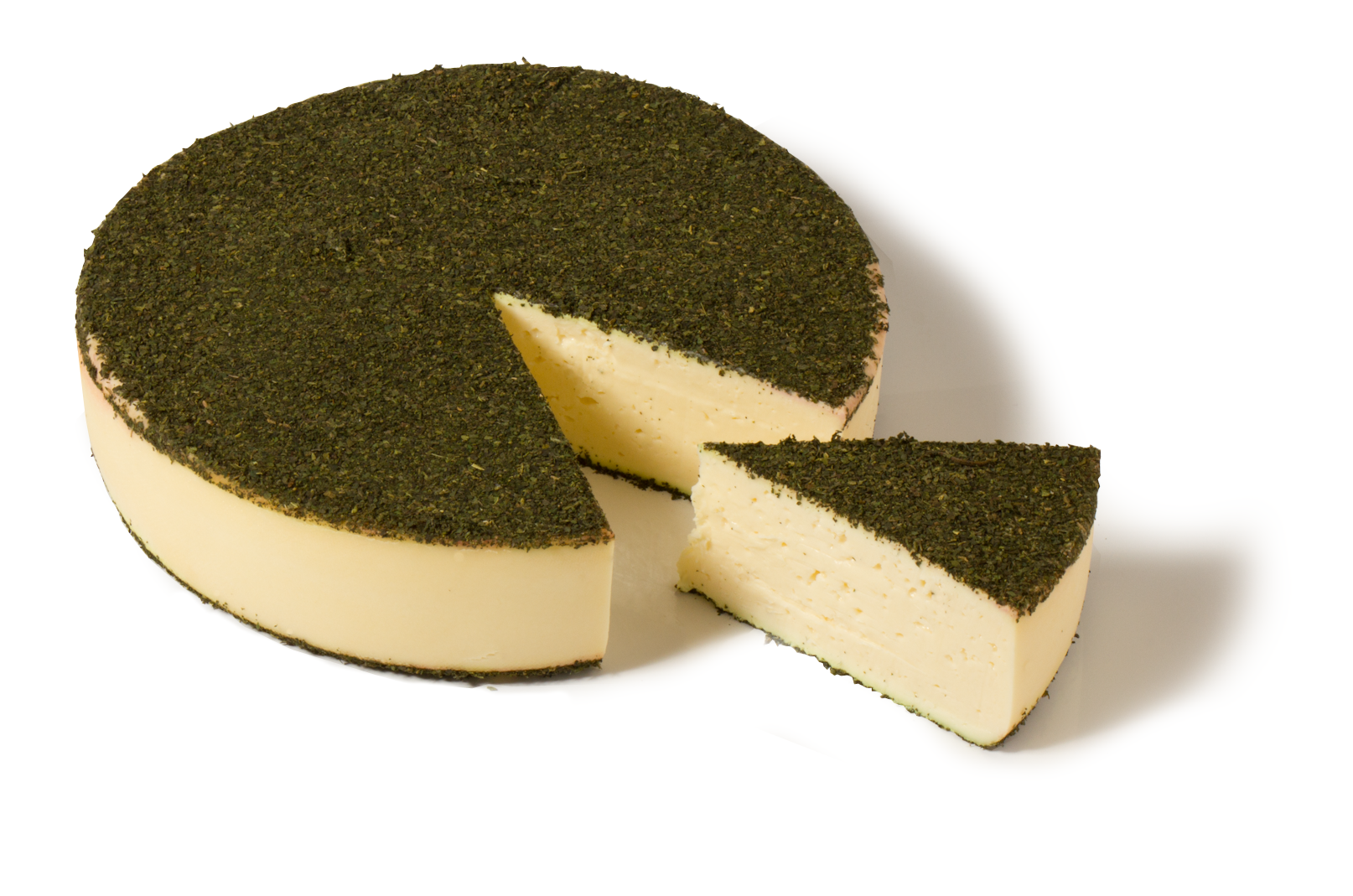
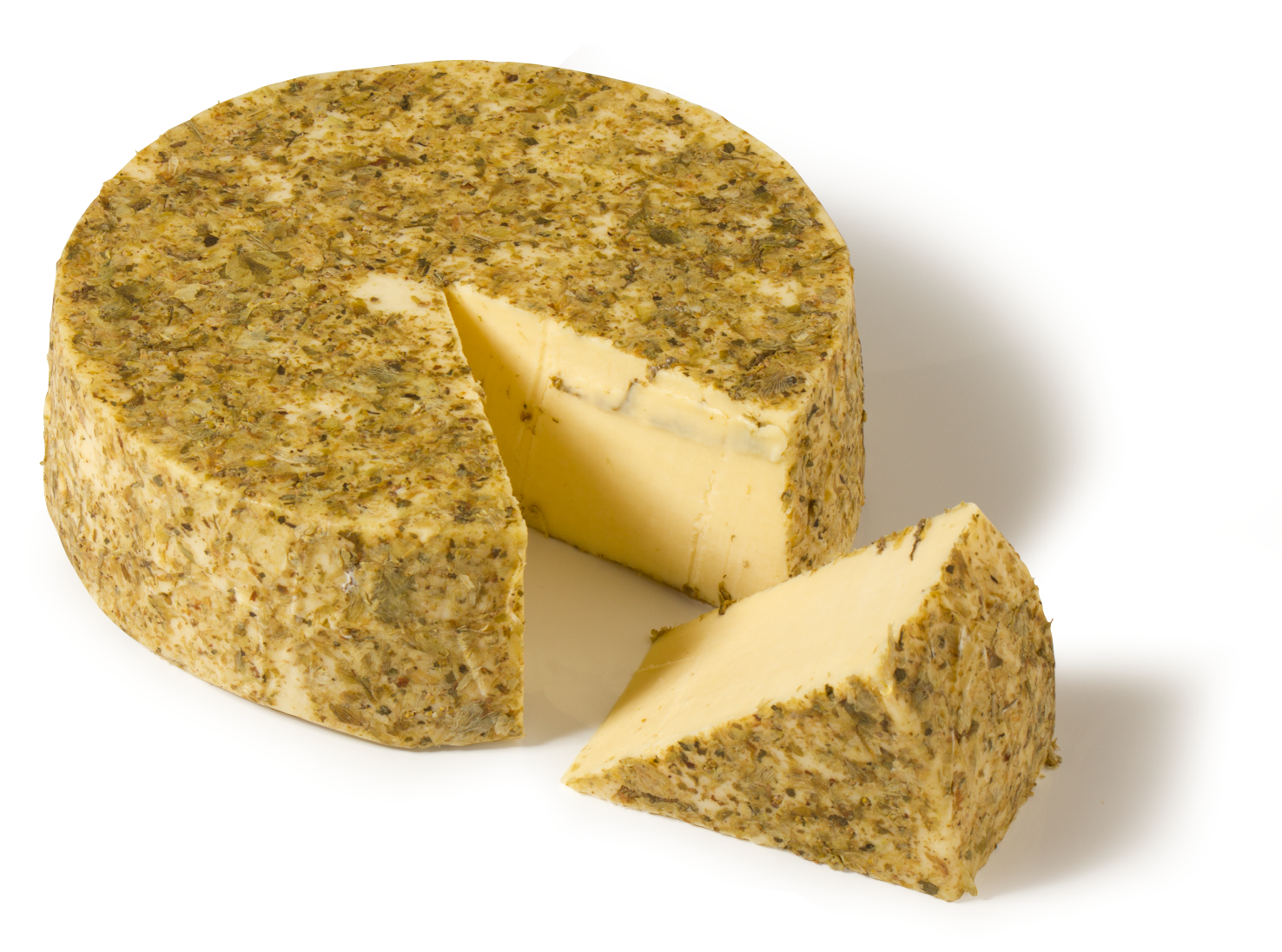
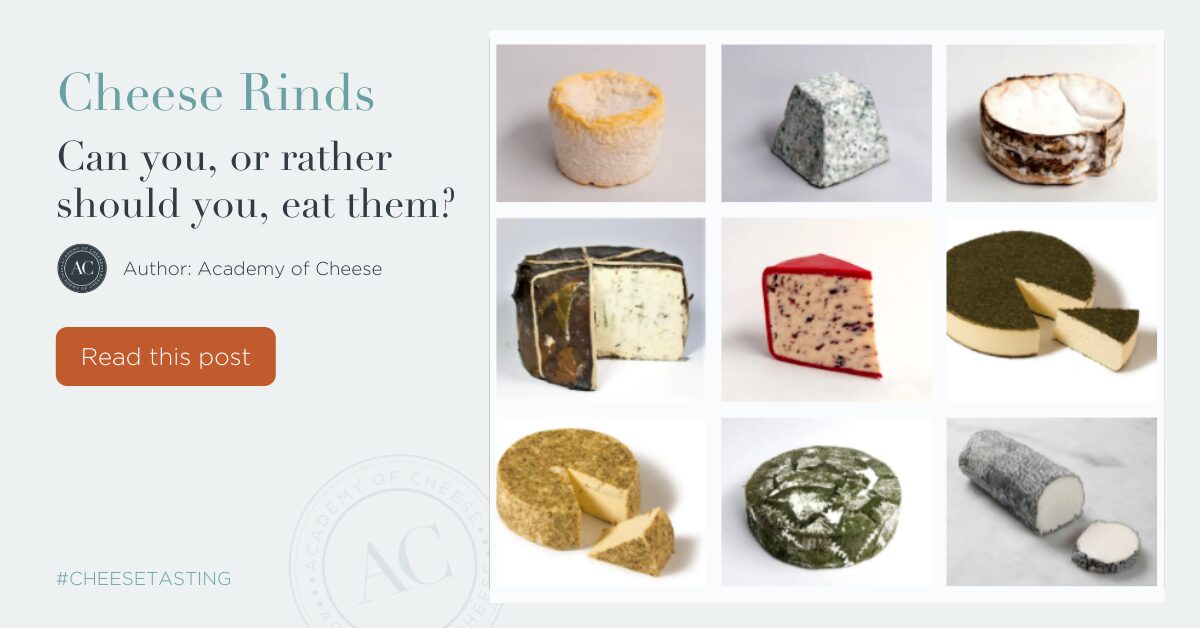
So, what exactly is cheese rind and why should we care? Think of it as the cheese’s skin. It’s formed naturally as the cheese ages, and its purpose is multi-faceted. Firstly, it acts as a natural barrier, protecting the precious cheese inside from drying out and preventing unwanted mold or bacteria from taking hold. But it's more than just protection; the rind actively contributes to the cheese's final character. During aging, it develops a complex ecosystem of microbes, including beneficial bacteria and fungi, which interact with the cheese, influencing its texture, aroma, and unique flavor profile.
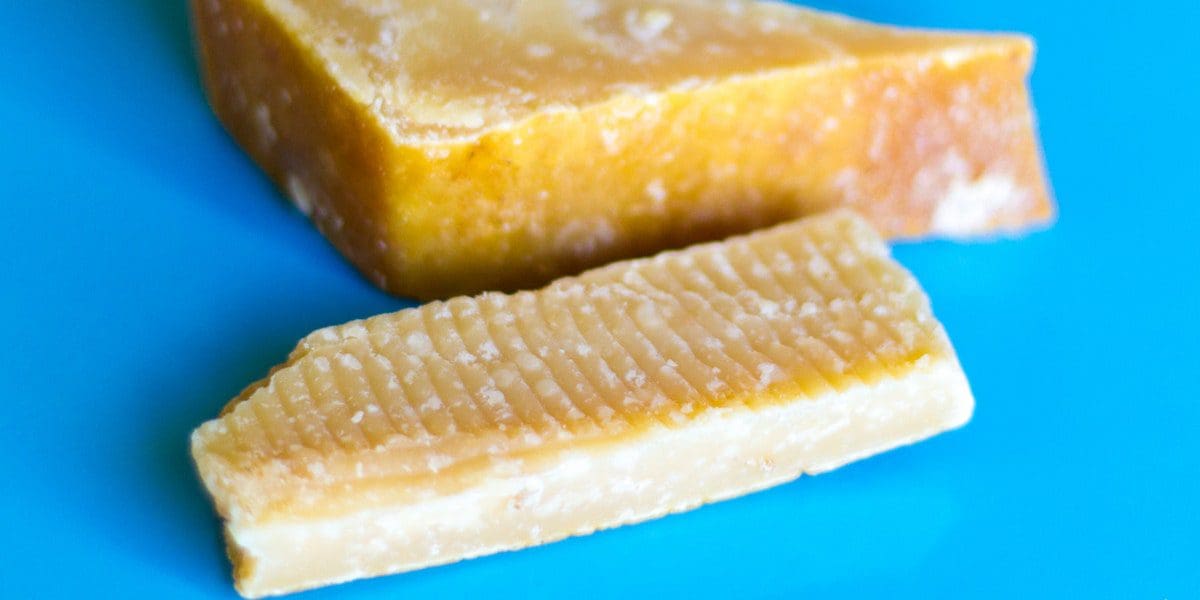
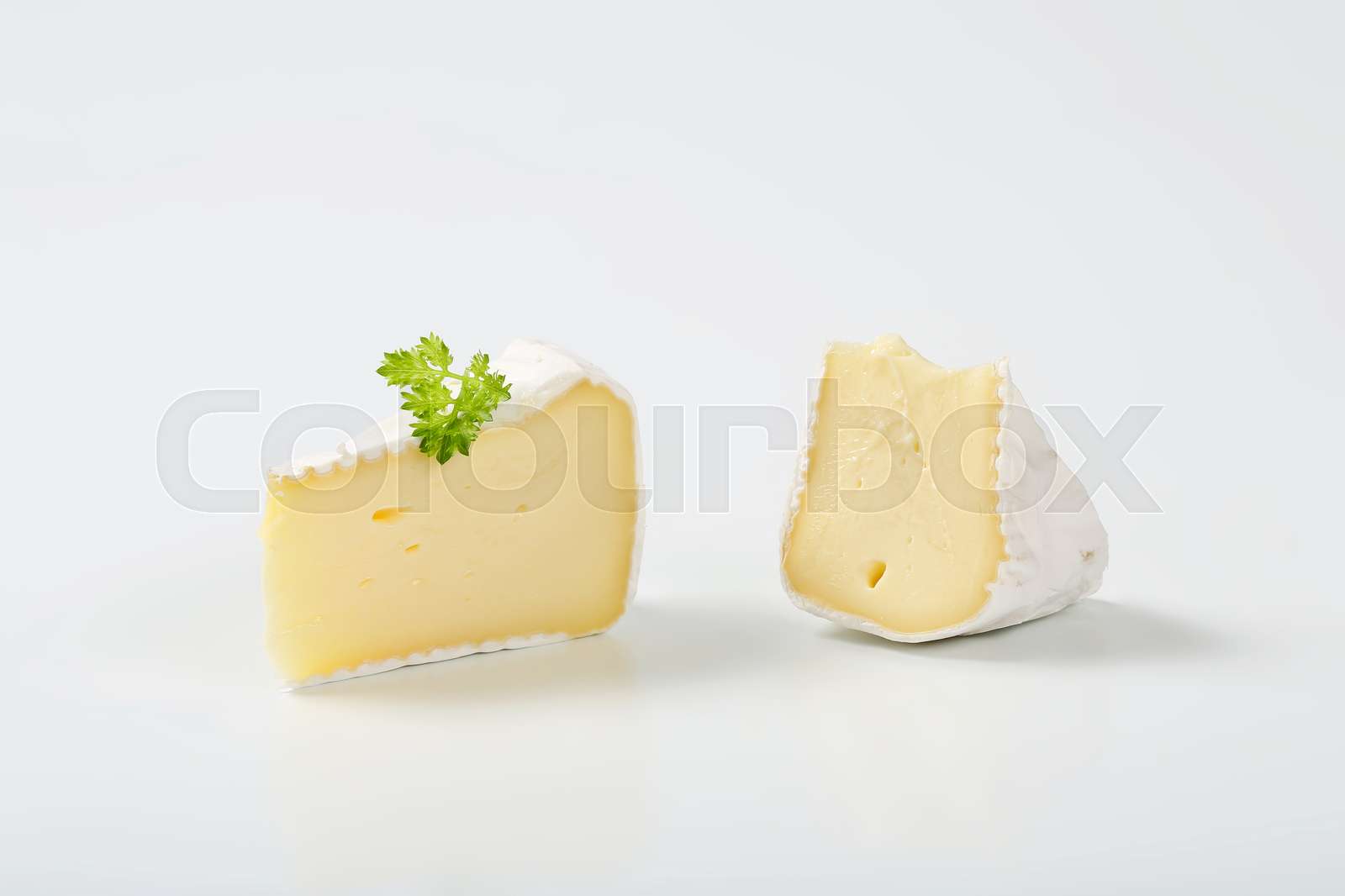
The benefits of the rind are as diverse as the cheeses themselves. For many aged cheeses, like Parmesan or Gruyère, the rind can develop a deep, nutty, and sometimes slightly bitter flavor that can be incredibly complex and satisfying. In soft cheeses like Brie or Camembert, the bloomy rind is actually a crucial part of the eating experience, offering a creamy, earthy counterpoint to the luscious interior. Some rinds, particularly those washed with brine, wine, or spirits (think of a Taleggio or an Epoisses), develop intense, pungent aromas and flavors that are absolutely central to the cheese’s identity.
Must Read
Learning about cheese rinds can be surprisingly educational and enrich our daily culinary experiences. Imagine a cheese tasting where you actively explore the nuances between the rind and the paste of a single cheese – it’s a lesson in how aging and microbial action shape taste. In culinary schools, understanding rind edibility and flavor contribution is a fundamental aspect of cheese education. Even at home, it can spark curiosity: "Can I eat this?" is a common question that leads to further discovery.
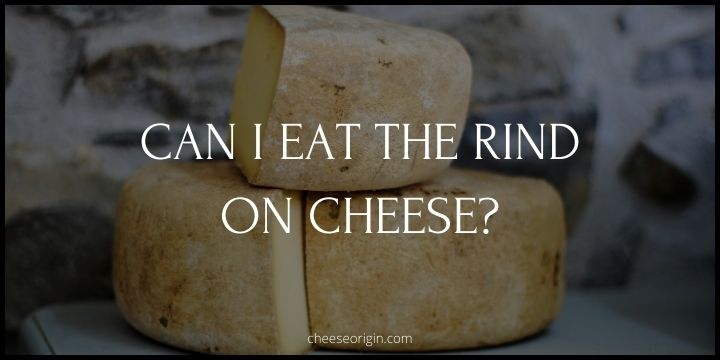
Ready to explore this fascinating world yourself? It’s simpler than you might think! The best approach is to start with the cheese you already love. Next time you have a piece of aged cheddar, try a tiny nibble of the rind. Is it hard and waxy? Does it have a stronger flavor? For soft cheeses with bloomy rinds, the answer is almost always a resounding yes! Embrace the entire experience. For washed-rind cheeses, approach with an open mind and a curious palate – you might be surprised by the intense, savory notes you discover. If you're feeling adventurous, visit your local cheese shop and ask about the rinds on their different varieties. The cheesemonger is a fantastic resource and can guide you towards cheeses with particularly interesting rinds to try.
Ultimately, the question of whether to eat the rind is a personal one, but understanding its role can only deepen your appreciation for the incredible craftsmanship and natural processes that go into making cheese. So next time, don't just see it as packaging; see it as a flavorful finale waiting to be discovered.