Do I Need A Car Seat In A Taxi

Ah, the taxi. That trusty metal chariot whisking us from A to B, whether it’s a late-night dash to catch a flight, a spontaneous pub crawl ending, or simply conquering the urban jungle when the bus is being particularly elusive. We hop in, maybe we scroll through Instagram, hum along to the radio, and arrive, none the wiser about the subtle complexities of this everyday ritual. But here’s a question that might have you pausing mid-scroll, a slight furrow in your brow: Do I need a car seat in a taxi?
It's a question that’s more common than you might think, especially for parents navigating the wonderfully chaotic world of raising little humans. The answer, like a perfectly brewed cup of coffee on a chilly morning, can be a little nuanced. On the surface, it feels like a no-brainer, right? Taxis are cars. Cars carry people. And certain people, namely our precious little ones, have very specific safety requirements.
Let’s dive into the nitty-gritty, but let’s do it the relaxed way, shall we? Think of this as a friendly chat over brunch, not a stern lecture from a traffic cop. We’re here to unpack the guidelines, sprinkle in some helpful tips, and maybe even uncover a fun fact or two about the surprisingly fascinating world of child car safety.
Must Read
The Legal Lowdown (Without the Snooze-Fest)
So, what’s the official word? In many countries, including the UK and the US, the law is pretty clear when it comes to children in vehicles. Generally, children under a certain age or height are legally required to be in an appropriate child restraint system. This could be an infant car seat, a toddler car seat, or a booster seat, depending on their age, weight, and height.
Now, here’s where the taxi loophole, or rather, the grey area, often pops up. The specific legislation for taxis can sometimes differ from private vehicles. In many jurisdictions, taxis are exempt from the requirement for drivers to ensure that child passengers are using a car seat. This is largely because taxis are considered public transport, and the responsibility often falls on the parent or guardian to provide their own restraint if they deem it necessary.
Think of it like this: your local bus doesn't have individual car seats for every child who boards, does it? Taxis, in this regard, can operate under similar principles. However, this exemption for the driver doesn’t negate the inherent safety risks for the child. It’s a subtle but crucial distinction.
So, Does That Mean It's Okay to Go Without?
Hold your horses! Just because the driver might not be legally obligated to provide a car seat, and you might not be fined for not having one in their vehicle, doesn't mean it’s the safest choice. We’re talking about the safety of your most cherished cargo here. The physics of a car crash, even at low speeds, are brutal. A child’s body is far more fragile than an adult’s, and they lack the strength and skeletal development to withstand the forces involved.
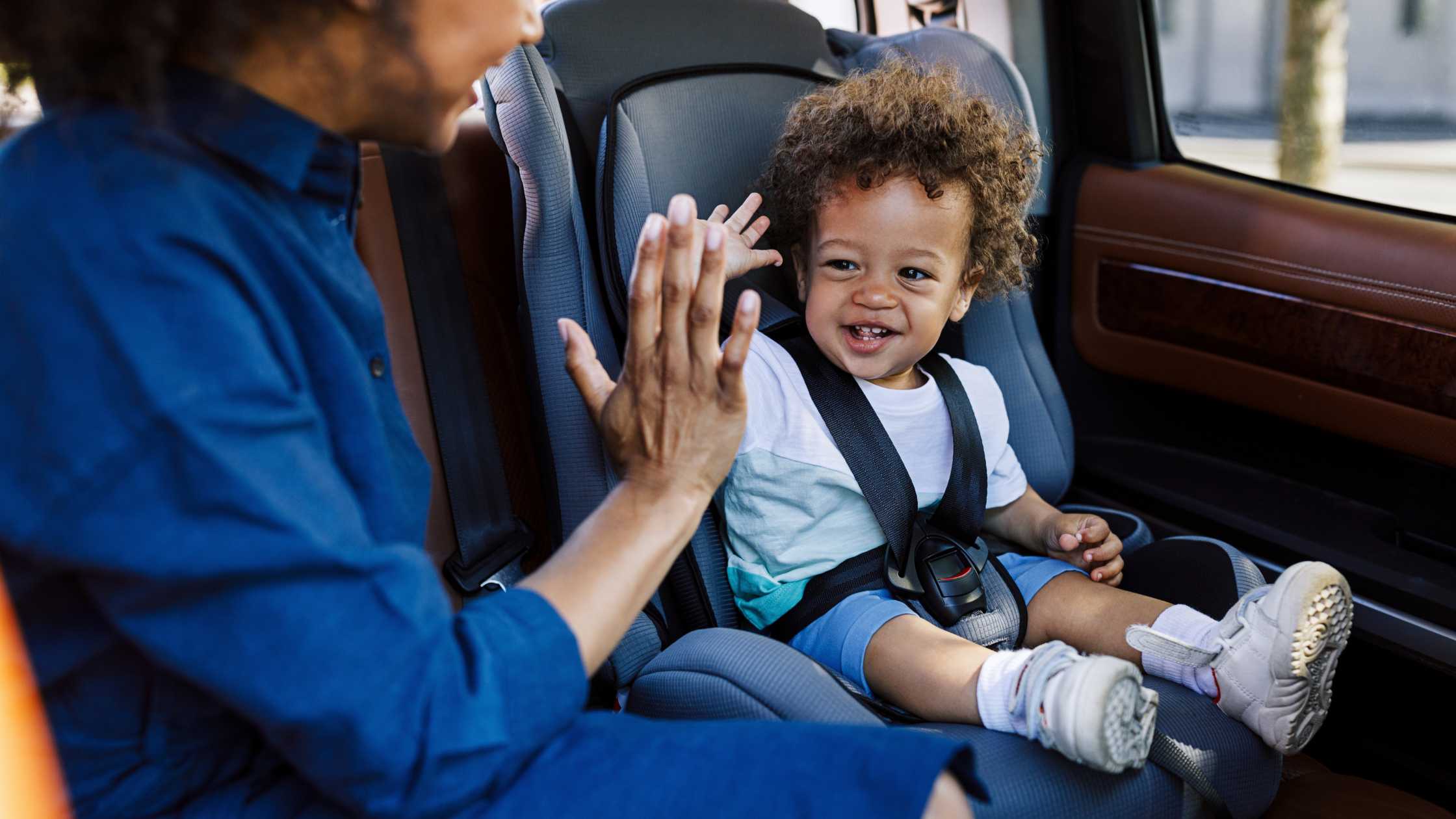
In a private car, a properly installed car seat is designed to distribute those forces, protect the head and neck, and prevent ejection. In a taxi, without that safety net, a child is significantly more vulnerable. The seatbelt, while useful for adults, is not designed for a child’s anatomy and can cause serious internal injuries if used alone. It’s like trying to build a sturdy Lego castle with just a few random bricks – it’s not going to hold up when the pressure is on.
And let’s not forget the 'what ifs'. What if there's a sudden stop? What if another vehicle cuts the taxi off? These are everyday occurrences on our roads, and while we hope for the best, we must always prepare for the worst. The peace of mind that comes with knowing your child is securely buckled into their own approved restraint is, frankly, priceless.
The Practicalities of Taxi Travel with Little Ones
Okay, so we've established the safety imperative. But how do we actually do this without turning a simple taxi ride into a logistical nightmare worthy of a Hollywood heist movie? It’s all about being prepared and making informed choices.
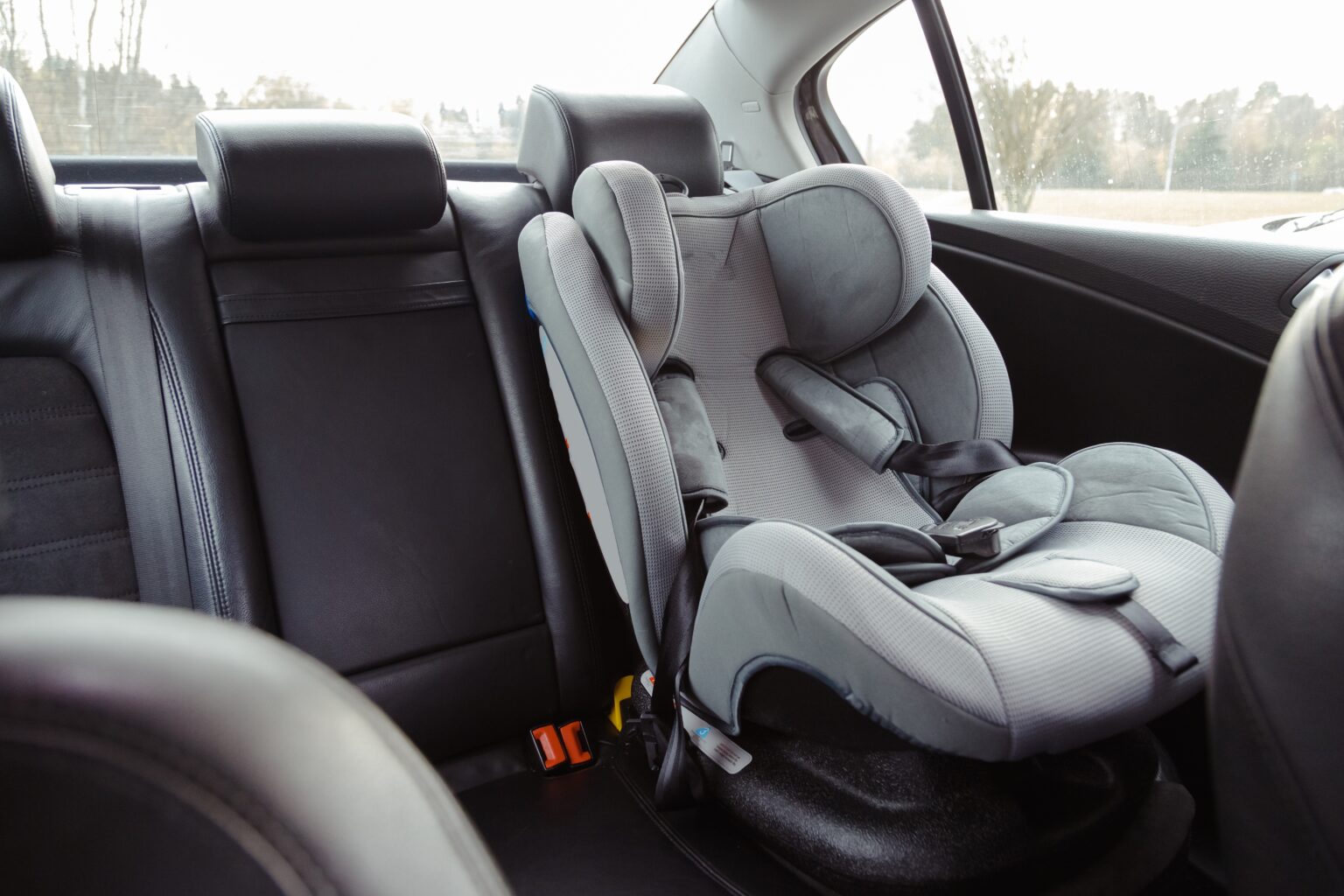
Tip 1: The Portable Powerhouse. Investing in a lightweight, easily portable car seat or booster seat is a game-changer. Think of it as your travel essential, alongside your passport and snacks. There are some fantastic options on the market that are designed for this very purpose. Some are as light as a large handbag and fold up neatly, making them easy to carry or stow in a larger bag. Brands like Clek (with their Liingo infant car seat and Foonf convertible seat) or even some travel-friendly booster seats can be lifesavers.

Tip 2: The Pre-Booked Security Blanket. If you’re in a city where pre-booking taxis is common, this is your golden ticket. When you book your taxi, specifically request a vehicle that can accommodate a car seat, or even better, ask if they have options available. Some taxi companies, especially those catering to families or airport transfers, are increasingly equipped for this. However, don’t just take their word for it – clarify what that means. Do they have a car seat, or do they have space for you to install yours?
Tip 3: The Ride-Sharing Revolution (with Caveats). Ride-sharing apps like Uber and Lyft often have options for families. Uber Family or Uber Kids, for example, might offer vehicles with pre-installed car seats in certain cities. However, always double-check the availability and the specific type of seat offered. The quality and installation of these seats can vary, so it's worth doing a quick visual inspection and ensuring it looks secure before your child gets in. Sometimes, it might still be best to bring your own.
Tip 4: The Last Resort (and how to make it safer). If you find yourself in a situation where you absolutely must take a taxi and don’t have your car seat with you, what can you do? This is where you have to be extra vigilant. Always ask the driver if they have a car seat available, even if you're not optimistic. If they don't, and you have a booster seat with you, try to install it yourself. If all you have is a standard seatbelt, ensure it fits correctly. The lap belt should be low across the hips (not the stomach), and the shoulder belt should go across the chest and shoulder, not across the neck or face. This is far from ideal, but it’s a compromise to consider in dire circumstances.
Fun Fact Alert! Did you know that the concept of the car seat actually dates back to the 1930s? Initially, they were designed to keep children forward-facing so parents could keep an eye on them, rather than for crash protection! It wasn't until the 1960s that serious efforts were made to develop car seats with safety in mind, evolving into the sophisticated restraints we have today. It’s a testament to how far we’ve come in prioritizing child safety.

Navigating Different Cultures and Cities
The taxi landscape can vary wildly from city to city and country to country. In some places, like Scandinavian cities, child safety in all vehicles is highly emphasized, and you might find that taxi services are more accommodating or even regulated to provide car seats. In other, more traditional or less regulated environments, the expectation might be entirely on the parent to provide their own.
When traveling abroad, it’s always wise to do a quick search for local taxi regulations and child safety laws before you arrive. A few minutes of research can save you a world of hassle and, more importantly, ensure your child’s safety. Look for parent forums, expat groups, or official tourism websites for reliable information.
Think of the iconic yellow cabs of New York City. While a quintessential part of the experience, they weren't always the most child-friendly. However, in recent years, there’s been a growing awareness and demand for family services, and some companies are adapting. The world is changing, and with it, our expectations for safe and inclusive transportation.
Cultural Nugget: In some cultures, the concept of extended family often plays a significant role. Grandparents, aunts, and uncles might be more involved in childcare. This can sometimes translate into how car seat usage is perceived or mandated within those communities and their transportation choices. It’s a reminder that safety isn't just about regulations; it’s also about cultural norms and evolving societal priorities.
The Bottom Line: Prioritizing Peace of Mind
So, back to our initial question: Do I need a car seat in a taxi? The legal answer might be a "no" for the driver in many cases, but the practical and ethical answer is a resounding "yes, if you can."
The journey from A to B in a taxi is a common experience, but for parents, it’s always overlaid with an extra layer of consideration for their little ones. While the law may offer exemptions, your child’s safety should never be compromised. The inconvenience of bringing your own car seat is a small price to pay for the immense peace of mind it offers. It’s about making informed decisions that prioritize your child’s well-being above all else.
It’s about shifting our mindset from "Do I have to?" to "What's the safest way?" Because ultimately, those moments we share in a taxi, whether it’s a quick school run or a longer journey, are part of the fabric of our family life. And we want those moments to be as safe and as worry-free as possible.
Reflection: We navigate so many everyday choices with our children, from what they eat to where they play. The car seat in a taxi, while seemingly a minor detail, is a potent symbol of this constant, loving vigilance. It’s about extending our protective bubble beyond the walls of our home and into the wider world, one secure buckle at a time. It’s a small act that speaks volumes about our commitment to their safety and our enduring love. And in a world that’s constantly on the move, that commitment is truly what matters most.