Difference Between Seminar And Lecture

Ever found yourself wondering about the subtle (or not-so-subtle!) differences between a lecture and a seminar? It's a question that might pop up if you're a student navigating college life, or even if you're just curious about how different kinds of learning environments work. Understanding this distinction isn't just about academic jargon; it’s about unlocking the best way for you to learn and engage with new ideas. Think of it like choosing between a grand concert with a solo virtuoso and a lively jam session with friends – both offer music, but the experience is wonderfully different!
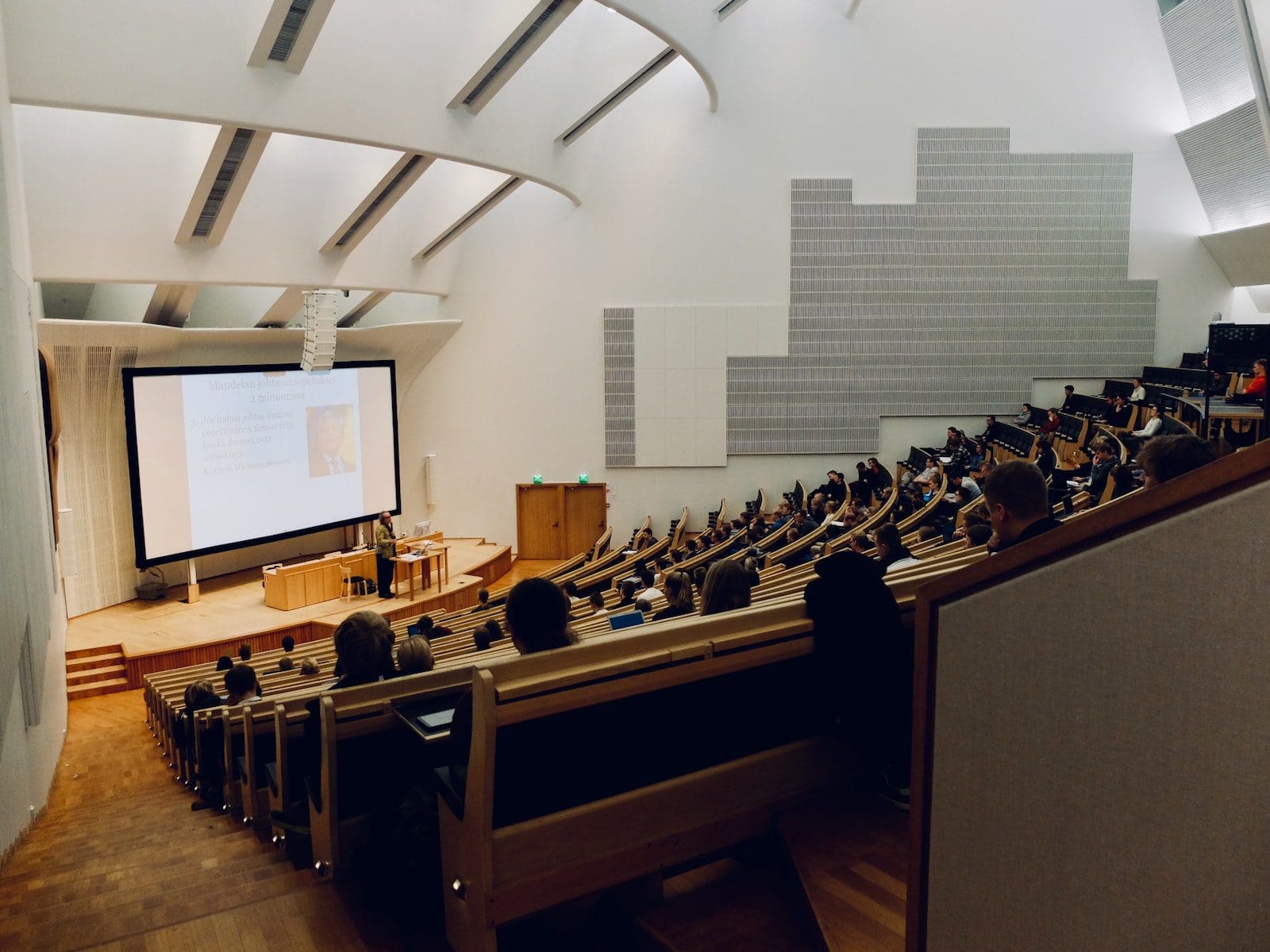
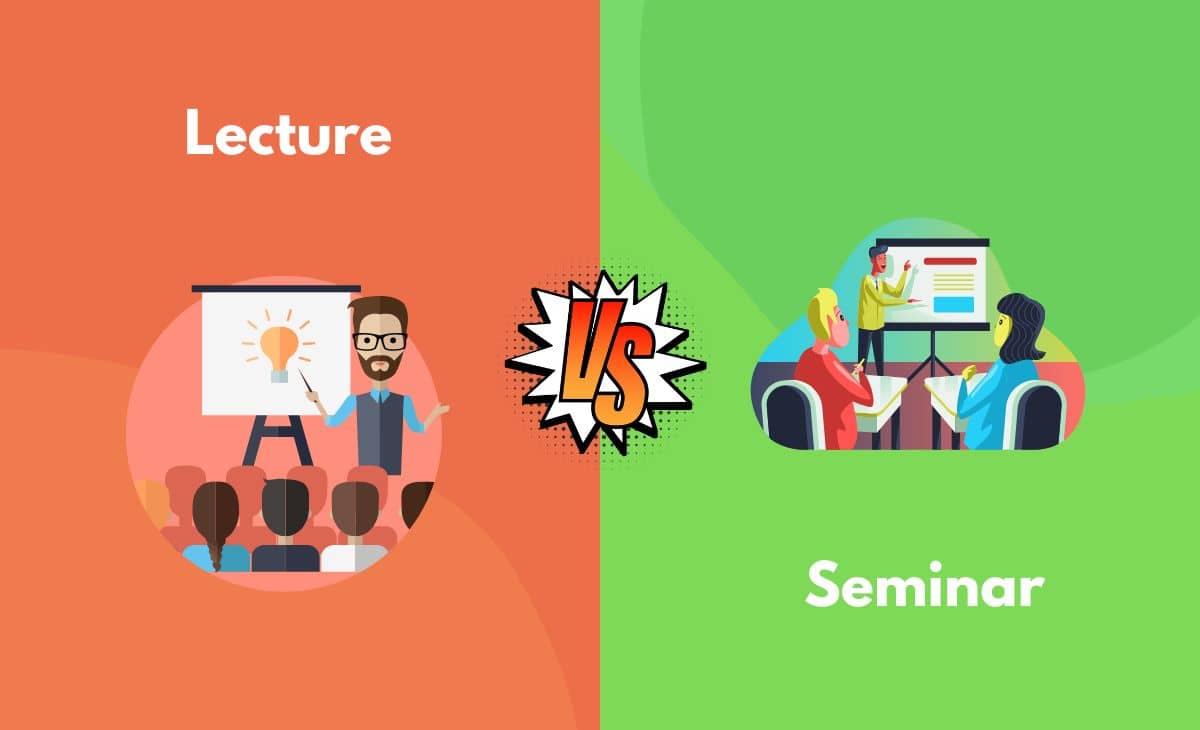
At its core, a lecture is primarily about the dissemination of information. Imagine a knowledgeable guide leading you through a fascinating landscape. The lecturer, the expert, stands at the front, sharing their insights, research, and key concepts with a group of listeners. The main goal is to efficiently cover a broad range of material, laying a foundational understanding for the audience. The benefit here is clear: you get a structured and comprehensive overview of a topic, delivered by someone who deeply understands it. It's a fantastic way to get acquainted with a new subject, absorb core theories, and absorb facts efficiently.
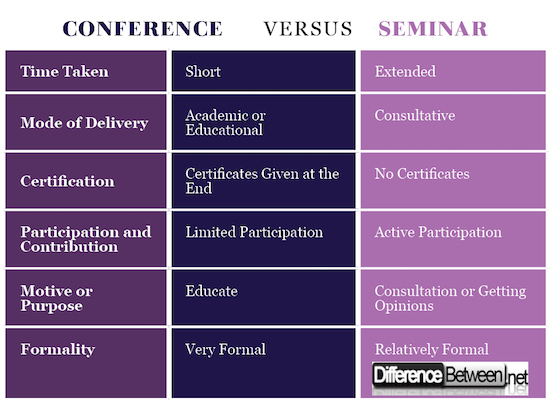
A seminar, on the other hand, is where the magic of interaction and deeper exploration truly happens. While a lecturer might present information, a seminar encourages active participation. Think of it as a guided discussion where everyone contributes. The focus shifts from one-way delivery to a more collaborative learning experience. Seminars are typically smaller, fostering an environment where questions are encouraged, ideas are debated, and participants can delve into specific aspects of a topic. The benefits are immense: you gain a deeper understanding through discussion, develop critical thinking skills by articulating your own thoughts, and learn from the diverse perspectives of your peers. It’s also an excellent way to build confidence in expressing your ideas.
Must Read
We see these formats everywhere. In universities, large introductory courses often rely on lectures to introduce concepts, while smaller, advanced classes might be seminars for in-depth discussion. Outside of academia, think about a TED Talk – that’s essentially a highly polished, short lecture. Now, imagine attending a workshop where you work in small groups to solve a problem or brainstorm solutions; that's much closer to the seminar spirit. Even in a book club, where members discuss themes, characters, and their interpretations, you're experiencing a form of seminar-style learning.
So, how can you playfully explore this difference yourself? If you're in a lecture setting, try to actively listen. Don't just passively absorb; jot down questions as they arise, even if you don't ask them immediately. After the lecture, consider how you might expand on a point that piqued your interest. For seminars, embrace the opportunity to speak up! Prepare a question or a thought beforehand. Don't be afraid to share your perspective, even if it feels a little unformed. The beauty of a seminar is that it's a safe space to explore and refine those nascent ideas. You might even find that the most insightful moments come from unexpected questions and discussions. Both lectures and seminars are powerful tools for learning, and understanding their unique strengths can help you become a more effective and engaged learner.