Diesel Particulate Filter How To Clean

So, your trusty chariot, the one that’s ferried you to countless adventures, from that spontaneous road trip to the grocery store run that felt like a quest – it might be whispering a little plea for some TLC. We're talking about your Diesel Particulate Filter, or DPF, for those in the know. Think of it as the unsung hero of your diesel engine’s respiratory system, tirelessly sifting out those pesky soot particles. But even superheroes need a little downtime, and sometimes, they need a good clean.
Forget the dread that might creep in. Cleaning your DPF doesn’t have to be a daunting, grease-covered ordeal. We’re going to break it down, make it approachable, and maybe even sprinkle in a bit of fun. Because let’s face it, a happy DPF means a happier, healthier engine, and that translates to a smoother ride and fewer headaches. Plus, who doesn't love a bit of DIY empowerment? It's like mastering that perfect sourdough starter, but for your car!
The DPF Whisperer: Understanding the Grime
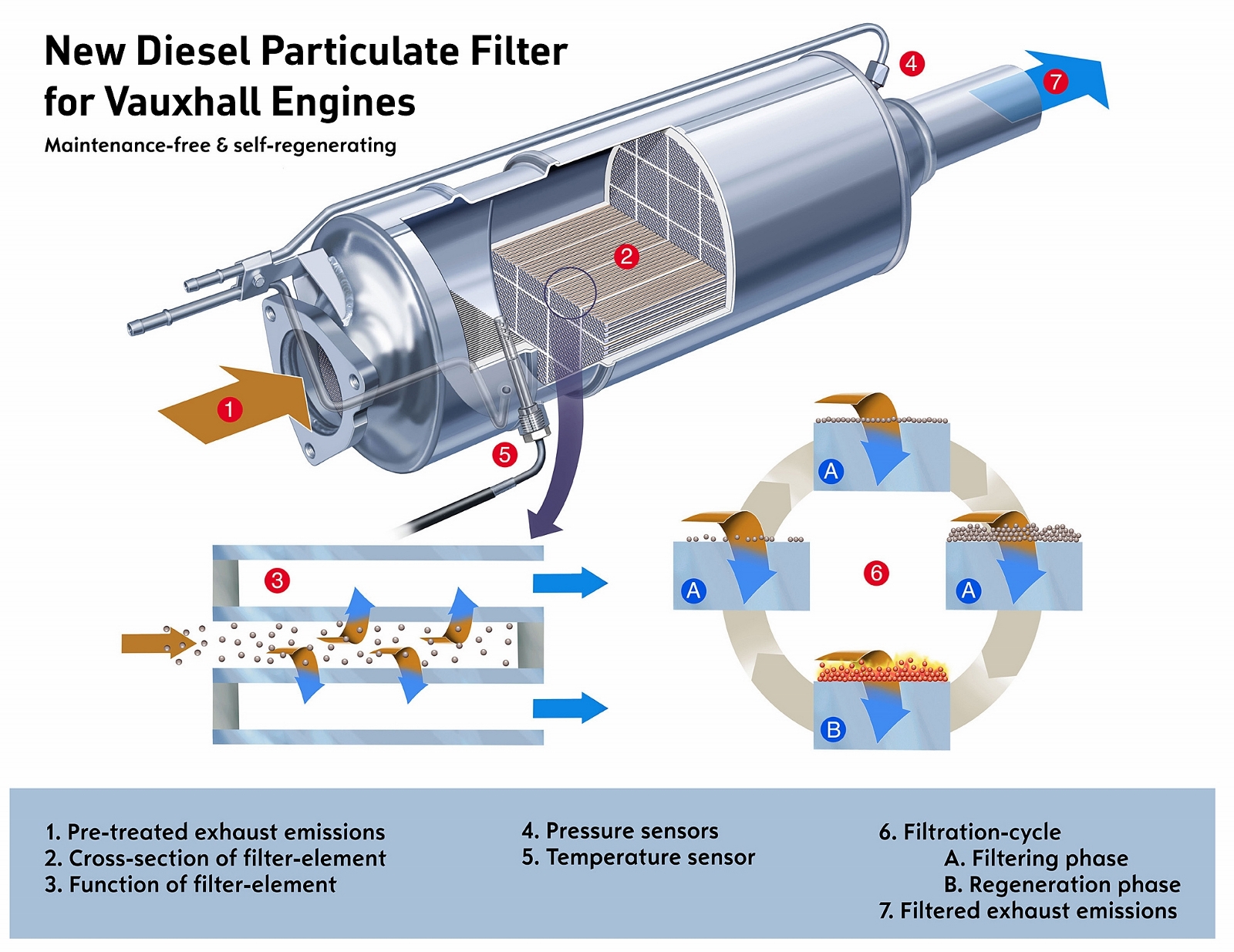
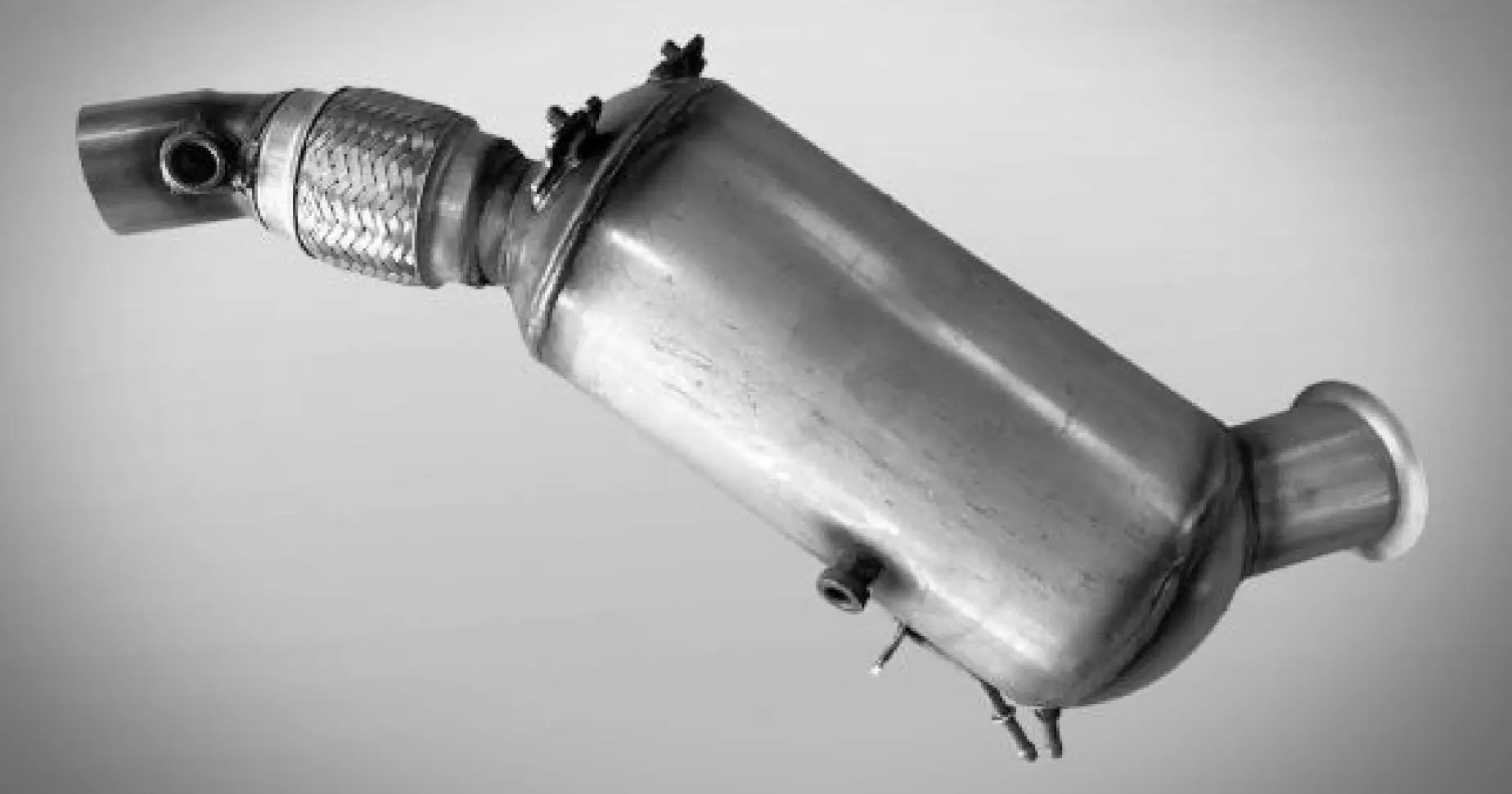
Before we dive into the nitty-gritty of cleaning, let’s get a feel for what our DPF friend is up against. Diesel engines, bless their powerful hearts, produce soot as a byproduct of combustion. It’s like the engine’s way of exhaling, but that exhale isn’t exactly fragrant. The DPF is a ceramic filter, often resembling a honeycomb structure, designed to trap these fine particles.
Must Read
Over time, this trapping process leads to a buildup. Think of it like a very busy café during rush hour – eventually, the tables get full, and things start to slow down. When your DPF gets too full of soot, it can’t do its job efficiently. This is when you might start noticing some… less-than-ideal symptoms.
Signs Your DPF Needs a Spa Day
How do you know if your DPF is feeling a bit congested? Your car, like a good friend, will often let you know. Keep an ear out for these subtle (and sometimes not-so-subtle) signals:
- The Glow of Warning: The most obvious sign is a glowing DPF warning light on your dashboard. Don't panic! This is usually a prompt to initiate a regeneration cycle, which we’ll get to.
- The Sluggish Sensation: Is your normally zippy diesel feeling a bit… lethargic? Reduced engine power or a general lack of acceleration can indicate a clogged filter. It's like trying to run a marathon after eating a giant burger.
- Fuel for Thought (Literally): You might notice your fuel economy taking a nosedive. When the DPF is struggling, the engine has to work harder, burning more fuel in the process.
- The Smell Test: Sometimes, a failing DPF can lead to a more pronounced exhaust smell. It’s not the best perfume, but it’s a clue!
- The Idling Issue: An engine that idles rougher than usual or seems to be struggling to stay running smoothly could also be a sign.
These are all indicators that your DPF is working overtime and might be ready for a little intervention. Remember, a little preventative care goes a long way, much like flossing your teeth – no one enjoys it, but it saves a lot of pain down the line!
Regeneration: The DPF's Self-Cleaning Act
The good news is, most modern diesel cars have a built-in self-cleaning mechanism for the DPF called regeneration. This is your car's automatic spa treatment. It’s designed to burn off the trapped soot at high temperatures, turning it back into ash.
There are two main types of regeneration:
Passive Regeneration: The Everyday Effort
This happens automatically during normal driving conditions, particularly when you’re cruising at higher speeds for extended periods. Think of those long highway drives – your DPF is essentially doing its own thing, keeping itself clean. It's like your body burning calories while you’re just walking around. Effortless and effective!
Active Regeneration: The Little Push
Sometimes, passive regeneration isn't enough. If you primarily do short trips or drive in stop-and-go traffic (we’re looking at you, urban commuters!), your DPF might not reach the temperatures needed for passive regeneration. In these cases, your car's engine management system will trigger an active regeneration. You might notice this as:
- The engine revving a little higher than usual at idle.
- A slight increase in fuel consumption temporarily.
- A different smell from the exhaust.
- The cooling fan kicking in more frequently.
This is your car saying, "Hey, I'm working on clearing things out!" The best thing you can do when you suspect an active regeneration is happening is to try and keep driving for at least 15-20 minutes, ideally at a steady speed. This gives the process a chance to complete. Think of it as letting your friend finish their story before you interrupt.
When Regeneration Isn't Enough: Manual Cleaning Methods
Now, what happens when regeneration cycles aren't completing successfully, or if your DPF is particularly stubborn? This is when you might need to consider a more hands-on approach. Don’t worry, it’s not as dramatic as performing open-heart surgery on your engine. We’re talking about a few accessible methods.
The "Long Drive" Therapy
This is the most accessible and often effective method for many drivers. If your DPF light is on, and you haven't been doing a lot of long, steady drives, your first port of call should be just that: a long drive. Aim for at least 30-45 minutes on a motorway or A-road where you can maintain a consistent speed above 50 mph. This gives the engine ample opportunity to reach the temperatures required for active regeneration. It’s like sending your friend on a much-needed vacation to recharge their batteries.

Pro Tip: Make sure your engine is fully warmed up before you start your long drive. And, try to avoid unnecessary idling. The more consistent the driving, the better the chance of a successful regeneration.
DPF Cleaning Additives: The Chemical Boost
For those who want a little extra help, there are DPF cleaning additives available. These are liquid solutions you add to your fuel tank. They work by lowering the ignition point of the soot, making it easier for it to burn off during the regeneration process. Think of it as giving your DPF a special dietary supplement.
How to Use: Follow the instructions on the product carefully. Typically, you'll pour the additive into your fuel tank when it’s about half full, and then drive your car as you normally would. Some products recommend specific driving conditions after adding the cleaner.
Things to Consider: While these additives can be effective, they are not a magic bullet. They work best when used as a preventative measure or when the DPF is only mildly clogged. If your DPF light is flashing, or you're experiencing significant performance issues, a simple additive might not be enough.
Cultural Nod: These additives are a bit like the herbal teas and supplements you might find in a health food store – offering a natural-ish way to support your body (or your car's DPF) in doing its job. Just make sure you’re choosing reputable brands!
Professional DPF Cleaning: When You Need a Specialist
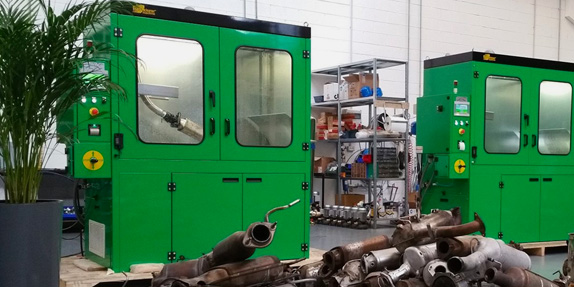
If the simpler methods haven’t worked, or if your DPF is heavily clogged, it might be time to call in the professionals. Mechanics have specialized equipment and chemicals designed for a deep clean of the DPF. This often involves removing the DPF from your vehicle and subjecting it to a thorough cleaning process.
There are a few ways professionals tackle this:
- Ultrasonic Cleaning: This method uses high-frequency sound waves in a cleaning solution to break down and dislodge soot and ash. It's like sending your DPF to a high-tech spa with a deep-tissue massage.
- Baking/Oven Cleaning: The DPF is placed in a special oven at controlled temperatures to burn off the accumulated soot and ash.
- Chemical Flushing: Specialized cleaning solutions are pumped through the DPF to dissolve stubborn deposits.
When to Consider: If you've tried the DIY methods and the warning lights persist, or if your car is showing significant signs of DPF blockage, a professional clean is likely your best bet. It might seem more expensive upfront, but it can save you from much larger repair bills down the line. Think of it as an investment in your car's long-term health.
Fun Fact: Some older methods of cleaning involved simply removing the DPF and blasting it with compressed air. While it might have seemed effective, this could damage the delicate filter structure. Modern professional methods are far more sophisticated and gentle.
DPF Deactivation: A Risky Business
You might hear whispers about DPF deactivation or removal. This is where the DPF is physically removed from the exhaust system, and the car’s software is modified to ignore it. While this might sound like a tempting shortcut to avoid future DPF issues, we strongly advise against it.

Here’s why:
- It's Illegal: In most countries, removing or deactivating emissions control systems like the DPF is illegal and carries hefty fines. Your car will also likely fail its emissions tests.
- Environmental Impact: DPFs are crucial for reducing harmful particulate matter in the air. Removing them contributes to air pollution, which affects everyone.
- Engine Damage: Modern diesel engines are designed with the DPF in mind. Removing it can disrupt the engine’s balance and potentially lead to other, more serious, mechanical issues.
- Voided Warranty: Any warranty you have on your vehicle will almost certainly be voided if you tamper with the DPF system.
Think of it this way: it's like deciding to stop breathing because you don't like the air. It might seem like a solution, but the long-term consequences are far more severe. Stick to the clean and legal routes!
Preventative Maintenance: The Best Defense
The best way to avoid DPF dramas is to be proactive. A little bit of foresight can save you a lot of hassle and money. Here are some key habits to adopt:
- Embrace the Open Road: If you’re a short-trip warrior, try to incorporate a longer, steady drive into your routine at least once a week. Even a 30-minute cruise on the highway can make a world of difference.
- Avoid Excessive Idling: While sometimes unavoidable, try to minimize prolonged idling. Every minute your engine is running without generating enough heat for regeneration is a missed opportunity.
- Use Quality Fuel: Using good quality diesel fuel can help minimize the amount of soot produced by your engine in the first place.
- Listen to Your Car: Pay attention to those dashboard warnings. Don’t ignore the DPF light; address it promptly.
- Regular Servicing: Ensure your car receives regular maintenance according to the manufacturer’s schedule. A well-maintained engine is less likely to cause DPF problems.
It’s a bit like maintaining a healthy lifestyle – a balanced diet, regular exercise, and listening to your body’s signals. Your car’s DPF is no different.
A Reflection on the DPF and Our Daily Grind
It’s funny how something as seemingly technical as a Diesel Particulate Filter can mirror our own lives, isn’t it? We all have our own internal "filters" that process the daily onslaught of information, experiences, and even the occasional bit of emotional grime. Sometimes, we need to consciously engage in activities that help us "regenerate" – a long walk, a good book, a deep conversation with a friend. Just like our cars, if we push too hard without allowing for these moments of cleansing and reset, we can start to feel sluggish, less efficient, and maybe even a little… congested.
Ignoring the warning lights in our own lives – the fatigue, the stress, the lack of joy – can lead to bigger problems down the line. So, the next time you're out for that invigorating drive, clearing the DPF, perhaps take a moment to consider what your own personal "DPF" needs. Are you giving yourself the space to regenerate? Are you listening to the subtle whispers before they turn into a flashing warning? Because ultimately, a well-functioning DPF means a cleaner exhaust, and in our lives, a cleaner spirit means a more enjoyable journey. Now, go enjoy that smooth ride!