Can You Walk On A Broken Fibula

Hey there, my friend! So, you've landed yourself in a bit of a pickle, huh? Maybe you took a tumble, or perhaps a rogue frisbee met your shin with unexpected enthusiasm. Whatever the reason, the word "broken fibula" is probably swirling around your head like a confused pigeon. And the big question on your mind, the one that’s probably keeping you up at night (besides the throbbing, of course), is: "Can I actually walk on this thing?" Let's dive into this, shall we? Grab a comfy seat, maybe prop that injured leg up, and let's have a little chat about your fibula woes.
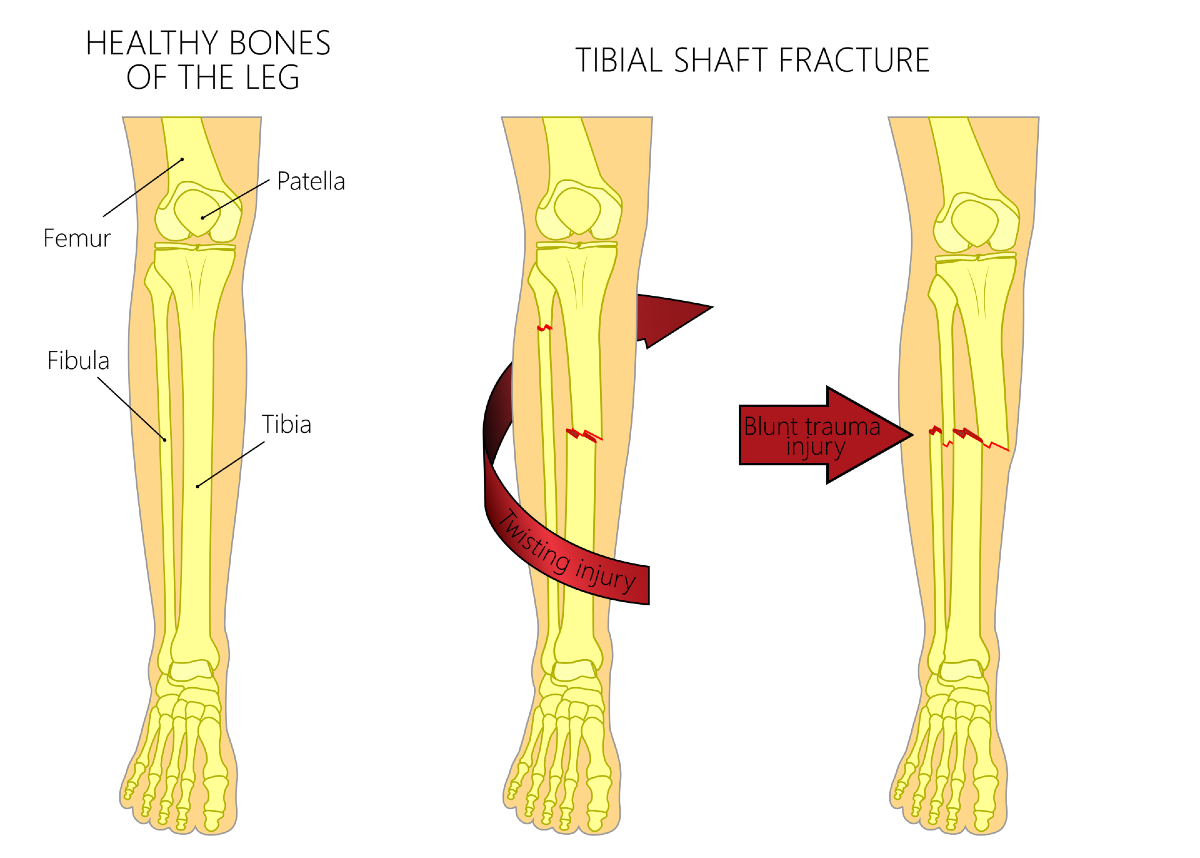
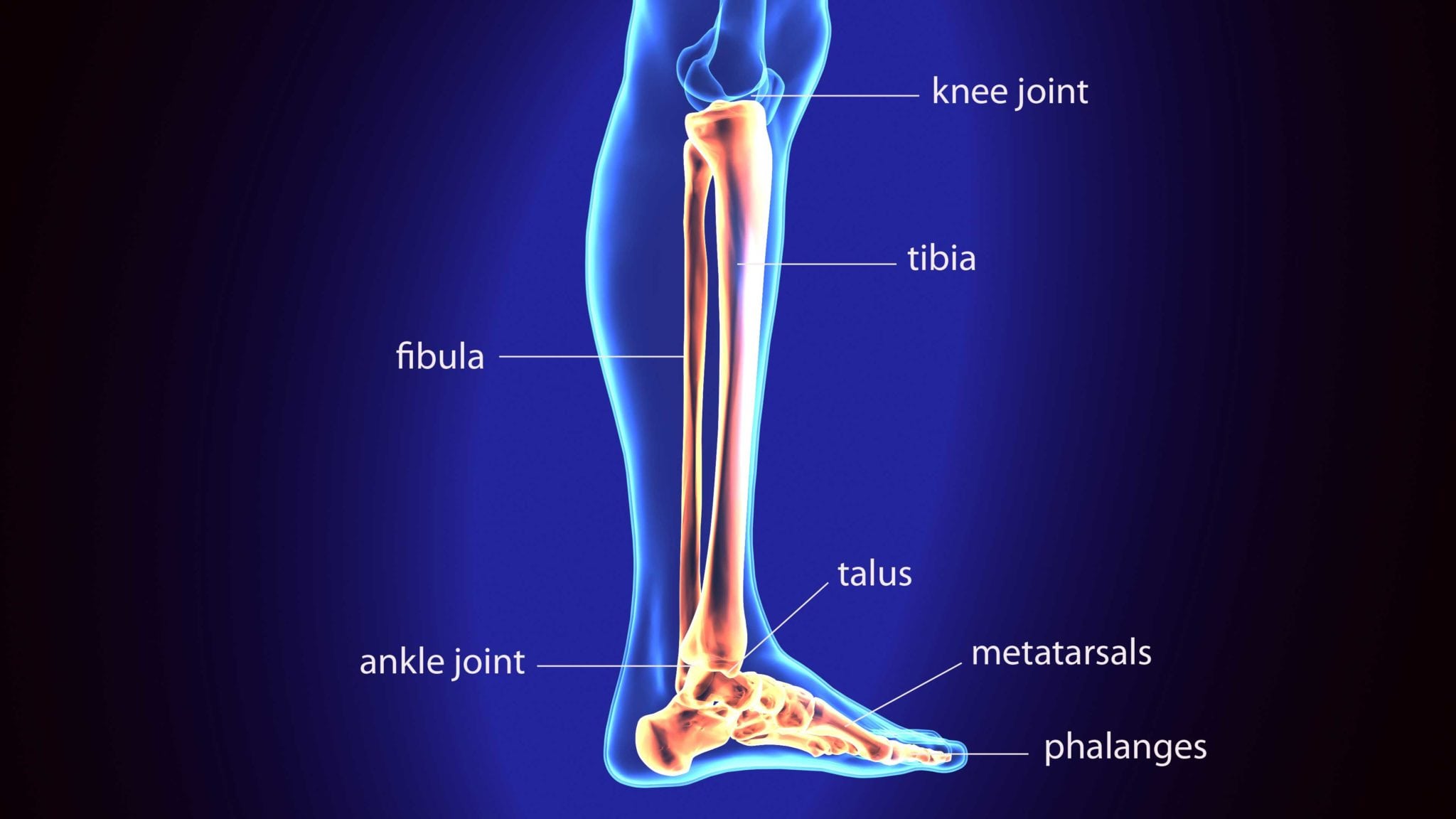
First off, let's get this out of the way: A broken fibula is no joke. It's a bone, and when bones decide to do their own thing, it's usually not a good sign. Your fibula is the thinner of the two bones in your lower leg, the one on the outside. Think of it as the supportive sidekick to your mighty tibia (the bigger, more famous shin bone). While it might be the understudy, it plays a crucial role in keeping your ankle stable and your leg strong. So, when it's compromised, it definitely lets you know.
Now, about walking. The short, sweet, and honest answer is: it's complicated, and usually, the answer is a resounding "NOPE!". Imagine trying to drive a car with a wobbly wheel. It's not going to be a smooth ride, and you’re probably going to do more damage. That's kind of what walking on a broken fibula is like. Your body is pretty darn smart, and if you try to put weight on a bone that's decided to go its separate way, it’s going to scream at you. Pain is your body's way of saying, "Hey, buddy, stop what you're doing before this gets way worse!"
Must Read
The severity of your break plays a massive role. We're talking about a spectrum here, folks. It's not just a "broken" or "not broken" situation. Think of it like your favorite shirt: some have a tiny snag, while others are practically shredded. A hairline fracture, for instance, might be a tiny crack that you might think you can walk on, especially if it’s not weight-bearing. It’ll be sore, definitely, but maybe not enough to send you into immediate fetal position. Your doctor will likely tell you to take it easy, maybe use crutches for a bit, but full-on hobbling might be possible for short distances.
On the other hand, we have the displaced fractures. This is where the bone pieces have actually shifted out of alignment. Think of it like a puzzle where some pieces have gone on vacation. In these cases, walking is a big fat no-no. The bone fragments are unstable, and putting any pressure on them could lead to further damage, nerve injury, or even that dreaded infection. So, if your fibula has decided to play Jenga with itself, you'll be looking at crutches, casts, or even surgery. And trust me, nobody looks cooler than they think they do on crutches, but hey, it’s for your own good!
Then there are the compound or open fractures. These are the most serious, where the bone has actually pierced the skin. Yeah, I know, ouch. In this scenario, walking is absolutely out of the question. Your priority shifts from "can I walk?" to "how do I prevent this from turning into a zombie apocalypse situation for my leg?". Infection is a huge risk here, and immediate medical attention is crucial. So, no Instagram selfies with your exposed bone, okay? Leave that to the professionals.

What Your Doctor Will Be Looking For
When you hobble (or, more likely, get wheeled) into the doctor's office, they're going to be doing a few things. First, they'll ask you a whole bunch of questions. "How did it happen?", "Where does it hurt the most?", "Can you wiggle your toes?" These all give them clues. Then comes the good old physical examination. They'll poke, prod, and probably make you wince a bit. It's all in the name of science, my friend!
The real MVP here is the X-ray. This is your magic window into the bone world. The X-ray will show them exactly where the break is, how bad it is, and whether the pieces have moved. Sometimes, they might even need an MRI or a CT scan for a more detailed look, especially if they suspect damage to the surrounding ligaments or nerves. It's like getting a high-definition movie of your bone drama.
So, Can You Actually Walk? The Verdict!
Let's get back to the million-dollar question. Generally speaking, if you have a confirmed broken fibula, walking on it is going to be incredibly painful and detrimental to your healing process. Your body is trying to tell you something, and ignoring it is like trying to ignore a smoke alarm. It’s just going to get louder and more annoying.
You might hear stories of people who "walked it off." And yes, in some very, very minor hairline fractures where the fibula isn't a major weight-bearing bone for your specific gait, you might be able to put some weight on it. But it's a risky game. You're essentially gambling with your recovery time and the potential for complications. Is a few tentative steps worth a months-long setback? Probably not.
The best course of action, every single time, is to listen to your medical professional. They are the bone whisperers, the ligament gurus, the fracture fanatics. They have the knowledge and the tools to get you back on your feet, literally.
What to Expect When You Can't Walk
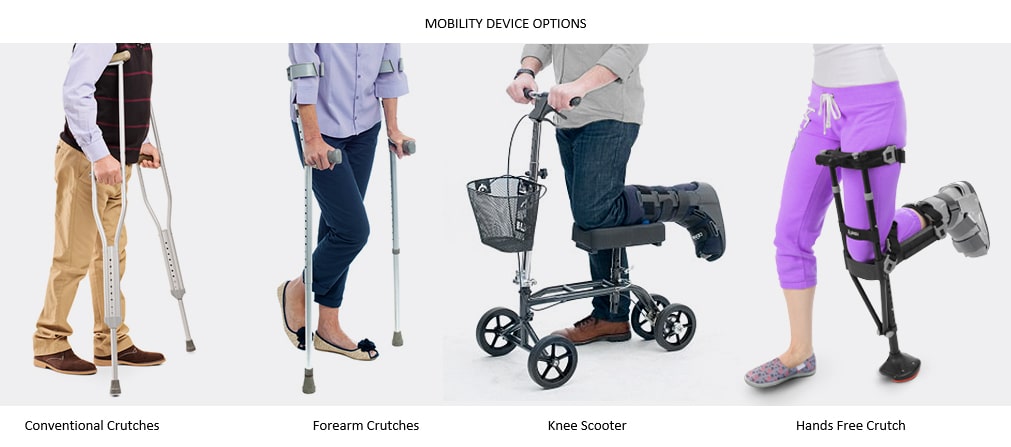
So, you're not walking. What now? Well, get ready for the glorious world of crutches! They’re not exactly the most stylish accessory, but they are your new best friends. They'll keep that weight off your precious fibula and allow it to start its mending process. You'll become a pro at navigating doorways and mastering the art of the parallel park (with your crutches, of course).
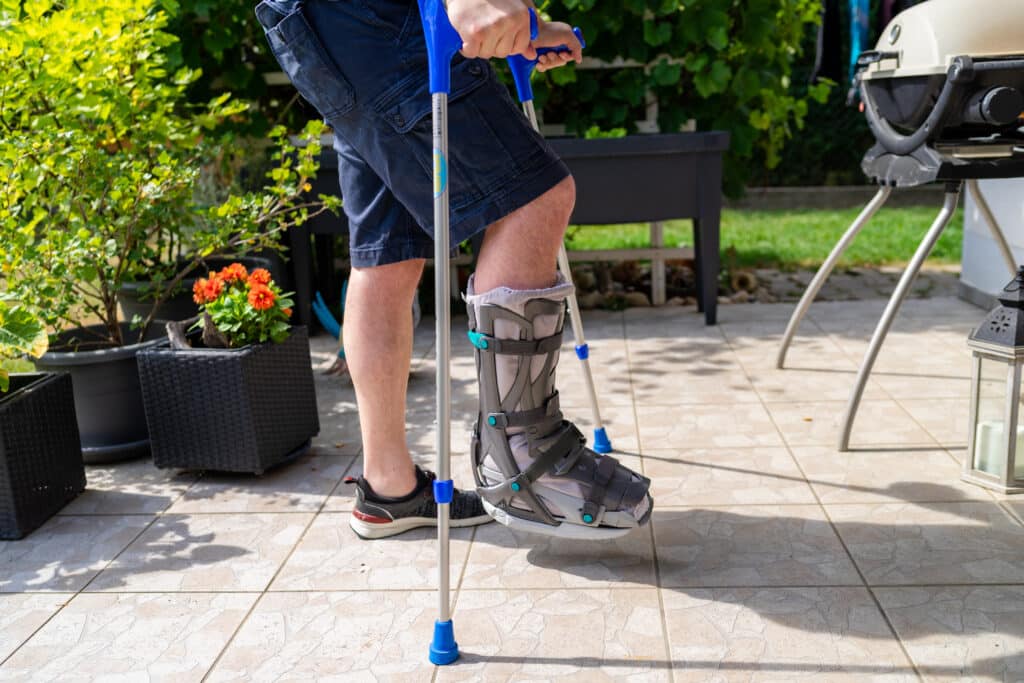
Depending on the severity, you might also end up in a cast or a walking boot. These are designed to immobilize the area, preventing any accidental jostling of your healing bone. Think of it as a cozy, protective sleeping bag for your lower leg. It might feel a bit cumbersome, and you might miss the feeling of sand between your toes (or, you know, just walking), but it’s all part of the journey.

For more severe breaks, surgery might be on the table. This is where your doctor will realign the bone fragments and secure them with plates, screws, or pins. It sounds dramatic, and it is, but it's often the most effective way to ensure a proper and strong recovery. After surgery, you’ll likely be on crutches and in a boot for a good while.
The Road to Recovery: It's a Marathon, Not a Sprint!
Healing a broken fibula takes time. And I mean, real time. We’re talking weeks, often months. During this period, patience is your superpower. You'll have follow-up appointments, X-rays to check on your progress, and eventually, physical therapy.
Ah, physical therapy! This is where the magic really happens. Your physical therapist will be your guide back to mobility. They'll have you doing exercises to regain strength, flexibility, and balance. It might be tough, and you might feel a bit like a newborn giraffe at first, but trust me, it's all worth it. They'll help you learn to walk again, first with crutches, then maybe with a cane, and eventually, without any assistance at all. It's a gradual process, and celebrating those small victories (like taking your first unassisted steps across the room) is key!
Nutrition also plays a role. Make sure you're getting enough calcium and Vitamin D. Think of it as providing the building blocks for your bone to knit itself back together. And stay hydrated! Even your bones need a good drink.
Don't push it. This is probably the most important piece of advice. If something hurts, stop. Your body is your best indicator. Trying to do too much too soon is the quickest way to reinjury yourself and set back your recovery significantly. Embrace the downtime. Catch up on that TV series you’ve been meaning to watch, read that pile of books, learn a new skill online. Your leg might be on pause, but your brain doesn't have to be!
Embrace the Adventure (Even the Crutchy Ones!)
Look, breaking a bone is never ideal. It's an inconvenience, a pain in the… well, leg, and a definite disruption to your life. But here’s the thing: you are stronger than you think. Your body has an incredible ability to heal. And while you might not be doing any marathon running or spontaneous dance parties anytime soon, you will walk again. You will get back to doing the things you love.
Think of this as an unexpected detour on the road of life. It's a chance to slow down, to appreciate the things you might have taken for granted, and to discover a new level of resilience within yourself. And when you finally ditch those crutches and feel the ground beneath your feet once more, you’ll do it with a newfound appreciation and a smile that’s as bright as your newly healed fibula.
So, chin up, my friend! This is just a chapter, not the whole story. You’ve got this. And hey, at least you’ve got a fantastic excuse to ask for extra help and maybe even get waited on hand and foot for a bit. Consider it a temporary spa treatment for your leg. You’ll be back to conquering the world, one step at a time, sooner than you think. And when you are, remember this little wobble you’re going through now, and give yourself a little pat on the back (or a high-five, if you can reach). You've earned it!