Can You Put Dettol In A Bath

Ah, the humble bath. For some, it’s a rushed affair, a quick splash to get ready for the day. For others, it’s a sacred ritual, a moment of pure, unadulterated bliss. We’re talking about sinking into warm water, perhaps with a good book, a glass of something bubbly, and a general air of letting the world melt away. But what about elevating that experience? What about adding a little something extra to make it, dare we say, sparkle? This brings us to a question that might have popped into your head while staring at that familiar brown bottle on your bathroom shelf: Can you put Dettol in a bath?
Let’s dive right in, shall we? The short answer, and for many, the most important one, is: yes, but with caution and understanding. It’s not quite as simple as just tipping a generous glug into your bubbly paradise. Think of it like adding a pinch of spice to a recipe – too much, and you’ve got an overpowering flavour. Too little, and you miss the subtle magic. Dettol, as many of us know, is primarily known as a disinfectant. Its active ingredients, like chloroxylenol, are brilliant at zapping germs. So, the idea of a germ-free bath might sound appealing, especially after a particularly grubby day. But is a full-blown, sterilising bath the vibe we’re going for?
The original Dettol liquid, the one that smells so… distinctive (you know the scent, right? It’s practically a childhood memory for many of us in the UK and beyond!), is quite potent. It's designed for cleaning surfaces, cuts, and for general household disinfection. Putting a large amount into your bath water means you're essentially bathing in a diluted disinfectant. While it might kill some lingering bacteria on your skin, it can also be a tad harsh. We're talking about your skin, your largest organ! It’s a delicate ecosystem, and bombarding it with strong chemicals isn't always the best approach for a relaxing soak.
Must Read
The Skin Deep on Dettol Baths
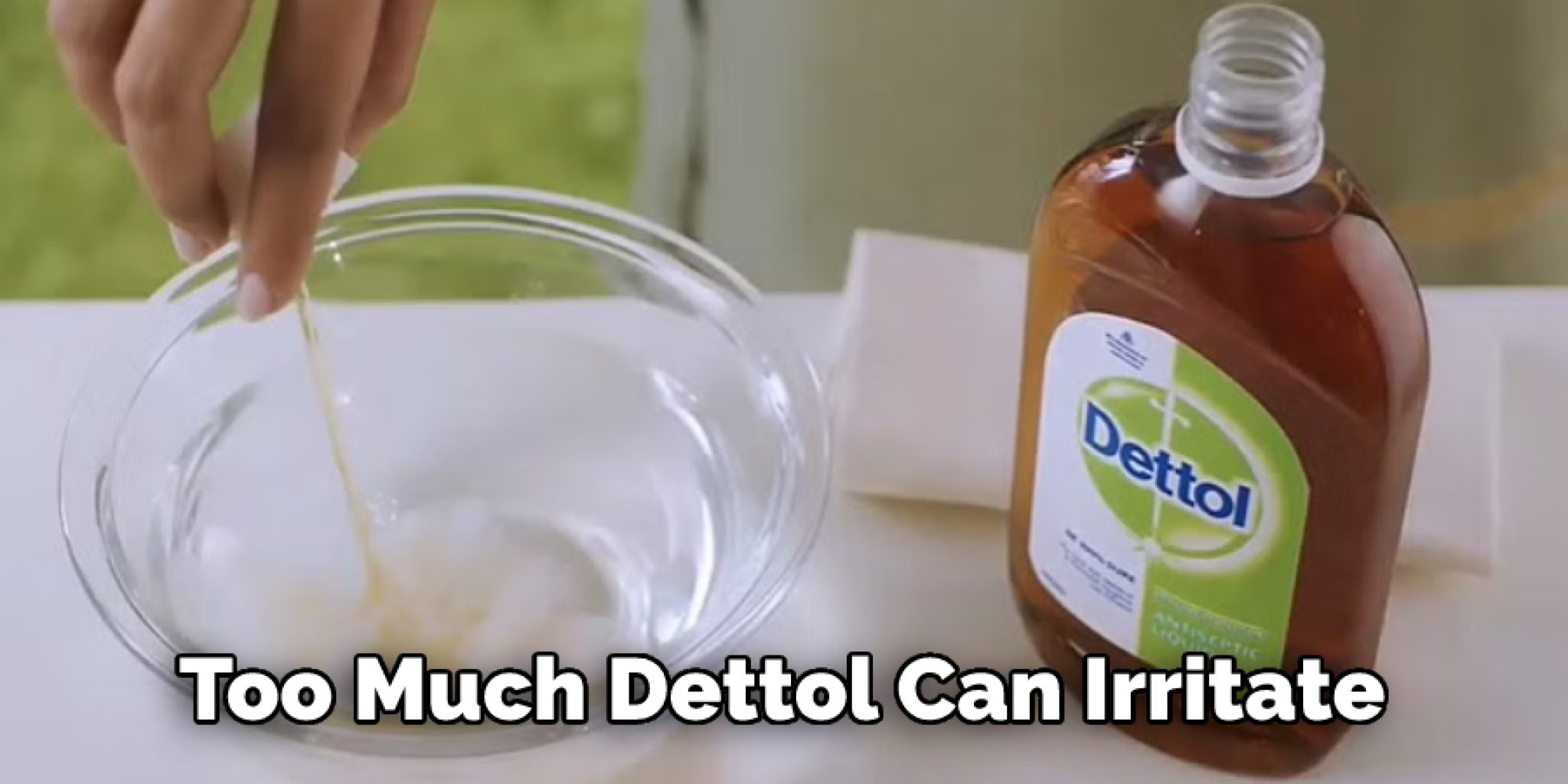
So, what are the potential downsides of a Dettol bath? Well, for starters, skin irritation is a real possibility. If you have sensitive skin, eczema, or any other skin condition, introducing Dettol could lead to redness, itching, or even a rash. It’s a bit like using a powerful cleaning spray directly on your face – not the most soothing. Even for those with robust skin, prolonged exposure to concentrated Dettol in bath water could potentially strip away some of your skin’s natural oils, leaving it feeling dry and tight.
And then there's the smell. While some find the Dettol aroma comforting, reminiscent of antiseptic and cleanliness, others find it rather overpowering for a relaxing bath. Imagine trying to unwind with the scent of a hospital ward wafting through your bathroom – not exactly a spa day, is it? It’s a smell that’s strongly associated with cleaning, not necessarily with pampering.
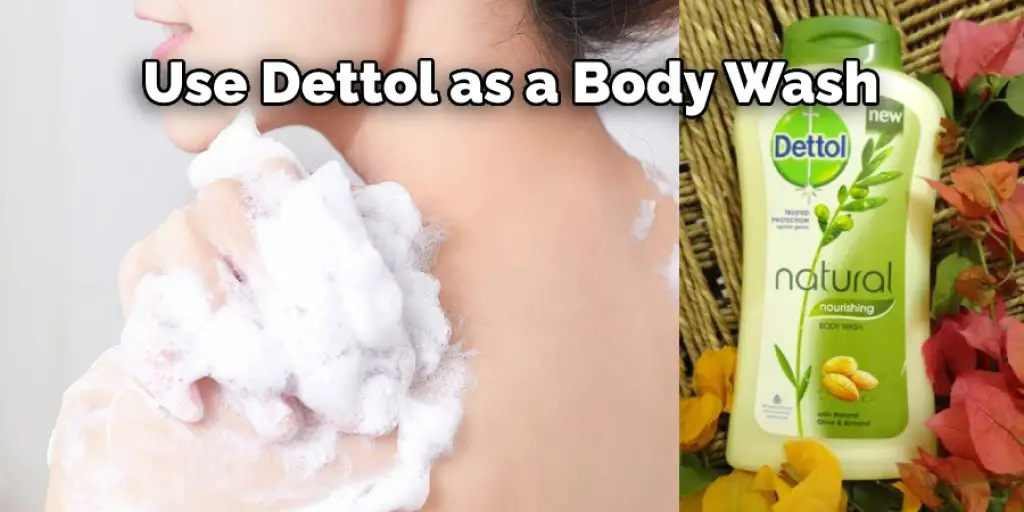
However, it's not all doom and gloom! Dettol has branched out, and you’ll find a range of products now. This is where things get a bit more interesting and, dare I say, potentially more bath-friendly. Have you seen those lovely Dettol soaps or shower gels? They often contain Dettol’s germ-fighting power but are formulated for direct skin contact. They’re designed to be gentle while still offering that reassuring clean feeling. These are generally a much safer bet for your daily ablutions.
Dettol for a 'Deep Clean' Bath: The Nuances
If you’re specifically considering the original Dettol liquid for a supposed 'deep clean' bath, perhaps after a bout of illness or a particularly messy activity (mud wrestling with the kids, anyone?), there are better, gentler ways to achieve a similar result. The idea of a sterilising bath sounds appealing on paper, but in practice, it can be overkill and even detrimental. Our bodies are pretty good at fending off everyday germs, and a healthy microbiome is actually beneficial.

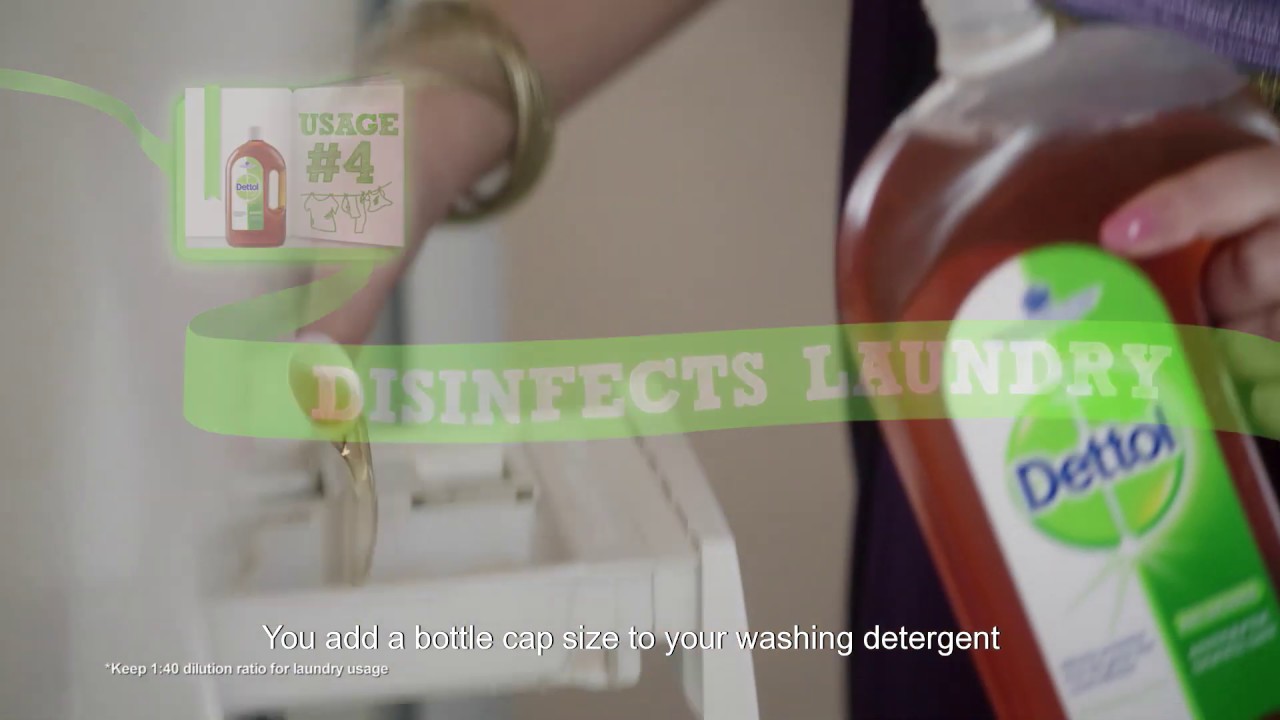
Think of it this way: when you have a cut, you might use a small amount of Dettol to clean it, but you wouldn't submerge the entire wound in pure Dettol for an hour. The principle applies to your bath. If you absolutely feel the need to use the original Dettol liquid in your bath water, the key is extreme dilution. We're talking a few drops, maybe half a teaspoon at most, in a full bath. This is more about a subtle antimicrobial effect rather than a sterilising blast. And even then, always do a patch test on your skin first if you're unsure. A little dab on your inner elbow for a few minutes can tell you a lot about how your skin might react.
The general consensus from dermatologists and skincare experts is to avoid using strong disinfectants like undiluted or heavily diluted original Dettol liquid in bath water. Instead, focus on products formulated for skincare. If you’re worried about germs, a good soap or body wash designed for the skin will do a far better job of keeping you clean without causing irritation.
Alternatives for a Spa-Worthy Soak
So, if the original Dettol liquid is off the table for your blissful bath, what can you add to make it truly special and perhaps even a little bit beneficial? The world of bath additives is vast and wonderful!
Epsom Salts: These are a classic for a reason. Epsom salts (magnesium sulfate) are known for their muscle-relaxing properties. After a tough workout or a long day of standing, a bath with Epsom salts can be wonderfully soothing. They can also help to draw out toxins and reduce inflammation. Plus, they dissolve completely, leaving no residue. A true bath time hero.
Essential Oils: Ah, the aromatherapy game. A few drops of lavender oil can promote relaxation and sleep. Chamomile is also incredibly calming. If you need a pick-me-up, try some citrus oils like lemon or bergamot. Just be sure to mix essential oils with a carrier oil (like jojoba or almond oil) or some Epsom salts before adding them to the bath. They don't mix well with water on their own and can leave an oily residue.
Baking Soda: Believe it or not, baking soda can be a fantastic addition to your bath. It can help to soften your skin, soothe irritation, and even act as a mild deodoriser. It’s particularly good for sensitive skin and can help to balance the skin’s pH. A half-cup to a full cup in your bath is usually sufficient.
Bath Bombs and Bubbles: These are the fun ones! While some can be loaded with artificial fragrances and colourants, many are made with skin-loving ingredients like shea butter, essential oils, and natural colourants. They transform your bath into a sensory experience. Just read the ingredients list to make sure they align with your comfort levels.
Milk Baths: A celebrity favourite, milk baths have been used for centuries (think Cleopatra!). The lactic acid in milk can gently exfoliate the skin, leaving it feeling incredibly soft and smooth. You can use whole milk, buttermilk, or even powdered milk. Just add a couple of cups to your warm bath water. It’s a luxurious treat.
Oatmeal Baths: Colloidal oatmeal is a godsend for itchy, irritated skin. It’s incredibly soothing and can help to relieve the discomfort of conditions like eczema and psoriasis. You can buy colloidal oatmeal specifically for baths or make your own by finely grinding plain rolled oats in a blender. Add about a cup to your bath.
Dettol in Different Forms: What’s the Deal?
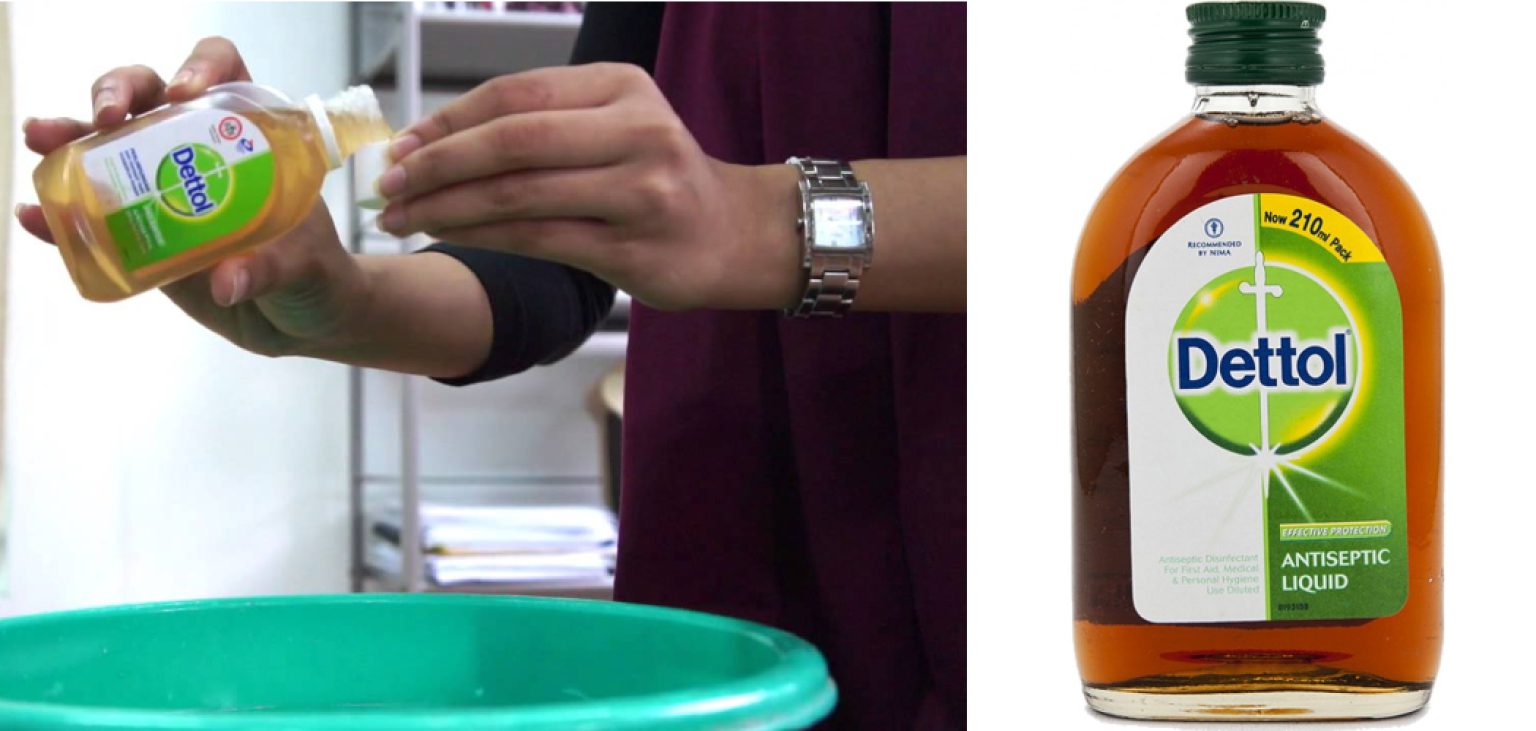
Let's circle back to Dettol and its various forms. As mentioned, the Dettol liquid disinfectant is the one that requires the most caution for bath use. Its primary purpose is surface disinfection and cleaning wounds, not prolonged skin immersion.
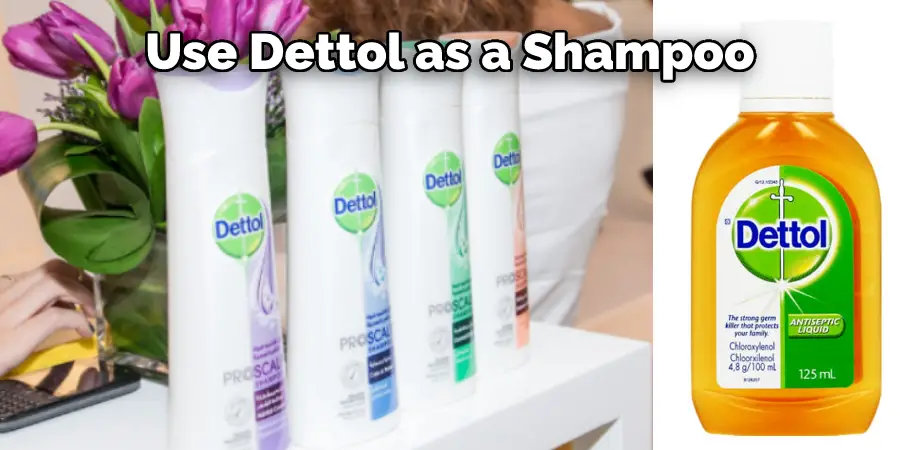
However, Dettol has expanded its range significantly. You’ll find products like:
- Dettol Antibacterial Soap Bars and Body Washes: These are formulated for skin use. They contain Dettol’s germ-killing agents but are balanced with moisturising ingredients to be gentle on your skin. These are perfectly fine to use in the shower or to get clean in the bath.
- Dettol No-Touch Hand Wash System: While not for the bath itself, this shows how Dettol is adapting its technology for everyday hygiene in a more user-friendly way.
- Dettol Antiseptic Liquid (Smaller Sizes): Sometimes people associate the "antiseptic" label with bath use. It’s important to remember that the original brown liquid is an antiseptic, meaning it kills germs. However, its application is generally topical for minor injuries or as a diluted disinfectant.
The key takeaway here is to always check the product packaging and intended use. If it says "for disinfection of surfaces" or "for first aid use," it’s probably not your prime candidate for a relaxing bath. If it’s a body wash or soap, then you’re generally in the clear.
Culturally, Dettol holds a special place for many. It’s a brand that evokes a sense of traditional cleanliness, especially in countries where it’s been a household staple for generations. The distinctive smell can trigger nostalgia, reminding people of childhood remedies and a sense of home. This familiarity might lead some to wonder about its broader applications, including in the bath. It's a testament to the brand's ubiquity and the trust it has built.
A Quick Fun Fact
Did you know that Dettol was first developed in 1933? It was initially intended for use in hospitals to disinfect surgical instruments and the skin before operations. Its widespread adoption in households came a little later. Imagine a world before its distinctive scent was part of our cleaning arsenal!
The Verdict: Bath Time Bliss vs. Germ Warfare
So, to summarise: putting the original Dettol liquid disinfectant directly into your bath water in anything more than a truly minuscule amount is generally not recommended for everyday relaxation. It’s too harsh and can lead to skin irritation. Its purpose is disinfection, not skincare pampering.
However, using Dettol’s specific skincare products, like their antibacterial body washes and soaps, in your bath or shower is perfectly fine and provides a good level of hygiene.
For that truly blissful, spa-like bath experience, you’re better off exploring the world of Epsom salts, essential oils, oatmeal, and milk. These are designed to nourish and soothe your skin, creating a genuinely relaxing and therapeutic soak.
A Final Thought
In the grand scheme of things, our daily routines are made up of small choices. Whether it's how we prepare our morning coffee or how we unwind at the end of the day, these choices contribute to our overall well-being. The bath, for many, is a moment to pause, to recharge, and to feel a little bit taken care of. It’s a personal sanctuary. So, when it comes to what we add to that precious water, it’s worth considering whether we’re aiming for a sterile environment or a truly nurturing one. Sometimes, the gentlest approach, the one that prioritises comfort and care, is the most effective way to achieve that sought-after feeling of peace and rejuvenation. Let's choose our bath companions wisely, shall we?