Can You Grow Kiwis In The Uk
So, you're standing there, staring at that perfectly fuzzy kiwi in the supermarket. You've sliced it open, marvelling at its vibrant green flesh dotted with tiny, edible seeds, and thought, "You know what? This is too good to be confined to a plastic punnet. I bet I could grow these bad boys myself!"
And that, my friends, is the spark of horticultural ambition that can lead us down a very interesting rabbit hole. A kiwi-shaped rabbit hole, if you will. The question on every adventurous Brit gardener's lips, whispered over the fence to a neighbour while wrestling with a rogue rhododendron: "Can you actually grow kiwis in the UK?"
The short answer, like trying to fold a fitted sheet perfectly, is a bit of a "well, sort of, maybe, with a bit of luck and a lot of patience." It’s not quite as straightforward as sticking a potato in the ground and expecting a Michelin-star mash by Tuesday. But then again, what truly rewarding garden project is?
Must Read
Think about it. We've all had those moments. You see a particularly luscious-looking tomato in a glossy magazine, or a vibrant chilli pepper that looks like it could set your mouth on fire with joy. You think, "Right, I'm having a bit of that." And then you end up with a plant that looks more like a sad, wilting weed that's lost a staring contest with a slug.
Kiwis, or Actinidia deliciosa as they're known to their fancy mates, are native to China. And let's be honest, China's got a bit of a head start on us when it comes to climate. They've got sunshine that feels like a warm hug, not a fleeting peck on the cheek that disappears as soon as you get comfortable.
The Big "But"
But here's the exciting bit, the bit that makes you lean in conspiratorially. We can grow them. It’s not a complete pipe dream. It’s more like a slightly ambitious dream that requires a bit of strategic thinking and maybe a thermos of tea for moral support during the planting process.
The main hurdle, as you might have guessed, is the weather. Our British summers can be a bit… unpredictable. One minute you're basking in glorious sunshine, the next you're hiding under an umbrella with a cup of tea and a good book, wondering if you should have just bought another punnet of kiwis. Kiwis, bless their fuzzy hearts, are a bit sensitive to frost. They like things to be reliably warm, with long, hot summers to ripen their delicious fruit.
Imagine a kiwi vine trying to explain its needs to a particularly grumpy British spring. "Oh, you want sun? And warmth? Darling, it's raining sideways and the daffodils are still looking a bit peaky. You'll have to wait your turn."
So, What's the Secret Sauce?
It all comes down to picking the right variety. This is where you become a horticultural detective, sifting through the facts like you're trying to find the last biscuit in the tin.
The traditional, furry kiwi (Actinidia deliciosa) is a bit of a diva. It really wants that sunshine. But there are other, hardier members of the kiwi family that are more forgiving. We're talking about the Actinidia arguta and Actinidia kolomikta varieties. These are often referred to as "hardy kiwis" or "mini kiwis."
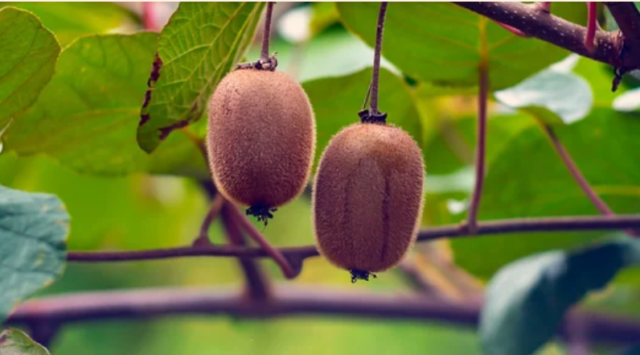
These little troopers are much more tolerant of our cooler temperatures and shorter growing seasons. They might not produce kiwis the size of your fist, but they'll give you a lovely crop of smaller, smoother-skinned fruits that are just as tasty. Think of them as the pocket-sized versions of the supermarket stars – perfect for popping into your mouth like a sweetie.
These hardy kiwis are also less fussy about their pollination, which is another hurdle we'll get to. It’s all about finding the right kiwi for the right climate, like choosing the right holiday destination based on your tolerance for sunburn.
Location, Location, Location (For Your Kiwi Vine)
Just like buying a house, where you plant your kiwi vine is absolutely crucial. You want to give it the best chance of survival and, dare we dream, fruit production.
Find the sunniest, warmest spot in your garden. Think south-facing, sheltered from those biting winds that can make even a seasoned gardener question their life choices. A south-facing wall is your best friend here. It acts like a giant, toasty radiator, soaking up the sun's rays and giving your kiwi vine a lovely, warm embrace.
Imagine your kiwi vine thinking, "Ah, this is the life! A bit of sunshine, a nice warm wall. I might even produce a tiny, fuzzy treasure for these lovely humans."
You'll also need a sturdy support system. Kiwi vines are vigorous growers, not unlike a teenager who's discovered a new video game and suddenly needs more screen time. They'll scramble and twist their way up anything they can get their little tendrils around. So, a strong trellis, pergola, or even a robust fence is essential. You don't want your kiwi vine staging a daring escape, only to be found tangled in the neighbour's prize-winning petunias.
The Sex Life of a Kiwi Vine
This is where things get a bit… botanical. And slightly awkward, if you're not prepared.
Most kiwi varieties are dioecious. Now, before you reach for your dictionary, that simply means they have separate male and female plants. And, as you might have guessed, you need both for fruit to appear. It’s a bit like needing a plug and a socket to get the kettle to boil; one without the other is just… there.
So, if you're buying a kiwi vine, you need to ensure you get at least one male and one female plant. They don't need to be best mates, just in relatively close proximity. Think of it as a blind date arranged by a well-meaning but slightly meddling relative. They just need to be in the same postcode to get the job done.
The male plant is the workhorse, producing the pollen. The female plant is the recipient, waiting patiently to be pollinated. And then, voilà, fruit!
Now, there are some self-fertile varieties out there. These are the unicorns of the kiwi world – rare and wonderful. If you can find one of these, you're halfway to kiwi-producing glory without the need for a horticultural matchmaking service.
It's worth noting that the hardy kiwi varieties (the arguta and kolomikta) are often easier to get to fruit because they can be a bit more forgiving with their pollination. Some even have a greater tendency to be self-fertile, which is a double win.
Patience is a Virtue (Especially with Kiwis)
This is the part where you need to channel your inner zen master. Kiwi vines are not instant gratification plants. They are slow burners. Think of them like a fine wine, or a really good cup of coffee – they take time to develop their full potential.
You might not see fruit for a good 3-5 years, sometimes even longer. This is where many aspiring kiwi growers throw in the towel, muttering about the futility of it all and retreating to the comfort of their supermarket-bought kiwis.
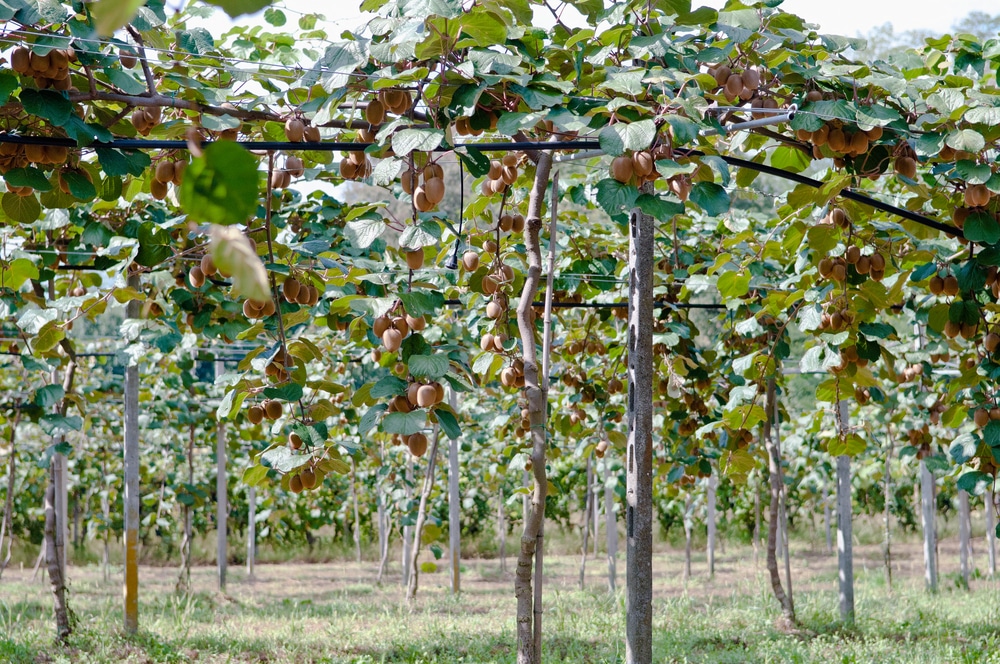
But! If you persevere, if you give your vine the love and attention it deserves (which, let's be honest, is not that much – a bit of watering, a bit of feeding, and a good prune now and then), you will be rewarded.
Imagine that first harvest. You're walking through your garden, maybe after a rather dismal downpour, and you spot a cluster of little fuzzy or smooth-skinned fruits hanging temptingly. It's like finding a tenner in an old coat pocket, but much more delicious.
What to Expect in Terms of Fruit
As we've touched on, the size and type of kiwi you'll get depends on the variety you choose.
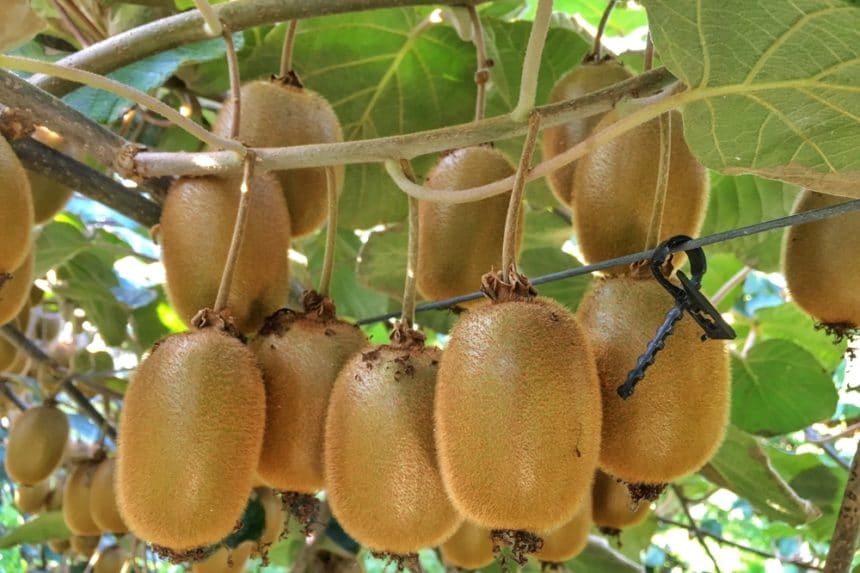
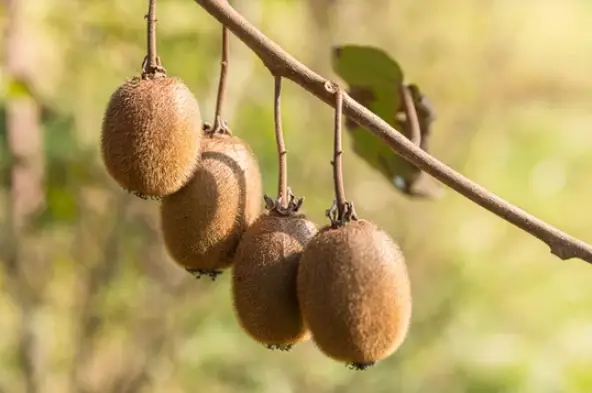
The traditional Actinidia deliciosa (if you manage to grow it successfully) will give you the familiar, fuzzy kiwis we see in shops. These will be larger and will need that prime, sunny spot to ripen properly.
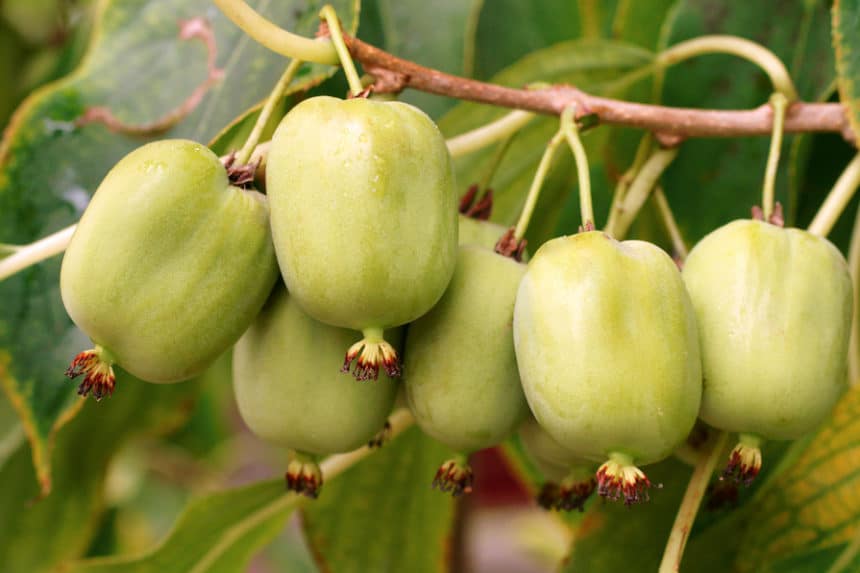
The hardy kiwis (Actinidia arguta and Actinidia kolomikta) will give you smaller, smoother-skinned fruits. These are often about the size of a large grape or a small plum. They're incredibly sweet and can be eaten straight off the vine, skin and all. No need for that fiddly peeling process!
Think of them as nature's own gummy bears, but with a healthy dose of vitamin C. They're perfect for snacking, adding to salads, or just enjoying the sheer novelty of growing your own exotic fruit in the British Isles.
Troubleshooting Your Kiwi Woes
Even with the best intentions, things can go wrong. It's gardening, after all. It's a contact sport with nature.
Frost: Young plants are particularly vulnerable. You might need to protect them with fleece during hard frosts. It's like tucking a baby into bed, but with horticultural implications.
Pests: Slugs and snails can be a nuisance, as they are with pretty much everything else you try to grow. Keep an eye out and take appropriate action. A bit of beer trap or a few strategically placed barriers can do wonders.
Lack of Fruit: This usually comes down to pollination or insufficient ripening time. Ensure you have a male and female plant, and that your planting spot is as sunny and warm as possible. If you’re not getting fruit after several years, it might be time to reconsider your spot or your variety choice.
Vigour: Don't be alarmed by how much your kiwi vine grows! They can be quite enthusiastic climbers. Regular pruning is key to managing their size and encouraging them to put their energy into fruit production rather than just getting bigger and bigger, like a teenager who's discovered an all-you-can-eat buffet.
The Verdict: Is it Worth the Effort?
Honestly? Yes. If you have the space, a bit of patience, and a willingness to embrace a bit of horticultural adventure, then absolutely.
There's a certain magic in growing something that feels a bit exotic, something that transports you to sunnier climes, even if it's just for a fleeting moment in your own backyard. The taste of a homegrown kiwi, especially one you've nurtured from a tiny plant, is incredibly rewarding. It’s a small victory against the odds, a fuzzy, delicious triumph.
It might not be as easy as growing a packet of radish seeds, but then again, life's too short for only easy things. The challenge, the process, and the eventual reward make it all worthwhile. So, go on, give it a go. You might just surprise yourself and end up with your own little slice of kiwi paradise, right here in the UK.