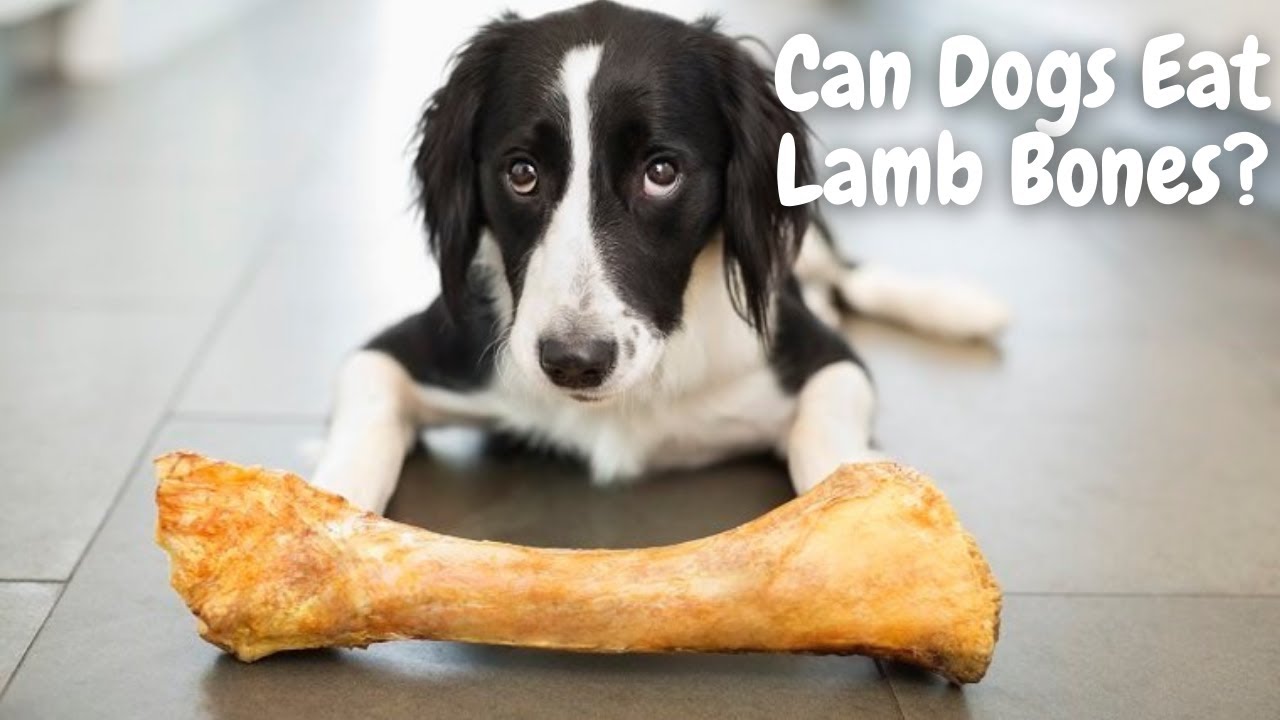
Can You Give Lamb Bones To Dogs
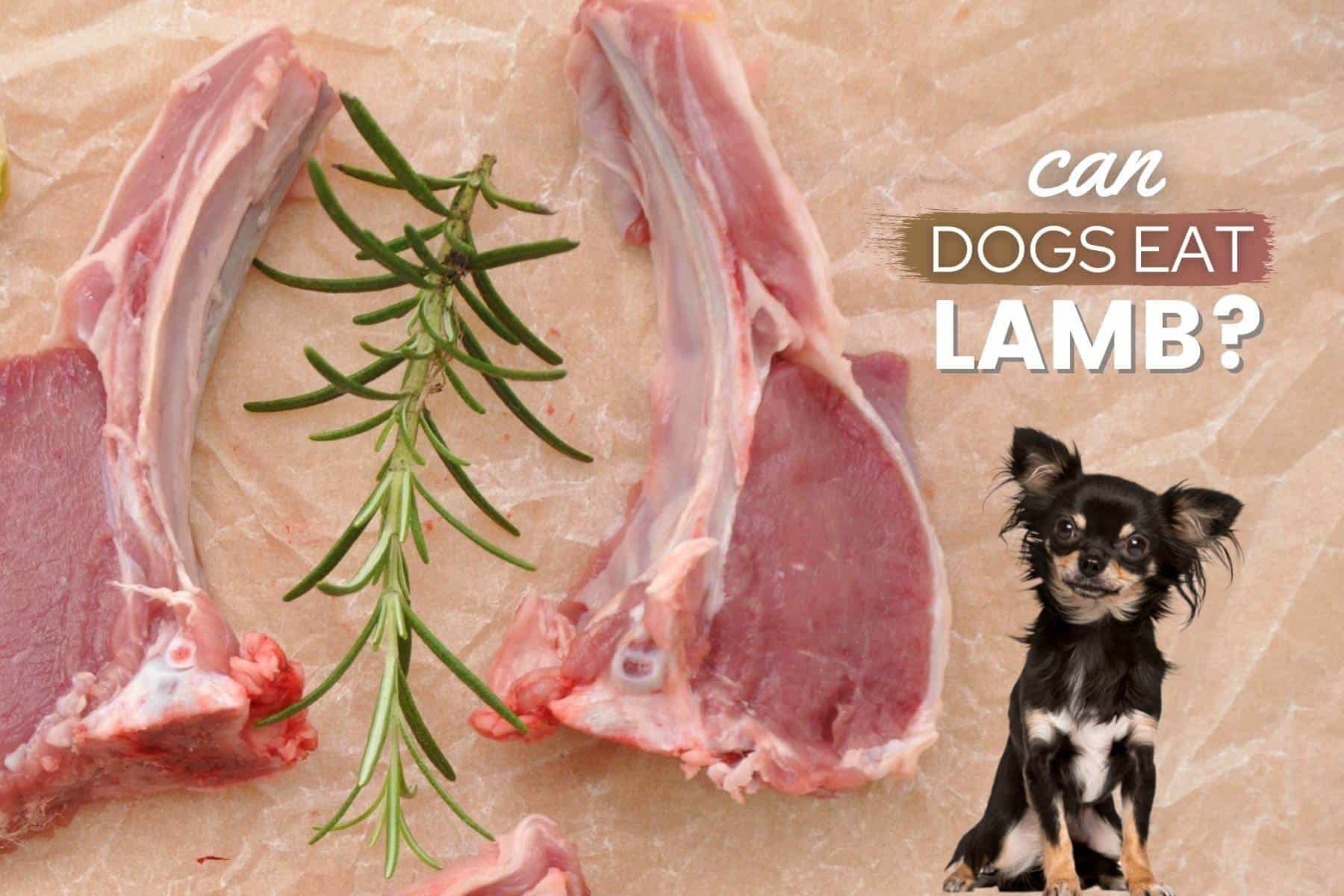
So, you're chilling at home, maybe just finished a delicious lamb roast, and your furry best friend, your ever-watchful dog, is giving you those soulful eyes. The leftovers are calling, and a question pops into your head: can you give lamb bones to dogs? It’s a question that surfaces for a lot of pet parents, and honestly, it’s a pretty smart one to ask. We all want to spoil our pups, right? But we also want to keep them safe and sound. So, let's dive into this, shall we?
Think about it. Dogs have been scavenging and chewing on bones for, well, forever. It's practically in their DNA. They’re built to gnaw! So, the idea of giving them a bone seems pretty natural. But here's where things get a little… nuanced. Not all bones are created equal, and lamb bones are no exception. We’re talking about a little bit of detective work to figure out what’s good, what’s potentially not-so-good, and what’s a big ol’ NO.
The Juicy Details: Are Lamb Bones a Go or a No-Go?
Alright, let’s get down to the nitty-gritty. The simple answer is… it depends. You see, it’s not a straightforward yes or no. It’s more like a “yes, but…” or a “no, unless…” It's like asking if you can eat street food – sometimes it's amazing, and sometimes it’s a gamble you’d rather not take. We want to make sure we’re giving our dogs the amazing, not the gamble.
Must Read
The biggest concern with bones, generally, is the risk of them splintering. Imagine a thin, brittle twig snapping in your hand. That’s kind of what can happen with cooked bones. They can become sharp and pointy, and that’s where the trouble starts. They can cause damage to your dog’s mouth, throat, esophagus, and even their intestines. Yikes. Nobody wants that for their four-legged family member.
Cooked vs. Raw: The Great Bone Debate
This is probably the most important distinction to make. When we’re talking about cooked lamb bones, the general consensus among most vets and animal behaviorists is to steer clear. Why? Because the cooking process changes the bone’s structure. It makes them harder and, as we mentioned, more prone to splintering into those sharp, dangerous fragments. Think of it like baking a potato versus eating a raw one. The texture and what happens when you bite into it are totally different.
So, that leftover leg of lamb bone from your Sunday dinner? Probably best to toss it in the bin (or compost, if you’re fancy like that). Those lovely, roasted bones might seem like a fantastic treat, but the risk of them causing internal injuries is just too high. It’s like giving a toddler a glass shard – it’s just not a good idea.

Now, what about raw lamb bones? This is where things get a bit more interesting. Many people who feed their dogs a raw diet believe that raw bones are much safer. And there's some truth to that. Raw bones are generally softer and more pliable. They tend to be crushed and ground down by a dog’s strong jaws rather than splintering into sharp pieces. It’s like comparing a fresh carrot stick to a stale, baked breadstick – one is likely to shatter, the other will bend and break.
Feeding raw bones can offer some pretty cool benefits too. They can help keep your dog’s teeth clean by acting as a natural toothbrush. That constant chewing action scrapes away plaque and tartar. Plus, it’s a fantastic way to keep your dog mentally stimulated and entertained. A bored dog can be a mischievous dog, right? A good bone can keep them occupied for ages, like a really engrossing puzzle book for humans.
What Kind of Lamb Bones Are We Talking About?
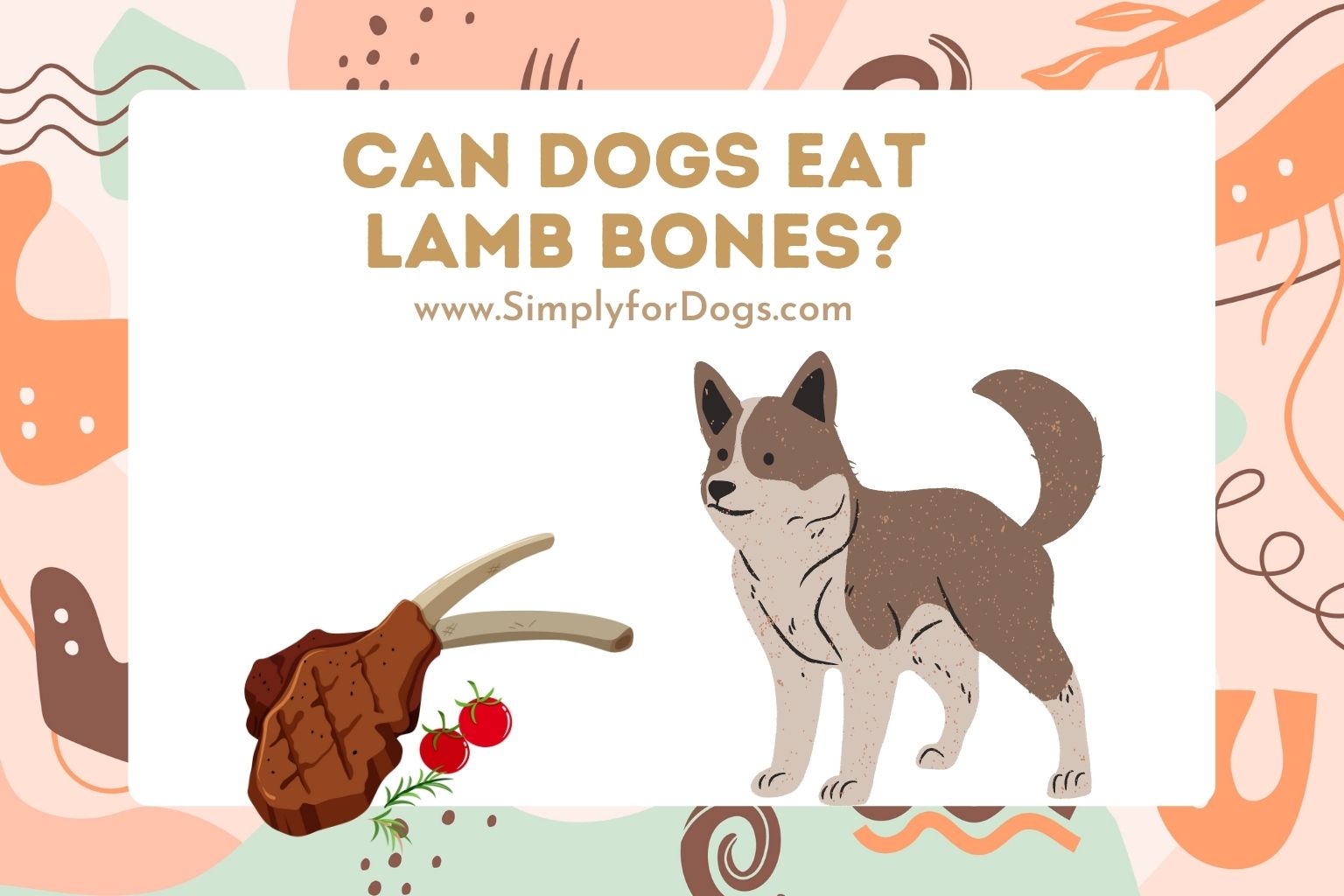
Even within the raw bone category, there are different types. You've got your smaller, softer bones like lamb ribs or lamb neck bones. These are often considered good options for raw feeding because they're less likely to cause blockages and are easier for dogs to chew through. Imagine a kid with a lollipop versus a kid trying to tackle a whole watermelon. The lollipop is a more manageable treat!
Larger, weight-bearing bones, like a lamb femur (the big bone from the thigh), are a different story. While they're super hard and might seem like the ultimate chew toy, they can pose a higher risk. They’re much more difficult for a dog to break down, and if a dog *does manage to crack one, the resulting pieces can be quite large and potentially cause blockages or dental fractures. So, while they offer a long-lasting chew, they also come with a bigger potential for problems. It’s the difference between a satisfying crunch and a tooth-cracking impact.
Potential Risks and How to Mitigate Them
Okay, so we know cooked bones are a no-go. But even with raw bones, it's not 100% risk-free. We’re talking about potential issues like:
- Choking: Some dogs are super enthusiastic eaters and might try to swallow large chunks of bone whole. This is a serious choking hazard.
- Tooth Fractures: While less common with raw bones than cooked ones, a dog with a particularly strong bite or an unlucky angle could still chip or break a tooth on a hard bone.
- Digestive Upset: Too much bone can sometimes lead to constipation or, in some cases, diarrhea as the dog’s digestive system adjusts.
- Blockages: If a dog swallows a large piece of bone that their system can’t process, it can cause a blockage in the intestines, which is a medical emergency.
So, how can you make this whole bone-giving thing safer? It's all about being a responsible pet parent. Think of yourself as a chef – you need to choose the right ingredients and prepare them properly!
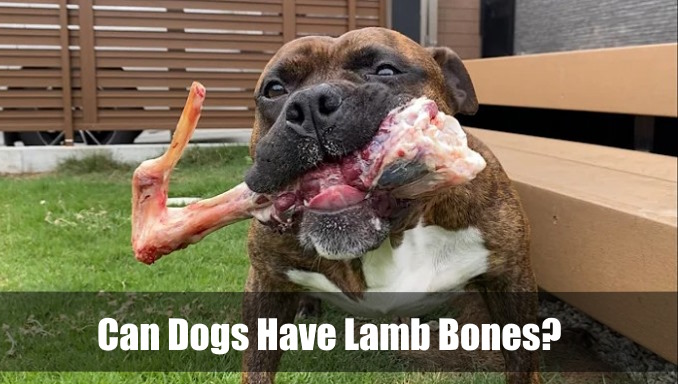
First off, always supervise your dog when they’re chewing on bones. Never just hand one over and walk away. You need to be there to intervene if they start to struggle or try to swallow something they shouldn’t. It's like supervising a child playing with new toys – you want to make sure they're having fun and not getting hurt.
Second, choose the right size and type of bone. For most dogs, raw lamb ribs or neck bones are a good starting point. Avoid bones that are too small and could be swallowed whole, and be cautious with very large, hard bones. It's about finding that sweet spot – a bone that's challenging but manageable.
Third, consider your dog's chewing style. Is your dog a gentle nibbler or a power chewer who tries to obliterate everything in sight? If your dog is a serious chomper, you might need to be extra vigilant or consider alternatives altogether.
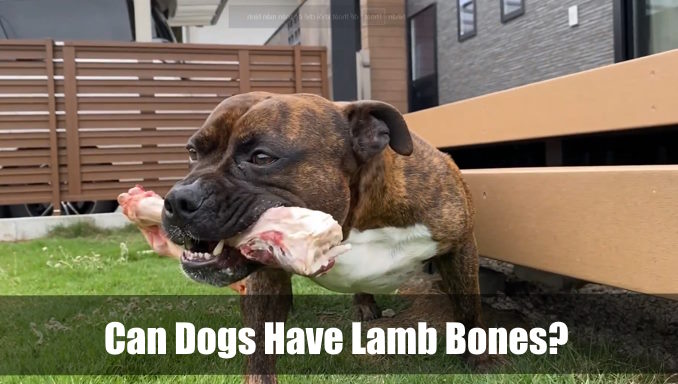
And finally, introduce bones gradually. If your dog isn't used to bones, start with a smaller piece and see how they react. Watch for any signs of digestive distress. It’s like introducing a new, exciting food to your own diet – you don’t go overboard on day one!
The Verdict: A Calculated Paw-sibility
So, can you give lamb bones to dogs? Yes, you can, but it's a decision that requires careful consideration and a good understanding of the risks involved. Raw, appropriately sized lamb bones, given under supervision, can be a fantastic, natural treat for many dogs. Cooked lamb bones, on the other hand, are generally best avoided.
It’s always a good idea to have a chat with your veterinarian before introducing any new foods or chews into your dog’s diet. They can offer personalized advice based on your dog’s specific health, age, and breed. They’re like the wise elders of the pet world, always ready with helpful guidance!
Ultimately, we all want what's best for our furry companions. By understanding the differences between cooked and raw bones, choosing wisely, and supervising closely, you can make an informed decision about whether lamb bones are a safe and enjoyable addition to your dog's life. Happy chewing (safely, of course)!